What Is a Secure Payment Gateway?
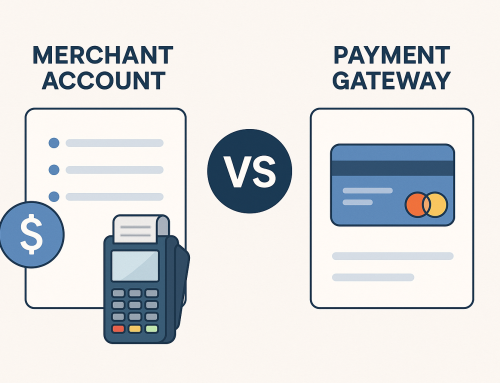
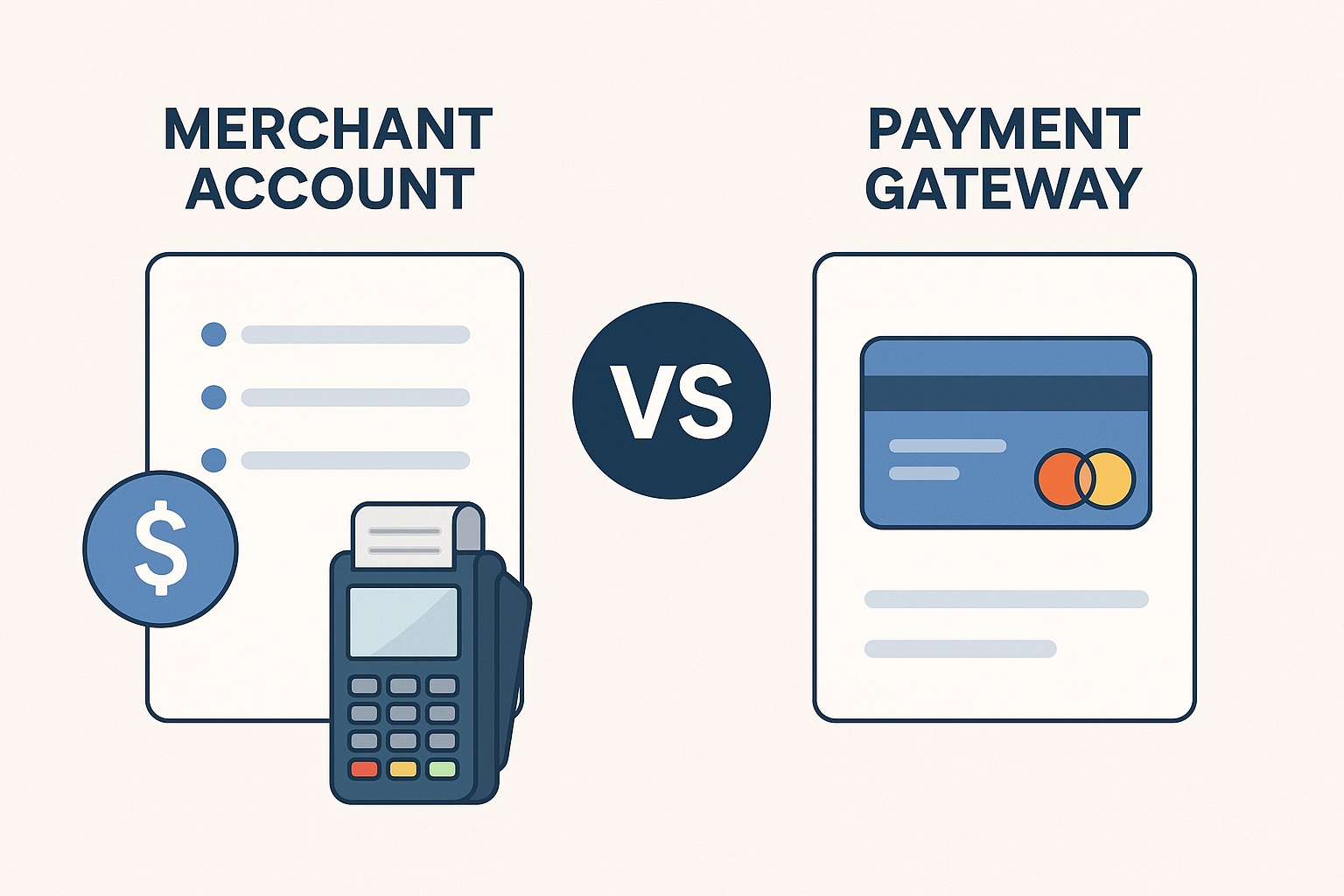
A secure payment gateway is the technology that safely captures and transfers payment information between a customer, a merchant, and the financial institutions involved in a transaction. In simple terms, it acts as a digital bridge between the checkout page and the payment processor, helping ensure that card details and other sensitive data are protected from exposure.
For any business that accepts online payments, security is not optional. Customers expect their personal and financial information to be handled carefully, and businesses need a reliable system that can process transactions quickly while reducing the risk of fraud. A secure payment gateway supports both goals by encrypting data, verifying transactions, and helping merchants meet compliance standards.
How a Secure Payment Gateway Works
When a customer enters payment details during checkout, the gateway begins a series of steps designed to validate and protect the transaction. First, the gateway encrypts the information so it cannot be read by unauthorized parties. Then it sends the encrypted data to the payment processor, which communicates with the customer’s bank or card issuer.
The bank checks whether the funds are available and whether the transaction appears legitimate. If everything looks good, the payment is approved and the authorization is sent back through the gateway to the merchant’s website or app. This entire process often happens in just a few seconds, creating a smooth checkout experience for the customer.
Behind the scenes, a secure payment gateway may also use fraud detection tools, tokenization, and risk scoring. These features help identify suspicious activity before a transaction is completed, reducing chargebacks and minimizing losses.
Why Security Matters in Online Payments
Payment security protects more than just sensitive card data. It also helps protect a company’s reputation, customer trust, and long-term revenue. A single data breach can lead to financial penalties, legal trouble, and serious damage to brand credibility. Customers are far less likely to return to a business if they feel their information is unsafe.
Security also improves transaction reliability. A well-built gateway can help reduce failed payments, detect fraudulent attempts, and support a consistent checkout experience across devices. For businesses of all sizes, these benefits make secure payment processing a core part of digital operations rather than a back-end concern.
Key Features of a Secure Payment Gateway
Encryption
Encryption converts payment data into unreadable code during transmission. This prevents hackers from intercepting and using sensitive information. Strong encryption standards are essential for keeping data safe as it moves across networks.
Tokenization
Tokenization replaces actual card details with a unique token that can be used for future transactions. If a system is breached, the token is far less useful than raw payment data. This adds another layer of protection for returning customers and subscription-based businesses.
Fraud Detection
Modern gateways often include fraud monitoring tools that analyze behavior patterns, device information, IP addresses, and transaction history. These tools help flag suspicious activity before it becomes a financial problem.
PCI Compliance
Payment Card Industry Data Security Standard, or PCI DSS, is a set of security requirements for handling cardholder information. A secure payment gateway helps merchants stay aligned with these standards by reducing exposure to raw payment data and enforcing best practices.
Two-Factor Authentication and Verification Tools
Some gateways support extra verification steps such as one-time passwords, address verification, and CVV checks. These tools help confirm that the person making the purchase is likely the legitimate cardholder.
Benefits for Businesses and Customers
For businesses, one of the biggest benefits of a secure payment gateway is reduced risk. Safer transactions mean fewer fraud incidents, fewer chargebacks, and less time spent resolving payment disputes. A dependable gateway also helps companies expand into new markets by supporting multiple payment methods and currencies.
For customers, the advantages are equally important. A secure checkout process builds confidence and encourages repeat purchases. Shoppers are more likely to complete a transaction when they see familiar trust signals, such as encrypted payment pages, recognized payment logos, and a professional checkout flow.
Security can also improve convenience. Many gateways support saved payment methods, mobile-friendly checkout, and one-click repeat purchases without compromising protection. When done well, security and ease of use work together instead of competing with each other.
How to Choose the Right Secure Payment Gateway
Choosing the right gateway starts with understanding your business needs. Consider the types of payments you accept, the regions you sell to, and the platforms you use to manage your store or service. Some gateways are better suited for eCommerce, while others are optimized for subscriptions, marketplaces, or in-person payments.
Look for strong security features first. Encryption, tokenization, fraud protection, and PCI compliance should be standard. It is also important to evaluate uptime, transaction speed, reporting tools, and customer support. A gateway that is secure but difficult to integrate or manage may create operational problems later.
Pricing matters too. Review transaction fees, setup costs, chargeback fees, and any monthly charges. The best solution is not always the cheapest one, but it should provide clear value and fit your growth plans. If possible, choose a provider that can scale with your business as order volume increases.
Best Practices for Maintaining Payment Security
Even the best gateway cannot protect a business that ignores basic security practices. Merchants should keep software updated, use secure hosting, limit access to payment systems, and train staff to recognize phishing and social engineering attempts. Strong passwords and multi-factor authentication should be standard for administrative accounts.
It is also smart to monitor transactions regularly for unusual patterns. Sudden spikes in failed payments, high-value orders from unfamiliar locations, or repeated attempts using different cards can all signal fraud. Monitoring and review help businesses respond quickly before small issues turn into major losses.
Finally, work only with reputable payment providers and integration partners. Review their security policies, compliance certifications, and support documentation before going live. A trustworthy ecosystem around your gateway is just as important as the gateway itself.
The Future of Secure Payment Gateway Technology
Payment security continues to evolve as fraud tactics become more advanced. Newer gateways are using machine learning, biometric authentication, and real-time risk analysis to improve both safety and speed. These technologies can help detect fraud more accurately while reducing friction for legitimate customers.
We are also seeing broader adoption of digital wallets, contactless payments, and embedded finance solutions. As payment methods expand, secure gateways will remain central to protecting transactions across channels. The businesses that adapt quickly will be better positioned to deliver seamless and trustworthy payment experiences.
Conclusion
A secure payment gateway is essential for protecting customer data, reducing fraud, and creating a smooth checkout experience. By combining encryption, tokenization, compliance, and fraud detection, it gives businesses the foundation they need to accept online payments with confidence.
Whether you run a small online store or a large enterprise, investing in secure payment technology is one of the smartest ways to support growth and earn customer trust.