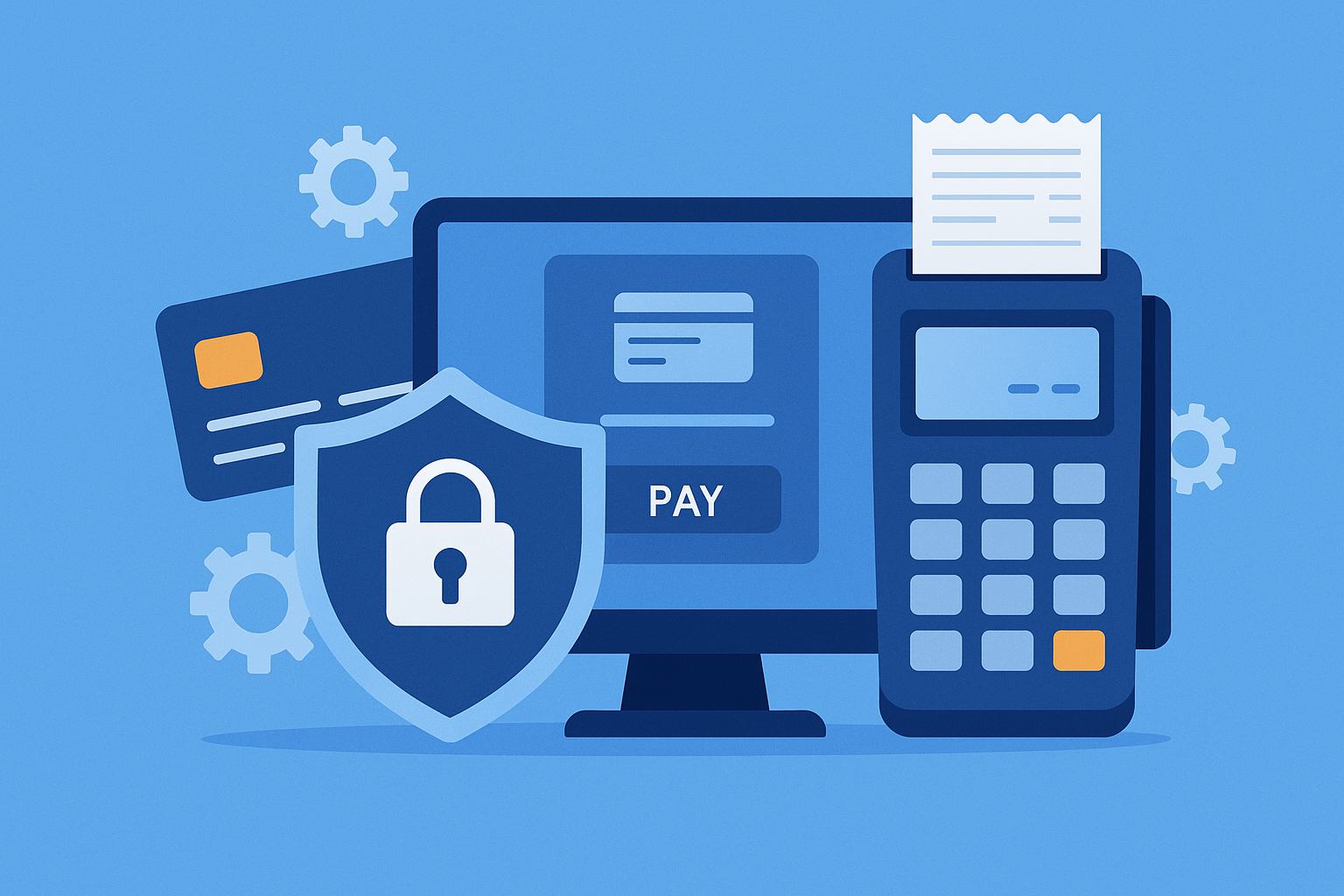
What Is a Secure Payment Gateway?
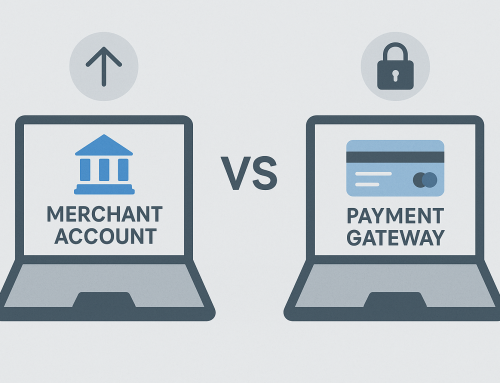
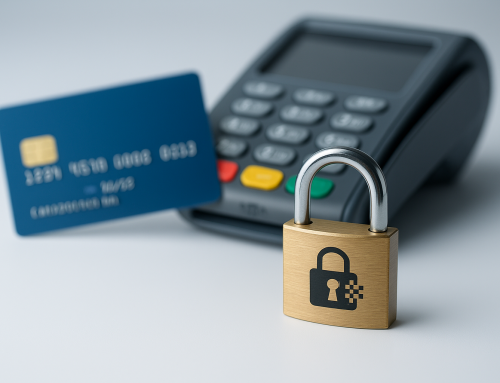
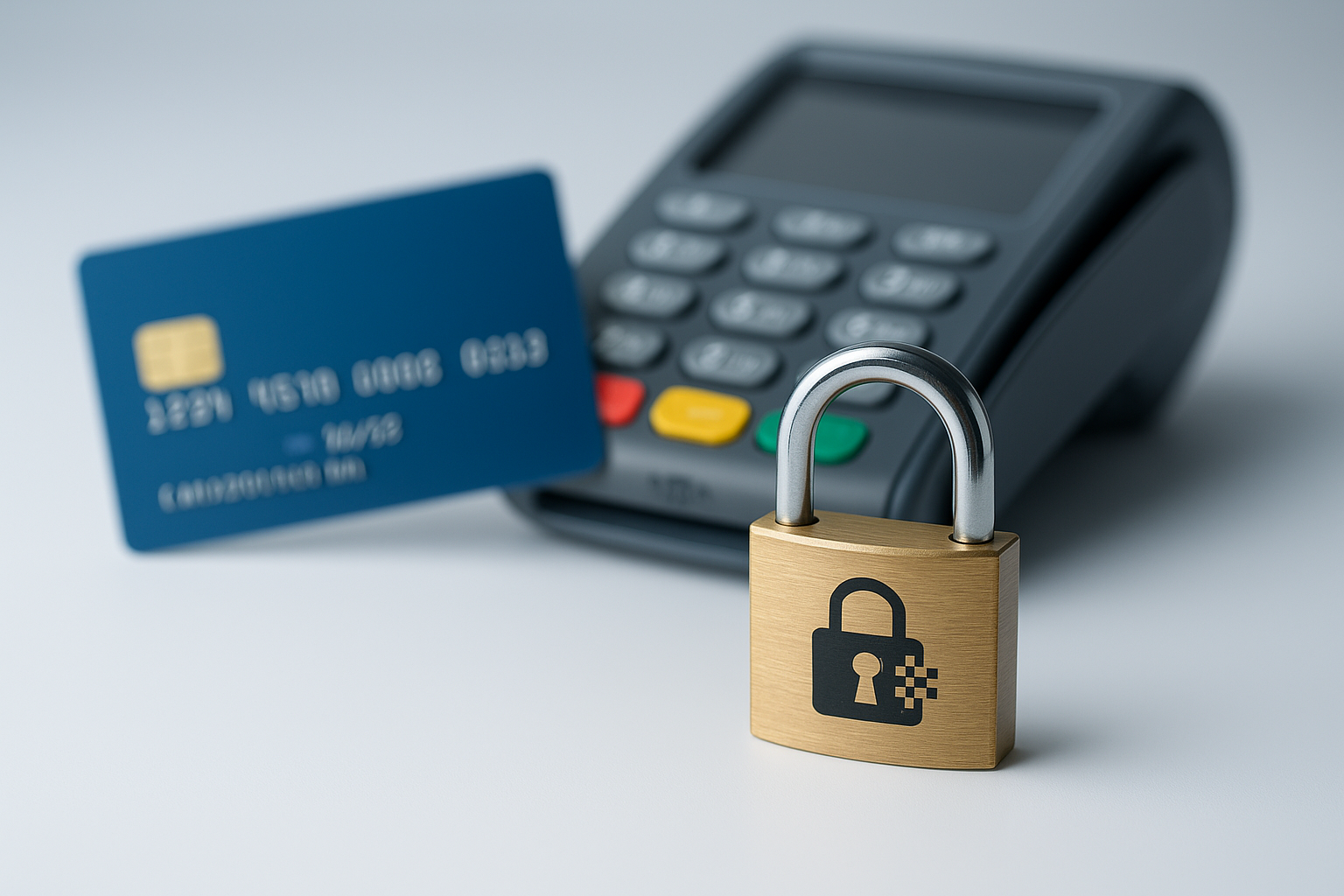
A secure payment gateway is the technology that safely transfers payment information between a customer, a merchant, and the financial institutions involved in a transaction. In simple terms, it acts as the digital bridge that authorizes payments while protecting sensitive data such as card numbers, expiration dates, and billing details.
When a customer clicks “Pay Now,” the gateway encrypts the information and sends it through a protected channel for verification. If approved, the payment is completed; if not, the transaction is declined. A secure payment gateway is essential for any business that accepts online payments, whether it sells products, subscriptions, digital services, or donations.
Why Secure Payment Gateways Matter
Security is one of the biggest concerns in online commerce. Customers want confidence that their personal and financial information will not be exposed, stolen, or misused. Businesses, meanwhile, need to reduce fraud, avoid chargebacks, and comply with industry regulations.
A secure payment gateway helps address these concerns by creating a safer transaction environment. It can improve customer trust, reduce cart abandonment, and protect a brand’s reputation. Without strong payment security, even a well-designed checkout process can fail because users may hesitate to enter payment details.
How a Secure Payment Gateway Works
Understanding how a payment gateway works makes it easier to evaluate its security features. Although the process happens in seconds, multiple steps occur behind the scenes.
1. Customer Enters Payment Details
The customer enters card or wallet information on the checkout page. If the gateway is properly designed, this data is transmitted using encryption and secure protocols rather than being exposed in plain text.
2. Data Is Encrypted and Sent for Authorization
The gateway encrypts the payment details and sends them to the payment processor, which forwards the request to the customer’s bank or card network. Encryption ensures that even if data is intercepted, it remains unreadable.
3. The Bank Verifies the Transaction
The issuing bank checks whether the card is valid, whether funds are available, and whether the transaction appears legitimate. Fraud detection tools may also be used to flag suspicious activity.
4. Approval or Decline Is Returned
The bank sends a response back through the payment network and processor to the gateway. The merchant then sees whether the transaction was approved or declined, and the customer receives confirmation.
Key Security Features to Look For
Not every payment gateway offers the same level of protection. If you want to choose a secure payment gateway, look for these essential features.
Encryption
Encryption protects payment data while it is being transmitted. Strong gateways use modern encryption standards to keep sensitive information safe from interception.
Tokenization
Tokenization replaces card data with a randomly generated token that has no value outside the payment system. This means the actual card number is not stored in your system, reducing the risk of exposure.
PCI DSS Compliance
The Payment Card Industry Data Security Standard (PCI DSS) sets security requirements for handling cardholder data. A compliant gateway helps merchants meet these obligations and lowers the likelihood of security gaps.
Fraud Detection Tools
Advanced fraud detection features can identify suspicious behavior, such as unusual purchase patterns, mismatched addresses, or high-risk geographies. These tools help stop fraudulent transactions before they are completed.
Two-Factor Authentication and 3D Secure
Additional verification methods, such as two-factor authentication or 3D Secure, add another layer of protection. These features make it harder for unauthorized users to complete a payment even if they have card details.
Benefits of Using a Secure Payment Gateway
Choosing the right gateway provides more than just technical security. It can directly influence business performance and customer satisfaction.
Improved Customer Trust
Shoppers are more likely to complete purchases when they feel safe. A secure checkout process shows customers that you take their privacy seriously.
Lower Fraud Risk
Fraud prevention tools, encryption, and tokenization reduce the chances of data theft and unauthorized transactions. This protects both the business and the customer.
Better Conversion Rates
When payment pages feel safe and reliable, fewer customers abandon the checkout process. A smooth and trustworthy payment flow can lead to higher conversion rates.
Regulatory and Compliance Support
A secure gateway can help businesses align with legal and industry requirements. This reduces the burden on internal teams and lowers the risk of penalties associated with poor data handling.
Scalability for Growth
As a business grows, payment volume, customer expectations, and security risks also increase. A secure gateway can support expansion across channels, regions, and payment methods without compromising safety.
Common Security Risks in Online Payments
Even with a secure gateway in place, businesses should understand the threats that commonly affect online transactions.
Phishing and Social Engineering
Attackers may trick users or staff into revealing payment credentials or login details. Strong authentication and user education are important defenses.
Card-Not-Present Fraud
Because the card is not physically present during online transactions, criminals may use stolen details to make unauthorized purchases. Fraud monitoring helps detect these cases.
Data Breaches
If payment information is stored insecurely, hackers may target merchant databases. Tokenization and minimized data storage reduce this risk significantly.
Weak Passwords and Account Takeovers
Compromised merchant accounts can lead to fraudulent transactions or data exposure. Strong access controls and multifactor authentication are essential.
How to Choose the Right Secure Payment Gateway
Selecting a gateway is not just about fees and payment methods. Security, reliability, and user experience should play an equal role in the decision.
Evaluate Security Standards
Check whether the provider supports PCI DSS compliance, encryption, tokenization, and fraud prevention tools. These are basic indicators of a strong security foundation.
Consider Integration Options
The gateway should integrate smoothly with your website, shopping cart, CRM, or subscription platform. Poor integration can create security gaps and operational headaches.
Review Supported Payment Methods
Your customers may prefer credit cards, debit cards, digital wallets, bank transfers, or local payment methods. A flexible gateway can improve convenience without reducing security.
Assess Reputation and Reliability
Choose a provider with a proven track record, transparent policies, and dependable uptime. A gateway that experiences frequent outages can hurt both revenue and trust.
Look for Strong Support and Monitoring
Security issues require quick action. Reliable customer support, transaction monitoring, and detailed reporting can help you respond to problems before they escalate.
Best Practices for Merchants
Even the most secure gateway works best when combined with smart merchant practices.
- Use HTTPS across your entire checkout flow.
- Store as little payment data as possible.
- Keep plugins, platforms, and APIs updated.
- Train staff to recognize fraud and phishing attempts.
- Monitor transaction patterns for suspicious activity.
- Require strong passwords and multifactor authentication for admin accounts.
These habits help reduce risk and strengthen the overall security of your payment environment.
Conclusion
A secure payment gateway is one of the most important parts of any online business. It protects sensitive payment data, helps prevent fraud, supports compliance, and builds customer confidence at checkout. By choosing a gateway with strong security features and following best practices, businesses can create a safer payment experience and grow with greater peace of mind.