What Is Payment Security?
Payment security is the set of tools, processes, and best practices used to protect payment information during a transaction. It helps keep card numbers, bank details, login credentials, and personal data safe from theft, fraud, and unauthorized access.
In a world where customers expect fast, seamless checkout experiences, security must work quietly in the background. Strong payment security reduces fraud, protects businesses from financial loss, and builds trust with every transaction.
Why Payment Security Matters
Every time a customer enters payment details, they are trusting a business to handle sensitive data responsibly. A single breach can lead to stolen card data, chargebacks, legal penalties, and long-term damage to a brand’s reputation.
For businesses, the cost of weak payment security goes far beyond the immediate loss. It can disrupt operations, increase compliance costs, and cause customers to abandon future purchases. For customers, it can mean identity theft, account takeover, and unauthorized charges.
That is why payment security is not just an IT issue. It is a core part of customer experience, risk management, and business continuity.
How Payment Security Works
Modern payment security relies on multiple layers of protection. No single control is enough on its own. Instead, secure systems combine encryption, authentication, tokenization, monitoring, and compliance to reduce risk at every step of the payment journey.
1. Encryption
Encryption scrambles sensitive data so that it cannot be read by unauthorized users. During a payment, encryption protects information in transit between the customer, the payment processor, and the merchant’s systems. Even if data is intercepted, it remains unreadable without the correct decryption key.
2. Tokenization
Tokenization replaces sensitive card details with a unique token that has no real value outside the payment system. This means businesses can process recurring payments or store customer payment methods without keeping raw card data on file.
3. Authentication
Authentication verifies that the person making the payment is legitimate. This can include passwords, one-time passcodes, biometric checks, or multifactor authentication. Strong authentication makes it harder for criminals to use stolen credentials.
4. Fraud Detection
Fraud detection tools analyze payment behavior in real time to spot suspicious activity. They look for unusual spending patterns, mismatched billing information, rapid transaction attempts, and other warning signs that a transaction may be risky.
5. Compliance and Standards
Payment security also depends on industry standards and legal requirements. The PCI DSS framework, for example, sets rules for handling cardholder data securely. Following these standards helps businesses reduce risk and demonstrate that they take data protection seriously.
Common Payment Security Threats
Threats to payment systems continue to evolve, and businesses must stay alert. Some of the most common risks include phishing, malware, card-not-present fraud, account takeover, and data breaches.
Phishing attacks trick employees or customers into revealing sensitive information. Malware can steal data from infected devices or point-of-sale systems. Card-not-present fraud is especially common in online shopping, where criminals use stolen details to make purchases without a physical card.
Account takeover occurs when attackers gain access to customer accounts and use saved payment methods. Data breaches, meanwhile, can expose large volumes of payment information at once, making them especially damaging for businesses of all sizes.
Best Practices for Strong Payment Security
Protecting payment data requires a layered and proactive approach. The following best practices can help reduce risk and improve resilience.
Use Secure Payment Gateways
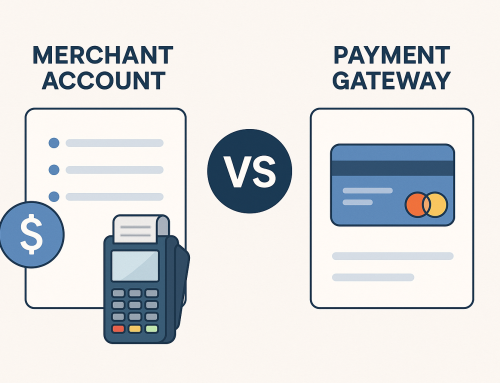
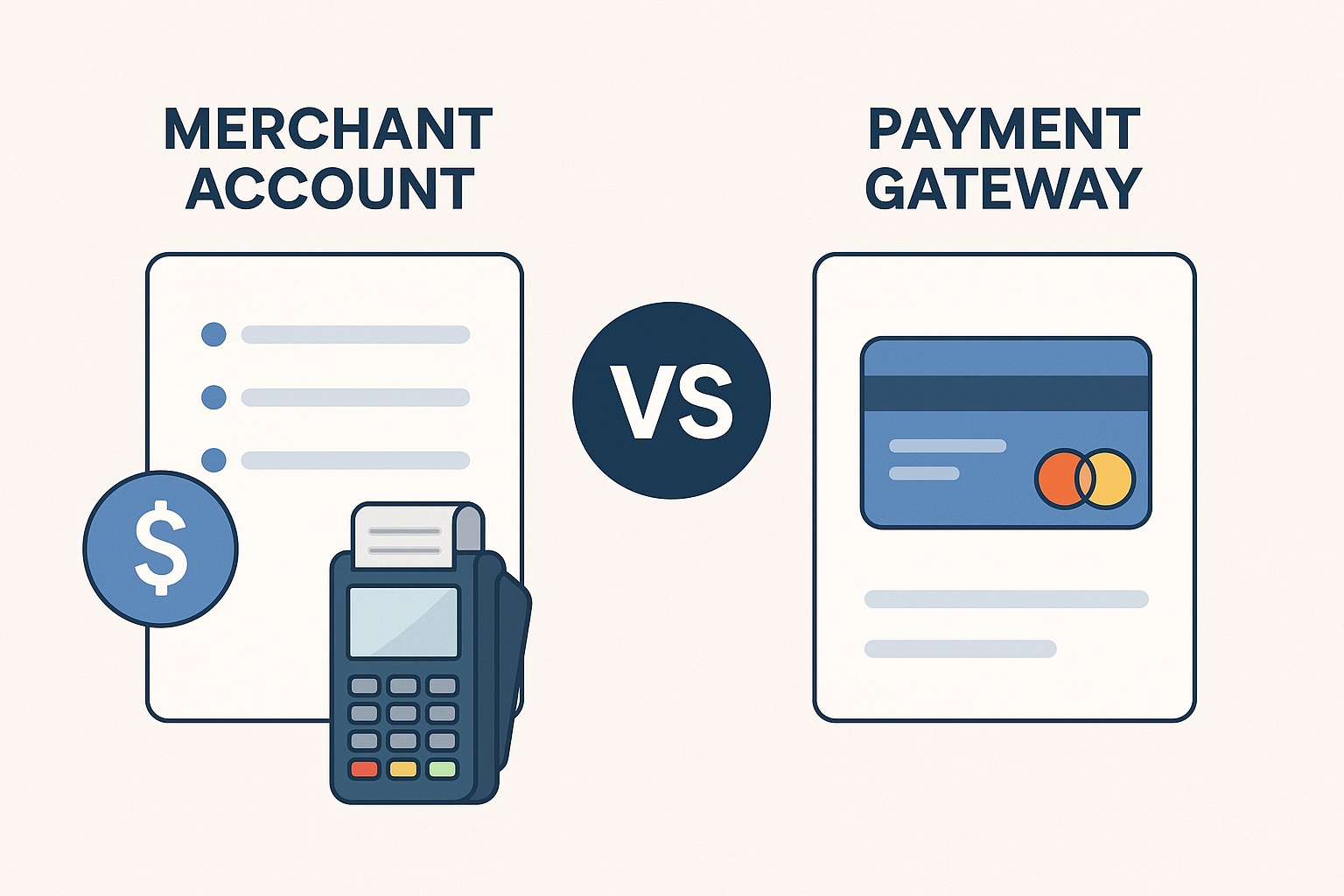
A secure payment gateway helps transmit transaction data safely between the customer, merchant, and processor. Choose gateways that support encryption, tokenization, and fraud controls. Working with reputable providers can significantly reduce your exposure.
Limit Data Storage
The less sensitive payment data you store, the less there is to steal. Avoid keeping card details unless absolutely necessary. When storage is required, make sure the data is encrypted and access is tightly restricted.
Keep Systems Updated
Outdated software often contains vulnerabilities that attackers can exploit. Regularly update payment platforms, plugins, operating systems, and security tools. Patch management is one of the simplest and most effective ways to strengthen security.
Train Employees
Human error remains one of the biggest security risks. Train staff to recognize phishing emails, suspicious requests, and social engineering tactics. Employees should also understand proper data-handling procedures and how to report incidents quickly.
Monitor Transactions Continuously
Real-time monitoring helps identify unusual activity before it becomes a larger problem. Alerts, behavioral analytics, and transaction scoring can help catch suspicious payments early. This is especially important for e-commerce businesses and subscription-based models.
Implement Multifactor Authentication
Adding multifactor authentication to admin panels, customer accounts, and internal systems creates an extra barrier for attackers. Even if a password is stolen, the additional verification step can block unauthorized access.
The Role of Customers in Payment Security
Businesses are responsible for protecting payment systems, but customers also play an important part. Safe payment habits can reduce fraud and make online shopping more secure for everyone.
Customers should use strong, unique passwords, avoid public Wi-Fi when making sensitive purchases, and check account statements regularly for suspicious charges. They should also be cautious of fake checkout pages, phishing emails, and unfamiliar payment requests.
When businesses educate customers about security, they create a stronger overall defense. Clear communication about secure checkout, trusted payment methods, and fraud prevention can improve confidence and reduce risk.
Payment Security and Customer Trust
Trust is one of the most valuable assets a business can earn. Customers are more likely to complete purchases, return for future orders, and recommend a brand when they feel their payment information is safe.
A secure checkout experience does more than prevent loss. It also signals professionalism, reliability, and respect for customer privacy. Visible trust indicators, such as secure payment icons, transparent policies, and well-designed checkout pages, can reinforce confidence without slowing down the buying process.
Conclusion
Payment security protects more than data. It protects revenue, reputation, and the customer relationships that keep a business growing. By combining encryption, authentication, fraud detection, compliance, and employee training, organizations can create a safer payment environment for everyone.
The best payment security strategies are not reactive. They are built into everyday operations, updated regularly, and supported by a culture of vigilance. In a digital economy where trust matters more than ever, secure payments are essential.