What Is a Secure Payment Gateway?
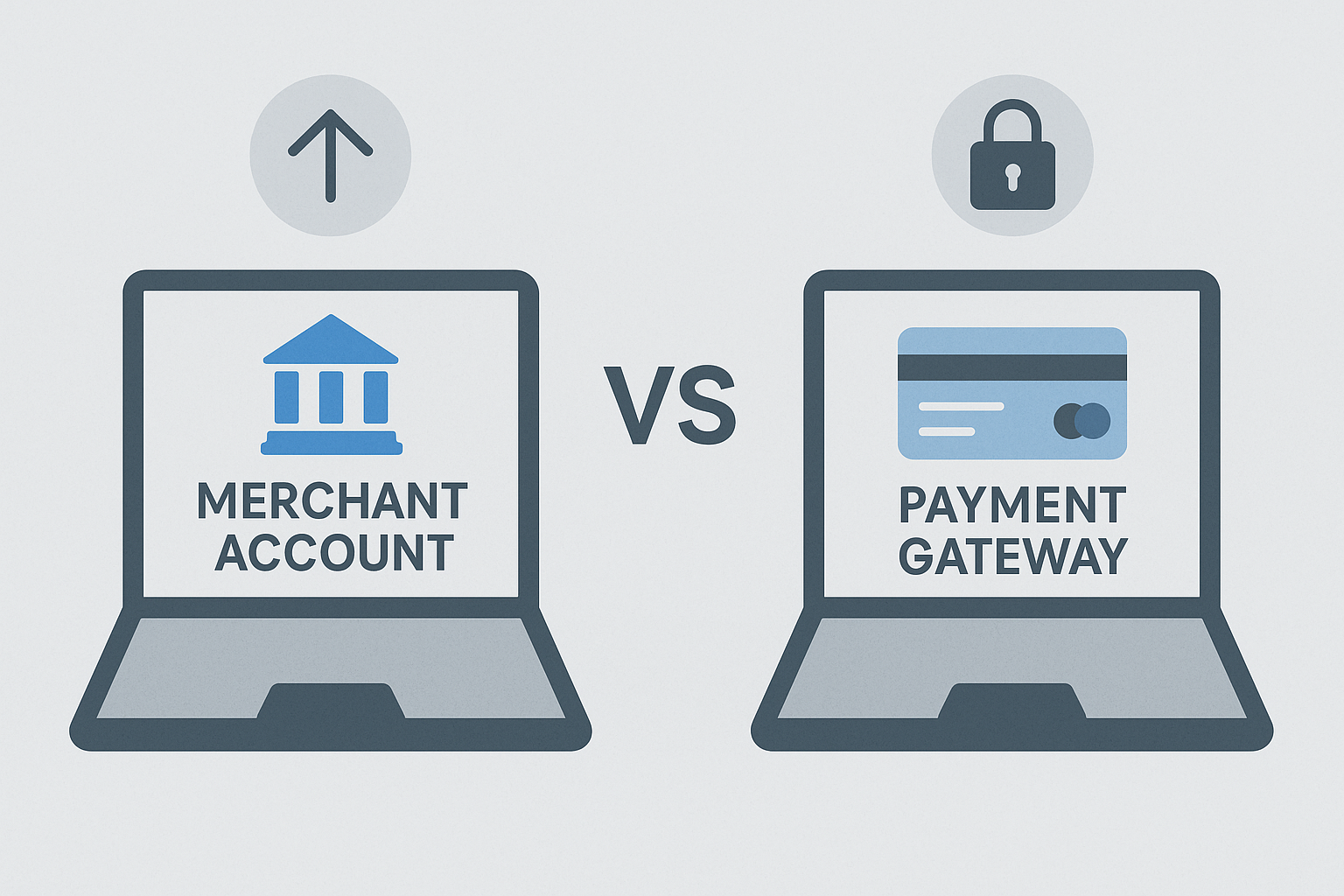
A secure payment gateway is the technology that safely transfers payment information between a customer, a business, and the financial institutions involved in a transaction. In simple terms, it acts like a digital checkpoint for online payments, making sure card details and other sensitive data are encrypted and protected before they reach the payment processor and the bank.
For any business that accepts payments online, a secure payment gateway is essential. It helps reduce fraud, protects customer data, and builds trust at the moment of purchase. Whether you run an eCommerce store, a subscription service, or a booking platform, the gateway is a critical part of the payment experience.
How a Secure Payment Gateway Works
When a customer enters payment details and clicks “Pay,” the gateway begins a series of security-focused steps. First, it encrypts the data so it cannot be easily intercepted. Then, it sends the transaction to the payment processor, which communicates with the customer’s bank or card network for authorization. If the bank approves the transaction, the gateway relays the approval back to the merchant website.
This process happens in seconds, but multiple layers of security are working behind the scenes. Many secure payment gateways also include fraud detection tools, address verification, tokenization, and real-time risk scoring to help identify suspicious activity before it becomes a problem.
Encryption and Tokenization
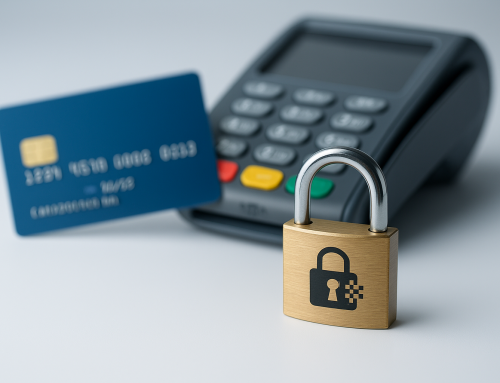
Encryption turns payment data into unreadable code during transmission, preventing unauthorized access. Tokenization adds another layer by replacing sensitive card details with a unique token that has no real value if stolen. Together, these technologies dramatically reduce exposure to cardholder data.
Authentication and Fraud Checks
Modern gateways often support multi-factor authentication, 3D Secure verification, and behavioral fraud analysis. These tools confirm that the person making the purchase is more likely to be the rightful cardholder, reducing chargebacks and fraudulent orders.
Why Secure Payment Gateways Matter
Security is one of the biggest concerns for online shoppers. If a checkout page feels unsafe, many customers will abandon their carts and look elsewhere. A secure payment gateway helps eliminate that hesitation by protecting their personal and financial information.
For businesses, the benefits go beyond customer confidence. Secure gateways help reduce the risk of data breaches, limit liability, and support compliance with payment security standards such as PCI DSS. They also improve operational efficiency by automating fraud detection and simplifying payment processing.
In addition, a secure gateway can strengthen brand reputation. Customers remember safe, smooth transactions and are more likely to return when they trust the checkout process.
Key Features to Look for in a Secure Payment Gateway
Not all payment gateways offer the same level of protection. When evaluating options, businesses should look for a combination of security, reliability, and flexibility.
PCI Compliance
A good secure payment gateway should support PCI DSS compliance. This ensures the gateway meets industry standards for handling cardholder data safely.
End-to-End Encryption
End-to-end encryption protects payment information from the moment it is entered until it reaches the processor. This reduces the chance of interception during transmission.
Fraud Detection Tools
Look for gateways with built-in fraud filters, velocity checks, geolocation matching, and risk-based decisioning. These features help block suspicious transactions automatically.
Tokenization Support
Tokenization is especially important for businesses that store payment methods for subscriptions, repeat customers, or one-click checkout. It reduces the amount of sensitive data stored on your systems.
Multi-Currency and Global Support
If you sell internationally, choose a gateway that supports multiple currencies and regional payment methods. Secure cross-border payment handling is important for customer convenience and conversion rates.
Reliable Uptime and Speed
A secure gateway should also be fast and dependable. Slow or unreliable checkout pages can hurt sales, so performance matters as much as protection.
Best Practices for Using a Secure Payment Gateway
Even the most advanced gateway needs to be used correctly. Businesses should follow a few practical steps to keep transactions safe.
First, keep your website and plugins updated. Security patches help protect against vulnerabilities that attackers may try to exploit. Second, use HTTPS across your entire site, not just at checkout. A secure checkout page is not enough if the rest of the site is exposed.
Third, limit access to payment data. Only authorized team members should handle transaction records or customer billing details. Fourth, monitor transactions regularly for unusual patterns such as repeated failed payments, mismatched billing information, or suspicious order volumes.
Finally, work with reputable payment providers and review their security documentation. A trusted gateway partner can make compliance and risk management much easier.
Common Security Risks in Online Payments
Online payments come with several risks, which is why a secure payment gateway is so important. Data theft, phishing attacks, card testing fraud, account takeover, and malicious bots can all threaten a business’s checkout flow. Without proper protection, these threats can lead to chargebacks, lost revenue, and reputational damage.
Attackers often look for weak points in checkout forms, outdated software, or poorly configured systems. A secure gateway helps close those gaps by adding verification, encryption, and fraud controls at the point where payment data is most vulnerable.
How to Choose the Right Secure Payment Gateway
Choosing the right gateway depends on your business model, customer base, and technical needs. Start by comparing the security features each provider offers. Then evaluate pricing, integration options, supported payment methods, and customer support quality.
For small businesses, ease of setup and low maintenance may be top priorities. For larger companies, advanced fraud tools, reporting, customization, and global scalability may matter more. In every case, the right choice should balance security with a smooth checkout experience.
It is also wise to test the payment flow before launching. Make sure the gateway works well on mobile devices, processes payments quickly, and provides clear error messages if a transaction fails. A secure gateway should protect customers without creating unnecessary friction.
Conclusion
A secure payment gateway is one of the most important tools for any business that accepts online payments. It protects sensitive data, reduces fraud, supports compliance, and helps customers feel confident at checkout. By choosing the right gateway and following best practices, businesses can create a safer, smoother payment experience for everyone involved.