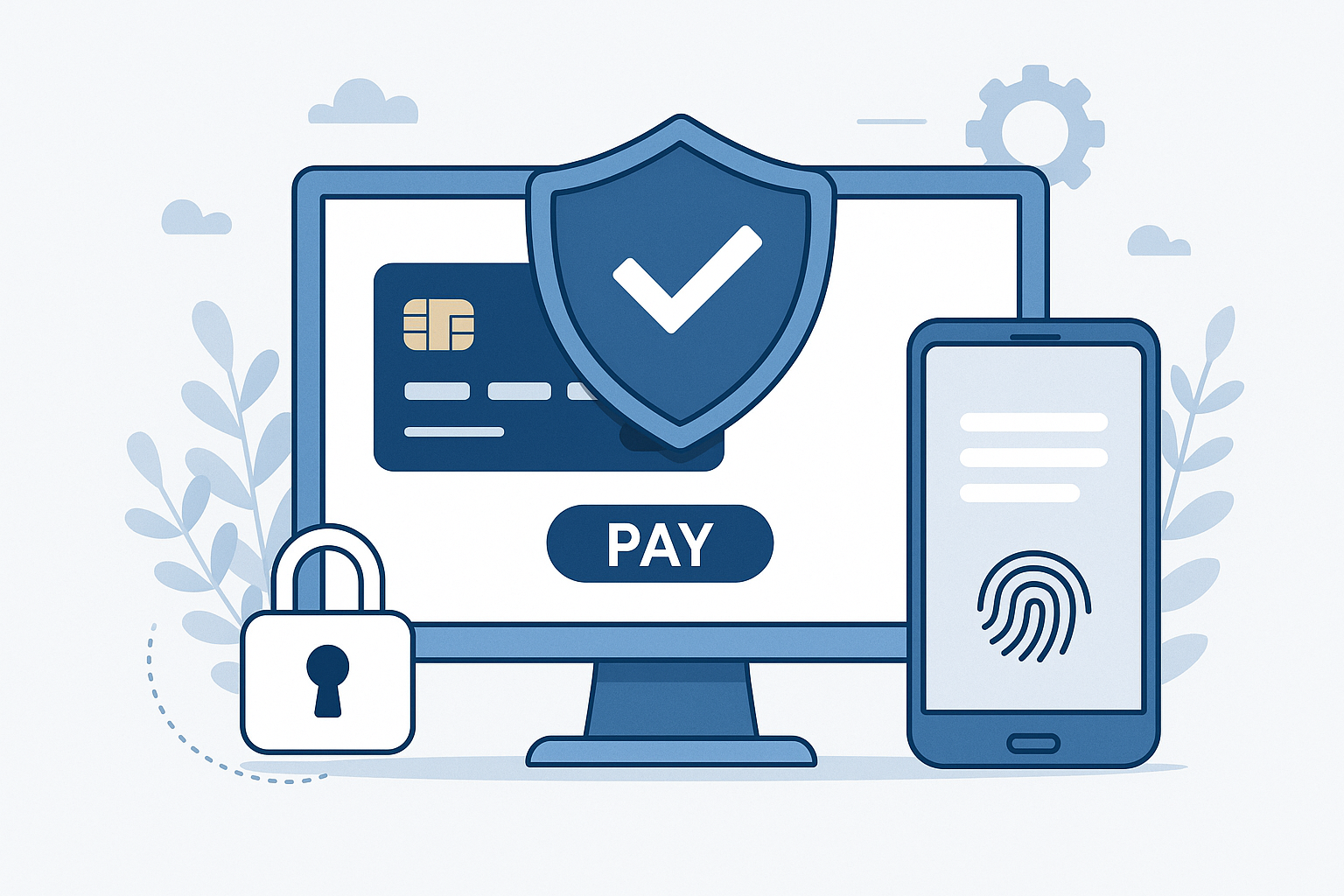
Online payments are now a normal part of everyday business, from ecommerce stores and subscription services to booking platforms and digital marketplaces. But as digital transactions grow, so do the risks. That is why a secure payment gateway is essential. It acts as the bridge between your customer’s payment details and the financial institutions that process the transaction, while helping protect sensitive data every step of the way.
For businesses, choosing the right payment gateway is about more than simply accepting cards. It is about reducing fraud, meeting compliance requirements, improving customer confidence, and creating a smooth checkout experience. In this post, we will break down what a secure payment gateway is, how it works, the security features that matter most, and how to choose the right solution for your business.
What Is a Secure Payment Gateway?
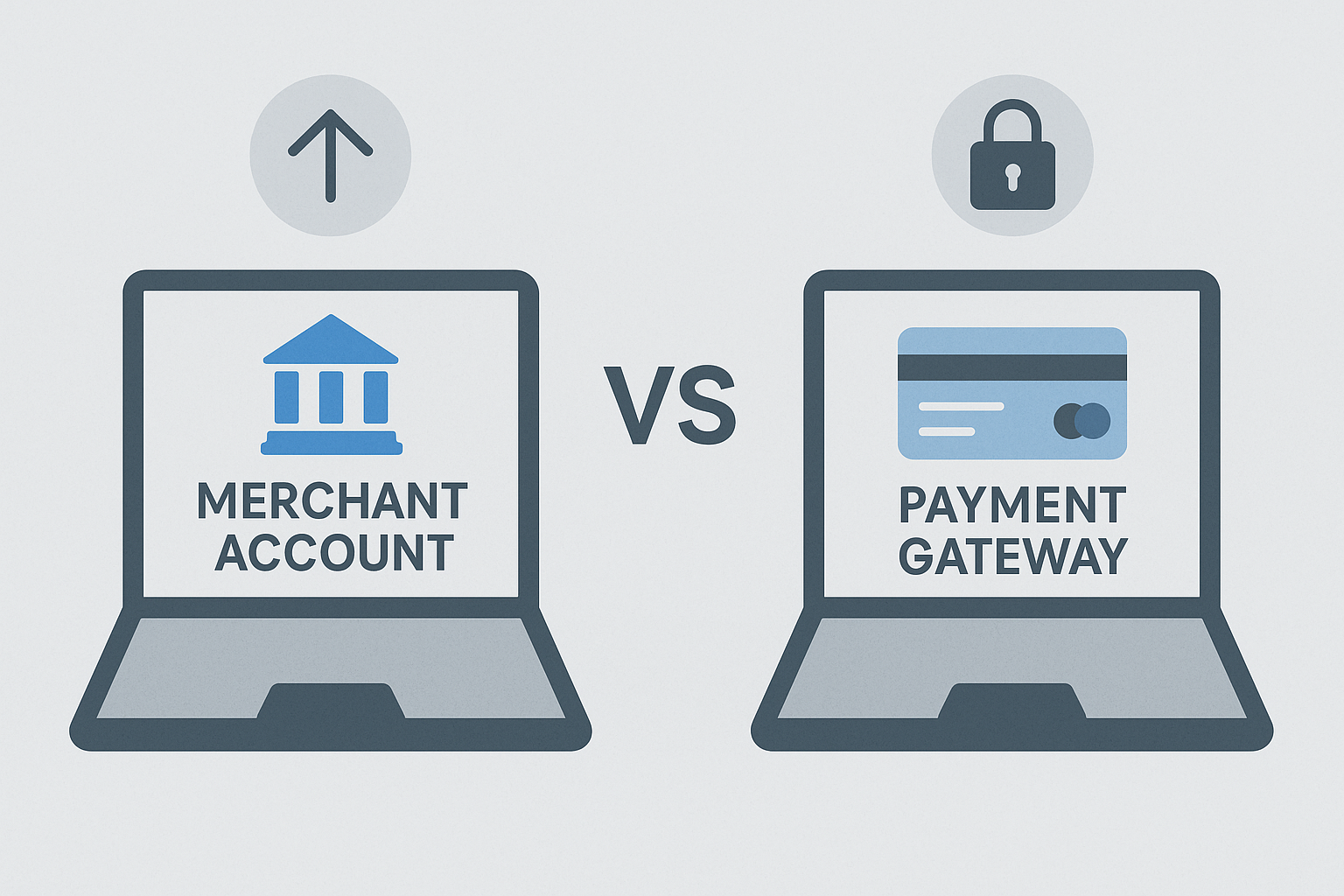
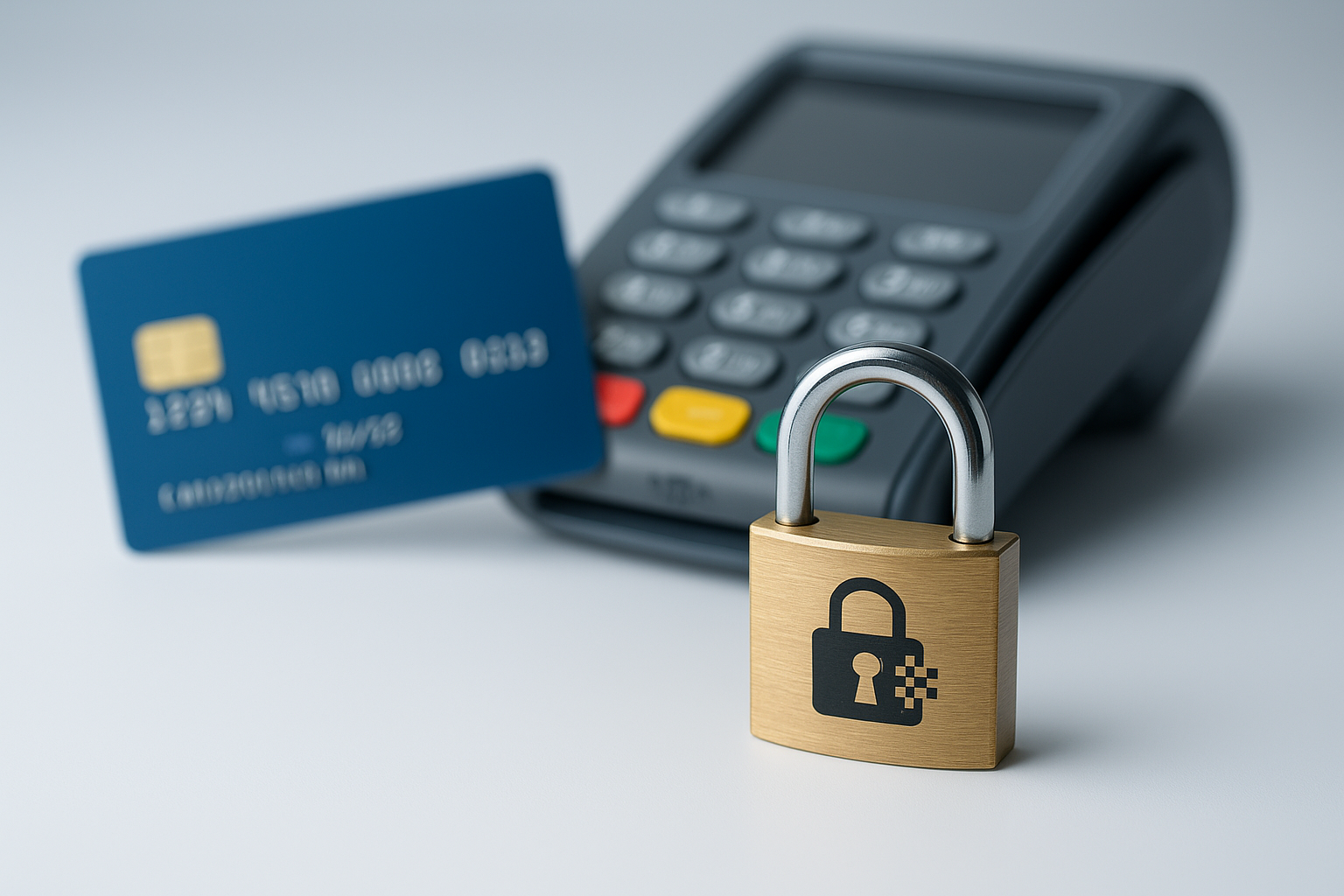
A payment gateway is technology that authorizes and processes online payments. A secure payment gateway goes a step further by protecting payment information using encryption, fraud detection, tokenization, and compliance controls.
In simple terms, it is the digital equivalent of a point-of-sale terminal combined with a security guard. It captures payment details, sends them safely to the processor or bank, and helps ensure the transaction is legitimate before approving it.
Secure payment gateways are used in:
- Online stores
- Mobile apps
- Subscription billing systems
- Donation platforms
- Service-based businesses taking remote payments
How a Secure Payment Gateway Works
Although payment processing happens in seconds, several security checks occur behind the scenes.
1. Customer enters payment details
The customer enters card or payment information at checkout. A secure gateway immediately encrypts the data so it cannot be easily intercepted.
2. Data is sent to the payment processor
The encrypted transaction is forwarded to the payment processor, which communicates with the customer’s bank or card network.
3. Fraud and authentication checks are performed
The gateway may check for suspicious activity, verify the cardholder, and confirm that the payment request looks legitimate. Some gateways use tools such as 3D Secure or device fingerprinting to add another layer of protection.
4. Authorization response is returned
The bank approves or declines the transaction. The gateway sends that response back to the website or app so the customer can complete checkout quickly.
5. Transaction is settled
If approved, funds are captured and later transferred into the merchant’s account according to the provider’s settlement schedule.
Why Security Matters in Online Payments
Security is not just a technical issue. It directly affects revenue, brand reputation, and customer loyalty. If shoppers do not trust your checkout process, they are far more likely to abandon their carts and buy elsewhere.
Here are the biggest reasons security matters:
- Protects sensitive data: Prevents unauthorized access to card numbers and personal information.
- Reduces fraud: Helps detect suspicious transactions before they are approved.
- Supports compliance: Assists in meeting PCI DSS and other regulatory requirements.
- Builds trust: Customers are more confident when they see secure checkout indicators.
- Minimizes chargebacks: Strong verification tools can reduce disputed transactions and losses.
Key Features of a Secure Payment Gateway
Not all gateways offer the same level of protection. When evaluating options, look for these essential features.
Encryption
Encryption converts payment data into unreadable code during transmission. This makes it much harder for hackers to intercept and misuse information. Look for strong encryption standards, especially TLS for data in transit.
Tokenization
Tokenization replaces sensitive card data with a unique token that has no value outside the payment environment. This reduces the amount of exposed payment information and lowers the risk of data theft.
PCI DSS compliance
The Payment Card Industry Data Security Standard is the core security framework for businesses handling card payments. A secure gateway should support PCI compliance and help reduce your compliance burden.
Fraud detection tools
Modern gateways often include fraud screening, velocity checks, geolocation analysis, and machine learning-based risk scoring. These tools help identify unusual activity before a transaction is approved.
3D Secure authentication
3D Secure adds an extra verification step for card-not-present transactions. Depending on the region and card type, customers may be asked to confirm their identity through their bank or card issuer.
Real-time monitoring and alerts
Security monitoring helps businesses respond quickly to suspicious behavior, transaction spikes, or failed payment attempts. Real-time alerts can prevent small issues from becoming major losses.
Support for secure APIs and integrations
If your business uses custom checkout pages or mobile apps, API security matters. A good gateway should offer secure authentication, strong access controls, and reliable integration options.
Common Security Risks in Payment Processing
Understanding the risks can help you choose better protection and avoid costly mistakes.
Phishing and account takeover
Attackers may try to steal login credentials from staff or customers. Once they gain access, they can alter payment settings or view sensitive account data.
Card-not-present fraud
Online payments are more vulnerable because the card is not physically present. Fraudsters may use stolen card details to make unauthorized purchases.
Data breaches
If payment systems are poorly secured, hackers may access customer information, leading to legal, financial, and reputational damage.
Chargeback fraud
Sometimes customers dispute legitimate transactions or claim they did not authorize a payment. This creates processing costs and revenue loss for merchants.
Weak integrations
Even a secure gateway can be compromised if the website, plugin, or application it connects to is not properly maintained. Third-party security should always be reviewed.
How to Choose the Right Secure Payment Gateway
The right gateway depends on your business model, customer base, and technical setup. A small online shop may need simplicity and affordability, while a global business may need multi-currency support and advanced fraud protection.
When comparing providers, ask these questions:
- Does it support strong encryption and tokenization?
- Is it PCI compliant?
- What fraud detection tools are included?
- Does it support 3D Secure and other authentication methods?
- Can it integrate with your website, app, or ecommerce platform?
- Does it support the payment methods your customers prefer?
- How transparent are the fees, chargeback policies, and settlement timelines?
You should also consider user experience. A gateway that is secure but slow or confusing can hurt conversions. The best options balance strong protection with a simple, fast checkout flow.
Best Practices for Maintaining Payment Security
Choosing a secure gateway is only the first step. Ongoing best practices help keep transactions safe over time.
Keep software updated
Outdated plugins, themes, and systems can create vulnerabilities. Apply updates promptly and remove unnecessary third-party tools.
Use strong access controls
Limit who can access payment dashboards and administrative settings. Use multi-factor authentication wherever possible.
Train your team
Employees should know how to spot phishing attempts, handle refunds safely, and avoid exposing customer data.
Monitor transactions regularly
Review payment activity for unusual patterns such as repeated failures, high-value orders, or suspicious location changes.
Work with trusted vendors
Only use reputable payment providers, hosting services, and plugins with a proven security record.
Conclusion
A secure payment gateway is one of the most important tools for any business accepting online payments. It protects sensitive data, reduces fraud, supports compliance, and helps customers feel confident at checkout. By choosing a gateway with strong security features and following best practices, you can create a safer payment experience and support long-term growth.