How Much Does Credit Card Processing Cost?
Credit card processing is one of the most important systems a business uses to get paid, but it is also one of the most misunderstood expenses. If you accept credit cards, you will pay fees on each transaction, and those costs can add up quickly depending on your pricing model, business type, and sales volume.
The short answer is that credit card processing typically costs between 1.5% and 3.5% of each transaction, plus a small per-transaction fee. However, the exact amount you pay can vary based on the card type, how the payment is taken, your processor, and whether you operate in person or online.
Understanding these costs is essential for protecting your margins and choosing the right payment provider. Below, we break down what goes into credit card processing fees, what affects the total, and how businesses can lower their costs.
What Is Credit Card Processing?
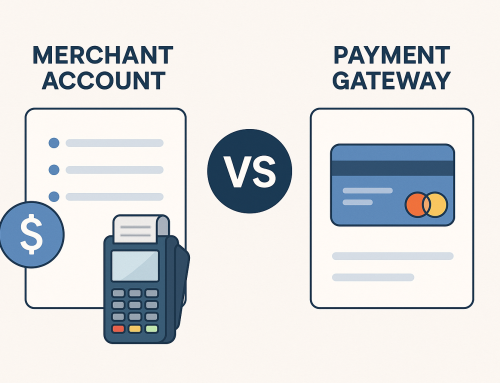
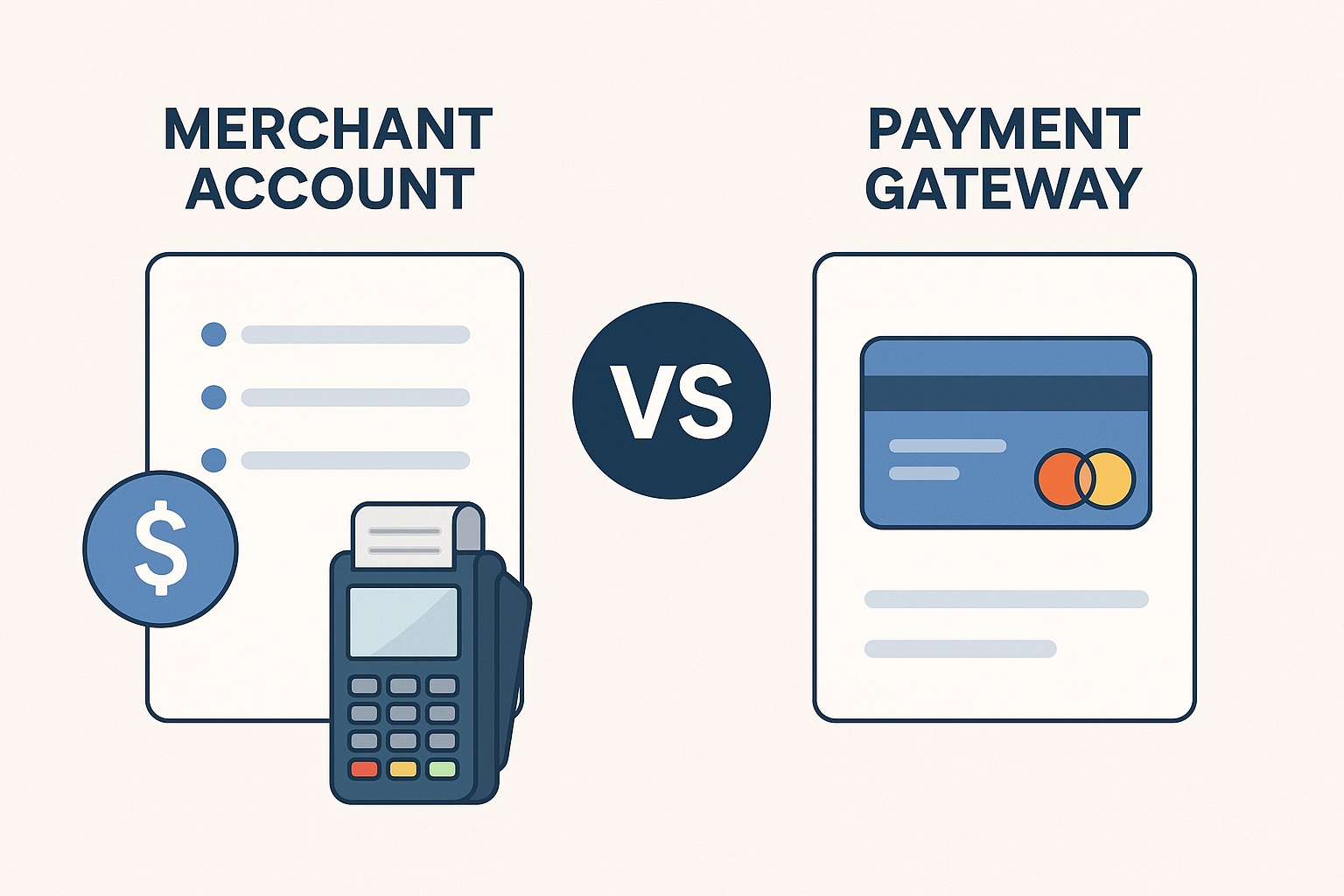
Credit card processing is the system that moves money from a customer’s card issuer to your business bank account. When a customer pays with a card, several parties are involved: the cardholder’s bank, the card network such as Visa or Mastercard, the payment processor, and sometimes the merchant account provider.
Each party may take a portion of the transaction, which is why processing is not a single flat fee in most cases. Instead, your total cost is usually made up of multiple charges bundled together.
What Fees Make Up Credit Card Processing Costs?
Most credit card processing fees fall into three main categories: interchange fees, assessment fees, and processor markup. In some cases, there may also be additional monthly or incidental fees.
Interchange Fees
Interchange fees are paid to the bank that issued the customer’s card. These fees vary based on factors like card type, transaction method, and industry. For example, rewards cards and premium cards usually cost more to process than standard debit cards.
Interchange fees are often the largest part of processing costs, and they are non-negotiable because the card networks set them.
Assessment Fees
Assessment fees are charged by the card networks, such as Visa, Mastercard, Discover, and American Express. These fees are typically much smaller than interchange fees, but they still contribute to your overall processing expense.
Like interchange fees, these are generally fixed by the network and cannot be avoided.
Processor Markup
This is the amount your payment processor adds on top of interchange and assessment fees. Processor markup is where pricing becomes competitive, because providers can choose how to structure their profit.
Markup may be charged as a percentage, a flat fee, or both. This is the part of your processing bill you can often negotiate or reduce by shopping around.
Other Possible Fees
Depending on your provider, you may also see monthly account fees, PCI compliance fees, chargeback fees, batch fees, statement fees, gateway fees, or early termination fees. These are not always included in the advertised rate, so it is important to read the contract carefully.
Average Credit Card Processing Rates
There is no single universal rate for every business, but most merchants can expect to pay somewhere in the following range:
- Swiped or tapped in person: around 1.5% to 2.5%
- Online payments: around 2.5% to 3.5%
- Keyed-in transactions: often higher because they are riskier
Small businesses with lower sales volume may pay more, while higher-volume merchants may qualify for better pricing. Businesses in higher-risk industries may also face elevated fees.
Common Pricing Models
How much credit card processing costs depends heavily on the pricing model your provider uses. The main models include interchange-plus, flat-rate, and tiered pricing.
Interchange-Plus Pricing
With interchange-plus pricing, you pay the actual interchange fee plus a fixed markup from the processor. This model is often considered one of the most transparent and cost-effective options, especially for established businesses.
For example, you might pay interchange plus 0.30% and $0.10 per transaction. This makes it easier to see exactly what the processor is charging.
Flat-Rate Pricing
Flat-rate pricing charges the same rate for every transaction, regardless of card type. A common example is 2.9% plus $0.30 per transaction for online sales.
This model is simple and predictable, which makes it popular with small businesses. However, it can be more expensive than interchange-plus for businesses processing a high volume of sales.
Tiered Pricing
Tiered pricing groups transactions into categories such as qualified, mid-qualified, and non-qualified. Each tier has a different rate, and not every card or transaction qualifies for the lowest tier.
This model can be harder to understand and may lead to less predictable costs. It is often less favorable than other pricing structures.
What Affects Credit Card Processing Costs?
Several factors influence how much you pay to process credit cards. Knowing these can help you estimate your costs more accurately.
Transaction Type
Card-present transactions, such as in-store taps and swipes, are usually cheaper than card-not-present transactions like online or phone payments. That is because in-person transactions are considered lower risk for fraud.
Card Type
Different cards come with different processing costs. Debit cards and basic credit cards often cost less, while rewards cards, corporate cards, and premium cards tend to cost more.
Business Risk Level
Some industries are considered higher risk because of chargebacks, fraud, or regulatory concerns. Businesses in travel, subscription services, adult entertainment, CBD, and some e-commerce categories may face higher fees.
Monthly Volume
Businesses that process more transactions may qualify for lower rates. Processors often offer better pricing to merchants with strong sales volume and consistent processing history.
Average Ticket Size
The average amount of each sale can affect total costs, especially if your processor charges a flat per-transaction fee. Small-ticket businesses may pay a higher effective rate because fixed fees take up a larger share of each sale.
How to Calculate Your Processing Cost
A simple way to estimate your cost is to multiply your monthly card sales by your average processing rate, then add any per-transaction fees and monthly account fees.
For example, if you process $20,000 per month at an effective rate of 2.7%, your base processing cost would be $540. If you also pay $0.10 per transaction on 500 transactions, that adds another $50. If there is a $20 monthly fee, your total estimated cost would be $610 for the month.
This calculation gives you a useful baseline, but actual statements may vary depending on card mix and pricing structure.
How to Lower Credit Card Processing Costs
Although you cannot eliminate processing fees entirely, you can reduce them in several ways.
Choose the Right Pricing Model
If your business processes a high volume of transactions, interchange-plus pricing may save you money compared to flat-rate pricing. Smaller businesses may prefer flat-rate simplicity, but it is still worth comparing options.
Negotiate with Providers
Some processor fees are negotiable, especially if you have steady volume or a strong business history. Ask about monthly fees, gateway fees, and markup rates before signing a contract.
Encourage Card-Present Payments
Whenever possible, use tap, chip, or swipe payments instead of keyed-in card numbers. Card-present transactions are usually cheaper and less risky.
Reduce Chargebacks and Fraud
Chargebacks can create extra fees and higher risk status. Clear billing descriptors, fast customer service, fraud prevention tools, and secure checkout systems can help reduce disputes.
Review Statements Regularly
Processing statements can be confusing, but reviewing them monthly helps you spot hidden fees, rate changes, or unnecessary charges. Regular audits can save money over time.
Is Cheap Credit Card Processing Always Better?
Not always. The lowest advertised rate does not necessarily mean the lowest total cost. Some providers advertise attractive percentages but add high monthly fees, hidden charges, or expensive equipment leases.
When comparing providers, look at the total cost of ownership, not just the headline rate. A slightly higher rate with transparent pricing and strong support may be a better deal than a low rate with surprise fees.
Conclusion
Credit card processing costs usually range from 1.5% to 3.5% per transaction, but the final amount depends on your pricing model, business type, transaction method, and provider. By understanding how interchange, assessment, and markup work together, you can make smarter decisions and avoid overpaying.
If you want to keep more of each sale, compare providers carefully, review your statements often, and choose a pricing model that fits your business. A little attention to processing fees can make a meaningful difference to your bottom line.