What Is a Merchant Service Provider?
A merchant service provider is a company that helps businesses accept and process customer payments. In simple terms, it acts as the bridge between your business, your customer’s bank, and the payment networks that move money securely. Whether a customer pays by credit card, debit card, digital wallet, or other electronic methods, the merchant service provider helps make the transaction possible.
For many businesses, especially those that sell online or process a high volume of card payments, a reliable merchant service provider is essential. It does more than just move money. It supports payment security, reduces transaction friction, and helps ensure you get paid quickly and accurately.
How Merchant Service Providers Work
When a customer makes a payment, several steps happen in just a few seconds. First, the payment information is captured by a payment terminal, online checkout form, or point-of-sale system. The merchant service provider then sends that information to the appropriate payment processor and card network for authorization. The customer’s bank checks whether funds are available and whether the transaction appears legitimate. If approved, the money is routed through the payment system and eventually deposited into your business bank account.
This process may sound simple, but it involves multiple layers of technology and compliance. Merchant service providers often offer the tools and infrastructure that keep these transactions smooth and secure. Some providers offer an all-in-one solution that includes payment gateways, card readers, fraud protection, and reporting tools. Others focus on specific services and integrate with third-party software.
Key Services a Merchant Service Provider Offers
Most merchant service providers offer more than basic payment processing. Their services often include a broad set of tools designed to support day-to-day operations and long-term growth.
Payment Processing
This is the core service. A merchant service provider handles the authorization, clearing, and settlement of card and digital payments. This includes in-person, online, and mobile payments.
Payment Gateway
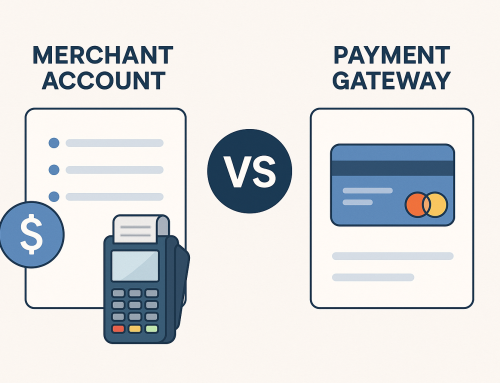
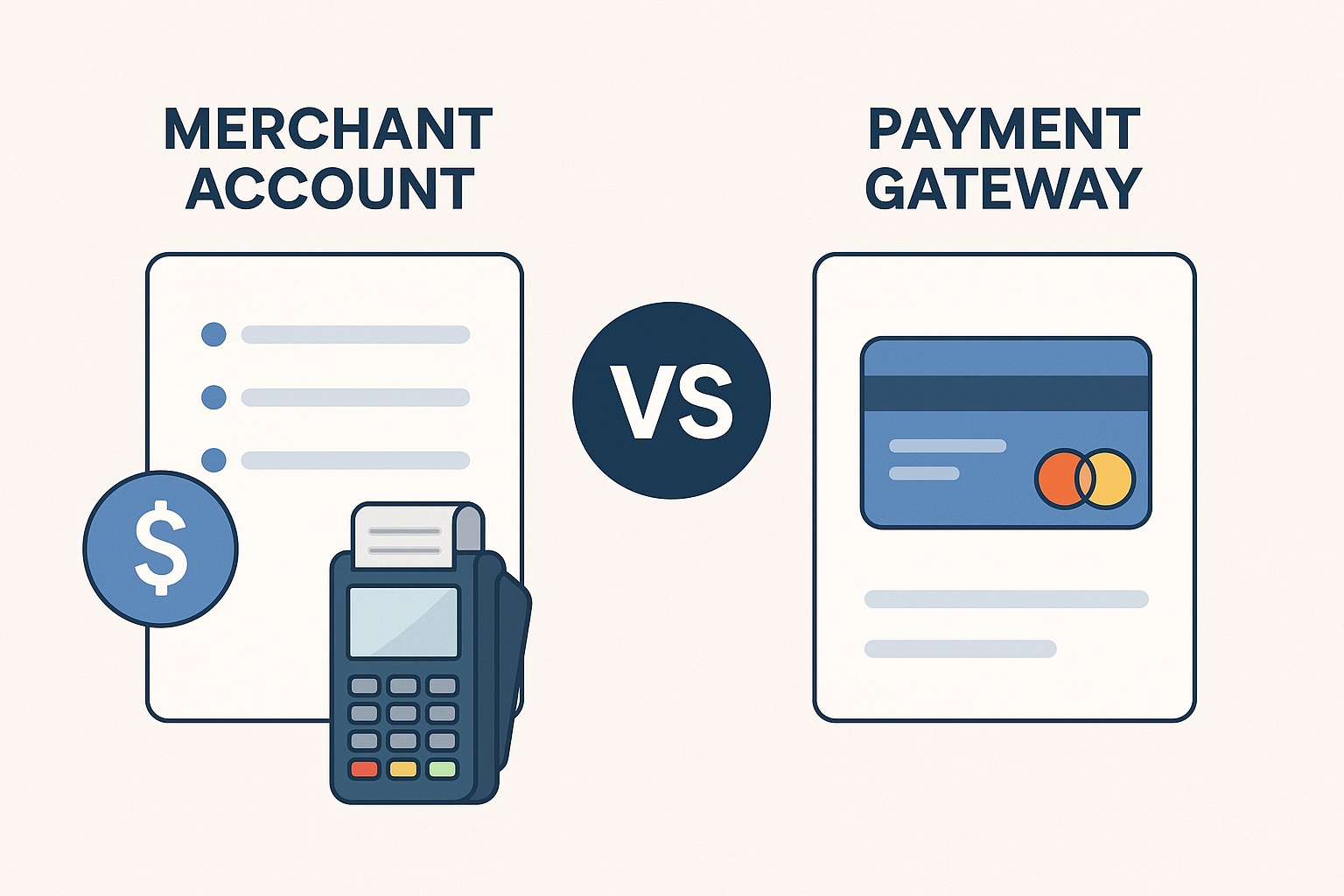
For online businesses, a secure payment gateway is essential. It acts as the digital entry point for payment information, encrypting card details and sending them for processing.
Point-of-Sale Support
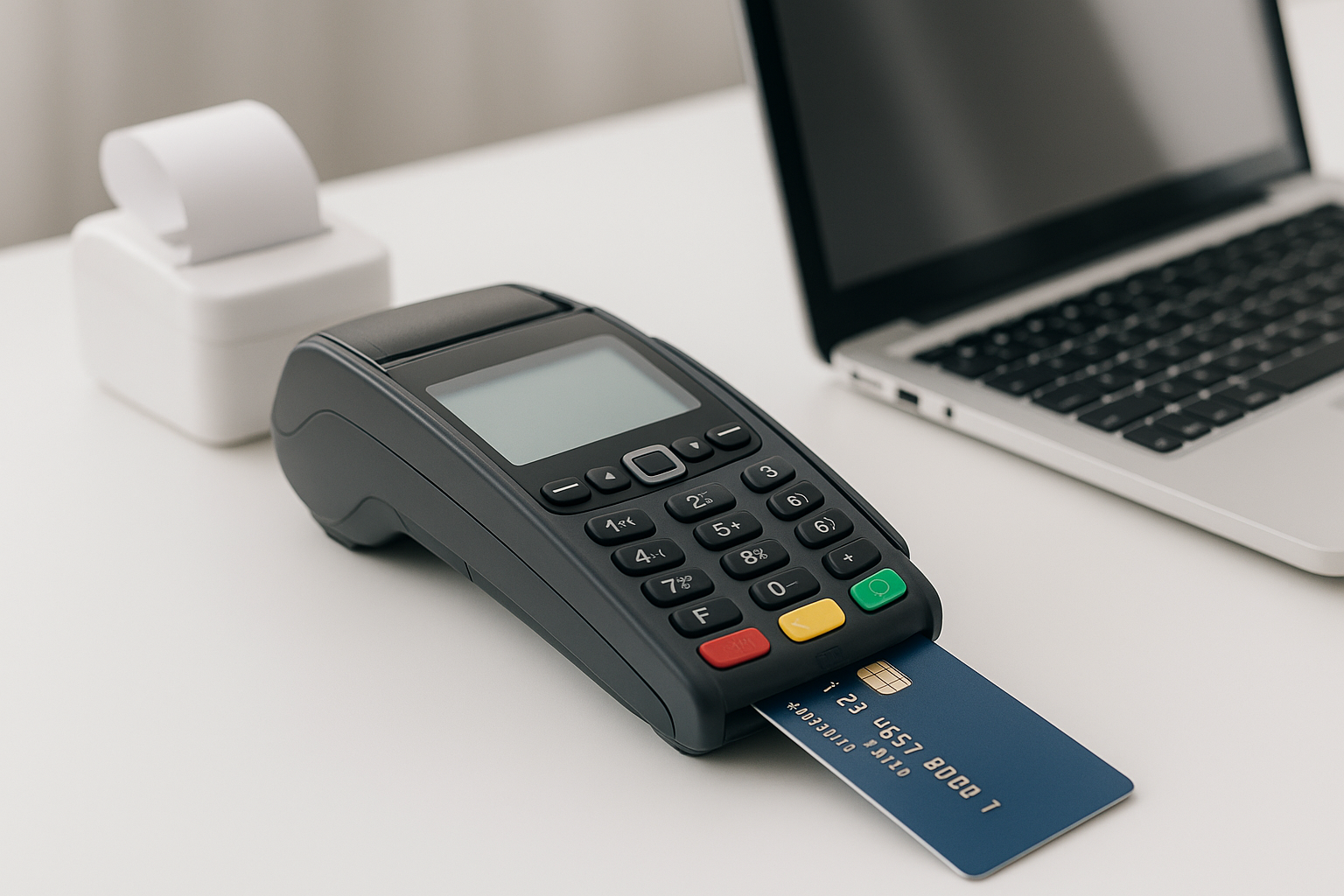
Retail and hospitality businesses often need POS hardware and software. Many merchant service providers supply terminals, card readers, and systems that integrate sales, inventory, and reporting.
Fraud Prevention and Security
Because payment data is sensitive, security features are crucial. Merchant service providers may offer encryption, tokenization, address verification, and fraud monitoring to reduce chargebacks and unauthorized transactions.
Reporting and Analytics
Good providers give businesses access to dashboards and reports showing sales trends, refund activity, chargebacks, and deposit timing. These insights can help improve cash flow and decision-making.
Chargeback Management
Chargebacks can be costly and time-consuming. A merchant service provider may help businesses track disputes, respond to claims, and reduce the likelihood of future chargebacks.
Why Businesses Need a Merchant Service Provider
Today’s customers expect convenient ways to pay. If your business cannot accept preferred payment methods, you may lose sales. A merchant service provider helps you meet customer expectations by enabling fast, secure, and flexible payment options.
Another major reason businesses need a merchant service provider is efficiency. Manual payment handling takes time and increases the risk of errors. Automated processing simplifies reconciliation, speeds up deposits, and reduces administrative work. This is especially valuable for businesses with multiple locations, ecommerce sales, or recurring billing.
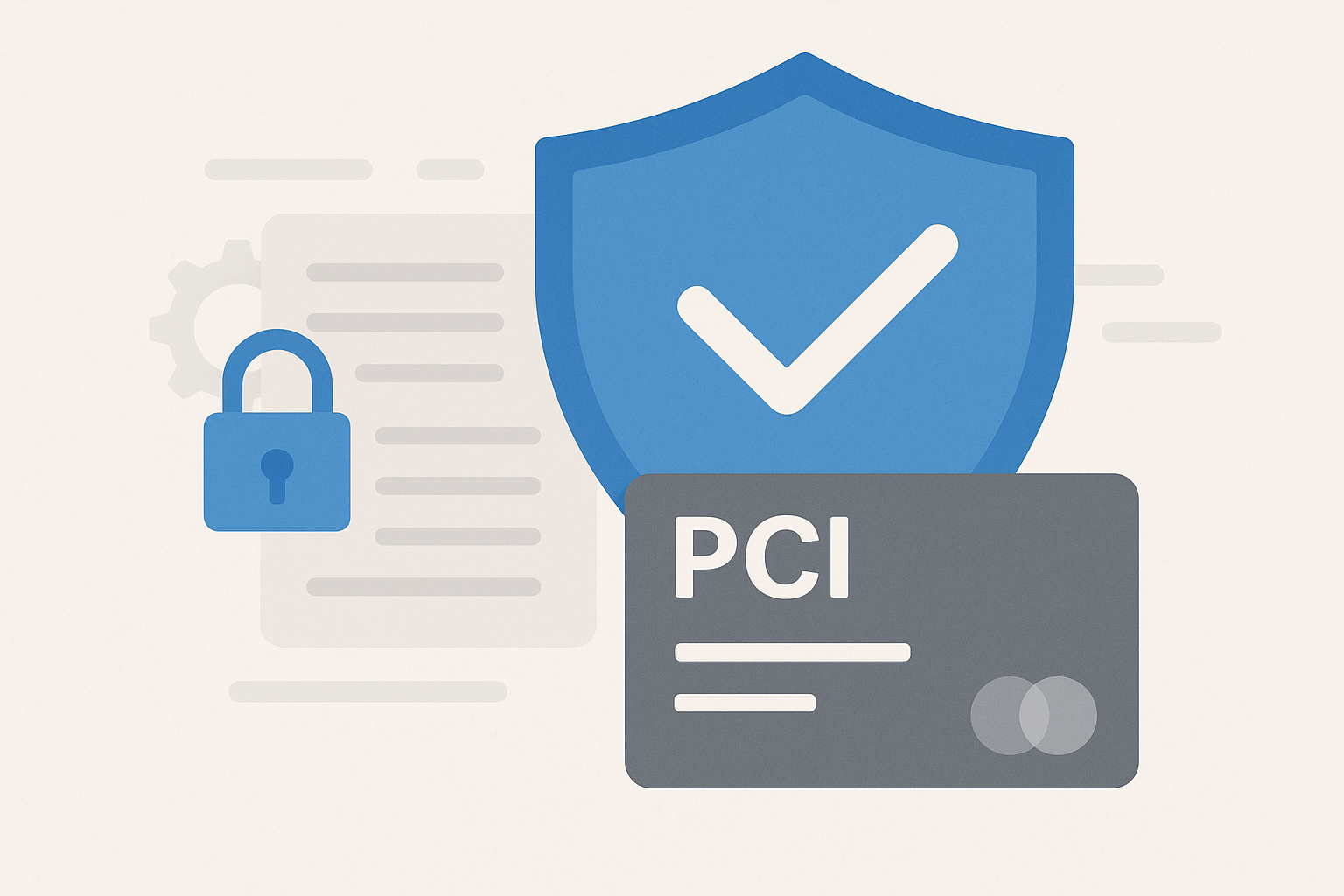
Security is also a major factor. Payment card data must be protected to reduce fraud and meet industry standards. Merchant service providers are typically built to support PCI compliance and other security requirements, which can be difficult for a business to manage alone.
Finally, a merchant service provider can help businesses scale. As sales grow, the right provider can offer additional payment methods, international processing, invoicing tools, and integrations with accounting or CRM platforms. That flexibility makes it easier to expand without overhauling your entire payment system.
What to Look for in a Merchant Service Provider
Not all merchant service providers are the same. Choosing the right one can have a major impact on profitability, customer satisfaction, and operational efficiency. Here are some important factors to consider.
Transparent Pricing
Look for clear information about fees, including transaction fees, monthly charges, setup costs, chargeback fees, and equipment costs. Hidden fees can quickly eat into profit margins.
Payment Method Support
Your provider should support the payment types your customers prefer, such as credit and debit cards, mobile wallets, ACH, and recurring billing if needed.
Security Features
Choose a provider that prioritizes data protection and fraud prevention. Ask about encryption, tokenization, PCI compliance tools, and dispute management support.
Integration Options
The best merchant service provider will work well with your existing systems, including ecommerce platforms, accounting software, POS systems, and inventory tools.
Customer Support
Payment issues can affect sales immediately, so responsive support matters. Make sure the provider offers reliable customer service when you need help.
Scalability
If you plan to grow, choose a provider that can grow with you. This may include support for multiple locations, higher processing volumes, and additional business tools.
Merchant Service Provider vs. Payment Processor
These terms are often used interchangeably, but they are not always the same. A payment processor is typically the company responsible for transmitting transaction data and authorizing payments. A merchant service provider may offer processing services, but it often includes a broader package of tools, support, and account management.
In other words, a payment processor handles the transaction itself, while a merchant service provider may manage the overall payment relationship and provide the infrastructure around it. Depending on the provider, these services may be bundled together or offered separately.
Common Types of Businesses That Use Merchant Service Providers
Almost any business that accepts card payments can benefit from a merchant service provider. Retail stores use them at the register. Restaurants rely on them for tableside and takeaway payments. Ecommerce businesses need them to securely process online orders. Service-based businesses use them for invoicing and recurring payments. Even nonprofits and professional practices often depend on merchant services to collect donations or fees efficiently.
The right provider depends on the industry, business size, and payment volume. For example, a small local shop may prioritize affordable card readers and simple pricing, while a growing online brand may need robust fraud protection and subscription billing tools.
How to Choose the Right Merchant Service Provider
Start by identifying your payment needs. Consider where and how you sell, which payment methods you want to accept, and what software you already use. Then compare providers based on pricing, features, contract terms, and support quality.
It is also smart to read reviews and ask for a demo before committing. A merchant service provider should make payments easier, not more complicated. If the setup is confusing or the contract is restrictive, it may not be the right fit.
For growing businesses, it can help to choose a provider that offers flexibility. That way, as your needs change, you will not have to switch systems or retrain staff from scratch.
Conclusion
A merchant service provider plays a vital role in helping businesses accept payments securely and efficiently. From processing transactions to preventing fraud and supporting growth, the right provider can simplify operations and improve the customer experience. By comparing features, pricing, and support carefully, you can find a solution that fits your business today and scales with you tomorrow.