Digital Wallet Payments: An Overview
Digital wallet payments have quickly become one of the most convenient ways to pay in stores, online, and within apps. Instead of reaching for a physical card or cash, customers can store payment information on a smartphone, smartwatch, or other connected device and complete a transaction with just a tap, scan, or click. For businesses and consumers alike, this shift is changing the way payments are made every day.
At its core, a digital wallet is a secure application that holds payment credentials and other useful information such as loyalty cards, transit passes, tickets, or identification. Popular examples include Apple Pay, Google Wallet, Samsung Wallet, PayPal, and many bank-issued wallet apps. These tools are designed to make payments faster, safer, and more seamless than traditional methods.
How Digital Wallet Payments Work
Digital wallet payments may feel simple on the surface, but a lot happens behind the scenes to keep each transaction secure and efficient. Understanding the basic process can help both consumers and businesses use them more confidently.
Storing Payment Information Securely
To use a digital wallet, a user first adds a debit card, credit card, or bank account to the app. The wallet does not usually store the actual card number in a way that can be easily accessed. Instead, it uses a process called tokenization, which replaces sensitive card details with a unique digital token. If the token is intercepted, it is much less useful to fraudsters because it cannot simply be reused like a real card number.
Making a Purchase
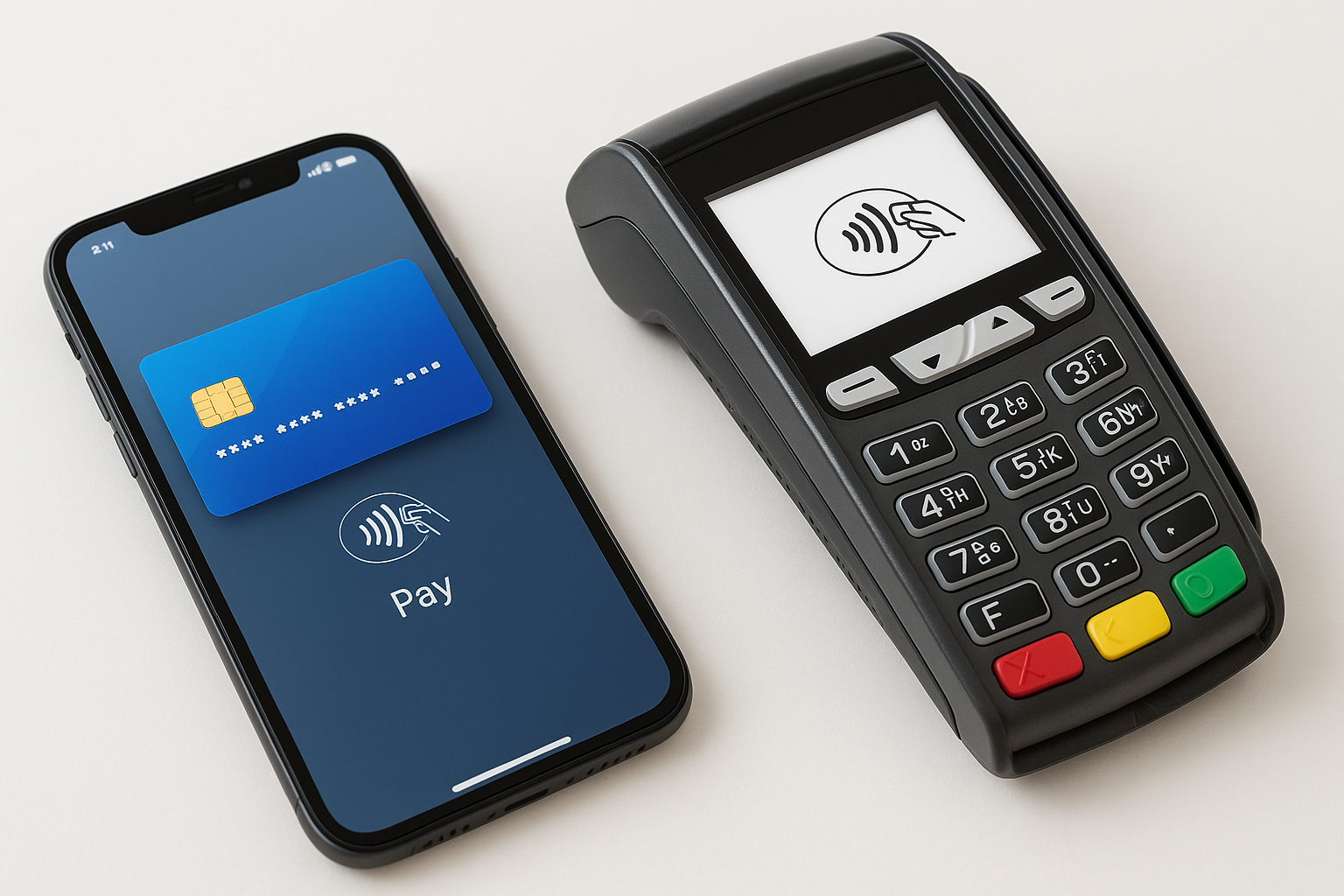
When a customer pays with a digital wallet, the device communicates with the merchant’s payment terminal or online checkout system. In a physical store, this often happens through NFC, or near-field communication, which allows a contactless tap payment. For online purchases, the wallet can autofill payment details and complete checkout with a password, fingerprint, or face recognition.
The wallet then sends the tokenized payment details through the payment network. The bank or card issuer verifies the transaction and approves or declines it, just as it would with a traditional card payment. The difference is that the process is often faster and more secure for the user.
Why Authentication Matters
Most digital wallets require authentication before a payment can be completed. This may include a PIN, biometric verification, or device passcode. That extra layer of security helps prevent unauthorized use if the device is lost or stolen. In many cases, it can provide better protection than a signature or magnetic stripe card.
Key Benefits of Digital Wallet Payments
Digital wallet payments offer advantages that appeal to both customers and businesses. Their growing popularity is not just about convenience; it is also about speed, security, and improved user experience.
Convenience and Speed
One of the biggest benefits is convenience. Customers no longer need to dig through a wallet for the right card or enter long card numbers during checkout. A quick tap or click can complete the payment in seconds. This makes digital wallets especially useful for busy shoppers, commuters, and anyone who values a frictionless experience.
Enhanced Security
Digital wallets are often considered safer than traditional card payments because they use tokenization and authentication features. The actual card number is not exposed in the same way it might be during a swipe or manual entry. Biometric login, device encryption, and one-time transaction codes add additional layers of protection.
Better Checkout Experience
For online merchants, digital wallets can reduce cart abandonment by shortening the checkout process. Customers are less likely to abandon a purchase when payment is easy and fast. In physical stores, contactless payments can also help reduce lines and improve transaction flow during busy periods.
Integration with Loyalty and Rewards
Many digital wallets can store loyalty cards, coupons, gift cards, and membership details alongside payment information. This helps users keep everything in one place and can encourage repeat purchases. For merchants, it creates more opportunities to connect with customers through rewards and personalized offers.
Types of Digital Wallet Payments
Digital wallet payments are not limited to one device or one use case. They come in several forms, each designed for different preferences and business needs.
Mobile Wallets
Mobile wallets are the most common type. They live on smartphones and let users pay in person, in apps, or online. Apple Pay, Google Wallet, and Samsung Wallet are among the most widely recognized examples. These wallets are popular because almost everyone carries a phone.
Desktop and Web Wallets
Some digital wallets are designed for use on desktop or web platforms. These are common for online shopping and subscription payments. PayPal is one of the best-known examples, allowing users to check out without repeatedly entering card details.
Wearable Device Wallets
Smartwatches and fitness bands can also act as digital wallets. This option is convenient for people who want to pay without carrying a phone or physical wallet. A simple wrist tap at the point of sale can be enough to complete a purchase.
Security and Privacy Considerations
While digital wallet payments are designed with security in mind, users and businesses should still understand the privacy and safety factors involved. A secure system is only effective when it is used wisely.
Consumers should protect their devices with strong passwords, enable biometric authentication when possible, and avoid using unsecured public Wi-Fi for sensitive transactions. It is also important to keep mobile operating systems and wallet apps updated, since updates often include important security fixes.
Businesses should choose trusted payment processors, maintain compliance with relevant security standards, and ensure that their checkout systems support encrypted transactions. Clear communication about privacy practices can also help build customer trust.
Challenges and Limitations
Despite their many advantages, digital wallet payments are not perfect. One challenge is that not every merchant or region supports them equally. Some customers may still rely on cash or cards because their devices are not compatible or because they are uncomfortable using mobile payments.
Technical issues can also create friction. A dead battery, poor internet connection, or outdated terminal can interrupt a transaction. Businesses need to provide alternative payment options so customers can complete purchases without frustration.
There are also adoption barriers for older consumers or those who are less comfortable with technology. Education and user-friendly design can help reduce these barriers over time.
The Future of Digital Wallet Payments
Digital wallet payments are likely to become even more important as commerce continues to shift toward contactless and mobile-first experiences. More consumers are becoming comfortable with digital payments, and more merchants are updating their systems to support them.
Future developments may include deeper integration with digital identity, expanded use in public transit and government services, and smarter personalization based on user behavior. As financial technology evolves, digital wallets may become the primary way many people manage everyday transactions.
Conclusion
Digital wallet payments are transforming the way people pay by making transactions faster, safer, and more convenient. From tokenization and biometric security to seamless online checkout and loyalty integration, they offer clear benefits for both consumers and businesses. As adoption continues to grow, digital wallets are set to play an even bigger role in the future of payments.