What Are Digital Wallet Payments?
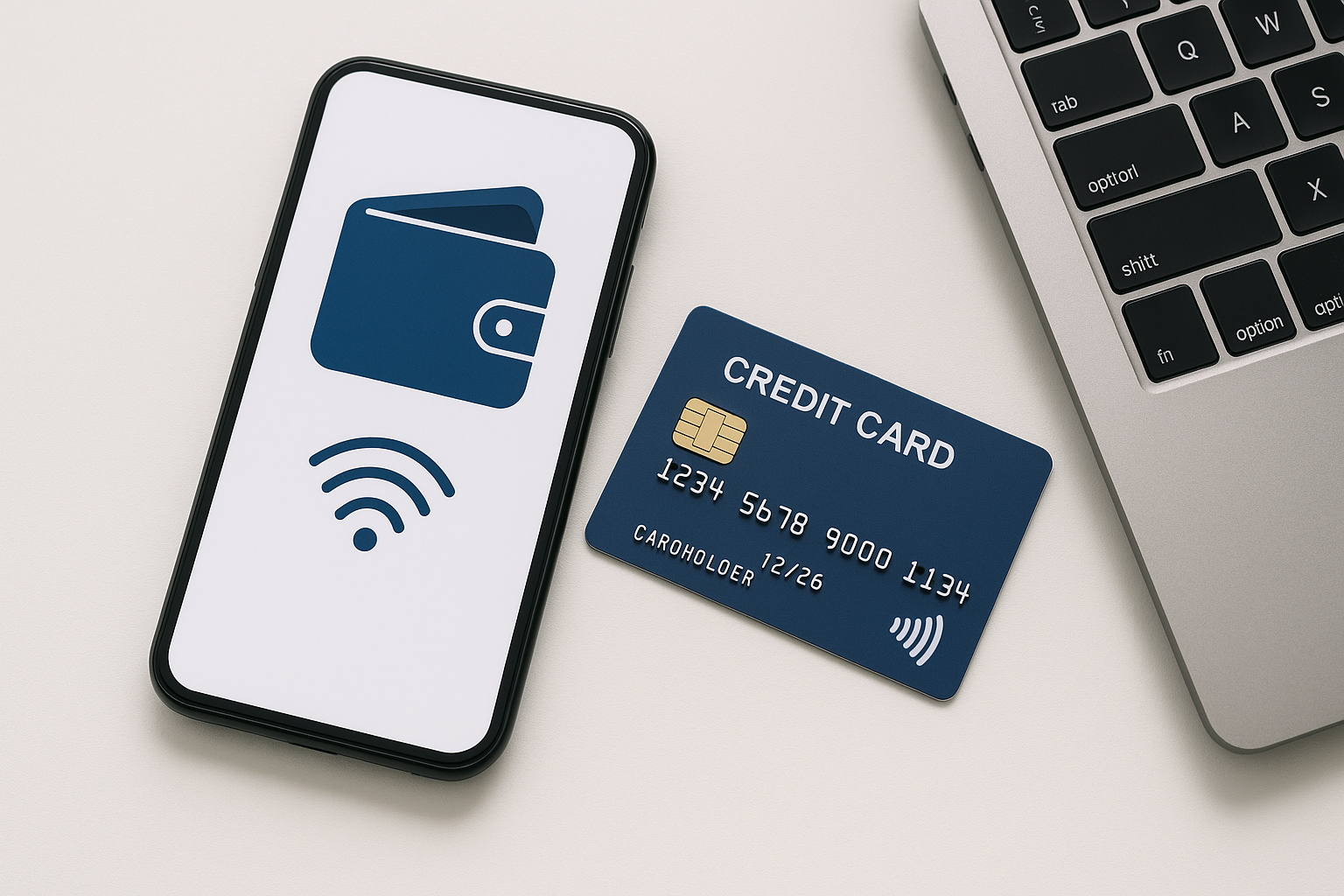
Digital wallet payments are a way to store payment information on a phone, tablet, smartwatch, or other connected device and use it to pay without handing over a physical card. Instead of swiping a card or entering details each time, users can complete a transaction by tapping, scanning, or clicking through a wallet app or wallet-enabled checkout.
At a basic level, a digital wallet is a secure container for payment cards, bank accounts, loyalty cards, tickets, and sometimes identification documents. Popular examples include Apple Pay, Google Wallet, Samsung Wallet, PayPal, and other app-based wallets that let people pay in stores, in apps, and online.
Digital wallet payments have become a major part of modern commerce because they are fast, convenient, and widely supported. For consumers, they reduce friction at checkout. For businesses, they can improve conversion rates, support contactless shopping, and fit naturally into mobile-first buying habits.
How Digital Wallet Payments Work
Digital wallet payments may feel simple to the user, but several steps happen behind the scenes to keep the process smooth and secure.
Tokenization
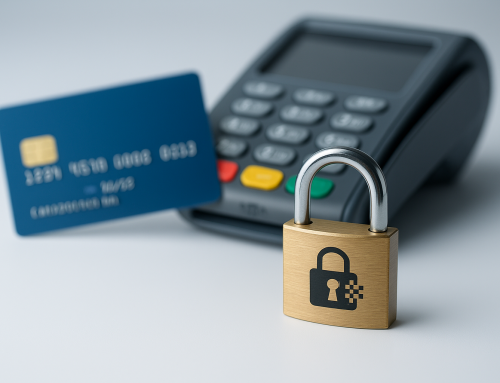
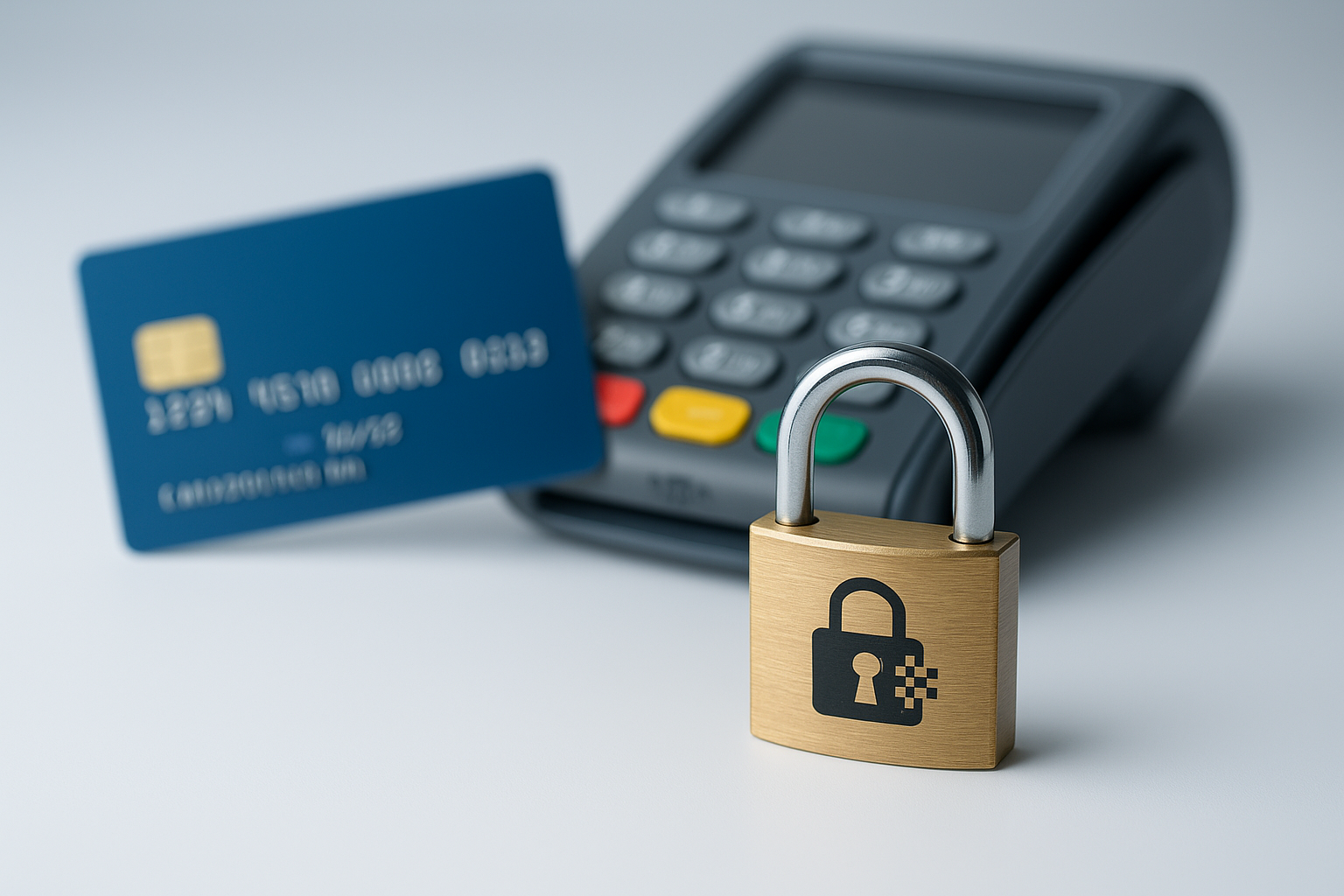
One of the most important security features is tokenization. When a card is added to a wallet, the wallet does not usually store the actual card number in a way that is exposed during a payment. Instead, it uses a token, which is a substitute value that represents the card information. If that token is intercepted, it is far less useful than a real card number.
Authentication
Before a wallet can make a payment, the user typically needs to authenticate the transaction. This may involve Face ID, fingerprint recognition, a PIN, or device passcode. Authentication helps ensure that only the authorized user can approve the purchase.
NFC, QR Codes, and In-App Payments
Different wallets use different payment methods. Many in-store payments rely on near-field communication, or NFC, which allows the phone or watch to communicate with the payment terminal when held close to it. Other wallets use QR codes, where the user scans a code to pay or the merchant scans a code on the customer’s device. In apps and on websites, wallets can also complete payments with a tap or click, reducing the need to enter card details manually.
Merchant Processing
Once the wallet payment is authorized, the payment flows through the merchant’s processor, card network, and issuing bank, much like a normal card transaction. The difference is that the wallet adds layers of convenience and security on top of the traditional payment system.
Benefits of Digital Wallet Payments
Digital wallet payments offer practical advantages for both shoppers and businesses.
Convenience and Speed
The biggest benefit is convenience. Users no longer need to dig through a physical wallet, enter card numbers, or carry cash. A quick tap or scan can complete a purchase in seconds, which is especially helpful in busy stores, transit systems, or mobile checkout flows.
Improved Security
Wallet payments can be more secure than using a physical card in some situations because card numbers are not always shared directly with merchants. Combined with biometric authentication and device-level security, digital wallets can reduce the risk of stolen card details being misused.
Better Customer Experience
For online businesses, offering wallet payments can simplify checkout and reduce cart abandonment. Customers often prefer payment methods that save time and eliminate form-filling. A smooth checkout experience can increase sales and leave a positive impression.
Loyalty and Organization
Many wallets can store rewards cards, boarding passes, event tickets, coupons, and transit passes. This helps users keep everything in one place and makes it easier to access important items when needed.
Contactless and Hygienic
Contactless payments became especially popular because they reduce the need to touch shared surfaces or hand over cards. Even beyond health concerns, many people simply like the clean, modern feel of contactless checkout.
Common Use Cases for Digital Wallet Payments
Digital wallet payments are now used in many everyday situations.
Retail Stores
Shoppers can pay at point-of-sale terminals using a phone or smartwatch. This is common in grocery stores, pharmacies, coffee shops, and large retail chains.
E-Commerce
Online stores often support wallet payments so customers can buy products without typing billing and shipping details every time. This is especially useful on mobile devices, where typing can be slow and inconvenient.
Peer-to-Peer Transfers
Some digital wallets allow users to send money to friends or family instantly. These transfers are popular for splitting bills, repaying expenses, or sending small amounts quickly.
Subscriptions and App Purchases
Wallets can also be used to pay for streaming services, digital products, ride-hailing apps, delivery services, and other recurring or in-app purchases.
Travel and Transit
Many travelers use wallets for airline boarding passes, hotel check-ins, train tickets, and public transportation. The ability to keep everything on one device makes travel more efficient.
Security and Privacy Considerations
Although digital wallet payments are generally secure, users and businesses should still understand the risks and best practices.
Device Protection Matters
If a phone or wearable device is lost or stolen, the wallet could become a target if the device is not properly protected. Strong passcodes, biometrics, and remote wipe features are essential.
Watch for Phishing and Fake Apps
Users should download wallet apps only from trusted sources and avoid entering payment information into suspicious websites or messages. Fraudsters often try to imitate legitimate services to capture credentials.
Understand Data Sharing
Wallets may still share some transaction data with merchants, payment processors, and banks. While tokenization improves privacy, users should review app permissions and privacy settings where available.
Use Trusted Networks and Updated Software
Keeping devices updated and avoiding public Wi-Fi for sensitive transactions whenever possible can reduce risk. Security patches often fix vulnerabilities that criminals might exploit.
How Businesses Can Accept Digital Wallet Payments
For businesses, accepting digital wallet payments is often easier than it seems, especially with modern payment platforms and terminals.
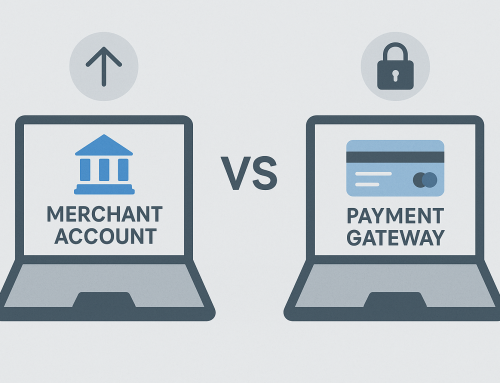
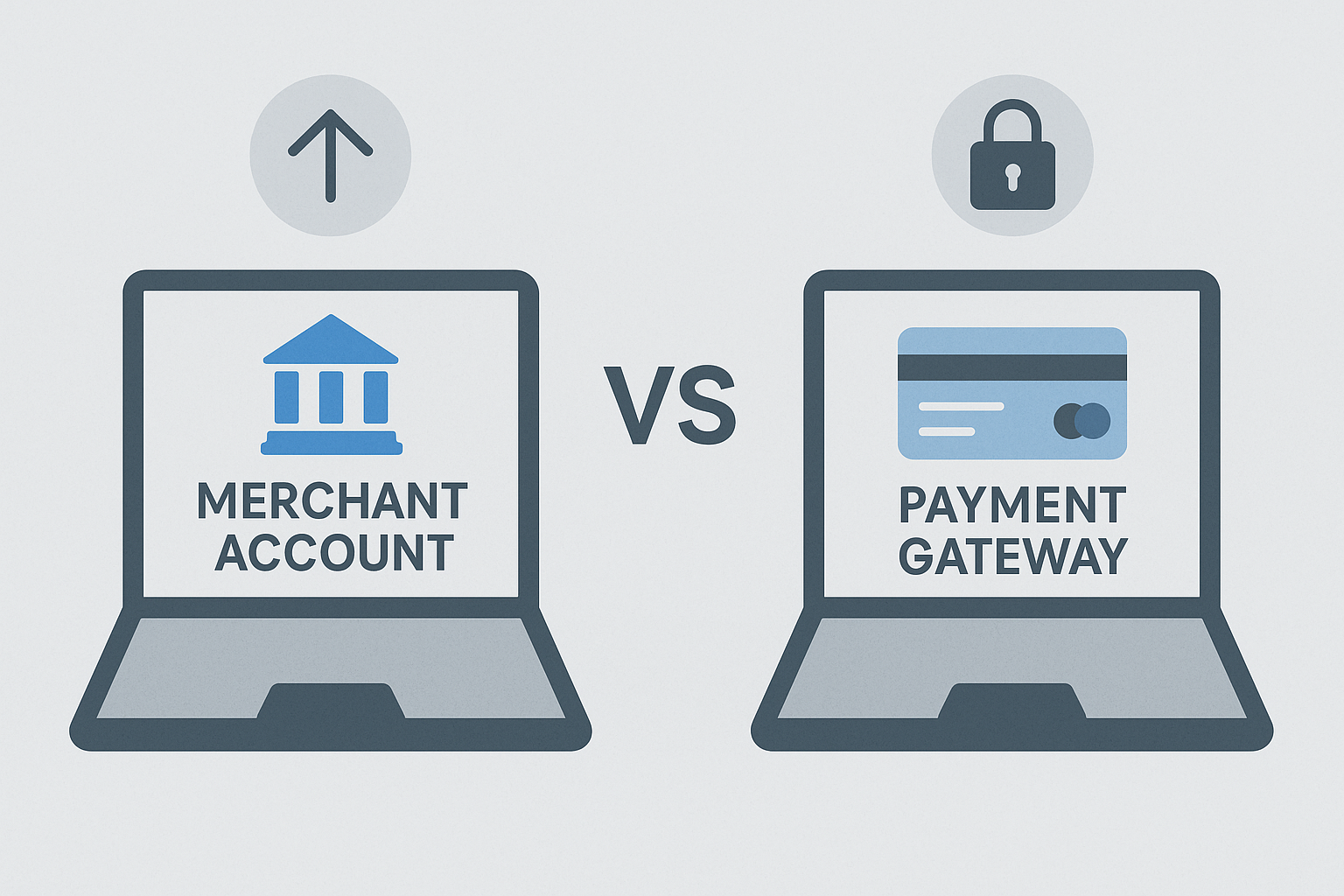
Check Payment Gateway and POS Support
Many payment providers already support wallets such as Apple Pay and Google Wallet. Merchants should confirm that their point-of-sale system or e-commerce gateway is enabled for wallet acceptance.
Optimize the Checkout Flow
Wallet payments are most effective when checkout is fast and intuitive. Businesses should minimize unnecessary fields, ensure mobile compatibility, and make wallet buttons easy to find.
Train Staff
In physical stores, staff should know how to guide customers through contactless payment options and troubleshoot basic terminal issues.
Promote the Option
Many customers will use a digital wallet only if they know it is available. Clear signage, checkout prompts, and website badges can encourage adoption and improve transaction speed.
The Future of Digital Wallet Payments
Digital wallet payments are likely to become even more important as consumers continue moving toward mobile-first and contactless commerce. We are already seeing wallets expand beyond payments into identity verification, transit access, health cards, loyalty programs, and even digital keys.
As technology evolves, wallets may become the default way people interact with many services. The combination of speed, security, and convenience is difficult to beat. For businesses, this means continued pressure to support flexible payment options. For consumers, it means a future with fewer physical cards and a more streamlined payment experience.
Conclusion
Digital wallet payments make everyday transactions faster, easier, and often more secure. Whether you are shopping in person, buying online, or sending money to someone else, wallets offer a simple and modern alternative to traditional payment methods. As adoption grows, understanding how they work and how to use them safely will help both consumers and businesses make the most of this convenient technology.