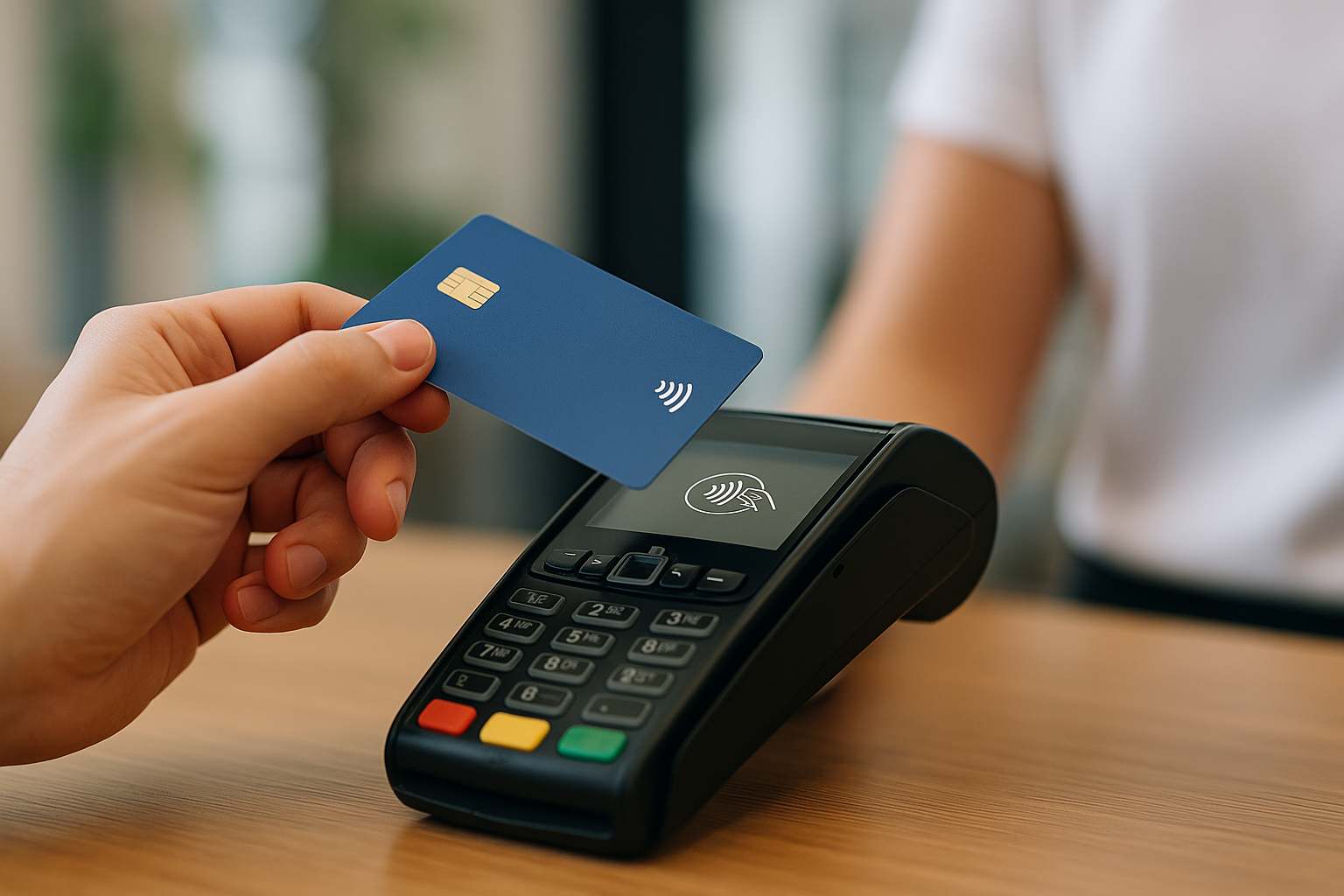
Contactless Payments: A Faster, Smarter Way to Pay
Contactless payments have become one of the most convenient ways to complete a purchase. Whether you tap a card, wave a phone, or use a smartwatch, the process is designed to be quick, secure, and simple. As more businesses adopt modern payment terminals, contactless technology is moving from a nice-to-have feature to an everyday expectation.
In this post, we’ll explore what contactless payments are, how they work, their main benefits, security considerations, common uses, and where the technology is headed next.
What Are Contactless Payments?
Contactless payments are transactions completed without inserting a card into a terminal or handing over cash. Instead, customers simply tap or hold a payment method near a compatible reader. These payments often use technologies such as Near Field Communication (NFC) or radio frequency identification (RFID) to transmit payment information securely over a very short distance.
Common contactless payment methods include:
- Tap-to-pay debit and credit cards
- Mobile wallets such as Apple Pay, Google Pay, and Samsung Pay
- Smartwatches and other wearable devices
- Transit cards and access badges in some systems
The goal is simple: make paying faster and easier without sacrificing security.
How Contactless Payments Work
The Technology Behind the Tap
Most contactless payments rely on NFC, which allows two devices to exchange information when they are very close together. When a customer taps a card or phone at a terminal, the payment device and reader communicate, and the transaction details are sent to the payment processor for approval.
This process is fast because it skips the physical insertion of a card and reduces the time required to read chip data. In many cases, a transaction is completed in just a few seconds.
Tokenization and Security
One of the most important features of mobile contactless payments is tokenization. Instead of sending your actual card number, the system generates a unique token, or substitute number, for the transaction. This helps protect sensitive payment details if data is intercepted.
Many contactless transactions also require biometric authentication, a passcode, or device unlock verification, especially on mobile wallets. That adds another layer of protection beyond the tap itself.
Benefits of Contactless Payments
Speed and Convenience
The biggest advantage of contactless payments is speed. Customers can complete a purchase in seconds, which is especially useful in busy environments like coffee shops, grocery stores, and public transit systems. Faster transactions can also reduce wait times and improve customer satisfaction.
Improved Hygiene
Because contactless payments reduce the need to touch shared surfaces like PIN pads or cash, they are often seen as a cleaner payment option. This has been one reason for widespread adoption in retail, food service, and healthcare settings.
Better Customer Experience
Modern shoppers value convenience. Offering tap-to-pay options signals that a business is keeping up with customer expectations. For merchants, that can mean smoother checkout flows, fewer abandoned purchases, and a more polished brand experience.
Potentially Lower Operational Friction
Contactless payments can reduce delays caused by cash handling, change-making, or card insertion issues. For businesses with high transaction volume, even small time savings can add up to meaningful efficiency gains over the course of a day.
Are Contactless Payments Secure?
Security is a common concern, but contactless payments are generally designed with strong safeguards. In many cases, they can be as secure as, or even more secure than, traditional card payments.
Here’s why:
- Transactions occur over a very short range, making unauthorized interception difficult.
- Card data is often encrypted during transmission.
- Tokenization hides the actual card number in mobile wallet transactions.
- Device authentication adds protection before the payment is approved.
That said, no payment method is completely risk-free. Customers should protect their devices with passwords, biometrics, and screen locks, while businesses should use secure, PCI-compliant payment systems and keep terminals updated.
Where Contactless Payments Are Used
Contactless payments are becoming common across many industries and environments. Some of the most frequent use cases include:
- Retail: Grocery stores, clothing stores, and convenience shops
- Food and beverage: Restaurants, cafés, food trucks, and quick-service counters
- Public transportation: Buses, trains, subways, and toll systems
- Healthcare: Clinics and pharmacies
- Entertainment: Stadiums, theaters, museums, and event venues
The versatility of contactless technology is one reason it has grown so quickly. It works well in both high-speed checkout environments and places where convenience matters most.
What Businesses Need to Offer Contactless Payments
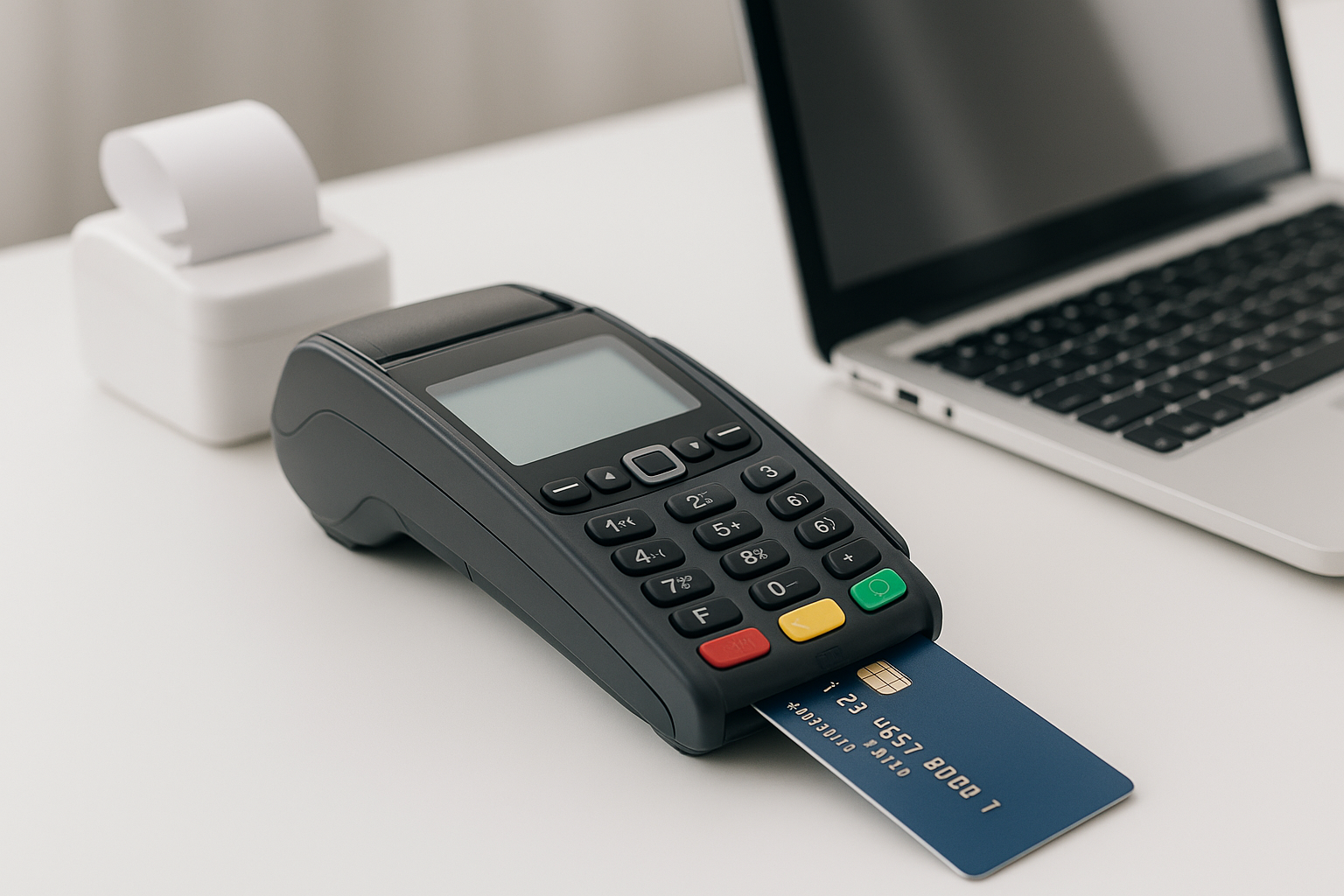
For merchants, accepting contactless payments usually requires compatible point-of-sale hardware and payment processing software. Many modern card readers are already enabled for tap-to-pay, and software updates may be enough to activate the feature in some systems.
Businesses should also consider the following:
- Ensure payment terminals support NFC or other contactless standards
- Train staff to recognize and assist with tap-to-pay transactions
- Post clear signage so customers know contactless payment is accepted
- Keep systems updated to support the latest security features
Adopting contactless payments is not only a technical upgrade; it is also a customer service improvement that can help businesses stay competitive.
Challenges and Limitations
Although contactless payments are widely praised, they are not perfect for every situation. Some customers still prefer cash or traditional cards, especially in areas with limited digital infrastructure. In addition, not every payment terminal supports contactless transactions, and some cards or devices may have lower transaction limits that require a PIN after a certain amount.
There can also be accessibility concerns. Businesses should make sure payment options remain inclusive and that staff are prepared to help customers who may not use mobile wallets or tap-enabled cards.
The Future of Contactless Payments
Contactless payments are likely to keep expanding as consumers become more comfortable with digital transactions and merchants continue upgrading their payment systems. In the future, we may see even broader adoption of mobile wallets, wearable payments, biometric verification, and embedded payment experiences across apps and connected devices.
As commerce becomes more digital, the ability to pay quickly and securely with a tap will likely remain a key part of the customer experience. Businesses that embrace this shift now may be better positioned to meet rising expectations later.
Conclusion
Contactless payments have changed the way people buy and sell by making transactions faster, more convenient, and highly secure. From retail stores to transit systems, the tap-to-pay experience is now a familiar part of daily life. As the technology continues to grow, it will likely play an even bigger role in shaping the future of payments.