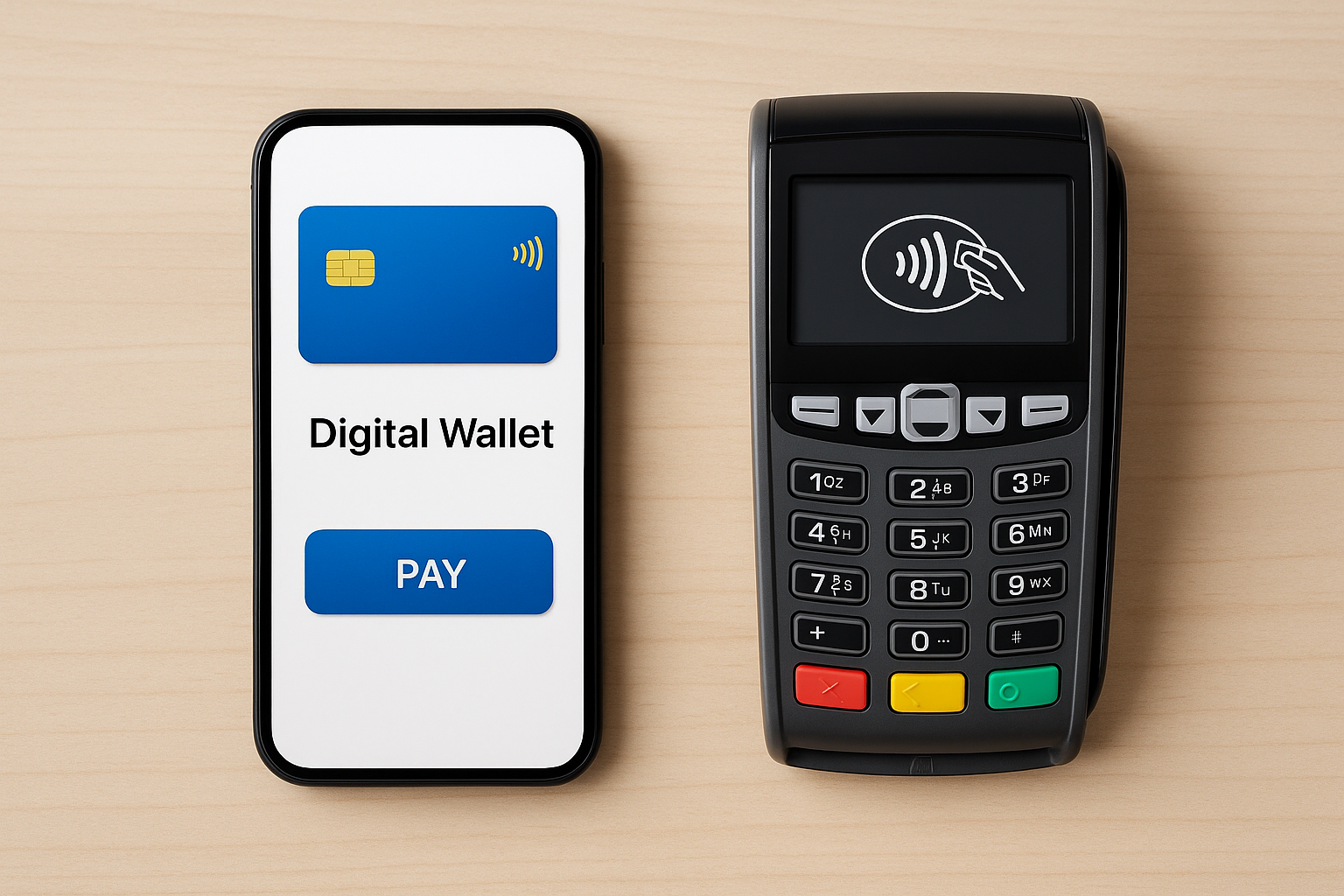
What Are Digital Wallet Payments?
Digital wallet payments let people store payment details on a smartphone, tablet, smartwatch, or computer and use them to pay quickly and securely. Instead of carrying cash or pulling out a physical card, users can complete a purchase with a tap, scan, or online confirmation.
Common examples include mobile wallets like Apple Pay, Google Pay, and Samsung Wallet, as well as digital payment apps that support peer-to-peer transfers and online checkouts. These tools are becoming increasingly popular because they make payments faster, simpler, and more convenient in everyday life.
How Digital Wallet Payments Work
At a basic level, a digital wallet stores payment information such as debit card, credit card, or bank account details in an encrypted form. When a user makes a payment, the wallet communicates with the merchant’s payment terminal or checkout system to process the transaction.
For in-store purchases, many digital wallets use near-field communication (NFC), which allows a device to send payment data when it is held close to a contactless terminal. For online purchases, users may log into a wallet or choose a wallet option at checkout, then confirm the payment with a password, fingerprint, face scan, or device passcode.
One of the most important features of digital wallets is tokenization. Instead of transmitting the actual card number, the wallet often uses a unique digital token. This adds a layer of protection and helps reduce the risk of fraud.
Types of Digital Wallets
Closed Wallets
Closed wallets are created by a specific company and can typically be used only for purchases within that company’s ecosystem. They are often used by retailers, ride-sharing services, or food delivery platforms.
Open Wallets
Open wallets are linked to banks or major payment networks and can be used at many different merchants. These are the most flexible and are widely accepted for both in-store and online payments.
Semi-Closed Wallets
Semi-closed wallets can be used at a selected group of merchants that have agreements with the wallet provider. They offer more flexibility than closed wallets but are not as universally accepted as open wallets.
Cryptocurrency Wallets
Although different from traditional digital wallets, cryptocurrency wallets are also used to store digital value. They allow users to send, receive, and manage cryptocurrencies, though their acceptance for everyday purchases is still limited compared with mainstream wallet apps.
Benefits of Digital Wallet Payments
Convenience and Speed
Digital wallet payments are fast. A user can pay in seconds without searching for cash, entering card details, or signing a receipt. This speed is especially useful for busy checkout lines and mobile shopping.
Better Security
Because digital wallets often use encryption, authentication, and tokenization, they can offer stronger security than carrying a physical card alone. Many wallets also require a fingerprint, face scan, or passcode before a payment is approved.
Easy Organization
Digital wallets can store multiple payment methods in one place, making it easier to manage cards, loyalty programs, boarding passes, tickets, and even coupons. This reduces clutter and keeps important information accessible on one device.
Contactless and Hygienic
Touch-free payments became especially popular because they reduce physical contact at checkout. For many customers and businesses, contactless payment is now preferred for both convenience and peace of mind.
Useful for Online and In-Store Shopping
Digital wallets work across many payment scenarios. They are useful for ecommerce, subscription services, app purchases, peer-to-peer transfers, transit systems, and retail stores that accept contactless payments.
Security Features That Matter
Security is one of the biggest reasons people choose digital wallets. While no system is completely risk-free, wallet providers use several layers of protection to keep payments secure.
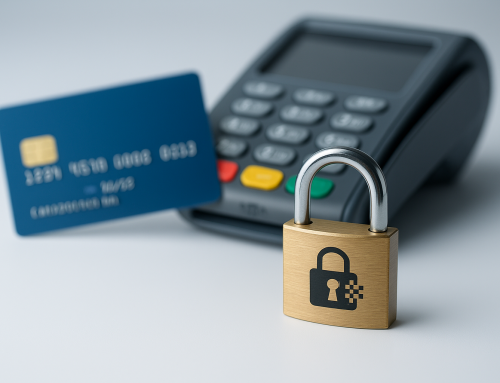
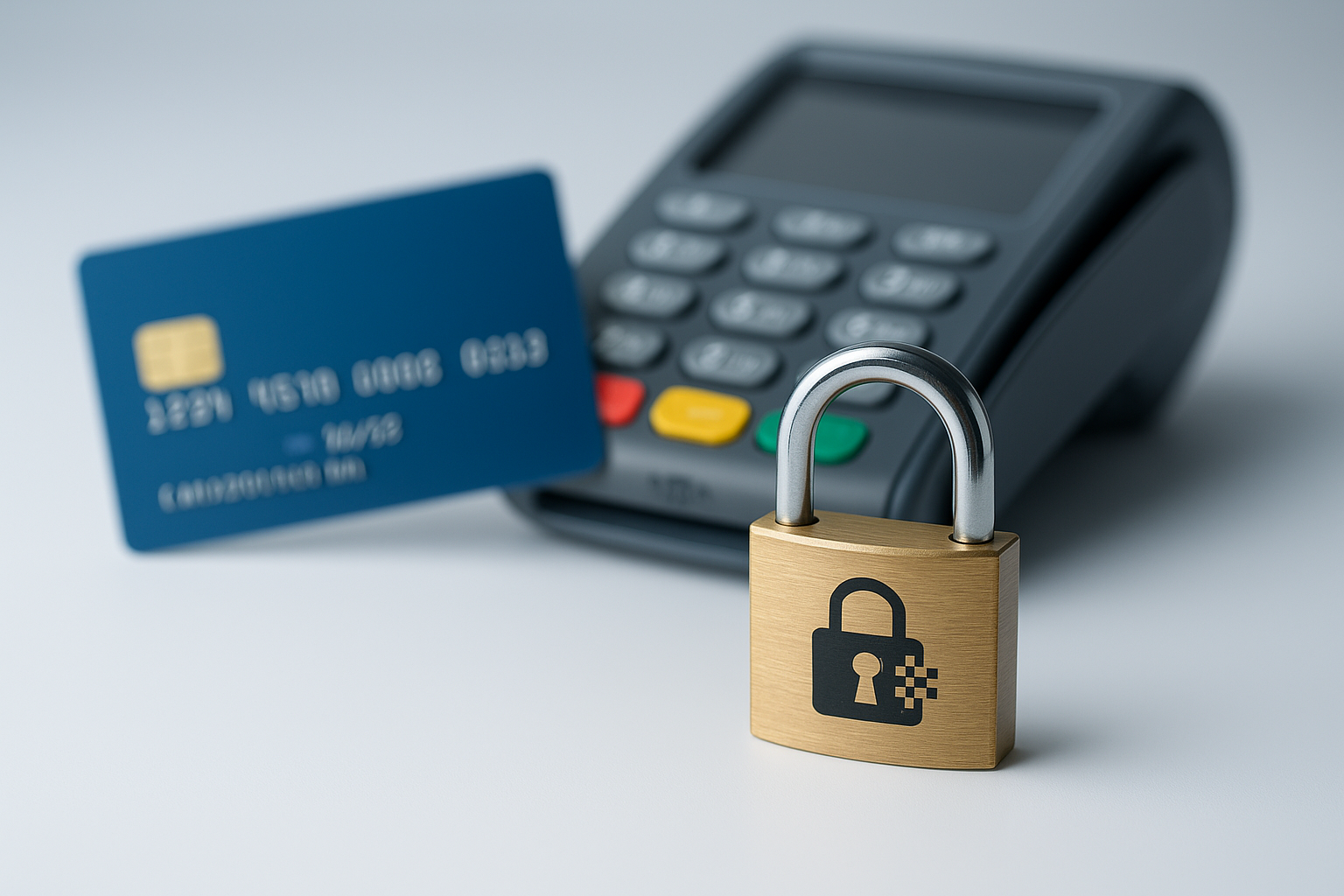
Encryption helps protect sensitive information as it moves between devices and payment systems. Biometric authentication, such as fingerprint or facial recognition, verifies the user’s identity before a transaction can be completed. Tokenization replaces actual card numbers with unique codes, so the real payment details are not exposed during the transaction.
Many wallets also allow users to remotely lock or erase payment data if a device is lost or stolen. This is a major advantage over traditional wallets filled with cash and cards, which can be much harder to protect after they go missing.
Common Use Cases for Digital Wallet Payments
Digital wallets are now used in many parts of daily life. Shoppers use them at grocery stores, restaurants, and online stores. Travelers use them for airline tickets, hotel bookings, and public transportation. Friends use them to split bills or send money instantly.
Businesses also benefit from digital wallet adoption. Faster checkout can improve customer experience, reduce abandoned carts online, and support smoother in-person transactions. For service providers, wallet payments can help streamline recurring billing and mobile transactions.
Challenges and Limitations
Even with many advantages, digital wallet payments still have some limitations. Not every merchant accepts them, especially in regions where contactless payment infrastructure is less developed. Some people also worry about privacy, device dependence, or learning how to set up a wallet for the first time.
Another issue is that a phone battery or network problem can temporarily interrupt access. While this is usually rare, it reminds users that digital wallets work best when paired with backup payment options.
How to Choose the Right Digital Wallet
Choosing the right digital wallet depends on how you plan to use it. Look for wallet apps that are widely accepted, secure, and compatible with your device. If you shop often online, choose one that works with major ecommerce platforms. If you travel frequently, check whether it supports transit cards, airline passes, or international merchants.
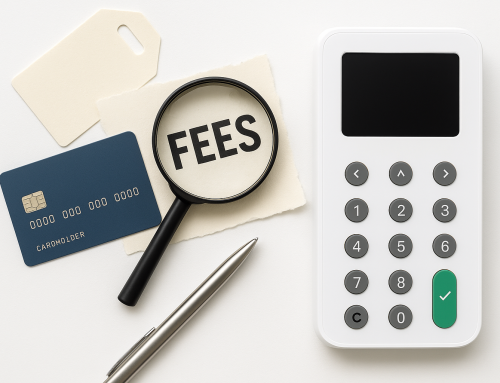
You should also consider fees, ease of use, customer support, and whether the wallet integrates with your bank or preferred card network. A good digital wallet should feel simple, safe, and practical for everyday spending.
The Future of Digital Wallet Payments
Digital wallet payments are likely to play an even bigger role in the years ahead. As more stores adopt contactless terminals and more consumers get comfortable with mobile payments, wallet use will continue to grow. Innovations like biometric login, wearable devices, and integrated loyalty rewards will make the experience even smoother.
We may also see digital wallets become central to identity verification, transit access, event entry, and cross-border payments. In many ways, the digital wallet is evolving from a payment tool into a complete everyday companion for managing transactions and digital credentials.
Conclusion
Digital wallet payments are changing the way people pay by offering a faster, safer, and more convenient alternative to cash and cards. Whether you are shopping online, tapping at a checkout counter, or sending money to a friend, digital wallets make everyday payments easier. As adoption continues to grow, they are becoming an essential part of modern financial life.