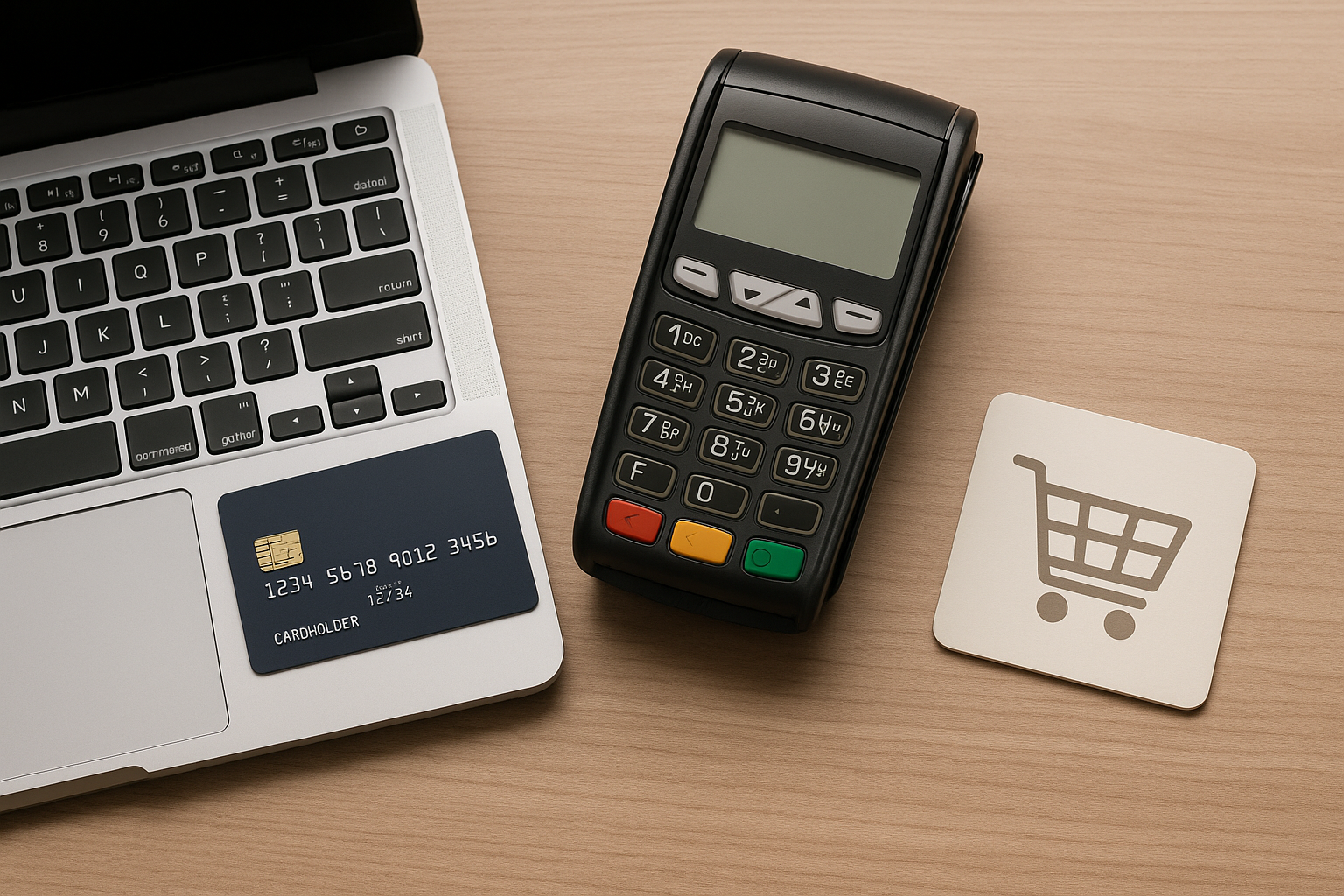
E-commerce payment processing is the system that allows online stores to accept, authorize, and receive payments from customers securely and efficiently. It may seem simple from the buyer’s side—enter card details, click pay, and wait for confirmation—but behind the scenes, multiple systems work together to move money from the customer’s account to the merchant’s account.
For online businesses, choosing the right payment processing setup can have a direct impact on conversion rates, customer trust, fraud prevention, and overall revenue. In this guide, we’ll break down how e-commerce payment processing works, the key players involved, the most common payment methods, and the best ways to optimize your checkout experience.
What Is E-commerce Payment Processing?
E-commerce payment processing refers to the technology and services that handle digital transactions on an online store. It enables a business to accept payments through credit cards, debit cards, digital wallets, bank transfers, and other online payment methods.
The process typically involves verifying the customer’s payment details, checking whether sufficient funds are available, approving or declining the transaction, and transferring the payment to the merchant after settlement. A smooth payment process helps customers complete purchases quickly, while a poorly designed one can create friction and lead to cart abandonment.
How E-commerce Payment Processing Works
Although payment processing happens in seconds, several steps occur behind the scenes:
- Customer places an order: The shopper adds products to their cart and proceeds to checkout.
- Payment details are entered: The customer submits card information or chooses another payment method.
- Transaction is encrypted: The payment data is securely transmitted to reduce the risk of theft or fraud.
- Authorization request is sent: The payment gateway passes the transaction to the payment processor, which forwards it to the card network and issuing bank.
- Bank approves or declines: The issuing bank checks for available funds, fraud indicators, and other risk factors.
- Merchant receives response: If approved, the store confirms the order; if declined, the customer is asked to try again or use another method.
- Settlement occurs: Funds are transferred from the customer’s bank to the merchant’s account, usually within a few business days.
Understanding this flow is important because any weak point—slow checkout, failed authorization, or poor fraud controls—can affect sales and customer satisfaction.
Key Players in the Payment Process
E-commerce payment processing involves several parties working together:
1. The Customer
This is the person making the purchase. Their experience at checkout plays a major role in whether the transaction is completed.
2. The Merchant
The merchant is the online business selling goods or services. The merchant must provide a secure, convenient, and reliable payment experience.
3. The Payment Gateway
The payment gateway securely captures and transmits payment data from the checkout page to the processor. It acts as the digital bridge between the customer and the financial network.
4. The Payment Processor
The processor handles the transaction itself by communicating with card networks and banks to authorize and settle payments.
5. The Acquiring Bank
Also called the merchant bank, this institution holds the merchant’s account and receives the funds after approval.
6. The Issuing Bank
This is the customer’s bank or card issuer. It approves or declines the transaction based on account status, available balance, and fraud rules.
Each of these players has a role in making sure online payments are completed securely and accurately.
Common E-commerce Payment Methods
Offering the right payment methods can improve conversion rates and make your store more appealing to a wider audience. Common options include:
Credit and Debit Cards
Cards remain one of the most widely used online payment methods. They are familiar, fast, and accepted almost everywhere.
Digital Wallets
Services like Apple Pay, Google Pay, and PayPal let customers pay without manually entering card details. This can speed up checkout and reduce friction on mobile devices.
Bank Transfers
In some regions, direct bank transfers or account-to-account payments are popular for larger purchases or B2B transactions.
Buy Now, Pay Later
BNPL options allow customers to split purchases into installments. This can increase average order value, but it should be managed carefully to avoid unnecessary risk and fees.
Local and Regional Payment Methods
Depending on your market, supporting local payment methods can be critical. Customers are more likely to buy when they can use a familiar and trusted option.
The best payment mix depends on your audience, location, and product type. Businesses selling internationally should especially consider local preferences.
Why Payment Processing Matters for Online Stores
Payment processing is more than a backend function—it directly shapes the customer experience and business performance. Here’s why it matters:
Improves Conversion Rates
A fast and seamless checkout process helps customers finish their purchase without frustration.
Builds Trust
Secure payment pages, recognizable payment options, and transparent pricing reassure shoppers that their information is safe.
Reduces Cart Abandonment
Unexpected fees, limited payment choices, or a complicated checkout flow can cause customers to leave before completing the order.
Supports Growth
As your business expands, you may need to handle higher order volumes, international payments, and recurring subscriptions. A scalable payment system makes growth easier to manage.
Helps Prevent Fraud
Strong fraud detection tools and secure practices protect both your business and your customers from chargebacks and unauthorized transactions.
How to Choose a Payment Processor
Selecting the right payment processor is one of the most important decisions for an e-commerce business. Consider the following factors:
Fees and Pricing
Compare transaction fees, monthly charges, setup costs, chargeback fees, and hidden expenses. Low headline rates may not always be the cheapest option overall.
Payment Methods Supported
Make sure the provider supports the payment types your customers prefer, including cards, wallets, and regional methods.
Security Features
Look for PCI compliance, tokenization, encryption, fraud screening, and dispute management tools.
Integration Options
Your payment processor should work smoothly with your e-commerce platform, shopping cart, and accounting tools.
Global Capabilities
If you sell internationally, check whether the processor supports multiple currencies, cross-border payments, and local acquiring.
Customer Support
Reliable support matters when payments fail or disputes arise. Faster issue resolution can prevent lost sales and reduce stress for your team.
It’s often worth testing a few providers before making a final decision, especially if your business has unique needs.
Best Practices for Secure Payment Processing
Security should be a top priority in any e-commerce setup. A secure checkout protects customer data and helps maintain your brand reputation.
Use SSL Encryption
Always use HTTPS on your website to encrypt data in transit.
Stay PCI Compliant
Follow the Payment Card Industry Data Security Standard to protect cardholder information and reduce risk.
Enable Fraud Detection Tools
Use address verification, CVV checks, velocity rules, and risk scoring to identify suspicious activity.
Limit Data Exposure
Only collect the payment information you need and avoid storing sensitive data unless absolutely necessary.
Keep Software Updated
Update plugins, themes, checkout tools, and security patches regularly to reduce vulnerabilities.
Good security practices not only protect your business—they also signal professionalism and build customer confidence.
Optimizing Checkout for Better Results
Even the best payment processor cannot fully compensate for a poor checkout experience. To improve performance, keep the checkout process simple and intuitive.
Use a clean layout, clearly show total costs early, and avoid forcing customers to create an account before purchasing. Offer guest checkout whenever possible, since many shoppers prefer speed and convenience.
Mobile optimization is also essential. A large share of online shopping happens on smartphones, so forms, buttons, and payment options should work smoothly on smaller screens. The fewer steps and distractions during checkout, the better your chances of conversion.
Conclusion
E-commerce payment processing is a vital part of running a successful online store. It affects everything from customer trust and checkout speed to fraud prevention and international growth. By understanding how the process works and choosing the right payment tools, you can create a safer, smoother, and more profitable shopping experience for your customers.
Whether you are launching a new store or improving an existing one, investing in the right payment processing strategy is one of the smartest moves you can make.