Introduction
E-commerce payment processing is the system that allows online businesses to accept, authorize, and settle customer payments securely. It may look instant to the shopper, but behind every successful checkout is a chain of technology and financial partners working together. If this process is slow, confusing, or insecure, it can lead to abandoned carts, failed payments, and lost revenue. Understanding how payment processing works is essential for any online store that wants to grow smoothly and build customer trust.
What Is E-commerce Payment Processing?
E-commerce payment processing refers to the steps involved in moving money from a customer’s payment method to a merchant’s account during an online purchase. It includes payment authorization, fraud screening, transaction routing, settlement, and recordkeeping. In simple terms, it is the infrastructure that makes online checkout possible.
A strong payment processing setup does more than collect money. It helps reduce risk, supports multiple payment methods, improves checkout speed, and creates a reliable experience for customers across devices and markets.
How E-commerce Payment Processing Works
Although the checkout process feels immediate, several parties are involved in the background. The main players typically include the customer, the merchant, the payment gateway, the payment processor, the acquiring bank, and the card network.
1. Customer submits payment information
The process begins when the customer enters card details, digital wallet information, or another payment method at checkout. The store’s checkout page securely captures and encrypts that data.
2. Payment gateway sends the data
The payment gateway acts as the digital bridge between the online store and the financial networks. It transmits transaction details to the payment processor while protecting sensitive information through encryption and tokenization.
3. Processor routes the transaction
The payment processor forwards the request to the appropriate card network or payment rail. It verifies the transaction data and helps coordinate communication between banks and the merchant.
4. Bank authorization
The customer’s issuing bank checks whether the card is valid, whether funds or credit are available, and whether the transaction appears legitimate. If approved, the bank sends an authorization response back through the network.
5. Approval or decline
The customer sees the result almost immediately. If the transaction is approved, the order can be confirmed. If it is declined, the customer may need to try another payment method or correct an error.
6. Settlement and funding
At the end of the day or according to the merchant’s schedule, authorized transactions are batched and settled. Funds are transferred from the customer’s bank to the merchant’s account, often minus processing fees.
Key Components of a Payment Processing System
A complete e-commerce payment ecosystem includes several important components that work together to create a fast and secure checkout experience.
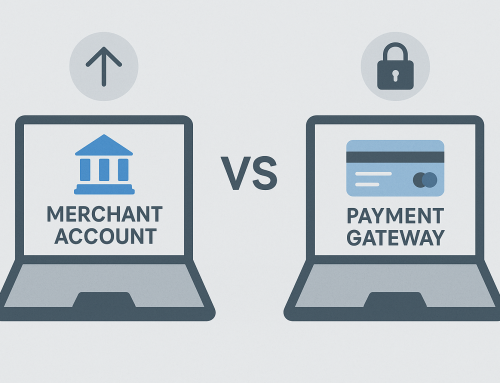
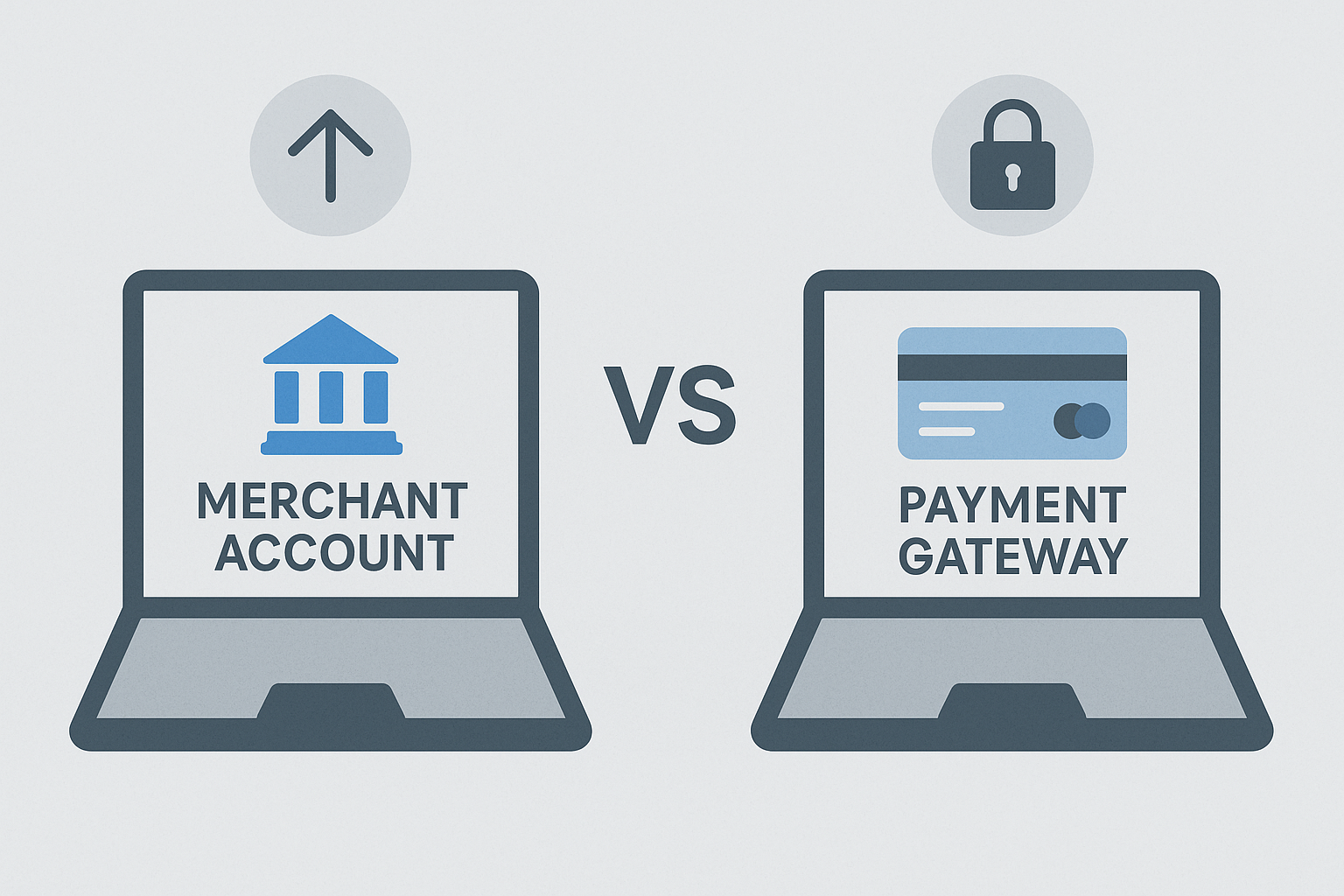
Payment gateway
The gateway securely transmits payment data from the customer to the processor. It also often provides tools for fraud detection, tokenization, and recurring billing.
Payment processor
The processor manages the communication between the gateway, card networks, and banks. It plays a central role in getting transactions authorized and settled.
Merchant account
A merchant account is a type of bank account that temporarily holds funds before they are deposited into the business’s main operating account. Some providers bundle merchant account functionality into their platform.
Acquiring bank
This is the bank that sponsors the merchant account and receives the funds from card networks before depositing them into the business account.
Card networks and alternative payment rails
Visa, Mastercard, American Express, and Discover are common card networks. Modern systems also support digital wallets, bank transfers, buy now pay later options, and local payment methods for international shoppers.
Types of Payment Methods for E-commerce
The right payment methods can have a major impact on conversion rates. Customers are more likely to complete a purchase when they see options they trust and use regularly.
Credit and debit cards
Cards remain a standard checkout option because they are familiar and widely accepted. Fast authorization and broad support make them essential for many stores.
Digital wallets
Apple Pay, Google Pay, and PayPal can speed up checkout by reducing the need to manually enter card details. This convenience often lowers cart abandonment.
Buy now, pay later
BNPL options let customers split purchases into installments. This can boost average order value, especially for higher-ticket items.
Bank transfers and local methods
In some regions, customers prefer direct bank payments, real-time payment systems, or country-specific methods. Supporting local preferences can help businesses expand internationally.
Security and Compliance in Payment Processing
Security is one of the most important parts of e-commerce payment processing. Customers need confidence that their information is protected, and businesses need to reduce the risk of fraud and chargebacks.
PCI DSS compliance
The Payment Card Industry Data Security Standard sets rules for safely handling cardholder data. Merchants that process card payments must follow these standards to protect sensitive information.
Encryption and tokenization
Encryption scrambles data during transmission, while tokenization replaces sensitive payment details with a non-sensitive token. Together, they help prevent data theft and reduce exposure.
Fraud prevention tools
Fraud filters, address verification, CVV checks, device fingerprinting, and 3D Secure authentication can help identify suspicious activity before a charge is completed.
Chargeback management
Chargebacks happen when a customer disputes a transaction. Clear billing descriptors, good customer service, shipping confirmation, and fraud controls can reduce disputes and protect revenue.
How to Choose the Right Payment Processor
Selecting a payment processor is a strategic decision that affects cost, customer experience, and long-term scalability. The best option depends on your business model, product type, location, and target market.
Evaluate fees
Look beyond headline transaction rates. Consider monthly fees, chargeback fees, cross-border fees, currency conversion costs, and any extra charges for features like fraud tools or recurring billing.
Check supported payment methods
Your processor should support the methods your customers prefer, including cards, wallets, subscriptions, and local payment options if you sell internationally.
Assess integration options
Choose a solution that integrates easily with your e-commerce platform, shopping cart, CRM, and accounting tools. Smooth integration reduces manual work and operational errors.
Review security and reliability
Look for strong uptime, robust fraud prevention, and PCI-compliant handling of data. Payment failures or outages can directly impact sales.
Consider scalability
The right processor should support growth. Whether you plan to expand into new markets, launch subscriptions, or increase order volume, your payment system should be able to keep up.
Best Practices to Optimize E-commerce Payment Processing
Improving payment processing does not always require a major technology overhaul. Small operational changes can lead to better conversion rates and fewer failed transactions.
Make checkout as simple as possible
Reduce unnecessary fields, enable guest checkout, and minimize steps in the payment flow. The fewer barriers customers face, the more likely they are to complete their purchase.
Offer multiple payment options
Different customers prefer different methods. Supporting cards, wallets, and local payment options increases flexibility and can improve conversion.
Use mobile-friendly checkout
Many customers shop on smartphones, so payment pages should be responsive, easy to navigate, and fast to load on smaller screens.
Monitor declined transactions
Review decline reasons regularly. Some failures are caused by insufficient funds, but others may result from technical issues, AVS mismatches, or processor routing problems that can be addressed.
Build trust at checkout
Display security badges, return policies, and clear contact information. Trust signals can help customers feel more comfortable entering payment details.
Test and improve continuously
A/B test checkout layouts, payment placement, and method visibility. Small improvements in the payment experience can produce meaningful gains in revenue over time.
Conclusion
E-commerce payment processing is the backbone of online sales. When it is secure, flexible, and easy to use, it helps businesses collect revenue efficiently while giving customers a seamless checkout experience. By choosing the right provider, supporting preferred payment methods, and continuously improving the process, online stores can reduce friction and set themselves up for long-term growth.