What Is E-commerce Payment Processing?
E-commerce payment processing is the system that lets online stores accept and complete customer payments securely. It connects the shopper’s payment method—such as a credit card, debit card, digital wallet, or bank transfer—to the merchant’s store, payment gateway, processor, and acquiring bank.
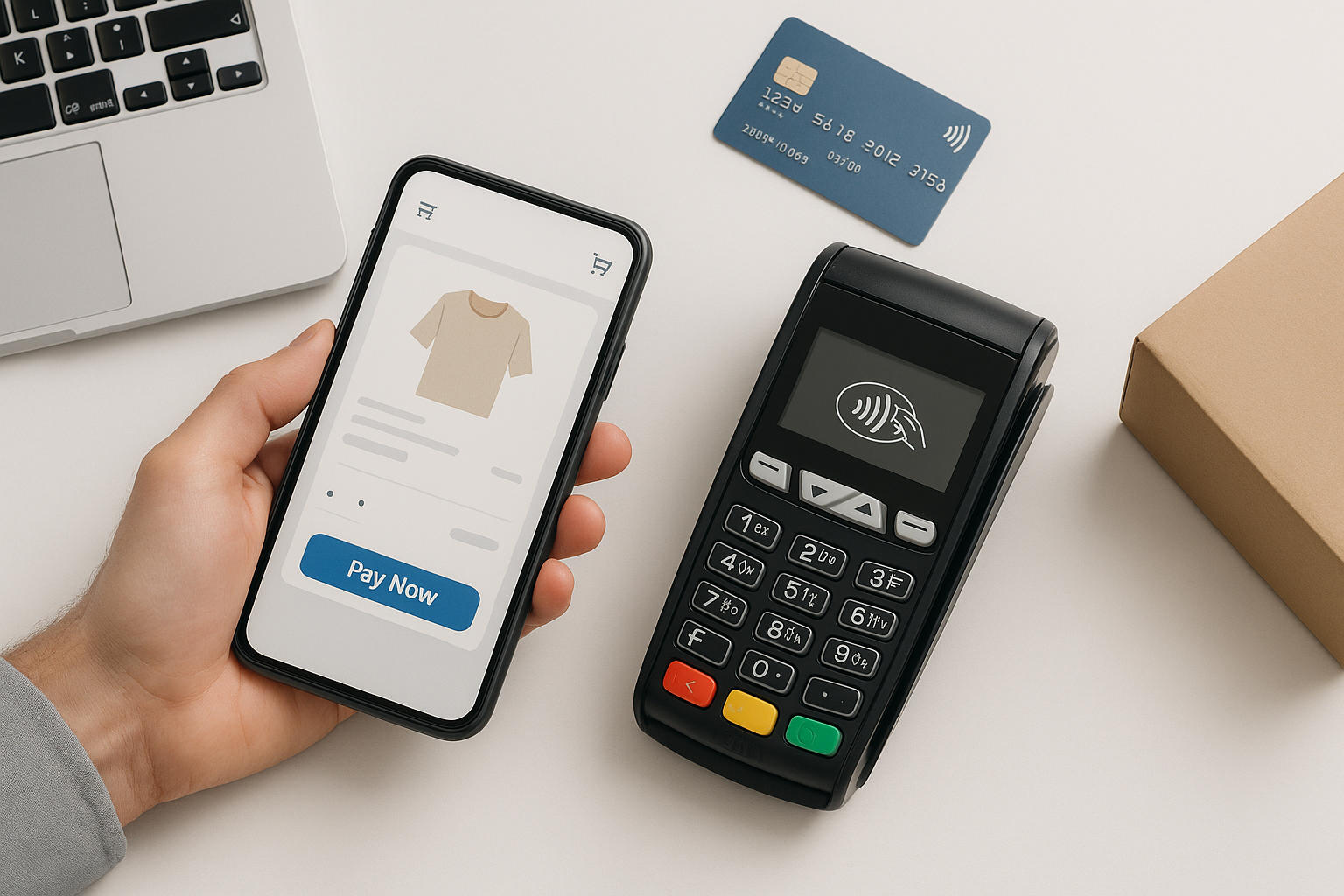
In simple terms, it is the behind-the-scenes flow that takes a customer’s “Pay Now” click and turns it into a confirmed order. A smooth payment process is essential because it affects conversion rates, customer trust, fraud risk, and how quickly a business gets paid.
How E-commerce Payment Processing Works
Although it happens in seconds, e-commerce payment processing involves several steps and multiple parties working together. Understanding the flow helps merchants choose the right setup and troubleshoot problems more effectively.
1. Customer enters payment details
The process starts when a customer adds products to the cart and submits payment information at checkout. Depending on the store, this may include a card number, wallet login, or bank authorization.
2. Payment gateway encrypts the data
A payment gateway securely captures and encrypts the customer’s payment details before sending them to the processor. This protects sensitive information during transmission and helps reduce fraud exposure.
3. Payment processor communicates with the card network
The processor sends the transaction request to the relevant card network or payment method provider. It then routes the request to the customer’s issuing bank for approval.
4. Bank approves or declines the transaction
The issuing bank checks whether the account is valid, funds are available, and the transaction appears legitimate. If everything looks good, it approves the payment. If not, it declines it.
5. Authorization and settlement occur
Once authorized, the order can be confirmed. Later, the funds are settled and transferred through the payment ecosystem to the merchant account, minus processing fees.
Key Components of an E-commerce Payment System
Most online payment setups include several core components. Each one plays a specific role in making checkout secure, efficient, and scalable.
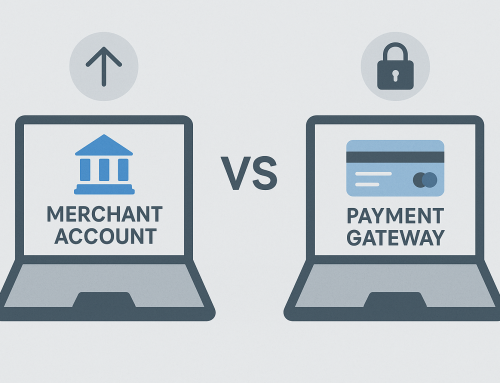
Payment gateway
The gateway is the secure bridge between your website and the payment network. It encrypts sensitive data, sends transaction requests, and returns approval or decline messages.
Payment processor
The processor handles the technical and financial communication that moves the transaction through the card network and banking system. Some providers bundle gateway and processing services together.
Merchant account
A merchant account is a special bank account that temporarily holds approved payment funds before they are transferred to your business checking account. Not every provider requires a separate merchant account, but many traditional setups do.
Acquiring bank
The acquiring bank partners with the merchant and helps settle funds from card transactions. It works with the card networks and the merchant’s payment provider to complete the payment flow.
Issuing bank
This is the customer’s bank or card issuer. It authorizes or declines the transaction based on account status, available funds, and fraud checks.
Popular E-commerce Payment Methods
Offering the right payment methods can directly influence conversion rates. Customers expect flexibility, speed, and familiarity when they reach the checkout page.
Credit and debit cards
Cards remain one of the most common online payment methods. They are widely accepted and familiar to shoppers, making them essential for most e-commerce businesses.
Digital wallets
Wallets such as Apple Pay, Google Pay, and PayPal simplify checkout by letting customers pay without manually entering card details. This can reduce friction and improve mobile conversions.
Buy now, pay later
BNPL services allow customers to split purchases into installments. This option can increase average order value, especially for higher-priced products.
Bank transfers and direct debit
In some markets, customers prefer bank-based payments. These methods can be cost-effective and useful for recurring billing or larger transactions.
Local and alternative payment methods
Depending on your target market, local payment options may be important. Supporting region-specific methods can improve trust and reduce abandoned carts.
Security and Fraud Prevention
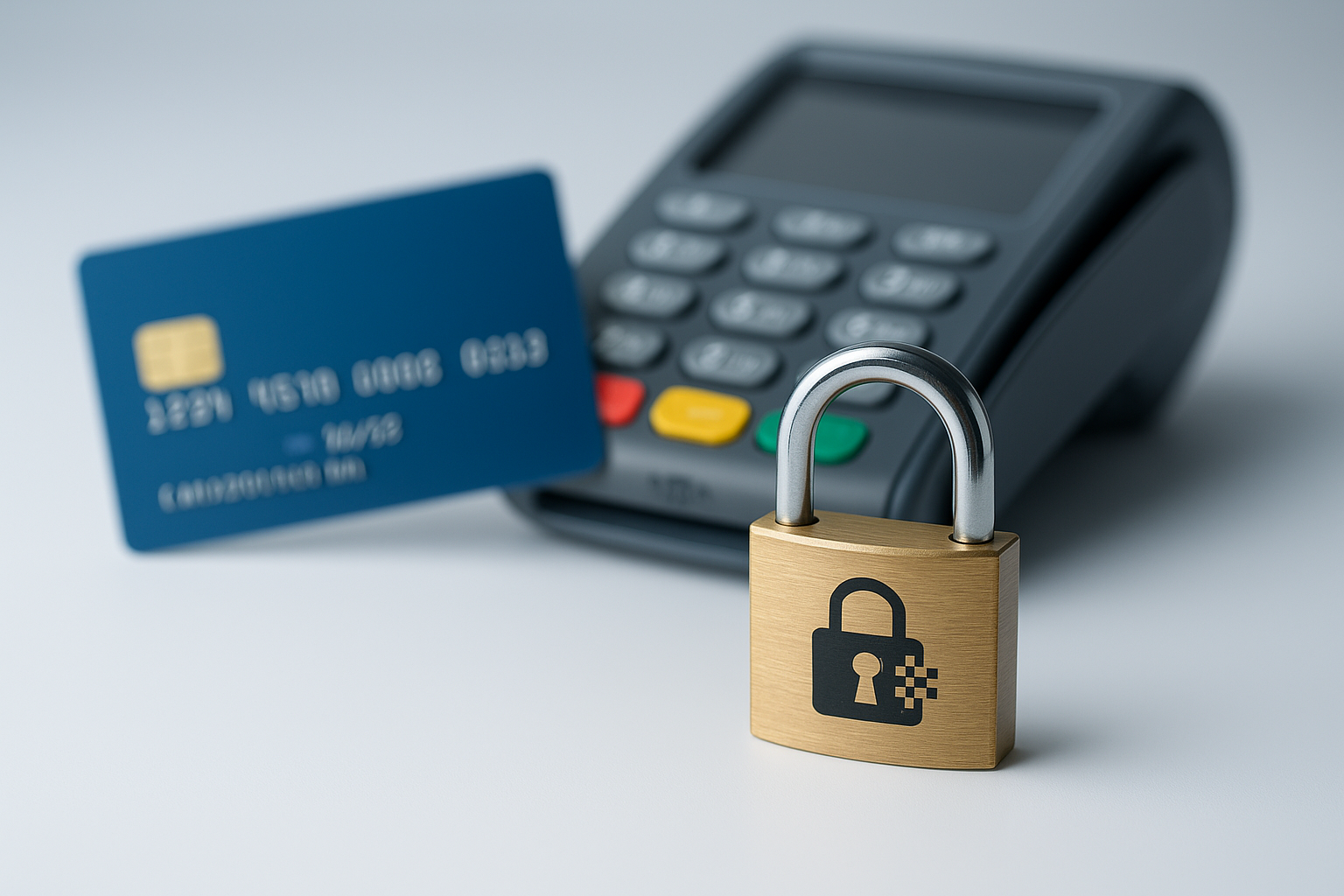
Security is one of the most important aspects of e-commerce payment processing. Online merchants must protect customer data, reduce fraud, and stay compliant with industry standards.
Use PCI DSS compliance
The Payment Card Industry Data Security Standard (PCI DSS) sets requirements for businesses that handle card payments. Following PCI guidelines helps protect cardholder data and reduces the risk of breaches.
Enable tokenization
Tokenization replaces sensitive payment details with a unique token that has no exploitable value on its own. This helps secure stored payment information and recurring billing setups.
Apply AVS and CVV checks
Address Verification System (AVS) and Card Verification Value (CVV) checks add extra layers of validation. These tools can help detect fraudulent transactions before they are approved.
Monitor suspicious behavior
Fraud tools can flag unusual patterns such as rapid repeat purchases, mismatched locations, or multiple failed payment attempts. Monitoring these signals helps merchants respond quickly.
Use 3D Secure when appropriate
3D Secure adds another authentication step during checkout. It can reduce fraud and shift liability in certain cases, though it should be implemented carefully to avoid creating unnecessary friction.
How to Choose the Right Payment Processor
Selecting a payment processor is a strategic decision. The right provider can improve checkout performance, reduce costs, and support your long-term growth.
Look at fees and pricing
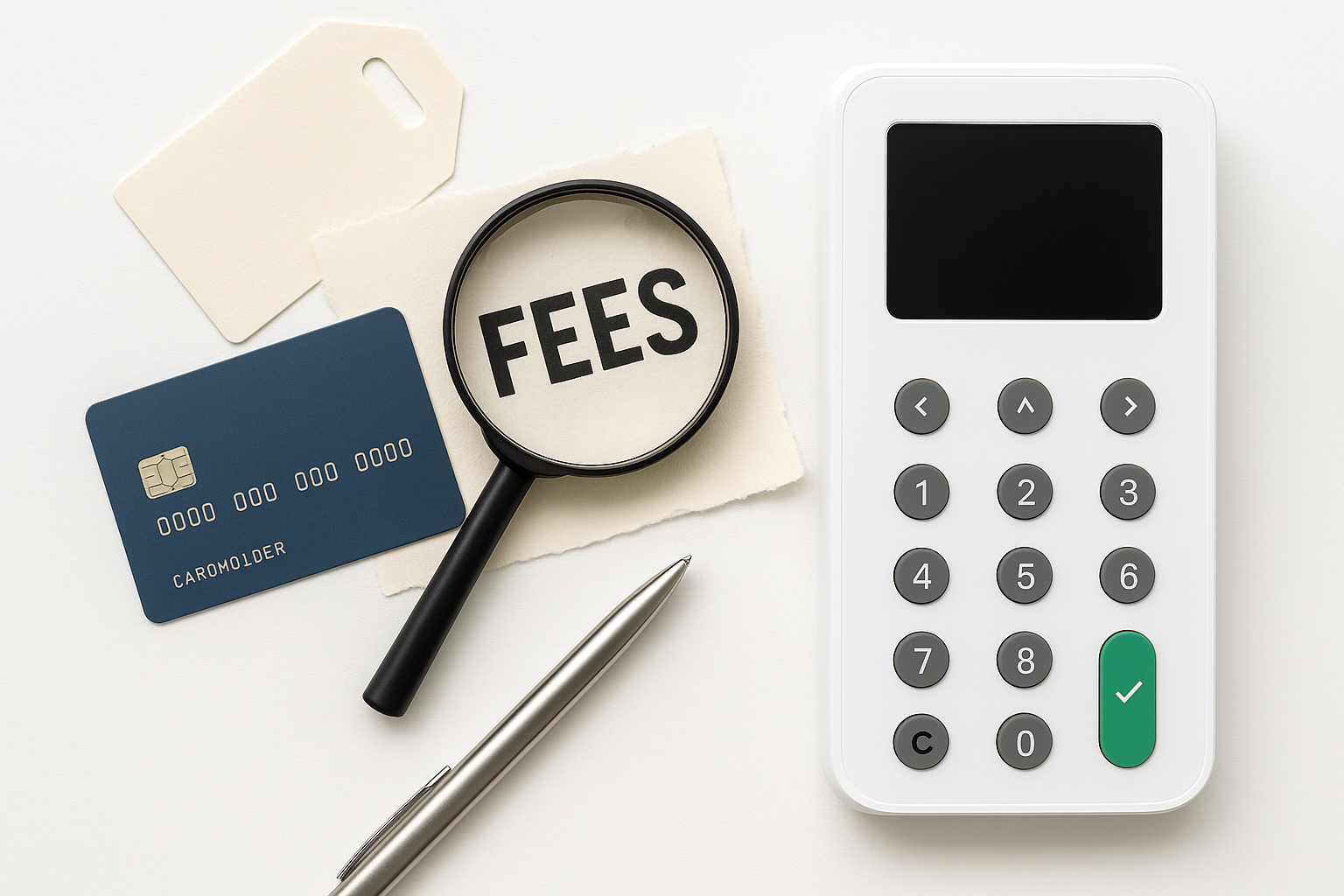
Compare transaction fees, monthly fees, chargeback fees, cross-border costs, and hidden charges. A low headline rate is not always the most cost-effective option once all fees are included.
Check supported payment methods
Make sure the processor supports the payment methods your customers want to use. The more relevant your checkout options are, the better your chances of reducing cart abandonment.
Evaluate integration options
Choose a processor that works well with your e-commerce platform, shopping cart, and accounting tools. Easy integration saves time and reduces technical issues.
Review fraud tools and security features
Strong fraud detection, encryption, tokenization, and compliance support are essential. These features protect your business and help maintain customer confidence.
Consider global expansion needs
If you plan to sell internationally, look for multi-currency support, local payment methods, and cross-border processing capabilities. This can make expansion much smoother.
Common Challenges in E-commerce Payment Processing
Even with a solid setup, online payment processing can present challenges. Being aware of these issues helps merchants prevent revenue loss and improve the checkout experience.
Payment declines
Transactions can fail for many reasons, including insufficient funds, incorrect details, fraud suspicion, or technical issues. A smart retry strategy and clear error messages can help recover some lost sales.
Chargebacks
Chargebacks occur when customers dispute a transaction. Excessive chargebacks can lead to higher fees, account reviews, and reputational damage, so merchants should use prevention tools and clear refund policies.
Cart abandonment
Complicated checkout flows, limited payment options, and security concerns can cause shoppers to leave before paying. Streamlining the checkout experience often improves conversion rates.
International payment issues
Cross-border transactions may fail due to currency conversion, regional banking rules, or unsupported payment methods. Localized checkout options can help reduce these barriers.
Best Practices for a Better Checkout Experience
A strong payment process does more than move money. It also builds trust and supports a better customer experience, which can lead to more completed purchases and repeat business.
Offer multiple payment options
Different customers prefer different methods. Providing cards, wallets, and other relevant payment types makes checkout more convenient.
Keep checkout simple
Remove unnecessary form fields, avoid extra steps, and make the process mobile-friendly. A shorter checkout usually means fewer abandoned carts.
Be transparent about costs
Show taxes, shipping fees, and any additional charges early in the process. Surprises at checkout are a common reason for cart abandonment.
Build trust with clear security signals
Display security badges, use HTTPS, and reassure customers that their payment data is protected. Trust is especially important for first-time buyers.
Optimize for mobile
Many shoppers complete purchases on smartphones. A mobile-friendly checkout with large buttons, autofill support, and wallet integrations can improve conversions.
Conclusion
E-commerce payment processing is much more than a technical back-end function. It shapes how customers experience your store, how efficiently you get paid, and how well your business protects itself from fraud. By choosing the right provider, supporting the right payment methods, and focusing on security and checkout simplicity, you can create a payment system that helps your store grow.