How Credit Card Processing Works
Credit card processing may seem instant from the customer’s point of view, but behind the scenes it involves a fast, secure chain of communication between multiple parties. Understanding how it works can help businesses reduce payment failures, improve cash flow, and choose the right payment provider.
What Happens When a Customer Pays by Card
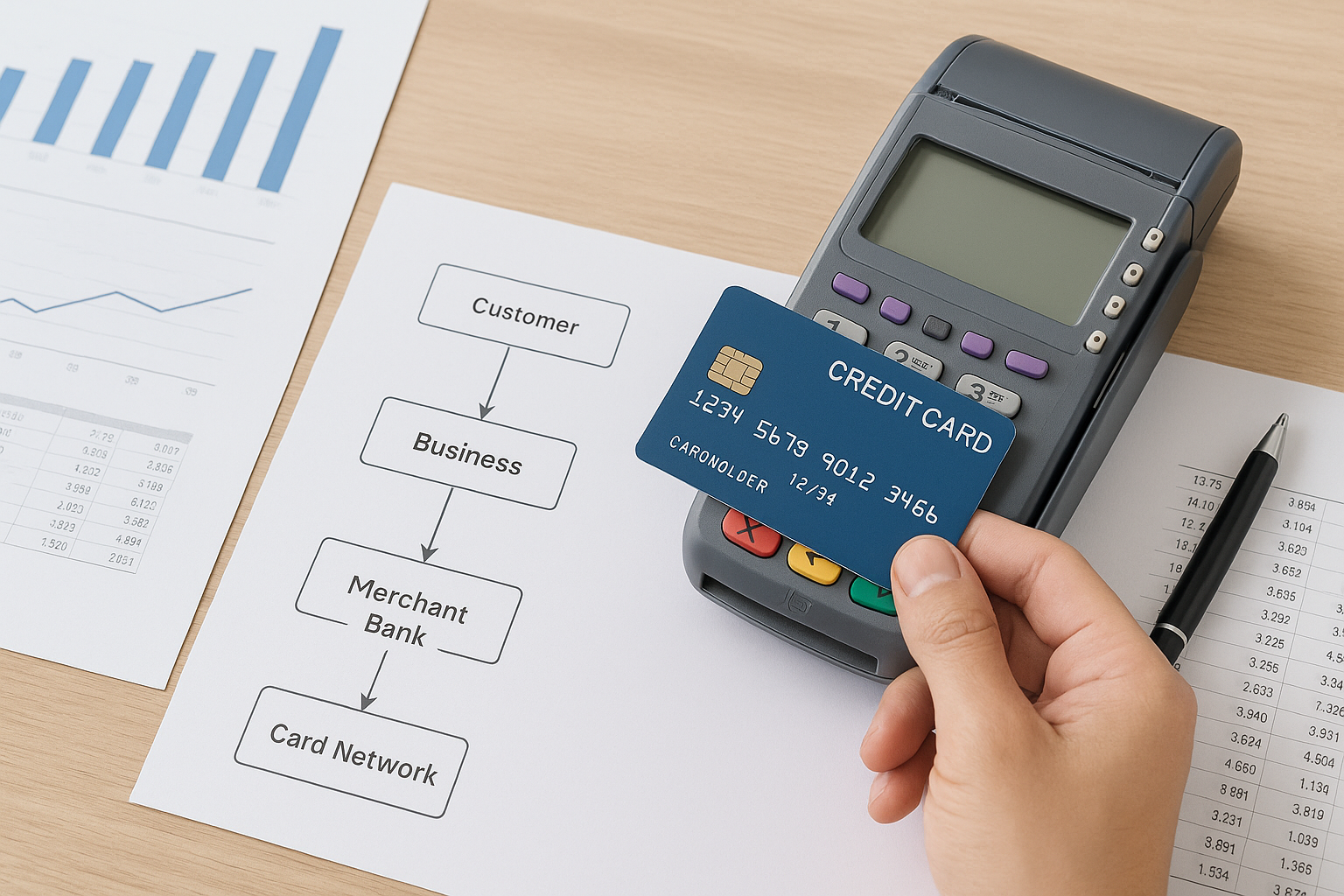
When a customer swipes, taps, inserts, or enters a credit card, the payment does not move directly from the card to the merchant’s bank account. Instead, the transaction travels through a payment ecosystem made up of the customer, the merchant, the payment processor, the card network, and the issuing and acquiring banks.
Each step happens in seconds, but every participant has a specific role. The goal is to verify that the card is valid, the customer has available credit or funds, and the merchant should receive payment.
The Main Players in Credit Card Processing
1. The Cardholder
This is the customer making the purchase. The cardholder uses a debit, credit, or prepaid card to pay for goods or services.
2. The Merchant
The merchant is the business accepting the card payment. This could be a retail store, an online shop, a restaurant, or any service provider that accepts cards.
3. The Payment Gateway
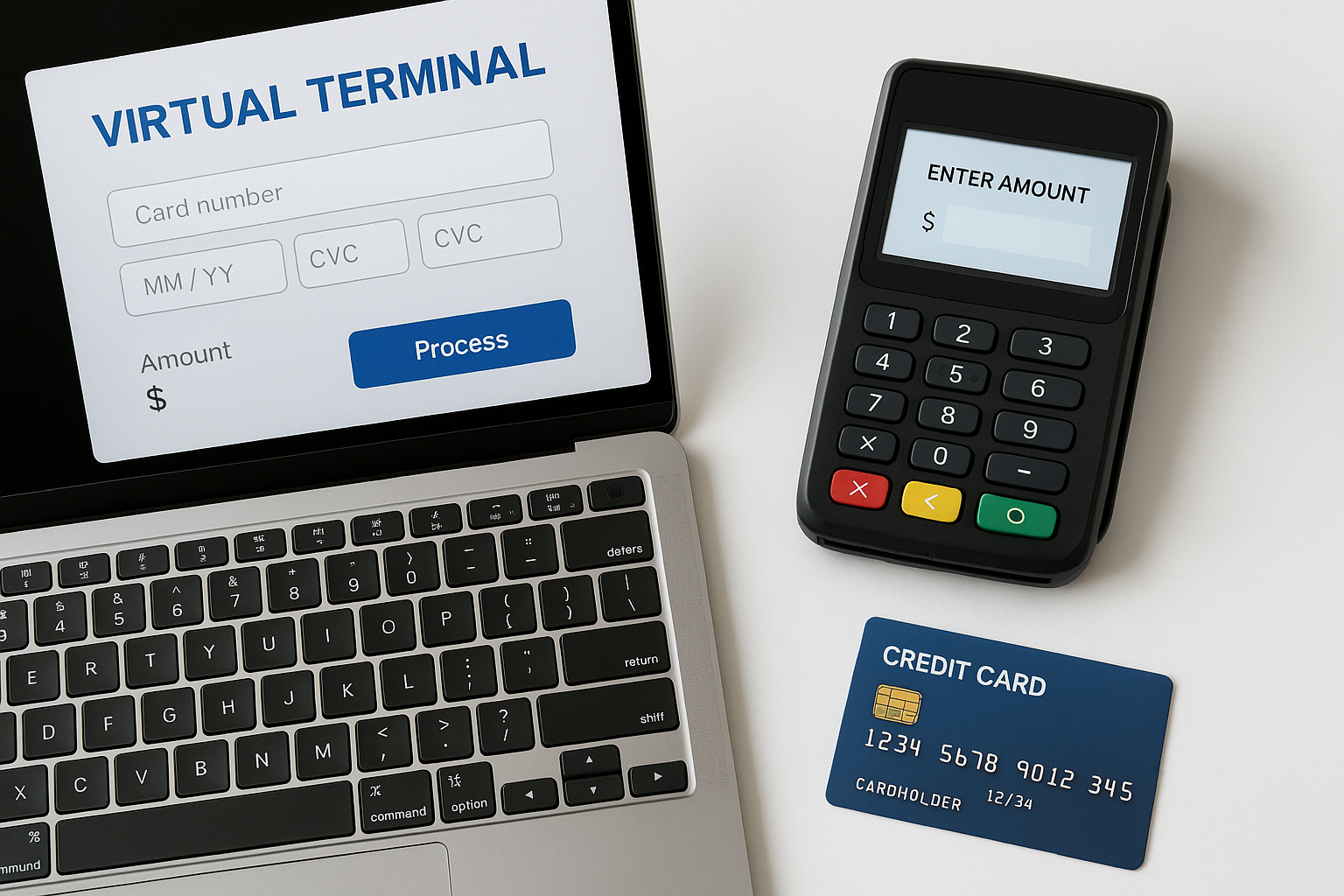
For online payments, a payment gateway securely captures and sends card details to the processor. In a physical store, the POS terminal performs a similar job by reading the card information.
4. The Payment Processor
The payment processor is the company that manages the transaction between the merchant and the financial institutions. It sends the payment request, receives the response, and helps move funds through the system.
5. The Card Network
Card networks such as Visa, Mastercard, American Express, and Discover act as the communication rails that route payment information between banks.
6. The Issuing Bank
The issuing bank is the bank that issued the customer’s card. It checks whether the transaction is legitimate and whether the cardholder has sufficient credit or funds.
7. The Acquiring Bank
The acquiring bank, also called the merchant bank, works with the merchant and receives the approved transaction funds before depositing them into the merchant’s account.
The Credit Card Processing Steps
Step 1: The Customer Initiates Payment
The process begins when the customer presents the card for payment. This may happen by tapping a contactless card, swiping a magnetic stripe, inserting a chip card, or typing card details into a checkout form.
Step 2: The Payment Information Is Captured
The terminal or payment gateway encrypts the card information and sends it to the payment processor. Encryption helps protect sensitive card data during transmission.
Step 3: Authorization Request Is Sent
The processor forwards the transaction to the card network, which sends it to the issuing bank for review. At this point, the issuing bank checks for available credit, card status, fraud indicators, and other security signals.
Step 4: The Bank Approves or Declines
If everything looks good, the issuing bank approves the transaction and sends an authorization code back through the network and processor. If there is a problem, such as insufficient funds, suspected fraud, or a locked card, the transaction is declined.
Step 5: The Merchant Receives Confirmation
The merchant’s terminal or checkout system receives the response almost immediately. If approved, the customer completes the purchase and the merchant provides the product or service.
Step 6: The Transaction Is Captured and Batches for Settlement
Later, the merchant submits the authorized transactions in a batch for settlement. This usually happens at the end of the day, though timing can vary by business. Captured transactions are then prepared for the actual transfer of money.
Step 7: Funds Are Transferred
The issuing bank sends the funds through the card network to the acquiring bank, which deposits the money into the merchant’s business account. This settlement process typically takes one to three business days, depending on the processor and bank.
Authorization vs. Settlement
One of the most confusing parts of credit card processing is the difference between authorization and settlement. Authorization is the approval to place a hold on the customer’s funds or credit line. Settlement is the final transfer of money from the customer’s bank to the merchant’s bank.
In simple terms, authorization says, “This card can be used,” while settlement says, “The payment has been completed and the money is on the way.”
How Fees Work
Businesses usually pay fees every time a card is processed. These fees may include interchange fees, assessment fees, and processor markups. Interchange fees go to the issuing bank, assessment fees go to the card network, and processor markups are what the payment processor charges for its service.
The exact cost depends on the card type, transaction method, business category, and provider pricing model. Swiped or tapped transactions often cost less than manually entered or online card-not-present transactions because they carry lower fraud risk.
Why Security Matters
Credit card processing involves sensitive financial information, so security is a top priority. Payment systems use tools like encryption, tokenization, fraud detection, and PCI compliance standards to reduce the risk of data theft.
Businesses should also train staff to handle payment devices correctly, update software regularly, and work only with reputable payment providers. Strong security not only protects customers but also reduces chargebacks and payment disputes.
How Businesses Can Choose the Right Processor
Choosing a payment processor is about more than just price. Businesses should compare transaction fees, contract terms, payout timing, customer support, compatible hardware, and integration options with accounting or e-commerce platforms.
A reliable processor should make it easy to accept payments across channels, whether in person, online, or through mobile devices. The right fit can help a business improve customer experience and keep operations running smoothly.
Common Problems in Credit Card Processing
Sometimes transactions are declined for reasons that are temporary or easily fixed. Common issues include expired cards, incorrect billing information, network outages, fraud alerts, and insufficient funds.
Chargebacks are another challenge. These happen when customers dispute a transaction and the bank reverses the payment during the review process. Clear receipts, accurate records, and responsive customer service can help reduce chargebacks.
Conclusion
Credit card processing may happen in seconds, but it relies on a carefully coordinated system of banks, networks, processors, and security tools. By understanding the steps from authorization to settlement, businesses can make smarter decisions, lower payment friction, and create a better checkout experience for customers.