
Merchant processing rates are one of the most important costs a business pays to accept card payments. Whether you run a retail store, restaurant, e-commerce shop, or service business, understanding these rates can help you protect margins, compare providers more effectively, and avoid hidden fees that quietly chip away at profits.
At first glance, merchant processing can seem confusing because there are multiple fees, pricing models, and card network rules involved. The good news is that once you understand the basics, you can make smarter decisions about your payment processor and negotiate better terms.
What Are Merchant Processing Rates?
Merchant processing rates are the fees charged to businesses every time a customer pays with a credit or debit card. These rates cover the cost of moving money from the customer’s bank to the merchant’s bank, along with the service provided by the payment processor.
In many cases, the total processing cost is made up of three main parts:
- Interchange fees – fees paid to the cardholder’s bank.
- Assessment fees – fees charged by card networks such as Visa, Mastercard, Discover, and American Express.
- Processor markup – the fee charged by the payment processor or merchant account provider.
Together, these make up the effective merchant processing rate your business actually pays.
Why Merchant Processing Rates Matter
Even a small difference in rates can have a big impact over time. A business processing thousands or millions of dollars each month may lose a substantial amount to processing costs if its rates are too high.
Lower rates can improve profit margins, free up cash flow, and make pricing more competitive. On the other hand, rates that appear low upfront may come with extra fees, minimums, or contract terms that increase the true cost.
That is why it is not enough to look at the headline rate alone. Businesses should compare the full fee structure, monthly volume, average ticket size, and transaction mix before choosing a processor.
How Merchant Processing Rates Are Calculated
Merchant processing rates are usually calculated as a percentage of each transaction plus a flat fee per sale. For example, a processor may charge 2.9% + $0.30 per transaction.
That means a $100 card payment would cost the business $3.20 in processing fees under that pricing model. However, the actual cost can vary based on several factors, including:
- Card type: debit, standard credit, rewards, corporate, or premium cards
- Transaction method: swiped, tapped, keyed-in, or online
- Business type and risk level
- Average monthly processing volume
- Ticket size and number of transactions
Because not every card costs the same to process, the rate you see in a quote may be only part of the story.
Common Pricing Models for Merchant Processing
Different processors use different pricing structures. Understanding these models helps you compare offers more accurately.
Interchange-Plus Pricing
Interchange-plus pricing is one of the most transparent models. The processor charges the actual interchange and assessment fees, plus a fixed markup.
This structure makes it easier to see exactly where your money is going and often works well for businesses with consistent volume or those looking for long-term transparency.
Flat-Rate Pricing
Flat-rate pricing charges one set percentage and per-transaction fee for most card payments. It is simple and predictable, which makes it popular with small businesses and newer merchants.
The downside is that it may be more expensive than other models for businesses with larger ticket sizes or lower-risk transactions.
Tiered Pricing
Tiered pricing groups transactions into categories such as qualified, mid-qualified, and non-qualified. Each tier has a different rate, but the rules for how transactions are categorized are often not very clear.
This pricing model can make it difficult to know whether you are getting a fair deal, so businesses should review contracts carefully.
Factors That Affect Merchant Processing Rates
Many business owners are surprised to learn that processing rates are not fixed across the board. Several factors can influence what you pay.
Business Type
Some industries are considered higher risk than others. For example, subscription businesses, travel, nutraceuticals, and certain online businesses may face higher rates because of chargeback risk or refund patterns.
Transaction Method
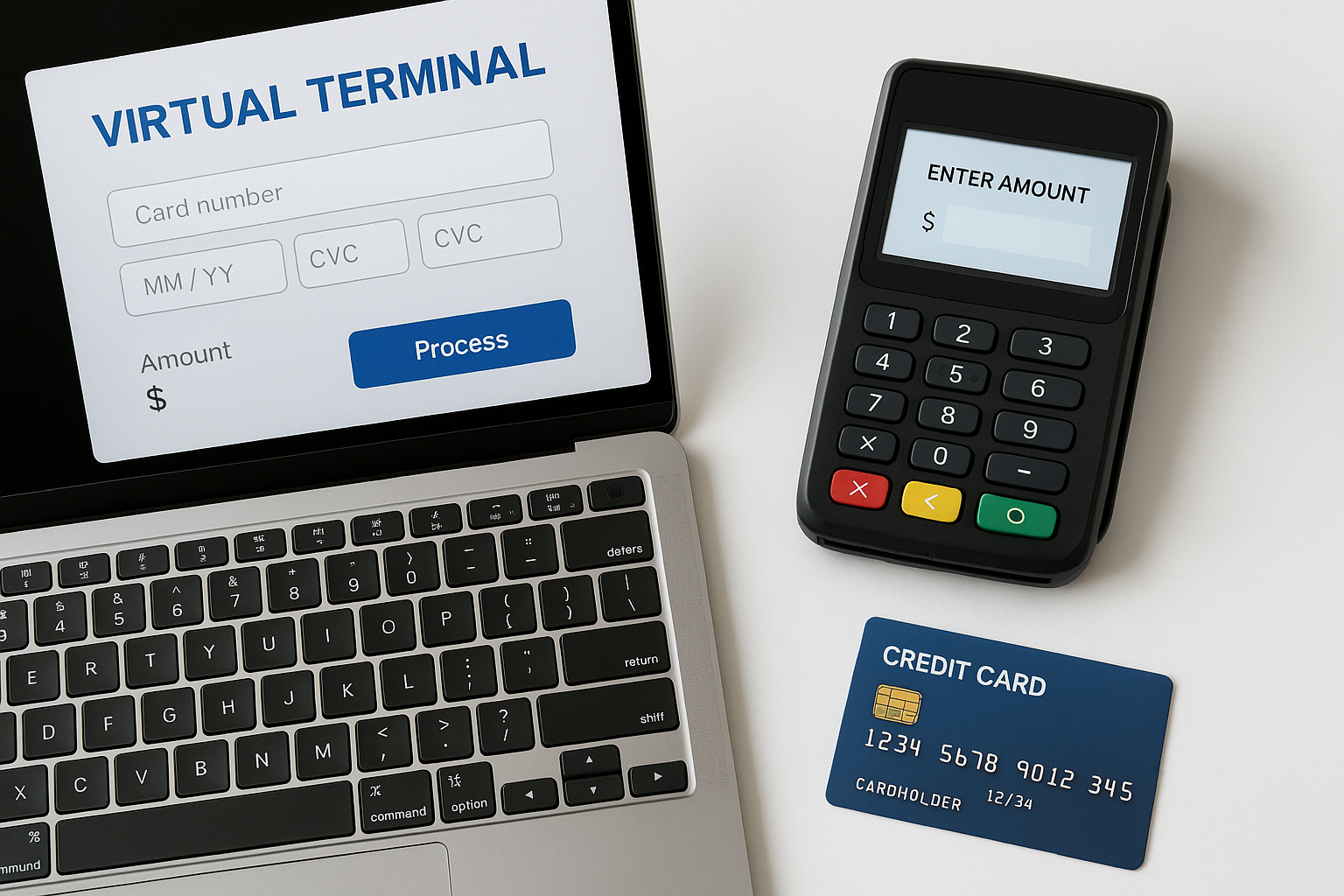
Card-present transactions, such as swiped or tapped payments, are usually less expensive than card-not-present transactions like online or keyed-in payments. This is because the risk of fraud is often lower when the card is physically present.
Average Ticket Size
Businesses with larger average transaction amounts may benefit from lower percentage-based rates, while businesses with many small transactions may be more affected by per-transaction fees.
Monthly Volume
Higher processing volume can lead to better pricing because merchants with more transactions are often more valuable to processors. Many providers will offer custom pricing for businesses with significant monthly volume.
Chargebacks and Fraud Risk
Frequent chargebacks or a high fraud profile can increase costs. Processors may raise rates or impose reserve requirements for businesses they consider risky.
Typical Merchant Processing Fees to Watch For
When reviewing a statement or contract, look beyond the advertised rate. Additional fees can significantly affect your total cost.
- Monthly account fee – a recurring fee for maintaining the merchant account
- Gateway fee – charged for online payment gateway access
- PCI compliance fee – related to payment security compliance
- Batch fee – charged each time transactions are settled
- Statement fee – fee for monthly billing statements
- Chargeback fee – charged when a customer disputes a payment
- Early termination fee – penalty for ending a contract early
These fees may seem small individually, but they can add up quickly. The most cost-effective solution is not always the one with the lowest advertised processing rate.
How to Lower Merchant Processing Rates
There are several practical ways businesses can reduce processing costs without changing how customers pay.
Compare Multiple Providers
Do not accept the first quote you receive. Compare at least three providers and ask each one to break down the pricing in detail.
Negotiate Markup Fees
Interchange and assessment fees are generally non-negotiable, but processor markup often is. If your business has steady volume, you may be able to secure a better rate.
Use the Right Pricing Model
Different pricing models work better for different businesses. A high-volume business may save more with interchange-plus pricing, while a very small business may prefer the simplicity of flat-rate pricing.
Reduce Risk
Keeping chargebacks low, maintaining PCI compliance, and using secure payment tools can help reduce risk and improve your chances of better pricing.
Encourage Lower-Cost Payment Methods
Where permitted, businesses may benefit from steering customers toward debit cards, ACH payments, or in-person tap payments, which can be less expensive than keyed-in credit card transactions.
How to Read a Merchant Processing Statement
Your monthly statement is one of the best tools for spotting unnecessary costs. Look for the effective rate, which shows the total fees paid divided by the total sales volume processed.
For example, if you processed $50,000 in card sales and paid $1,500 in fees, your effective rate would be 3%. That number gives you a more accurate view of your true processing cost than a single quoted rate.
Also check for duplicate charges, hidden service fees, and fees that do not match what was promised in your sales agreement. If you see inconsistencies, ask your provider to explain them.
Choosing the Right Payment Processor
The best processor for your business is not always the cheapest one on paper. Look for a provider that offers transparent pricing, reliable support, secure technology, and terms that fit your business model.
Ask potential processors questions such as:
- Is pricing interchange-plus, flat-rate, or tiered?
- Are there monthly minimums or hidden fees?
- Is there a long-term contract?
- How are chargebacks handled?
- Can rates be reviewed after a certain volume threshold?
A processor should be a partner in your business, not just a vendor collecting fees.
Conclusion
Merchant processing rates can feel complicated, but understanding the structure behind them makes a huge difference. By learning how fees are calculated, comparing pricing models, and reviewing your statements regularly, you can keep costs under control and make more informed decisions for your business.
The more you know about processing rates, the better equipped you are to protect your margins and choose a payment solution that supports growth.