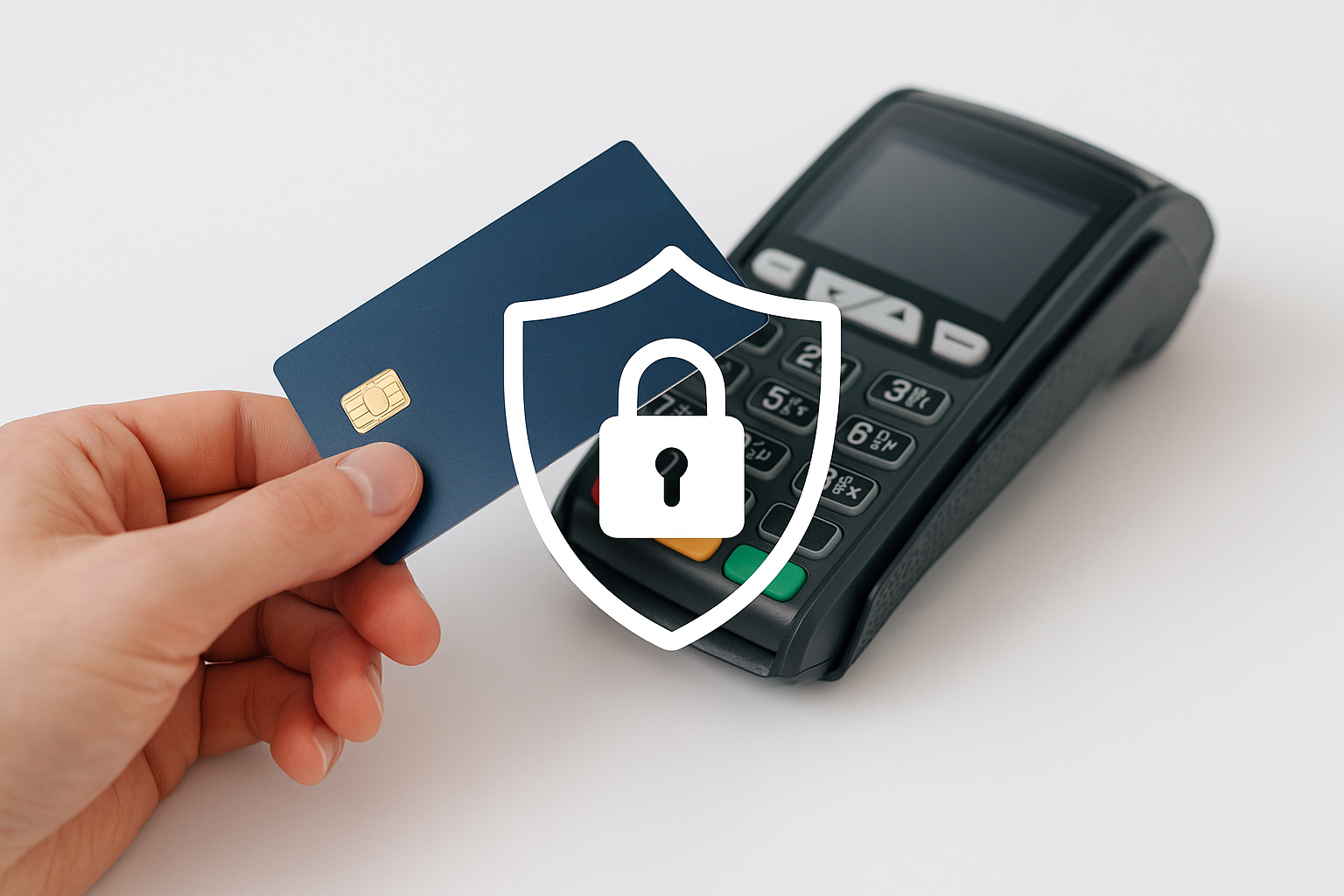
Payment Security: How to Protect Transactions and Build Customer Trust
Payment security is one of the most important parts of doing business online and in person. Every time a customer enters a card number, taps a phone to pay, or completes a digital checkout, they expect their information to be protected. A single weak point can lead to fraud, chargebacks, data breaches, and a loss of trust that is difficult to repair.
For businesses of all sizes, payment security is no longer optional. It is a core part of customer experience, operational resilience, and brand reputation. The good news is that with the right safeguards, you can reduce risk significantly while making payments smooth and convenient.
What Is Payment Security?
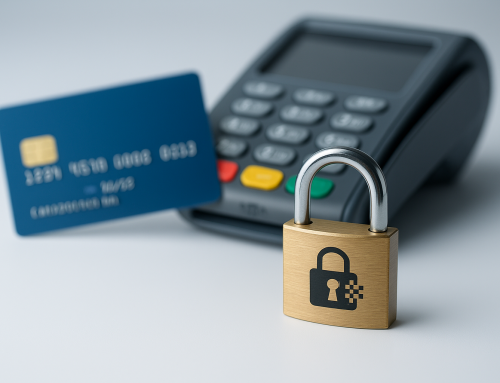
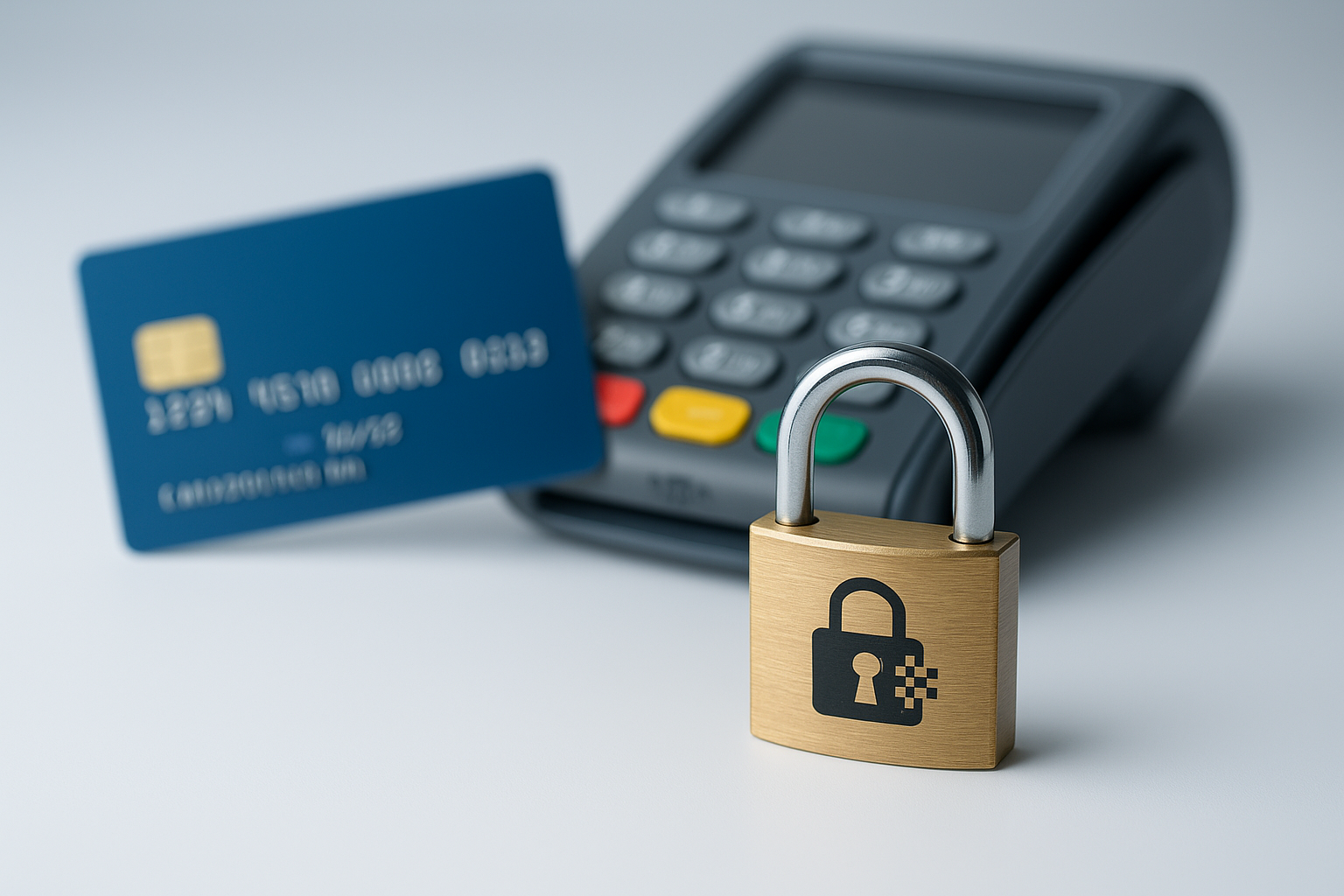
Payment security refers to the tools, processes, and standards used to protect financial transactions and sensitive customer data. Its purpose is to prevent unauthorized access, fraud, and misuse of payment information during the entire payment lifecycle.
This includes protecting data when it is collected, transmitted, processed, and stored. Strong payment security helps ensure that card numbers, bank details, and personal information remain safe whether the transaction happens on a website, in a mobile app, through a payment terminal, or via recurring billing.
Why Payment Security Matters
Payment security matters because the stakes are high for both businesses and customers. If payment data is compromised, the consequences can be costly and long-lasting.
Protects customer trust
Customers want confidence that their money and personal information are safe. When a payment experience feels secure, people are more likely to complete purchases and return in the future.
Reduces fraud and losses
Fraudulent transactions, account takeovers, and stolen card data can result in direct financial losses. Businesses may also face chargeback fees, investigation costs, and higher processing risks.
Supports compliance
Many industries must follow strict requirements such as PCI DSS, privacy laws, and regional banking regulations. Payment security helps organizations meet these obligations and avoid penalties.
Protects brand reputation
A breach can damage a business far beyond the immediate incident. Customers may leave, partners may lose confidence, and recovery can take years.
Common Payment Security Threats
To build strong defenses, it helps to understand the most common threats facing payment systems today.
Card-not-present fraud
Online and phone transactions are especially vulnerable because the card is not physically present. Fraudsters may use stolen card details to make unauthorized purchases.
Phishing and social engineering
Attackers often trick employees or customers into revealing credentials, card data, or one-time codes through fake emails, texts, or websites.
Malware and skimming
Malicious software can capture payment data from devices or checkout systems. In physical environments, skimming devices may be attached to terminals or ATMs to steal card information.
Data breaches
Hackers target databases, payment platforms, and poorly secured systems to steal sensitive data in bulk. Weak passwords, unpatched software, and exposed APIs often create entry points.
Account takeover
When criminals gain access to customer accounts, they can change payment details, place fraudulent orders, or drain stored balances.
Essential Layers of Payment Security
Effective payment security relies on multiple layers of protection rather than a single solution. Each layer reduces risk and helps compensate for weaknesses elsewhere.
Encryption
Encryption transforms sensitive payment data into unreadable code during transmission and storage. This helps protect information even if it is intercepted.
Tokenization
Tokenization replaces actual card details with a unique token that has no value outside the payment system. This means sensitive data is less exposed throughout internal workflows.
Secure payment gateways
A secure payment gateway acts as a protected bridge between the customer, business, and financial institutions. It should support encryption, fraud checks, and compliance features.
Multi-factor authentication
Multi-factor authentication adds an extra layer of verification for logins and administrative access. Even if a password is stolen, attackers are less likely to get in.
Access controls
Not every employee needs access to payment data. Role-based permissions limit exposure and reduce the risk of accidental or intentional misuse.
Fraud detection tools
Modern fraud tools analyze patterns such as unusual order volume, mismatched billing details, device changes, or suspicious IP addresses. These checks can block risky transactions before they are approved.
Best Practices for Strong Payment Security
Businesses can strengthen payment security by combining technical safeguards with smart operational habits. The following practices are essential.
Keep systems updated
Software, plugins, terminals, and payment applications should be updated regularly to patch security vulnerabilities. Outdated systems are one of the easiest ways for attackers to get in.
Use secure vendors
Choose payment processors, gateways, and service providers with strong security credentials and compliance certifications. Third-party risk is real, so vendor review should be part of your security process.
Train employees
Human error is a major cause of security incidents. Staff should know how to recognize phishing attempts, handle customer data carefully, and report suspicious activity quickly.
Monitor transactions
Real-time monitoring can help identify unusual activity before it becomes a larger problem. Look for repeated declined payments, rapid purchases, or login attempts from unusual locations.
Protect customer data
Collect only the data you need, store it securely, and remove it when it is no longer required. Reducing data exposure lowers the chance of misuse in the event of an incident.
Test security regularly
Security audits, penetration tests, and vulnerability scans help uncover gaps before attackers do. Regular testing is especially important as payment systems change over time.
Payment Security in E-Commerce and Mobile Payments
Online shopping and mobile payments bring convenience, but they also introduce new security challenges. Because customers often pay remotely, businesses must provide strong protections without making checkout cumbersome.
For e-commerce stores, secure checkout pages, HTTPS, fraud screening, and address verification can reduce risk. Mobile apps should use secure authentication, encrypted communication, and safe storage practices to protect in-app payments.
Businesses should also ensure that payment flows are simple and trustworthy. Clear branding, transparent billing descriptions, and secure payment indicators can reassure customers that the transaction is legitimate.
How to Choose a Secure Payment Solution
Selecting the right payment solution can make a major difference in your security posture. A strong provider should offer more than just payment processing; it should help protect your business and your customers.
When evaluating solutions, look for PCI compliance support, encryption and tokenization, fraud prevention features, authentication options, and detailed reporting. It is also wise to review how the provider handles dispute management, data retention, and incident response.
Equally important is the user experience. A secure payment system should not be confusing or slow. The best solutions balance protection with convenience so customers can pay quickly and safely.
The Future of Payment Security
Payment security continues to evolve as new technologies and fraud tactics emerge. Biometrics, behavioral analytics, AI-driven fraud detection, and real-time authentication are becoming more common in modern payment ecosystems.
At the same time, contactless payments, digital wallets, and open banking are changing how money moves. These innovations can improve security when implemented properly, but they also require businesses to stay alert and adapt quickly.
The future of payment security will likely depend on smarter automation, stronger identity verification, and continuous monitoring across every channel. Businesses that invest now will be better prepared for what comes next.
Conclusion
Payment security is essential for protecting revenue, reducing fraud, and earning customer trust. By using layered defenses, choosing secure vendors, training staff, and monitoring transactions carefully, businesses can create a safer payment environment.
In a world where digital payments are growing rapidly, strong security is not just a technical requirement. It is a competitive advantage that helps customers feel confident every time they pay.