Introduction
Payment security is one of the most important parts of doing business online. Every time a customer enters a card number, uses a digital wallet, or completes a bank transfer, sensitive information is exchanged. If that data is exposed, the result can be fraud, chargebacks, reputational damage, and lost customer trust. That is why businesses of every size need a clear, practical approach to securing payments.
Strong payment security does more than prevent fraud. It helps customers feel confident buying from you, supports compliance with industry standards, and reduces the cost of incidents that can disrupt operations. In this guide, we’ll cover what payment security means, the main threats to watch for, and the best practices that can help you keep transactions safe.
What Is Payment Security?
Payment security refers to the tools, processes, and policies used to protect payment information during collection, transmission, processing, and storage. The goal is to make sure that card data and other financial details remain confidential, accurate, and available only to authorized systems and people.
This applies to many types of transactions, including online checkout forms, in-store card readers, mobile payments, recurring billing, and peer-to-peer transfers. Payment security typically includes encryption, tokenization, fraud detection, access control, authentication, and compliance practices.
Why Payment Security Matters
Protects Sensitive Customer Data
Payment details are highly valuable to cybercriminals. Stolen card numbers, billing addresses, and security codes can be used for unauthorized purchases or sold on illegal marketplaces. Security controls help keep this information from being intercepted or misused.
Reduces Fraud and Chargebacks
Fraudulent transactions can lead to chargebacks, which cost businesses money in fees, lost inventory, and administrative effort. A secure payment environment makes it harder for attackers to exploit weak points in the checkout process.
Preserves Customer Trust
Customers expect a smooth and safe checkout experience. If they hear about a data breach or encounter suspicious payment behavior, they may abandon future purchases. A strong security posture supports loyalty and long-term growth.
Supports Regulatory and Industry Compliance
Many businesses must meet standards such as PCI DSS when handling card payments. Compliance helps establish a baseline of protection and reduces the risk of penalties, audits, and legal complications.
Common Payment Security Threats
Phishing and Social Engineering
Attackers often trick employees or customers into sharing payment details or login credentials. These scams may come through email, text messages, fake support calls, or malicious websites designed to look legitimate.
Card Not Present Fraud
In online and phone-based transactions, the card is not physically present, which makes it easier for stolen card details to be used fraudulently. Businesses need additional checks to verify the identity of the purchaser.
Data Breaches
If a system storing payment information is compromised, attackers may gain access to large volumes of sensitive data. Breaches can happen because of weak passwords, unpatched software, insecure integrations, or misconfigured cloud environments.
Malware and Skimming
Malware can capture payment data from point-of-sale systems, while skimming devices can be attached to card readers to steal card details. These threats are especially dangerous because they can go unnoticed for long periods.
Weak Authentication
When systems rely only on passwords, attackers may use stolen credentials to access payment dashboards, customer records, or administrative tools. Weak authentication is a common entry point for more serious attacks.
Best Practices for Secure Payments
Use Encryption Everywhere
Encryption protects payment data as it moves across networks and, in some cases, while it is stored. Secure protocols such as TLS help prevent attackers from reading information if they intercept traffic.
Implement Tokenization
Tokenization replaces sensitive card data with a non-sensitive substitute, or token. This means the actual payment information does not need to be exposed in every system that handles the transaction, reducing risk significantly.
Follow PCI DSS Requirements
The Payment Card Industry Data Security Standard provides a framework for protecting cardholder data. It includes requirements for secure networks, access control, monitoring, and vulnerability management. Even if your business works with a payment processor, you may still have PCI responsibilities.
Enable Multi-Factor Authentication
Multi-factor authentication adds an extra layer of protection for payment systems and admin accounts. Even if a password is stolen, the attacker still needs another factor, such as a code from an app or a hardware key.
Limit Access to Payment Data
Only employees who truly need access should be able to view or manage payment information. Role-based access control helps reduce the chance of misuse, human error, or insider threats.
Monitor for Suspicious Activity
Real-time fraud detection tools can flag unusual behavior, such as multiple failed payment attempts, high-value transactions from unfamiliar locations, or rapid checkout attempts from the same device. Monitoring gives businesses a chance to stop fraud before it becomes a bigger issue.
Keep Systems Updated
Outdated software can contain known vulnerabilities that attackers already know how to exploit. Regular patching of payment platforms, plugins, plugins, operating systems, and security tools is essential for reducing exposure.
Train Employees Regularly
Human error is one of the biggest security risks. Training staff to recognize phishing attempts, follow secure payment procedures, and handle sensitive information carefully can prevent many incidents before they start.
Payment Security for Online Businesses
Online businesses face unique challenges because customers and payment systems interact across the internet. A secure checkout page should use HTTPS, trusted payment gateways, and fraud screening tools. It is also important to validate user input, protect customer accounts from takeover attempts, and avoid storing card data unless absolutely necessary.
Subscription services and e-commerce stores should pay special attention to recurring billing systems, account management pages, and third-party integrations. Each connection point creates a possible attack path, so vendor security matters as much as internal controls.
How Payment Gateways Help
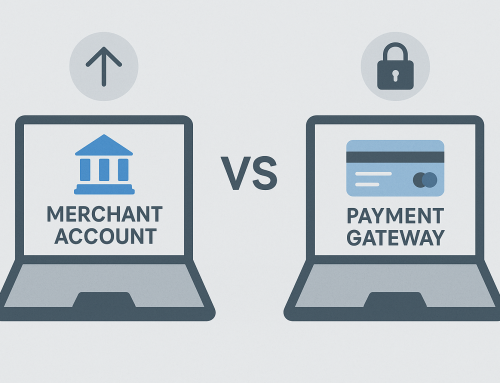
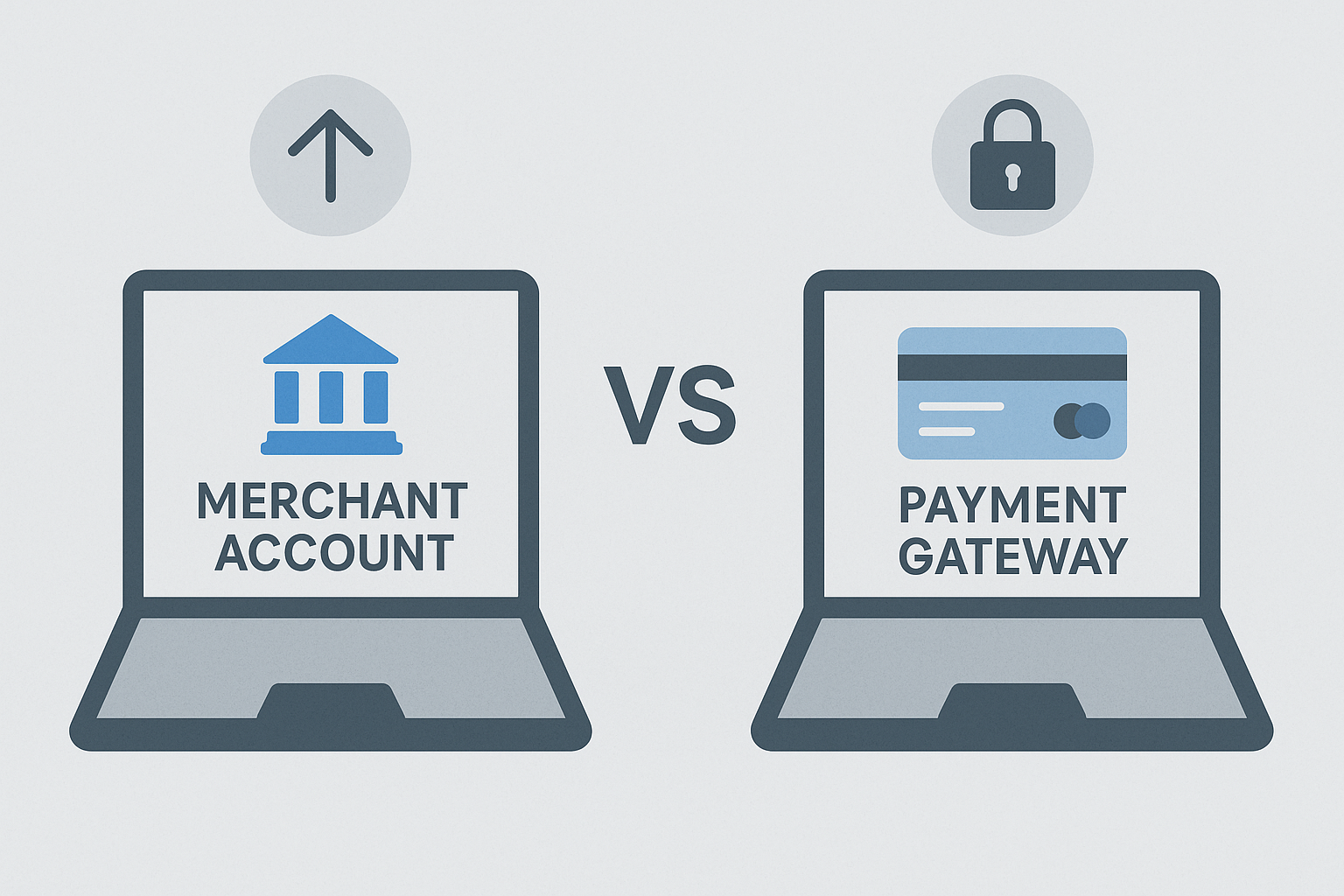
Payment gateways act as secure intermediaries between your business, your customers, and financial institutions. A reputable gateway can help encrypt transaction data, support tokenization, and reduce the amount of sensitive information your business needs to handle directly.
When choosing a gateway, look for strong security features, fraud tools, compliance support, and a good reputation. The right provider can lower your risk while making checkout faster and easier for customers.
Conclusion
Payment security is not just a technical issue; it is a business priority. By using encryption, tokenization, strong authentication, access controls, and regular monitoring, you can reduce fraud risk and protect customer trust. A secure payment process creates a better experience for buyers and a stronger foundation for your business.