What Are Merchant Services?
Merchant services are the tools and payment solutions businesses use to accept and process payments from customers. At the most basic level, they make it possible to take credit cards, debit cards, and digital payments both in person and online. For many businesses, merchant services are the backbone of smooth transactions, helping customers pay the way they prefer while ensuring funds move securely from the customer’s account to the business.
These services are especially important in today’s cash-light economy. Whether you run a retail shop, restaurant, e-commerce store, or service business, customers expect fast, convenient payment options. Merchant services help meet those expectations while giving business owners the technology and support needed to manage transactions efficiently.
How Merchant Services Work
When a customer pays with a card or digital wallet, several systems work together behind the scenes. The payment information is captured through a terminal, POS system, or payment gateway, then securely transmitted for authorization. The cardholder’s bank checks whether the payment is valid and confirms if enough funds or credit are available. If approved, the transaction is completed and the money is settled into the merchant’s bank account, usually within a few business days.
This process may happen in seconds, but it relies on a network of technology and financial partners. Merchant service providers connect the business to payment processors, acquiring banks, and card networks such as Visa, Mastercard, American Express, and Discover. The result is a streamlined payment experience for both the business and the customer.
Key Components of Merchant Services
Merchant services are more than just card readers. A complete solution may include:
- Payment processing: The system that handles authorization, capture, and settlement of payments.
- Point-of-sale (POS) systems: Hardware and software used to accept payments and manage sales.
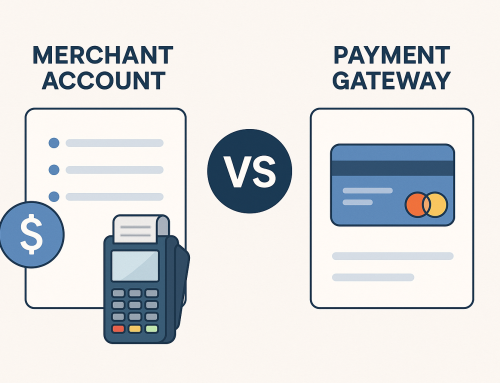
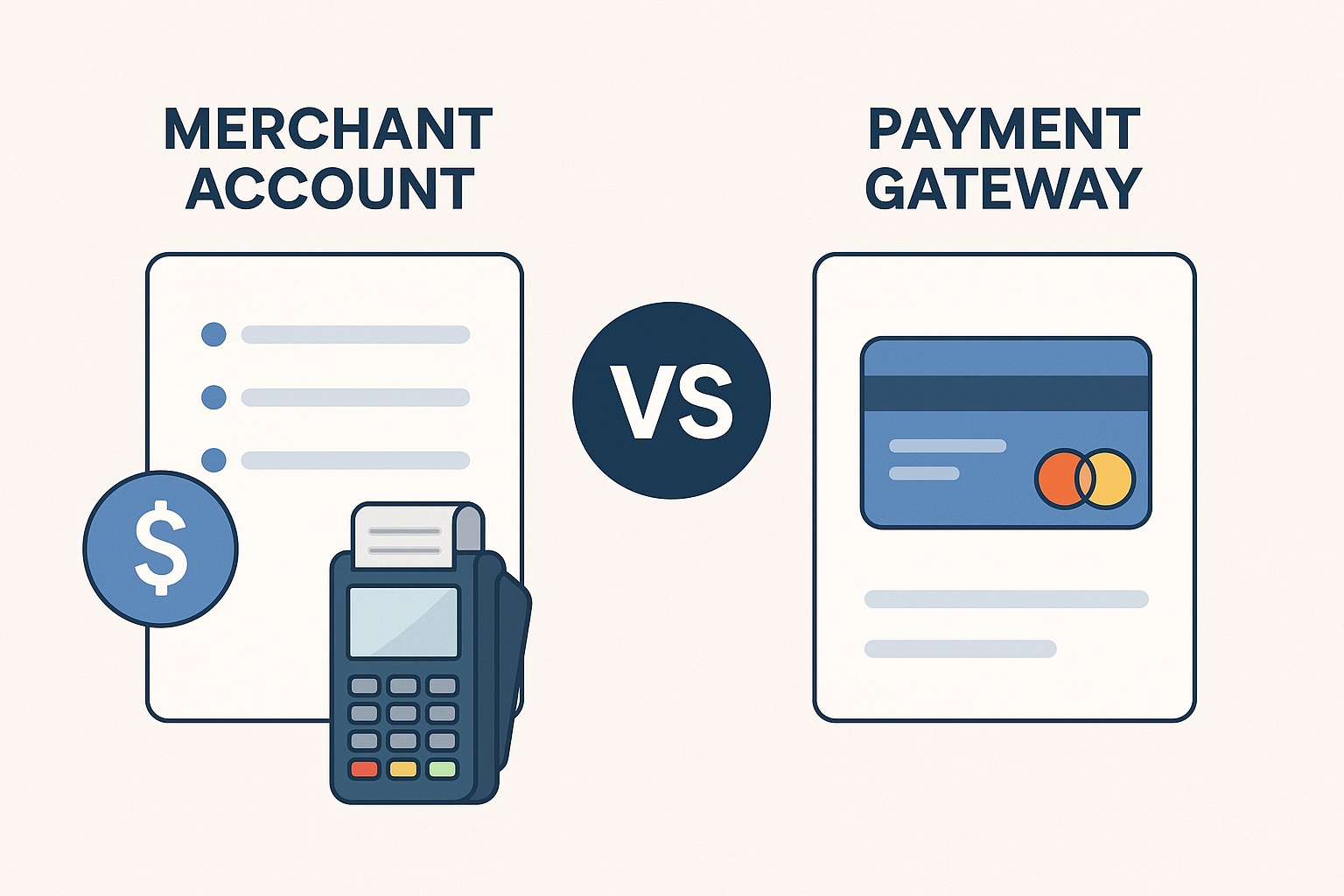
- Payment gateways: Online tools that securely transmit payment data for e-commerce transactions.
- Merchant accounts: Specialized accounts that temporarily hold card payment funds before transfer to the business bank account.
- Virtual terminals: Web-based tools for manually entering payment information over the phone or by mail.
- Fraud prevention tools: Security features that help detect suspicious transactions and protect sensitive data.
Depending on the provider, merchant services may also include invoicing, recurring billing, inventory management, customer analytics, and reporting tools.
Why Merchant Services Matter for Businesses
Accepting a wide range of payment methods is no longer optional for most businesses. Merchant services help companies stay competitive, improve cash flow, and deliver a better customer experience. When customers can pay quickly and securely, the transaction process feels easier and more professional.
Merchant services can also reduce manual work. Instead of handling cash, tracking checks, or reconciling scattered payments, businesses can automate much of the process. This saves time, lowers the risk of human error, and makes accounting easier at the end of the day or month.
Another major advantage is increased sales potential. Customers are more likely to complete a purchase when their preferred payment method is accepted. Businesses that offer card, contactless, mobile wallet, and online payment options often see fewer abandoned transactions and stronger revenue growth.
Types of Merchant Services
Merchant services are not one-size-fits-all. Different business models require different payment solutions, and understanding the main types can help you choose the right setup.
In-Person Payment Solutions
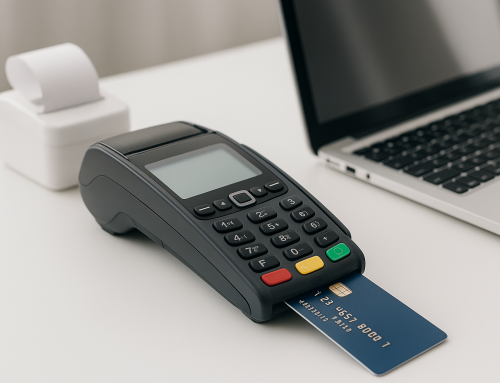
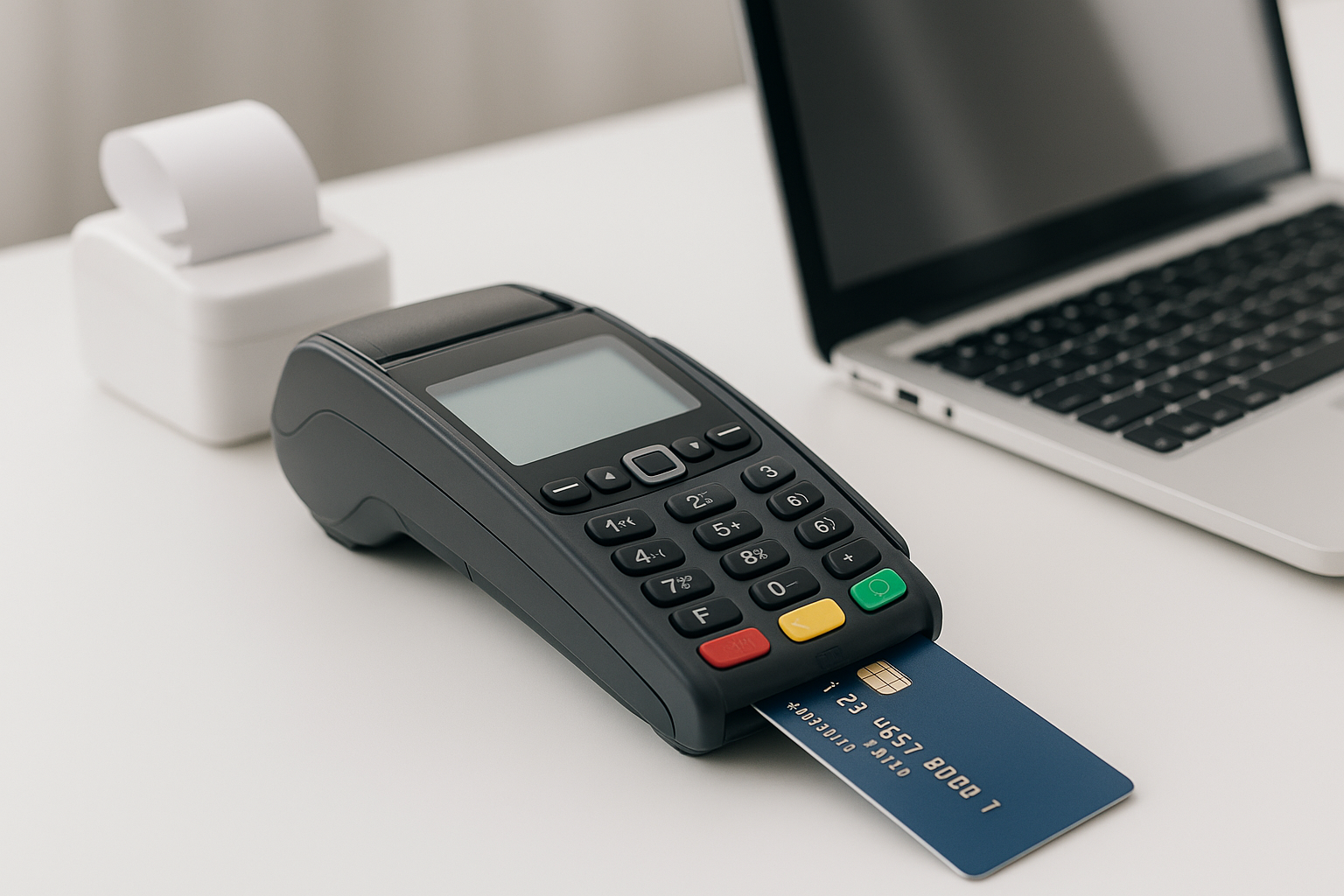
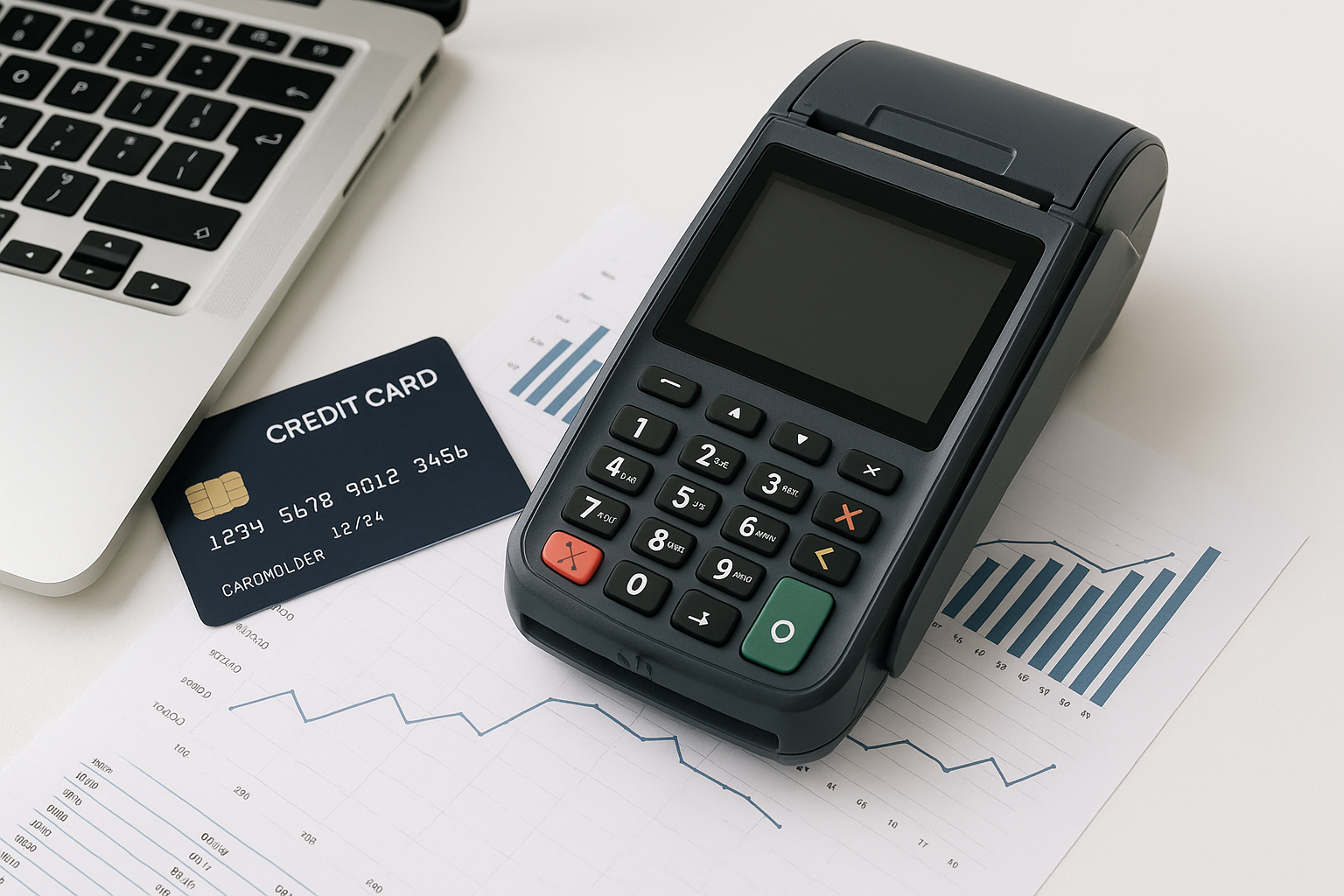
Retail stores, restaurants, salons, and other face-to-face businesses often use card readers, countertop terminals, and mobile POS systems. These solutions allow customers to tap, dip, or swipe their cards, and many now support contactless payments through smartphones and smartwatches.
Online Payment Solutions
E-commerce businesses rely on payment gateways and checkout pages that securely collect payment details. These tools are designed to protect sensitive information while creating a smooth online shopping experience. Online merchant services may also include recurring billing for subscriptions and digital invoicing for services.
Mobile and On-the-Go Payments
Service providers, delivery businesses, contractors, and pop-up vendors often need portable payment solutions. Mobile card readers and app-based systems allow payments to be taken anywhere with an internet connection. This flexibility is ideal for businesses that do not operate from a fixed location.
Integrated Business Tools
Many modern merchant service providers offer integrated software that connects payments with accounting, inventory, customer relationship management, and reporting. These all-in-one systems simplify operations and help business owners make better decisions based on real-time data.
How to Choose the Right Merchant Services Provider
Selecting the right merchant services provider can have a big impact on your business’s costs, efficiency, and customer satisfaction. The best provider for your business depends on your transaction volume, sales environment, and the features you need.
Start by comparing pricing structures. Some providers charge a flat monthly fee, while others use interchange-plus or tiered pricing models. It’s important to understand the total cost, including transaction fees, equipment costs, monthly minimums, and early termination fees. A low headline rate may not always mean the best value.
Next, look at the payment methods supported. If your customers prefer mobile wallets, contactless payments, recurring billing, or international cards, make sure the provider can handle them. Compatibility with your existing POS system or e-commerce platform is also essential.
Security should be a top priority. Choose a provider that offers PCI compliance support, encryption, tokenization, and fraud monitoring. Reliable customer service is equally important, especially if payment issues could interrupt your sales. Fast access to help can make a major difference during busy business hours.
Finally, consider scalability. A provider that works for a small startup should also be able to support growth as your transaction volume increases or your business expands into new sales channels.
Common Merchant Services Fees and Terms
Merchant services often come with several types of fees, and understanding them helps prevent surprises on your monthly statement. Common charges include transaction fees, monthly account fees, equipment rental or purchase costs, chargeback fees, and PCI compliance fees. Some providers may also charge statement fees, batch fees, or cancellation fees.
It is also important to know the difference between a merchant account and a payment processor. The payment processor moves transaction data between parties, while the merchant account is where approved funds are held before being deposited into your business bank account. Some providers bundle both services together, while others work through separate partners.
Reading the contract carefully is essential. Look for automatic renewal clauses, processing limits, and any penalties tied to early cancellation. Asking for a full fee breakdown before signing can save time and money later.
Benefits of Merchant Services for Small Businesses
Small businesses, in particular, can gain a lot from the right merchant services setup. Accepting cards and digital payments can help them compete with larger companies, create a more polished customer experience, and improve cash flow by reducing dependence on cash or delayed payments.
Merchant services also support business growth by making it easier to sell across multiple channels. A small retailer might sell in-store, online, and through local delivery, all while using one payment system to manage transactions. That convenience can simplify operations and help the business scale more efficiently.
In addition, many merchant service providers offer reporting tools that give small business owners useful insights into sales trends, customer behavior, and peak transaction times. These details can inform staffing, inventory planning, and marketing decisions.
Conclusion
Merchant services are essential for businesses that want to accept payments securely, efficiently, and in the ways customers expect. From in-person sales to online checkout and mobile payments, the right solution can improve cash flow, reduce friction, and support long-term growth. By understanding how merchant services work and what to look for in a provider, business owners can make smarter choices that benefit both operations and customer satisfaction.