Merchant services are the tools and payment solutions businesses use to accept and process customer payments. From credit and debit cards to digital wallets and online checkout systems, merchant services make it possible for businesses to get paid quickly, securely, and efficiently. For many companies, especially small and growing ones, choosing the right merchant services provider can have a major impact on cash flow, customer experience, and overall operations.
What Are Merchant Services?
Merchant services refer to a broad set of financial and technology services that help businesses accept electronic payments. These services usually include payment processing, point-of-sale systems, payment gateways, merchant accounts, and fraud prevention tools. In simple terms, merchant services connect your business to the payment networks that move money from your customer’s account to your business account.
Today’s customers expect flexible payment options. Whether they’re shopping in person, online, over the phone, or through a mobile device, merchant services allow businesses to meet those expectations and provide a smoother checkout experience.
Common Components of Merchant Services
A typical merchant services setup may include:
- Merchant account: A special account that temporarily holds funds from card payments before they are deposited into your business bank account.
- Payment processor: The company that handles the transaction between your business, the card networks, and the customer’s bank.
- Payment gateway: The technology that securely captures and transmits payment data for online transactions.
- Point-of-sale system: Hardware and software used to process payments in-store or on the go.
- Fraud and security tools: Features such as encryption, tokenization, and address verification that help protect sensitive payment data.
Why Merchant Services Matter for Businesses
Accepting payments efficiently is essential for nearly every business. Merchant services do more than just process transactions; they help create a professional, convenient, and secure experience for customers. Businesses that offer multiple payment methods often see higher conversion rates and fewer abandoned purchases.
Merchant services also support better financial management. Faster payment settlement can improve cash flow, while reporting tools can help business owners track sales, identify trends, and manage inventory. For businesses operating in competitive markets, reliable merchant services can be an important advantage.
Benefits of Merchant Services
- Convenience: Customers can pay using the method they prefer.
- Speed: Transactions are processed quickly, improving checkout efficiency.
- Security: Modern systems reduce the risk of fraud and data breaches.
- Flexibility: Businesses can accept payments in-store, online, and on mobile devices.
- Professionalism: A seamless payment process builds trust and enhances the customer experience.
How Merchant Services Work
Although the process happens in seconds, several steps take place when a customer pays with a card or digital wallet. First, the payment details are captured through a terminal, website checkout, or mobile device. The payment processor then sends the information through the appropriate card network to the customer’s bank or card issuer.
The issuer checks whether the account has sufficient funds or available credit and determines whether to approve the payment. Once approved, the transaction is completed and the funds are routed to the merchant account. After processing and settlement, the money is transferred to the business bank account, usually within one to two business days, depending on the provider.
This behind-the-scenes system allows businesses to receive payments securely while customers enjoy fast and simple checkout.
Types of Merchant Services
Merchant services are not one-size-fits-all. The right setup depends on how and where your business operates. A retail shop, restaurant, e-commerce store, and service-based business may all need different payment tools.
In-Store Payment Solutions
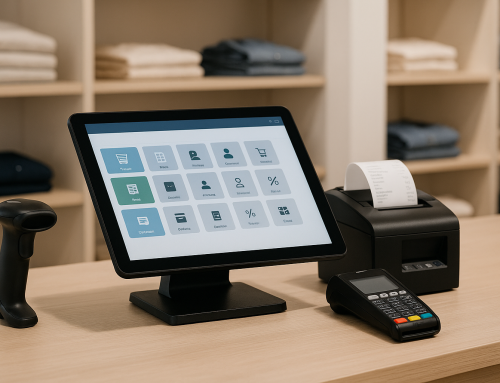
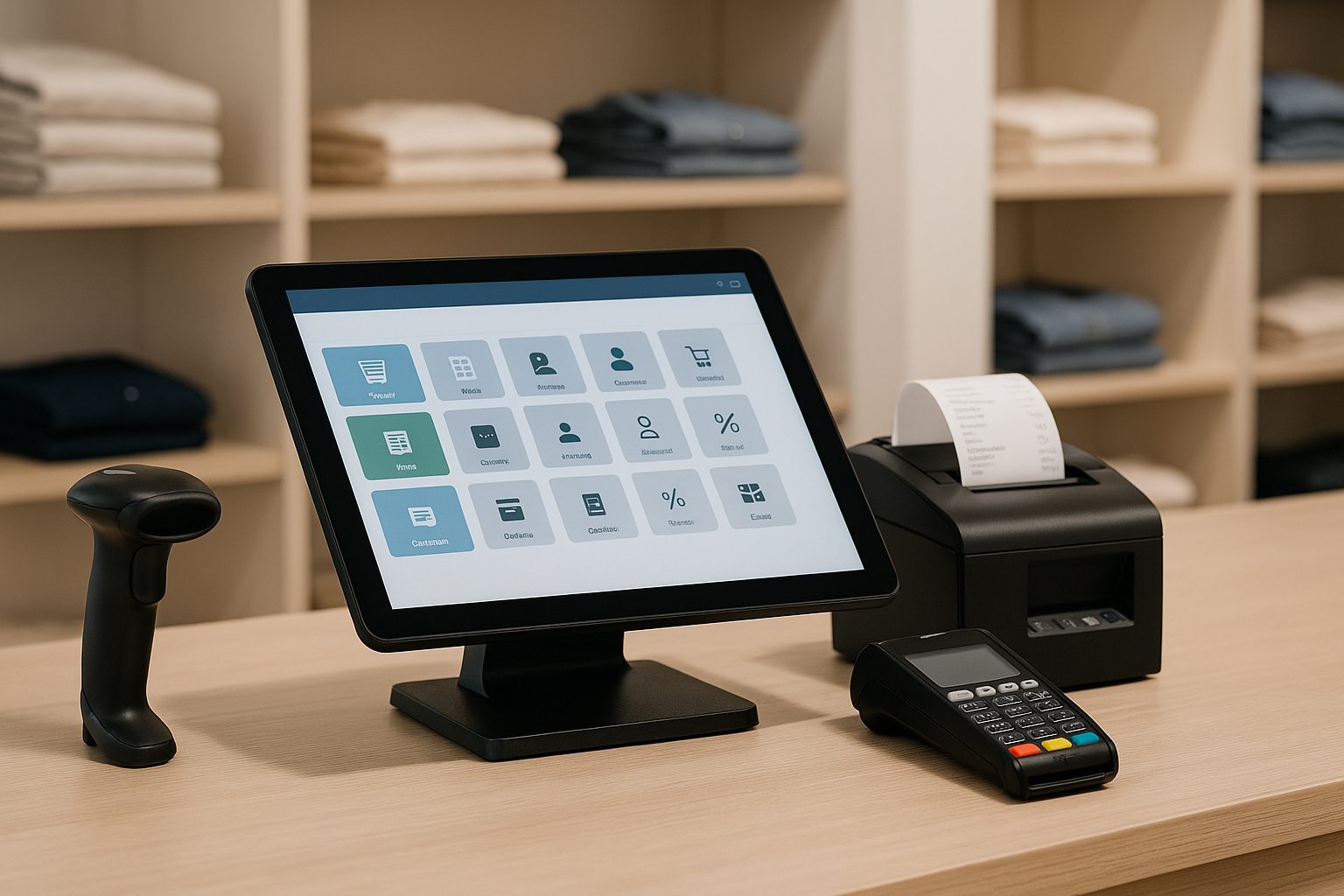
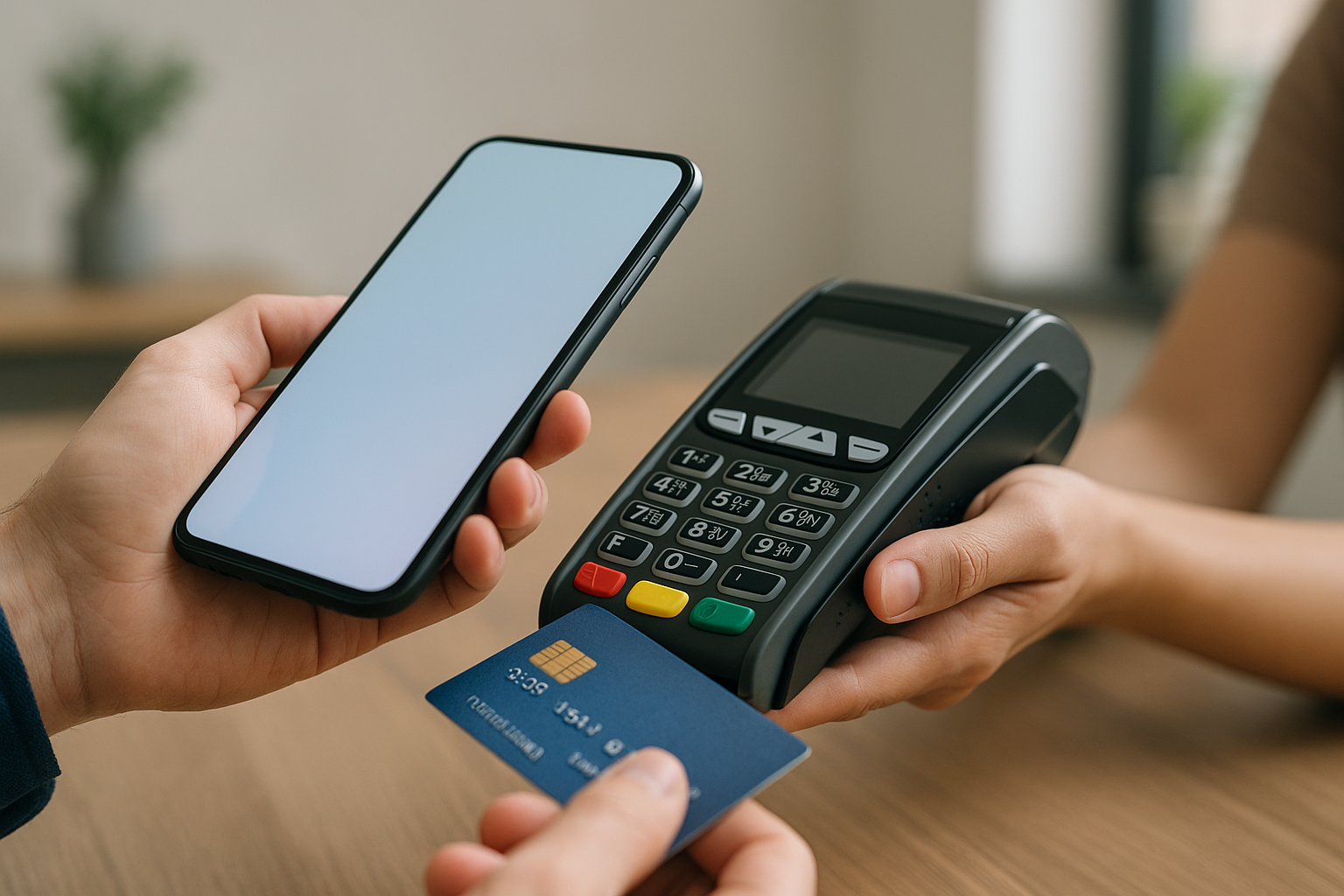
Brick-and-mortar businesses often use card readers, countertop terminals, and complete point-of-sale systems. These tools are useful for processing chip cards, tap-to-pay transactions, and mobile payments. Many modern POS systems also include inventory management, employee tracking, and sales reporting features.
Online Payment Processing
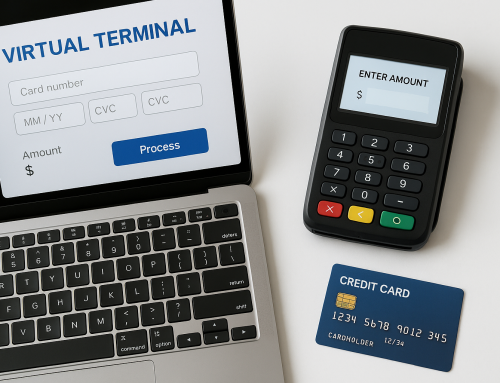
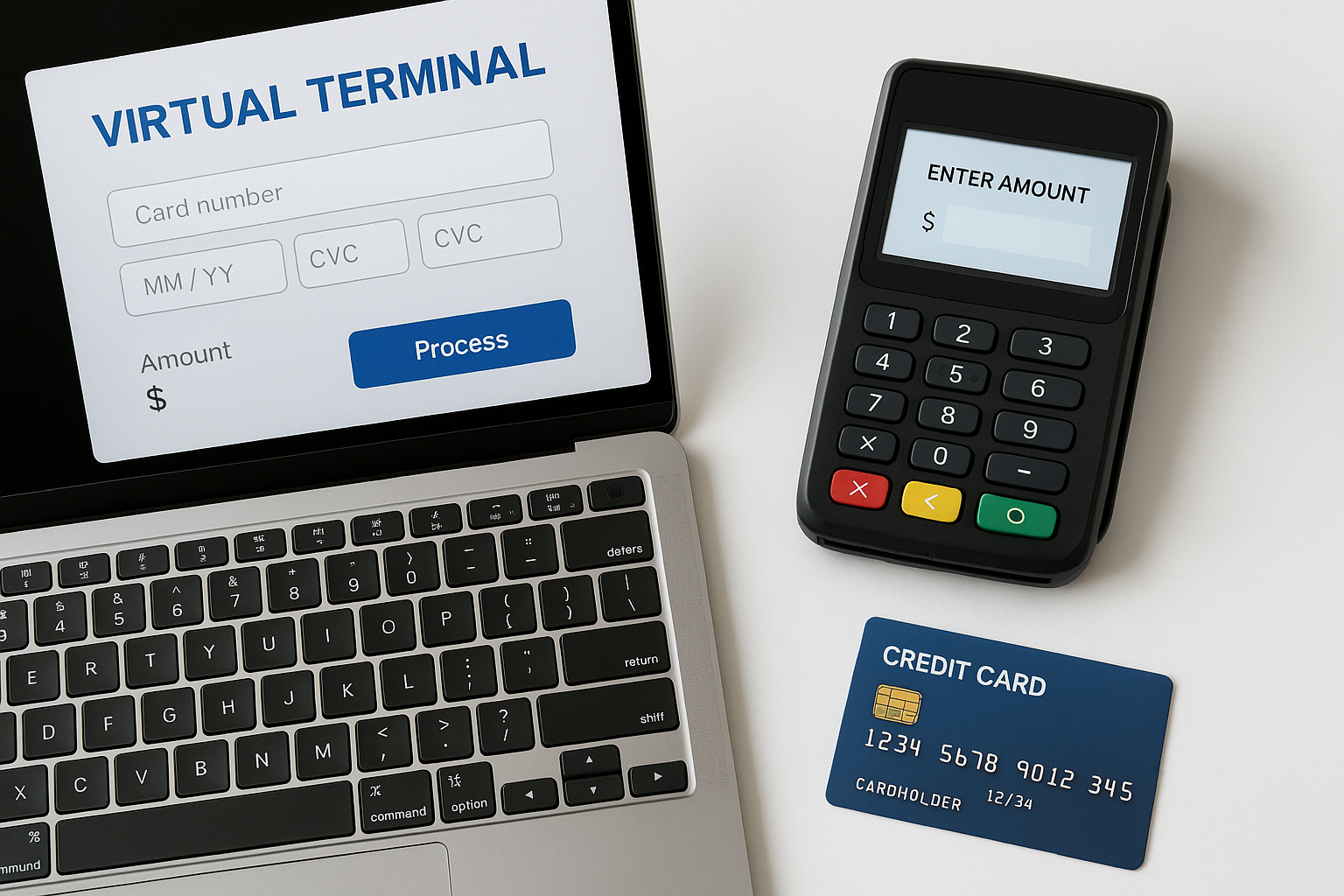
For e-commerce businesses, merchant services typically include a payment gateway and checkout integration. These systems allow customers to enter payment information securely on a website or app. Online solutions often support recurring billing, saved payment methods, and cart integration.
Mobile and On-the-Go Payments
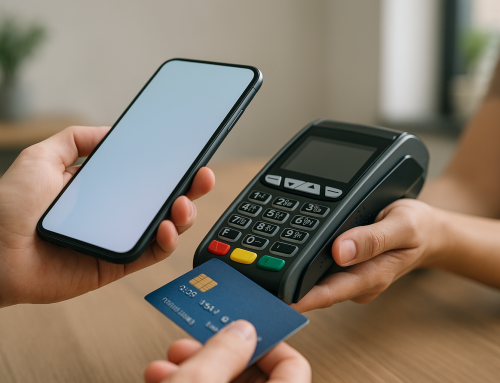
Businesses that work in the field, such as contractors, delivery services, and pop-up vendors, often rely on mobile card readers and smartphone-based payment apps. These portable solutions make it easy to accept payments anywhere, helping businesses stay flexible and responsive.
How to Choose the Right Merchant Services Provider
Selecting a merchant services provider is an important decision. The right partner can help your business operate smoothly, while the wrong one can lead to hidden fees, technical issues, or poor support. Before signing a contract, it’s important to compare providers carefully.
Key Factors to Consider
- Pricing structure: Look at transaction fees, monthly fees, chargeback fees, and any equipment costs.
- Contract terms: Check whether the provider requires a long-term agreement or charges cancellation fees.
- Payment methods supported: Make sure the provider handles the types of payments your customers use most.
- Integration options: Confirm the system works with your website, accounting software, or POS platform.
- Security features: Choose a provider with strong fraud protection and PCI compliance support.
- Customer support: Responsive support is important if transactions fail or equipment stops working.
It’s also a good idea to ask for a clear explanation of fees and settlement timing. Transparent pricing and dependable service are often more valuable than the lowest advertised rate.
Merchant Services for Small Businesses
Small businesses often benefit the most from well-chosen merchant services. A reliable payment setup can help save time, reduce manual work, and make a business appear more established. Even a simple setup that accepts cards and digital wallets can improve customer satisfaction and increase sales.
For small business owners, affordability and ease of use are especially important. Some providers offer bundled packages with payment hardware, software, and reporting tools in one solution. Others specialize in low-cost processing for businesses with modest sales volume. The best option depends on your business model, transaction volume, and growth goals.
Trends Shaping the Future of Merchant Services
Merchant services continue to evolve as payment technology changes. Contactless payments, mobile wallets, and buy-now-pay-later options are becoming more common. Many businesses are also adopting unified commerce platforms that bring in-store, online, and mobile payments into one system.
Artificial intelligence and advanced analytics are helping providers detect fraud faster and offer better insights into customer behavior. At the same time, businesses are looking for simpler, more transparent pricing models and easier ways to manage their payments in one place.
As customer expectations change, merchant services will continue to play a central role in helping businesses stay competitive and flexible.
Conclusion
Merchant services are essential for businesses that want to accept payments securely, efficiently, and across multiple channels. By understanding how these services work and choosing the right provider, business owners can improve the customer experience, strengthen cash flow, and set their business up for long-term success. Whether you’re starting a new business or upgrading your current payment system, the right merchant services solution can make a meaningful difference.