
What Is Credit Card Processing?
Credit card processing is the system that allows businesses to accept payments made with credit and debit cards. When a customer pays, a series of secure steps happens behind the scenes to move funds from the cardholder’s bank account or credit line to the merchant’s business account. Although the transaction feels instant, several parties are involved, including the cardholder, the merchant, the payment processor, the card network, and the issuing bank.
For businesses of all sizes, credit card processing is essential because customers increasingly expect fast, flexible, and secure payment options. Whether a purchase happens in-store, online, by phone, or through a mobile device, the processing system makes it possible to complete the sale efficiently.
How Credit Card Processing Works
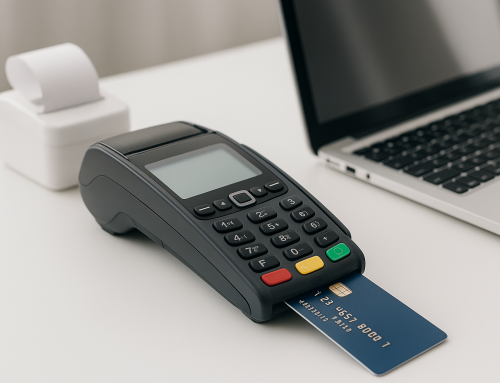
The process begins when a customer provides payment information at checkout. The merchant’s point-of-sale system or payment gateway sends the details to a payment processor, which then routes the request through the appropriate card network, such as Visa, Mastercard, American Express, or Discover. The issuing bank reviews the transaction, checks for available funds or credit, and decides whether to approve or decline the payment.
If the transaction is approved, an authorization message is sent back through the same chain. The business can then complete the sale. Later, during settlement, the funds are transferred from the customer’s bank or card issuer to the merchant’s acquiring bank, minus any processing fees. This entire process typically takes only a few seconds for authorization and one to three business days for settlement.
Authorization, Capture, and Settlement
There are three main stages in card processing. Authorization is the first step, where the issuing bank confirms that the card is valid and the account has enough credit or funds. Capture usually happens after authorization and signals that the merchant is ready to finalize the charge. Settlement is the final stage, where money actually moves into the merchant’s account.
Understanding these stages helps business owners manage cash flow, refunds, and chargebacks more effectively. It also explains why a transaction may be approved immediately but not deposited into the business bank account until later.
The Key Players in the Payment Process
Credit card processing involves several entities working together to ensure payments are secure and accurate. Each one plays a specific role in the transaction flow.
Cardholder and Merchant
The cardholder is the customer making the purchase, while the merchant is the business receiving payment. The merchant initiates the transaction by submitting payment details through a checkout system.
Payment Processor
The payment processor handles the communication between the merchant, the card networks, and the banks. It is responsible for transmitting transaction data, helping to secure sensitive information, and managing the overall payment workflow.
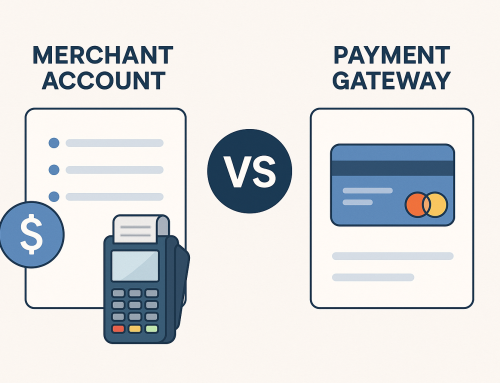
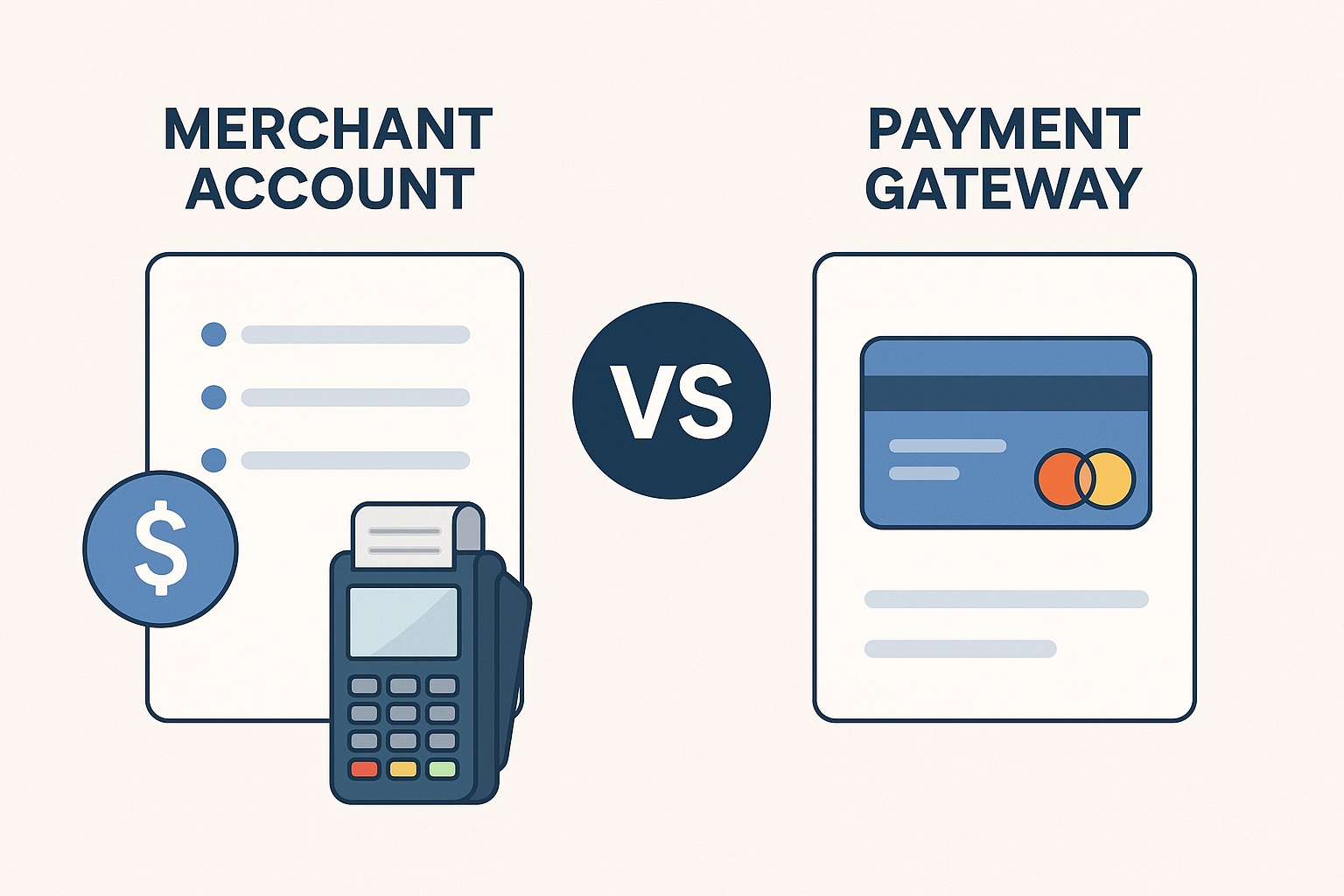
Payment Gateway
A payment gateway is the technology used to collect and encrypt payment information, especially for online transactions. It acts like a digital bridge between the merchant’s website or checkout page and the processor.
Card Network and Issuing Bank
Card networks set the rules for how transactions are processed, while the issuing bank is the financial institution that provided the customer’s card. The issuing bank approves or declines the charge based on available funds, fraud checks, and account status.
Types of Credit Card Processing Fees
One of the most important parts of choosing a payment solution is understanding the costs. Credit card processing fees can vary widely depending on the provider, transaction volume, industry, and risk level.
Interchange Fees
Interchange fees are paid to the cardholder’s bank and usually make up the largest portion of processing costs. These fees are set by the card networks and typically vary based on factors like card type, transaction method, and whether the card is swiped, dipped, tapped, or entered manually.
Assessment Fees
Assessment fees are charged by the card networks themselves. They are generally smaller than interchange fees but still contribute to the total cost of processing.
Processor Markup
The processor markup is what the payment provider charges for its services. This may be a flat monthly fee, a percentage of each transaction, or both. Some processors also charge additional fees for statements, PCI compliance, chargebacks, batch processing, or equipment rentals.
Business owners should review pricing carefully because the lowest advertised rate is not always the full picture. Hidden fees can make a seemingly affordable processor much more expensive over time.
Common Pricing Models
Payment providers typically use one of a few pricing structures. Each model has pros and cons, and the best choice depends on transaction volume and business type.
Flat-Rate Pricing
Flat-rate pricing charges the same percentage on most transactions, making it simple and predictable. This model is popular with small businesses and startups because it is easy to understand and budget for.
Interchange-Plus Pricing
Interchange-plus pricing separates the actual interchange cost from the processor’s markup. This model is often more transparent and can be more cost-effective for growing businesses or those with higher processing volume.
Tiered Pricing
Tiered pricing groups transactions into categories such as qualified, mid-qualified, and non-qualified. While it may look straightforward, it can be harder to predict and may include higher costs for certain types of transactions.
How to Choose a Credit Card Processor
Selecting the right processor can have a major impact on your profit margins, customer experience, and day-to-day operations. The best provider for your business will depend on your sales channels, average ticket size, and expected volume.
Consider Your Business Needs
Start by identifying how and where you accept payments. A retail store may need a reliable point-of-sale system, while an e-commerce business needs a secure gateway and shopping cart integration. Service-based businesses may need invoicing tools, recurring billing, or mobile payment options.
Compare Fees and Contract Terms
Look beyond the advertised rate and compare all costs, including setup fees, monthly fees, PCI compliance charges, and cancellation penalties. A transparent contract can save money and reduce frustration later.
Evaluate Security and Support
Payment security is critical. Choose a processor that offers encryption, tokenization, fraud detection tools, and PCI compliance support. Strong customer service is equally important, especially if you need help during a payment outage or dispute.
Check Integrations and Scalability
Your processor should work smoothly with your accounting software, e-commerce platform, invoicing tools, and inventory system. It should also be able to scale as your business grows, so you do not need to switch providers too soon.
Security and Compliance in Credit Card Processing
Security is one of the most important aspects of processing card payments. Businesses must protect customer data and reduce the risk of fraud, data breaches, and chargebacks. PCI DSS, or Payment Card Industry Data Security Standard, sets the security requirements for businesses that handle cardholder information.
Using encrypted payment technology, keeping software updated, and limiting access to sensitive data can help reduce risks. Tokenization is another useful tool because it replaces card data with a secure token that can be used for future transactions without exposing the original information.
Merchants should also train employees to recognize suspicious activity and follow proper payment procedures. Even a small mistake, like storing card information incorrectly, can create compliance issues and financial losses.
Benefits of Efficient Credit Card Processing
Efficient credit card processing can improve both customer satisfaction and business performance. Customers appreciate quick, convenient checkout experiences, and businesses benefit from faster payments, fewer manual tasks, and improved cash flow. Reliable processing also supports remote sales, recurring payments, and broader market reach.
In addition, modern payment systems can provide useful reporting and analytics. These insights help business owners identify sales trends, track peak hours, and make smarter decisions about staffing, inventory, and marketing.
Conclusion
Credit card processing is more than a back-end function; it is a core part of how modern businesses operate. By understanding how transactions work, what fees to expect, and how to choose the right provider, business owners can create a smoother checkout experience and protect their bottom line. The right processing solution should be secure, transparent, and flexible enough to grow with your business.