How Much Does Credit Card Processing Cost?
Credit card processing costs can be confusing because there isn’t just one fee. In most cases, businesses pay a mix of charges every time they accept a card payment. These costs may include interchange fees, assessment fees, payment processor markups, monthly account fees, chargeback fees, and sometimes equipment or gateway costs.
The good news is that once you understand the pricing structure, it becomes much easier to estimate what you’ll pay and compare providers. For many businesses, credit card processing falls somewhere between 1.5% and 3.5% per transaction, but the actual cost depends on your business type, transaction method, average ticket size, and the pricing model your processor uses.
What Makes Up Credit Card Processing Fees?
Before you can estimate your total cost, it helps to understand the main components of credit card processing pricing.
Interchange Fees
Interchange fees are set by the card networks, such as Visa and Mastercard, and are paid to the card-issuing bank. These fees usually make up the largest portion of your processing cost. Interchange rates vary based on factors like card type, how the payment was accepted, and the level of risk involved.
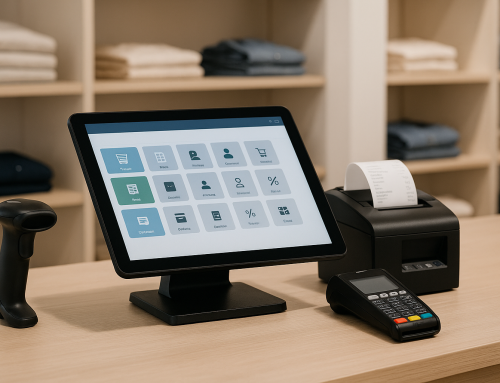
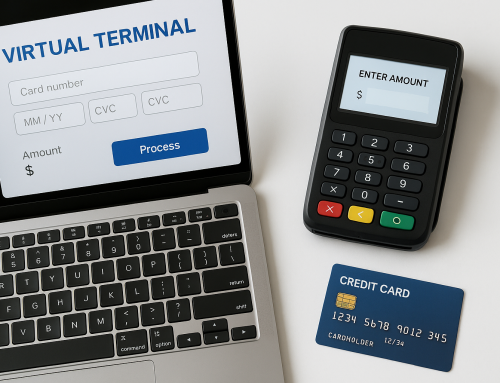
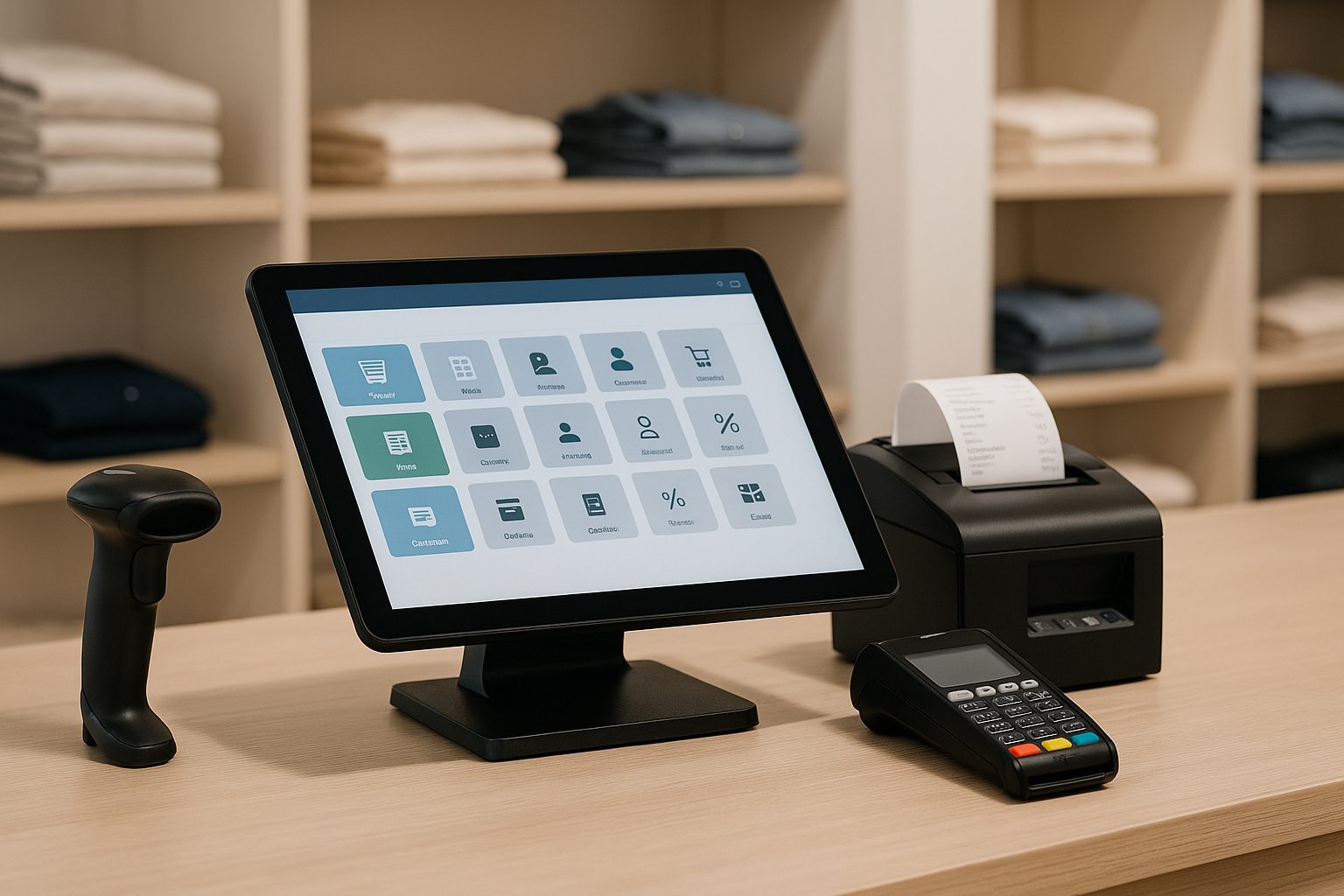
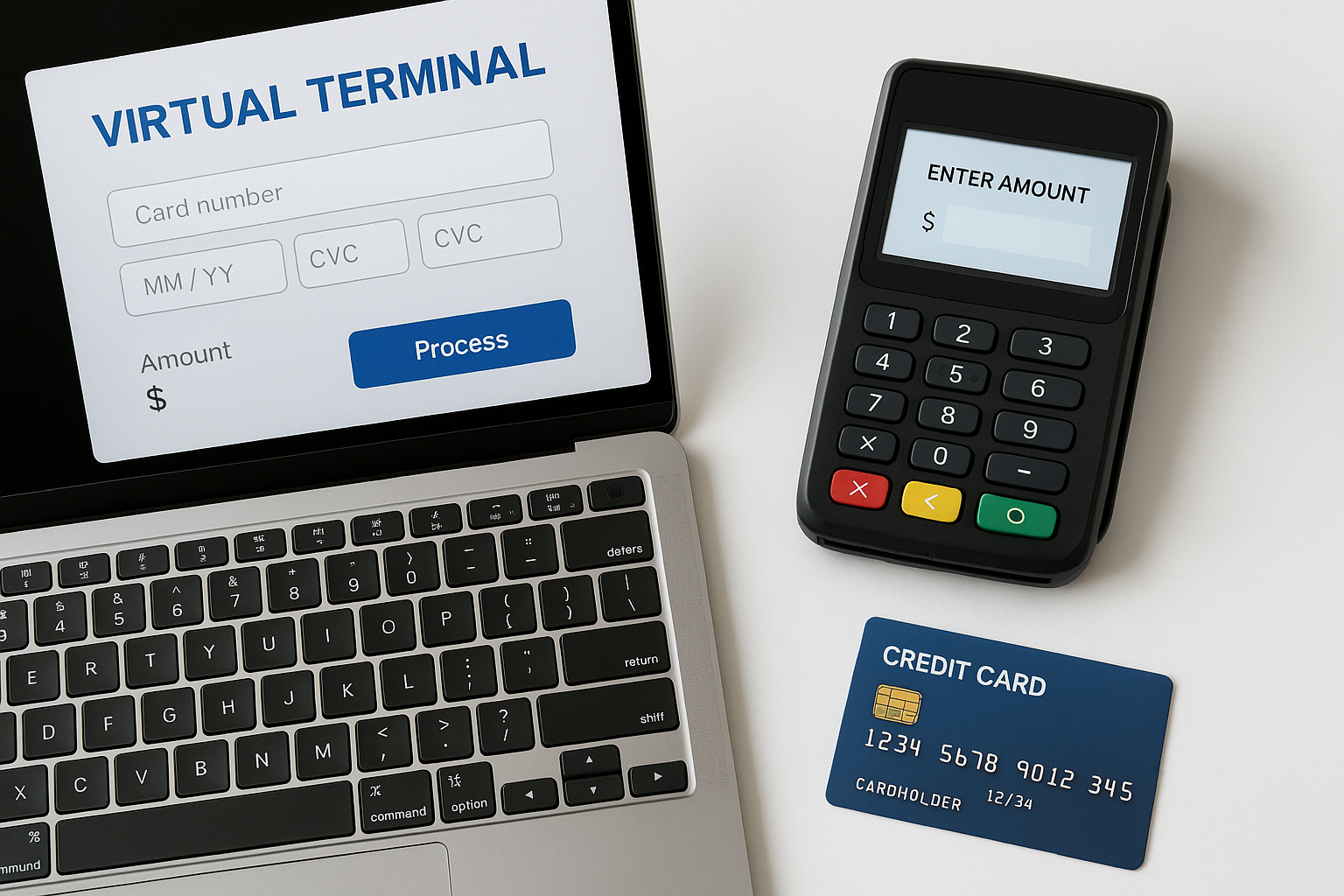
For example, a card-present transaction in a retail store often costs less to process than a keyed-in or online transaction because card-present payments are considered lower risk.
Assessment Fees
Assessment fees are small fees charged by the card networks themselves. They are usually a tiny percentage of the transaction total and are non-negotiable. While they are smaller than interchange fees, they still contribute to the overall cost of accepting credit cards.
Processor Markup
This is the part of the fee your payment processor keeps. It may be charged as a percentage, a flat per-transaction fee, or both. The markup is where pricing can vary significantly from one provider to another, which is why comparing processors matters so much.
Monthly and Ancillary Fees
Some providers charge monthly fees for account maintenance, payment gateway access, statement delivery, PCI compliance, or minimum processing commitments. These fees may not be large individually, but they can add up quickly, especially for small businesses with low transaction volume.
Common Credit Card Processing Pricing Models
Different processors structure their fees in different ways. Understanding the model helps you compare offers more accurately.
Interchange-Plus Pricing
Interchange-plus pricing is often considered the most transparent model. With this structure, you pay the actual interchange and assessment fees plus a fixed processor markup. For example, a provider may charge interchange plus 0.30% and $0.10 per transaction.
This model is popular because it clearly shows what part of the fee goes to the card networks and what part goes to the processor. Businesses with steady volume often prefer it because costs are easier to track.
Flat-Rate Pricing
Flat-rate pricing charges the same rate for every transaction, such as 2.6% + $0.10 per swipe or 2.9% + $0.30 for online payments. This model is simple and easy to predict, which makes it attractive for small businesses and new merchants.
The tradeoff is that flat-rate pricing may cost more overall, especially if you process a lot of debit cards or lower-risk card-present transactions.
Tiered Pricing
Tiered pricing groups transactions into categories like qualified, mid-qualified, and non-qualified. The problem is that these tiers are not always easy to understand, and businesses may pay more than expected if transactions are downgraded into higher-cost tiers.
Because of its complexity and lack of transparency, tiered pricing can make it harder to know your true cost of acceptance.
How Much Do Businesses Typically Pay?
While every business is different, here’s a general idea of what processing may cost:
- Card-present retail transactions: about 1.5% to 2.5% plus a small per-transaction fee
- Online or keyed-in transactions: about 2.2% to 3.5% plus a per-transaction fee
- High-risk businesses: often higher than 3.5%, depending on the industry
For example, if you process a $50 in-store transaction and your effective rate is 2.2%, your processing cost would be about $1.10, not including any fixed monthly fees. If you process the same transaction online and your rate is 2.9%, the cost would be about $1.45.
That difference may seem small, but over hundreds or thousands of transactions, it can add up quickly.
Other Costs to Watch For
Beyond the standard transaction fees, there are other charges that can affect your bottom line.
Chargeback Fees
If a customer disputes a transaction and files a chargeback, most processors charge a fee whether or not you win the dispute. Chargeback fees can range from about $15 to $50 or more. Too many chargebacks can also trigger additional penalties or even account restrictions.
PCI Compliance Fees
Businesses that accept card payments must comply with PCI security standards. Some processors charge a monthly PCI compliance fee or an annual compliance fee. If your account is not compliant, you may face extra charges.
Payment Gateway Fees
If you accept online payments, you may need a payment gateway to securely authorize transactions. Some providers bundle this into their pricing, while others charge a separate monthly gateway fee.
Equipment and Software Costs
Point-of-sale hardware, card readers, and software subscriptions can also influence your total cost. Some processors lease equipment, but buying hardware outright is often more cost-effective in the long run.
What Factors Affect Processing Costs?
Several factors determine how much you’ll pay to accept credit cards:
- Transaction type: Swiped, dipped, tapped, keyed-in, and online payments all carry different risk levels.
- Card type: Rewards, corporate, and premium cards usually cost more to process than standard debit cards.
- Business type: Some industries are considered higher risk and may pay higher rates.
- Average transaction size: Small-ticket businesses may feel per-transaction fees more heavily.
- Monthly volume: Higher-volume businesses may qualify for better rates.
- Processor pricing model: Interchange-plus, flat-rate, and tiered pricing can produce very different totals.
How to Lower Credit Card Processing Costs
Even though some fees are unavoidable, there are ways to reduce what you pay.
- Choose the right pricing model: Compare flat-rate and interchange-plus pricing to see which works best for your sales volume.
- Encourage card-present payments: Tapping, swiping, or dipping a card is usually cheaper than entering card details manually.
- Use address verification and security tools: These can help reduce fraud and downgrade fees.
- Monitor chargebacks: Strong customer service and clear billing practices can help prevent disputes.
- Negotiate with providers: If your business processes a lot of volume, you may be able to secure lower markup rates or reduced monthly fees.
- Review statements regularly: Make sure you understand every charge and watch for hidden fees or unnecessary add-ons.
Is Credit Card Processing Worth the Cost?
For most businesses, the answer is yes. Accepting credit cards can increase sales, improve customer convenience, and help you compete in a market where many buyers prefer to pay with plastic or digital wallets.
The key is not avoiding processing fees altogether, but making sure they are reasonable and predictable. The right provider should give you transparent pricing, reliable service, and tools that help your business run smoothly.
Conclusion
Credit card processing costs depend on several moving parts, but most businesses can expect to pay a combination of interchange fees, processor markups, and occasional extra charges. By understanding the pricing model and watching for hidden fees, you can make a smarter decision and keep more of your revenue. When you compare providers carefully, the cheapest option on paper is not always the best value—but the right one can save you money over time.