Encryption for Payment Processing: Why It Matters
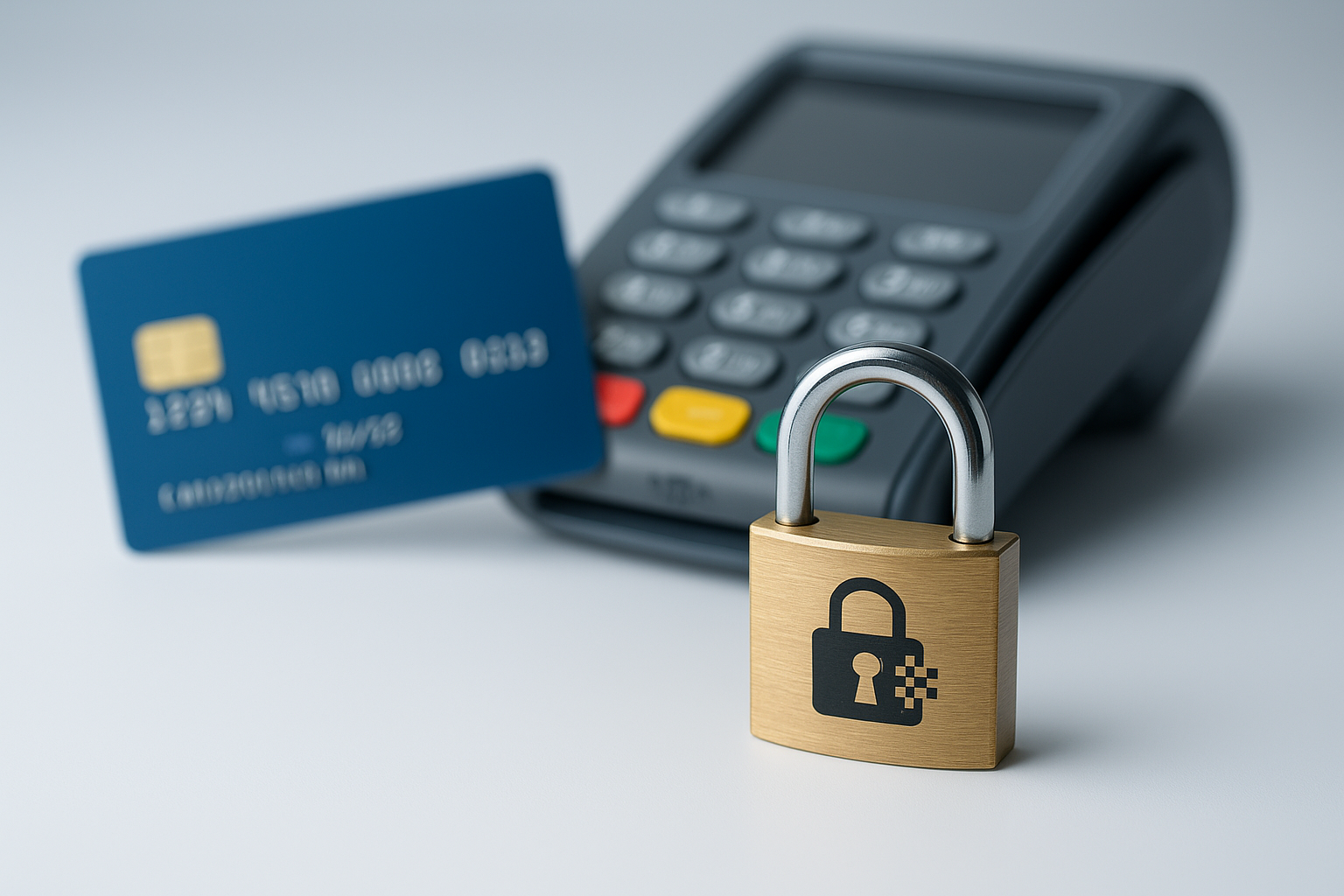
Payment data is one of the most sensitive types of information a business handles. Every time a customer enters a card number, expiration date, or billing details, there is a risk that the data could be intercepted, stolen, or misused. Encryption for payment processing reduces that risk by turning readable information into unreadable code that only authorized systems can decode.
In a world where online shopping, mobile wallets, recurring billing, and digital subscriptions are the norm, encryption is no longer optional. It helps businesses protect customer trust, meet compliance requirements, and lower the chance of costly breaches. Just as importantly, it supports secure payment experiences without adding unnecessary friction for the customer.
What Is Encryption in Payment Processing?
Encryption is the process of transforming plain text data into ciphertext using an algorithm and a key. In payment processing, this means sensitive payment information is scrambled before it is transmitted or stored. If someone intercepts the data without the proper key, it is essentially useless.
Payment encryption is commonly used in two places: when data is moving between systems and when it is stored in databases or vaults. During checkout, for example, a customer’s card details may be encrypted in the browser or app before being sent to the payment gateway. Once received, the payment processor may decrypt the data only in a secure environment that is tightly controlled.
Encryption vs. Tokenization
Encryption and tokenization are often mentioned together, but they are not the same. Encryption protects data by converting it into coded text that can be reversed with a key. Tokenization replaces the sensitive data with a non-sensitive substitute, or token, that has no meaningful value outside the payment system.
For example, a card number might be replaced with a token that can be used for future transactions without exposing the original number. Many payment systems use both technologies together. Encryption protects data in transit and at rest, while tokenization reduces the amount of sensitive data a business must handle.
How Encryption Works in Payment Systems
Encryption for payment processing usually relies on a combination of secure protocols, strong algorithms, and key management practices. When a customer submits payment details, the information is encrypted before it leaves the device. It then travels through secure channels such as TLS, which helps protect data from interception during transmission.
Once the encrypted data reaches the payment gateway or processor, it is decrypted in a secure, isolated environment so the transaction can be authorized. After that, the data may be re-encrypted for storage or replaced with a token for later use. At each stage, the goal is to minimize exposure and prevent unauthorized access.
Common Encryption Standards and Methods
Several encryption approaches are used in payment processing. Advanced Encryption Standard, or AES, is widely used for protecting data at rest because it is fast, efficient, and highly secure when implemented correctly. RSA and other public-key methods are often used for securely exchanging encryption keys. TLS, or Transport Layer Security, protects data while it is being transmitted between the customer, merchant, and payment provider.
End-to-end encryption is another important method. With this approach, payment data is encrypted at the point of entry and remains encrypted until it reaches the trusted endpoint that needs to process it. This reduces the number of systems that can access the clear text data and helps limit the impact of a potential breach.
Why Encryption Is Essential for Secure Transactions
Encryption does more than protect data in transit. It is a foundational control for defending against card theft, identity fraud, and unauthorized account access. Without encryption, sensitive payment information could be exposed at multiple points in the transaction flow, including checkout pages, internal networks, and storage systems.
Customers are also more likely to trust a business that treats their financial information carefully. A secure payment experience can improve conversion rates, reduce cart abandonment, and encourage repeat purchases. When customers see familiar security indicators and know their data is protected, they are more comfortable completing the transaction.
From a business perspective, encryption helps reduce the financial and reputational damage caused by breaches. Security incidents can lead to chargebacks, legal expenses, operational disruption, and loss of customer confidence. Strong encryption is one of the most effective ways to reduce those risks.
Compliance and Regulatory Requirements
Many industries are subject to regulations that require strong protection of payment data. The Payment Card Industry Data Security Standard, or PCI DSS, sets requirements for organizations that store, process, or transmit cardholder data. Encryption is a critical part of PCI DSS compliance, especially for protecting card data both in motion and at rest.
Depending on the region and type of business, additional laws and regulations may apply. These can include privacy laws, financial regulations, and industry-specific security standards. Using encryption helps organizations demonstrate due diligence and makes it easier to align payment operations with compliance obligations.
Best Practices for Encrypting Payment Data
Effective encryption depends on more than choosing a strong algorithm. Businesses need clear policies, secure implementation, and ongoing oversight. One of the most important practices is using strong, modern encryption standards and avoiding outdated algorithms that are no longer considered secure.
Key management is equally important. Encryption is only as strong as the security of the keys used to encrypt and decrypt the data. Keys should be stored separately from encrypted data, rotated regularly, and accessed only by authorized systems and personnel. Hardware security modules, or HSMs, can provide an additional layer of protection for key storage and management.
It is also a good idea to limit the amount of payment data stored in the first place. The less sensitive data a business keeps, the smaller the attack surface. Combine encryption with tokenization, access controls, logging, monitoring, and network segmentation for a more complete security strategy.
Avoiding Common Mistakes
One common mistake is assuming that encryption alone is enough. While it is essential, encryption must be paired with secure coding practices, patch management, authentication controls, and staff training. Another mistake is failing to encrypt data consistently across all systems, including backups, analytics tools, and third-party integrations.
Businesses should also avoid storing keys in the same environment as the encrypted data or sharing keys across multiple applications without proper control. Weak implementation can undermine even the best encryption algorithm. Regular audits, penetration testing, and security reviews can help identify gaps before attackers do.
Choosing the Right Payment Encryption Solution
The right encryption solution depends on the business model, transaction volume, regulatory requirements, and technical environment. A small e-commerce store may rely on a hosted payment page or payment gateway that handles encryption on its behalf. A larger enterprise may need a more customized solution with deeper integration into its systems and stricter control over data flows.
When evaluating options, look for providers that support modern encryption protocols, robust key management, PCI DSS alignment, and transparent security documentation. It is also helpful to choose partners that offer tokenization, fraud detection, and secure API integrations. A well-designed solution should protect data without disrupting the checkout experience.
Think about scalability as well. As your business grows, your encryption strategy should be able to handle more transactions, more users, and more channels, including mobile, recurring billing, and in-app payments. Security should support growth rather than slow it down.
Conclusion
Encryption for payment processing is one of the most important safeguards a business can implement. It protects customer data, supports compliance, and helps create secure transaction experiences across web, mobile, and in-store channels. By using strong encryption methods, managing keys carefully, and combining encryption with other security controls, businesses can greatly reduce their risk and build stronger customer trust.