Merchant Account vs Payment Gateway: What’s the Difference?
If you accept online or card-not-present payments, you’ve likely heard the terms merchant account and payment gateway. They’re often used interchangeably, but they do very different jobs. Understanding the difference can help you choose the right payment setup, avoid hidden fees, and create a smoother checkout experience for customers.
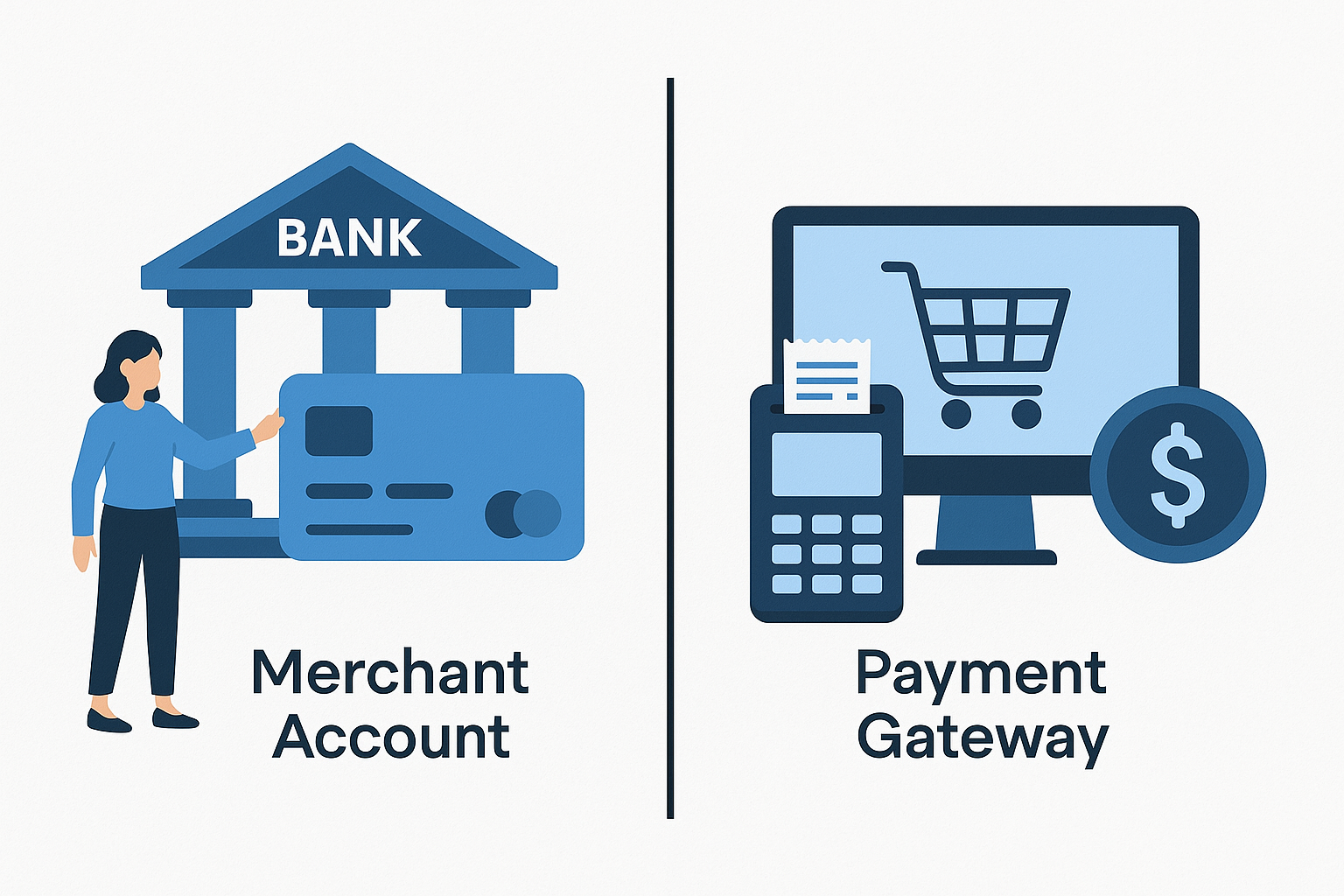
In simple terms, a merchant account is where funds from card payments are temporarily held before they’re deposited into your business bank account. A payment gateway, on the other hand, is the technology that securely sends payment information from your customer to the payment processor.
Let’s break it down in detail.
What Is a Merchant Account?
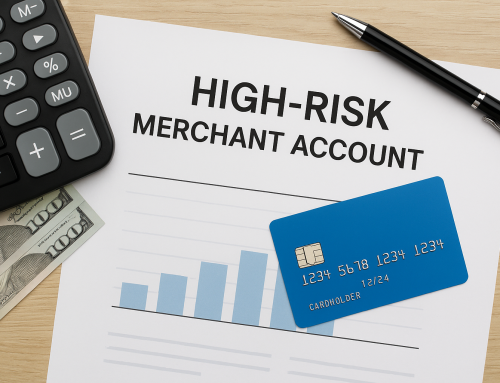
A merchant account is a type of bank account that allows a business to accept credit and debit card payments. When a customer makes a purchase, the money doesn’t go straight to your regular business account. Instead, it passes through the merchant account first, where it is authorized and settled before being transferred to you.
Merchant accounts are usually provided by banks or payment service providers. They are essential for businesses that want to take card payments in person, online, or over the phone.
How a Merchant Account Works
Here’s the basic flow:
- A customer pays with a card.
- The payment is authorized by the card network and issuing bank.
- The funds are held in the merchant account.
- After processing and settlement, the money is transferred to your business bank account.
Because merchant accounts are involved in handling funds and risk, providers may review your business type, processing history, and chargeback risk before approval.
What Is a Payment Gateway?
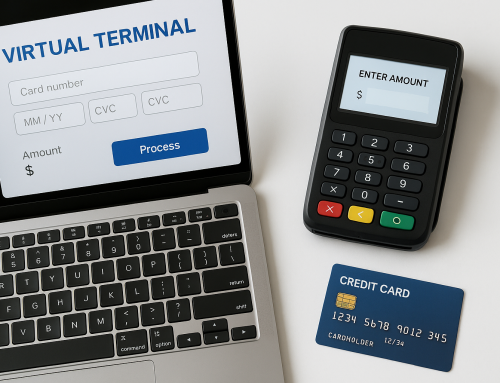
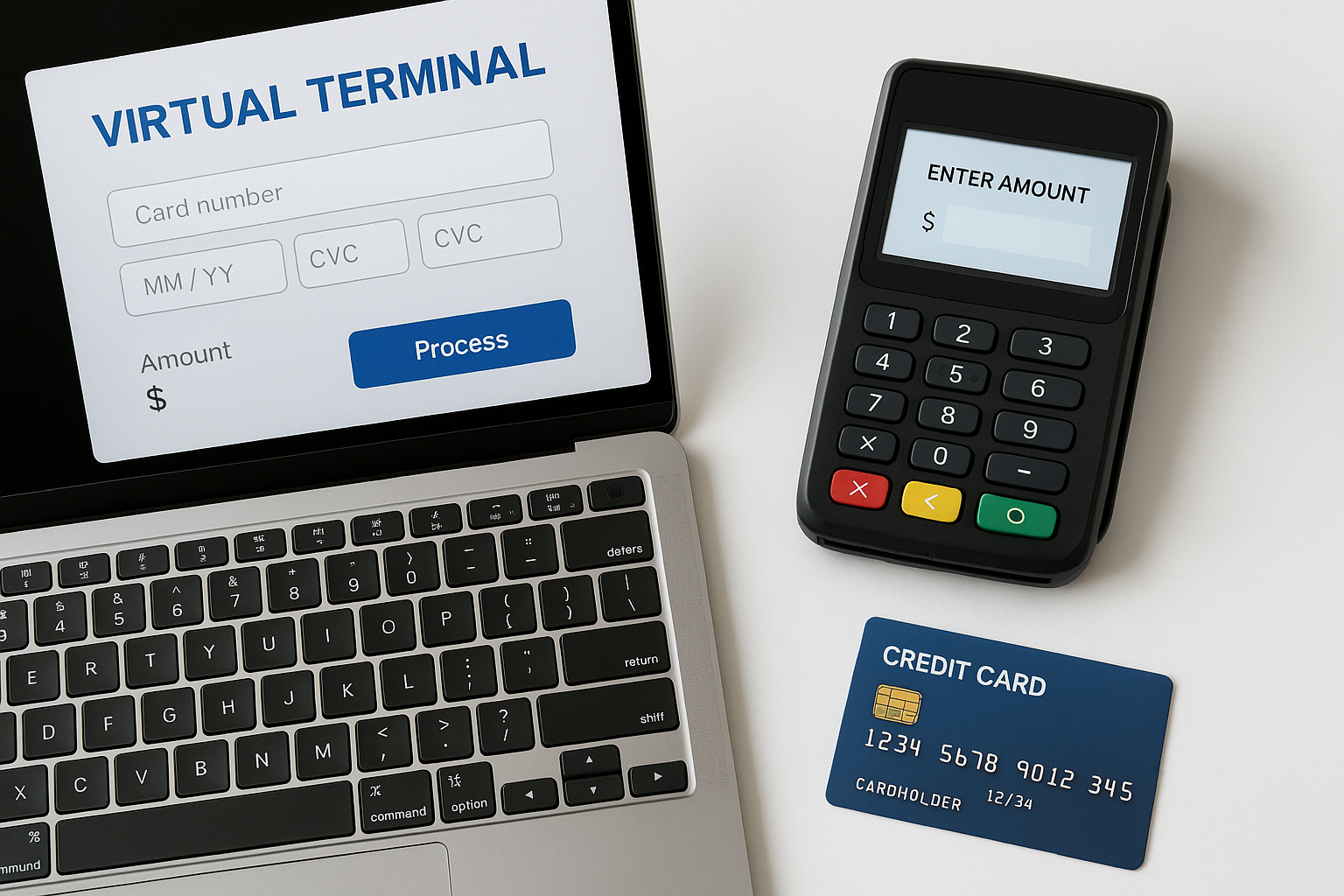
A payment gateway is the digital tool that securely captures and transmits payment information during an online transaction. Think of it as the virtual equivalent of a card terminal in a physical store.
When a customer enters their payment details on your checkout page, the gateway encrypts that information and sends it to the payment processor for authorization. It also helps reduce fraud by validating transactions and protecting sensitive data.
How a Payment Gateway Works
The process typically looks like this:
- The customer enters card details at checkout.
- The payment gateway encrypts the information.
- The data is sent to the processor and card network for approval.
- The result is returned to your site: approved or declined.
Payment gateways are especially important for eCommerce businesses because they make online checkout possible and secure.
Merchant Account vs Payment Gateway: Key Differences
Although they work together, merchant accounts and payment gateways serve different purposes. Here are the main differences:
1. Function
A merchant account stores and manages funds before payout. A payment gateway securely transmits payment data.
2. Role in the Transaction
The merchant account handles the financial side of the transaction, while the payment gateway handles the communication side.
3. Customer Experience
The gateway directly affects the checkout experience, especially for online stores. The merchant account usually operates behind the scenes.
4. Approval Requirements
Merchant accounts often require underwriting and approval. Payment gateways may be easier to set up, but some providers bundle them with merchant services.
5. Fees
Merchant accounts and payment gateways may each have separate fees. These can include setup fees, monthly fees, transaction fees, and chargeback fees.
Do You Need Both?
In many cases, yes. To process card payments online, you typically need both a merchant account and a payment gateway. One handles the money, and the other handles the secure transmission of payment data.
However, some providers offer an all-in-one solution that combines both services into one platform. This is common with payment processors that simplify onboarding for small businesses and startups.
If you use a bundled service, you may not have to set up a separate merchant account or gateway manually. Still, it helps to know what’s happening behind the scenes so you can compare providers more effectively.
When to Choose a Merchant Account
A traditional merchant account may be the better choice if your business:
- Processes a high volume of transactions
- Needs lower per-transaction costs at scale
- Has a subscription or recurring billing model
- Operates in a higher-risk industry
- Wants more control over payment processing relationships
Merchant accounts can offer flexibility and potentially better pricing for established businesses, but they may also involve more setup and ongoing management.
When to Choose a Payment Gateway
A payment gateway is essential for any business that accepts online payments. It may be the right starting point if your business:
- Sells products or services online
- Needs secure checkout integration with a website or app
- Wants to accept payments quickly with minimal technical setup
- Prefers a hosted or plug-and-play checkout experience
Many modern gateways also come with extra features like fraud screening, tokenization, recurring billing support, and mobile payment compatibility.
What About Payment Processors?
It’s also useful to understand the role of a payment processor. The processor is the middle layer that communicates between the merchant account, payment gateway, card networks, and banks. In some cases, one company provides all three services: merchant account, gateway, and processor.
This is why the terms can get confusing. Businesses often use “gateway,” “processor,” and “merchant account” loosely, even though each one serves a specific purpose. The key is to know which component does what so you can evaluate service providers clearly.
How to Choose the Right Setup
The right payment setup depends on your business model, sales volume, risk level, and technical needs. Ask yourself the following:
- Do I sell online, in person, or both?
- How many transactions do I process each month?
- Do I need subscription billing or recurring payments?
- How important are low fees versus easy setup?
- Do I need advanced fraud protection or custom checkout options?
If you’re a small business or new eCommerce store, a bundled solution may be the easiest path. If you’re scaling fast or need more control, a dedicated merchant account with a flexible gateway may be a better long-term fit.
Common Mistakes to Avoid
When comparing merchant account and payment gateway providers, avoid these common mistakes:
- Focusing only on monthly fees instead of total processing costs
- Ignoring chargeback policies and fraud tools
- Overlooking integration compatibility with your website or platform
- Assuming a gateway alone can process payments without a merchant account
- Not checking contract terms, cancellation fees, or payout schedules
Reading the fine print now can save you time, money, and frustration later.
Conclusion
Merchant accounts and payment gateways are both essential parts of taking card payments, but they are not the same thing. The merchant account holds and settles funds, while the payment gateway securely captures and sends payment data. In many cases, you’ll need both to process online transactions smoothly.
By understanding the difference, you can choose a payment solution that fits your business, supports growth, and gives customers a better checkout experience.