
Credit card processing is one of the most important expenses for businesses that accept card payments, but it can also be one of the most confusing. Rates vary widely depending on your provider, pricing model, transaction type, and the kind of cards your customers use. If you’re trying to figure out what you’ll actually pay, the answer is: it depends, but the cost is usually made up of a few standard components.
In this post, we’ll break down the real cost of credit card processing, explain the most common fee structures, and show you what to watch for so you can better estimate your monthly expenses.
What Is Credit Card Processing?
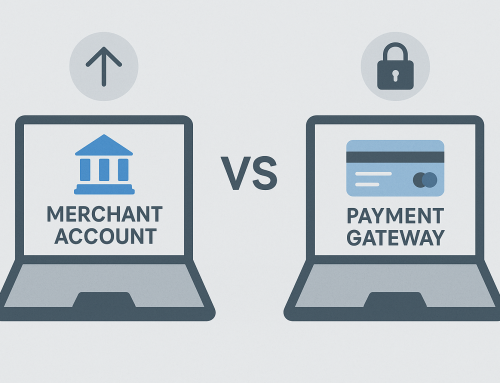
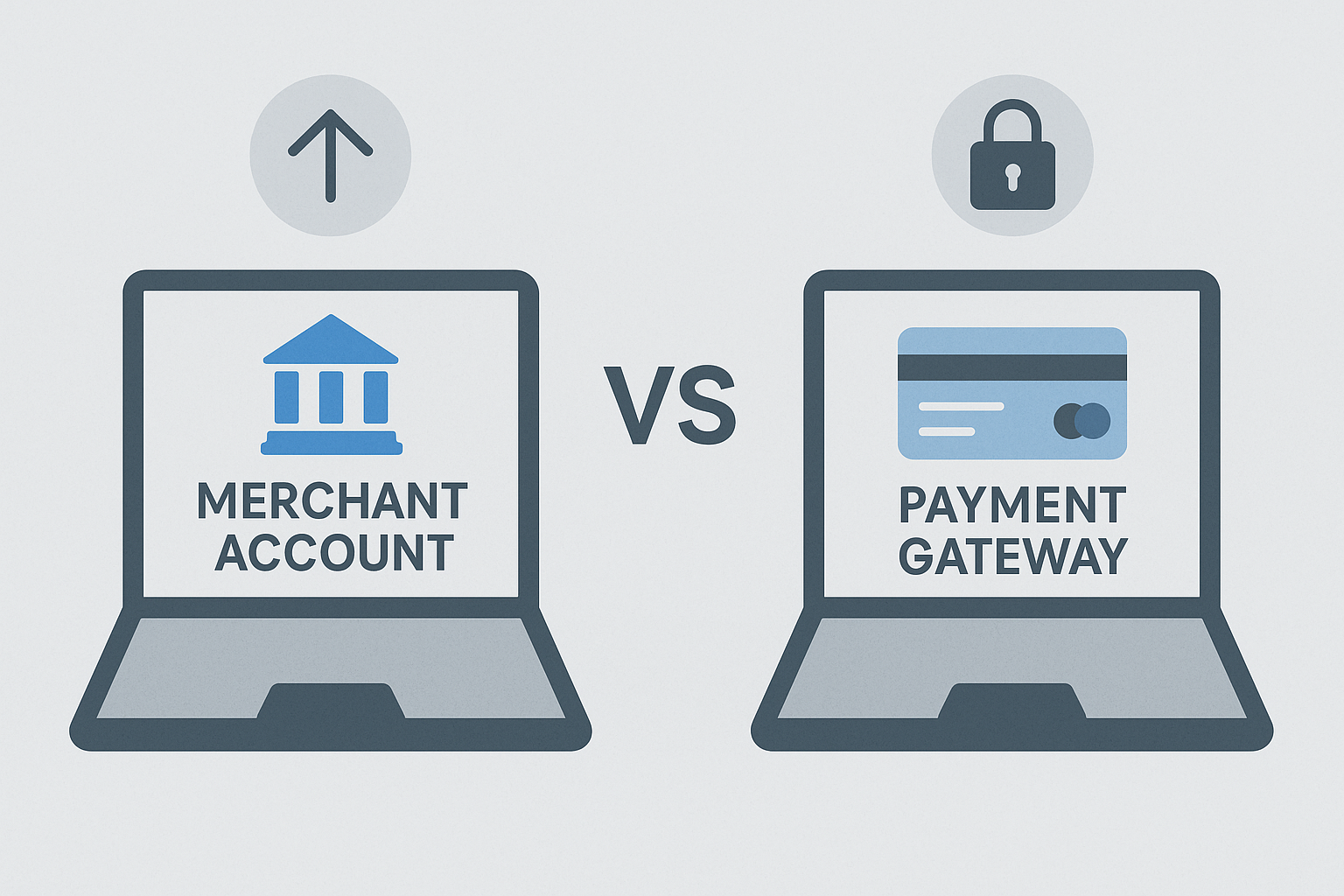
Credit card processing is the system that allows a business to accept payments from credit and debit cards. When a customer pays, several parties are involved in moving the money from the cardholder’s bank to your business bank account. Those parties typically include the payment processor, the card network, the issuing bank, and the merchant account provider.
Because multiple organizations are involved, processing comes with fees. Some of those fees are fixed, some are percentage-based, and some depend on how the payment is accepted. Understanding each piece is the first step in estimating the true cost.
What Are the Main Credit Card Processing Fees?
Most businesses pay several types of fees, though the names and structures vary by provider. Here are the most common ones.
Interchange Fees
Interchange fees are paid to the cardholder’s bank, also known as the issuing bank. These fees are set by the card networks like Visa and Mastercard and generally cannot be negotiated. They are usually the largest part of processing costs.
Interchange fees are typically based on the card type, transaction method, and industry. For example, a swipe transaction with a basic debit card often costs less than an online transaction with a rewards credit card.
Assessment Fees
Assessment fees are charged by the card networks themselves. These fees are usually a small percentage of each transaction and are also non-negotiable. Though they are smaller than interchange fees, they still contribute to your total processing cost.
Processor Markup
The processor markup is what your payment processor charges for providing the service. This is the portion of the fee that may be negotiable, depending on the provider and your business size. It may include a percentage of the transaction, a flat per-transaction fee, monthly fees, or all of the above.
Monthly and Account Fees
Some providers charge monthly fees for account access, statement delivery, gateway use, PCI compliance tools, or customer support. These fees can be small individually, but they add up over time.
Chargeback Fees
If a customer disputes a charge and the bank reverses the transaction, you may be charged a chargeback fee. These fees can be significant and may also come with penalties if chargebacks happen often.
How Much Do Credit Card Processing Fees Usually Cost?
For most businesses, credit card processing costs range from about 1.5% to 3.5% per transaction. That’s a broad range because the exact cost depends on the pricing model and the types of payments you accept.
Here’s a general breakdown:
- Card-present transactions: Often around 1.5% to 2.5% per transaction
- Online transactions: Often around 2.5% to 3.5% per transaction
- Keyed-in or manually entered payments: Usually higher because they carry more risk
- Premium or rewards cards: Often more expensive to process
In addition to the percentage fee, many processors also charge a flat fee per transaction, such as $0.10 to $0.30. This means a small sale may cost proportionally more to process than a large one.
What Pricing Models Do Processors Use?
How you are charged can be just as important as how much you are charged. The pricing model determines whether costs are predictable or harder to interpret.
Flat-Rate Pricing
With flat-rate pricing, the processor charges one simple rate for all card transactions, such as 2.9% + $0.30. This model is easy to understand and popular with small businesses, startups, and e-commerce sellers.
Pros: Easy to estimate, simple billing, predictable costs
Cons: Can be more expensive for high-volume businesses or businesses with low-risk transactions
Interchange-Plus Pricing
Interchange-plus pricing separates the actual interchange and assessment fees from the processor’s markup. For example, you might pay interchange plus 0.30% and $0.10 per transaction. This model is transparent and often cost-effective for businesses with steady volume.
Pros: Transparent, often lower cost overall, easier to audit
Cons: More complex to read, monthly statements can be harder to compare
Tiered Pricing
Tiered pricing groups transactions into categories like qualified, mid-qualified, and non-qualified. Each category has a different rate, but the criteria for each tier are often not very clear.
Pros: Simple at first glance
Cons: Less transparent, can be more expensive, harder to predict
What Factors Affect Credit Card Processing Costs?
Several variables influence what you pay, even if you use the same processor as another business.
Transaction Method
Card-present transactions, such as in-store swipes and chip reads, are usually cheaper than online, phone, or manually keyed transactions because they are considered lower risk.
Card Type
Debit cards, standard credit cards, rewards cards, corporate cards, and premium cards all have different fee levels. Cards with more perks often come with higher interchange costs.
Industry Type
Some industries, such as hospitality, travel, and subscription services, may have higher processing costs because of refunds, delayed capture, or other risk factors.
Average Ticket Size
Businesses that process lots of small transactions may feel the effect of flat per-transaction fees more strongly. A $0.30 fee on a $10 purchase is a much bigger percentage than the same fee on a $100 purchase.
Monthly Processing Volume
Businesses with higher volume may qualify for better rates or custom pricing. Lower-volume merchants often pay more per transaction.
Risk Level and Chargebacks
If your business has frequent chargebacks or operates in a high-risk industry, processors may charge more to cover the additional risk.
How to Estimate Your Processing Costs
A simple way to estimate processing costs is to combine the percentage fee, flat fee, and any monthly charges. For example, if your processor charges 2.9% + $0.30 and you process $20,000 in monthly sales with 500 transactions, your cost would look something like this:
- Percentage fee: $20,000 x 2.9% = $580
- Per-transaction fee: 500 x $0.30 = $150
- Total processing cost before monthly fees = $730
If your account also has a $25 monthly fee, your total monthly cost becomes $755.
Keep in mind that this is just a simplified example. Your actual costs can be higher or lower depending on card mix, transaction type, and provider structure.
How Can Businesses Lower Credit Card Processing Costs?
While you may not be able to eliminate processing fees, there are ways to reduce them.
- Choose the right pricing model: Interchange-plus is often better for growing businesses, while flat-rate pricing may suit smaller businesses.
- Encourage card-present payments: In-person chip and tap transactions generally cost less than keyed-in or online payments.
- Reduce chargebacks: Clear billing descriptors, prompt customer service, and accurate order fulfillment can help lower disputes.
- Negotiate processor markup: If you have volume, ask whether your processor can lower its margin.
- Review statements regularly: Look for hidden fees, unnecessary add-ons, or services you no longer use.
What Should You Look for in a Payment Processor?
When comparing processors, don’t focus only on the advertised rate. Look at the full picture, including monthly fees, contract terms, chargeback fees, gateway costs, and customer support quality. A lower headline rate can sometimes be more expensive if the provider adds lots of extra charges.
Ask for a sample statement or a full fee breakdown before signing up. That makes it easier to compare offers apples-to-apples and estimate your real effective rate.
Conclusion
So, how much does credit card processing cost? For most businesses, expect to pay somewhere between 1.5% and 3.5% of each transaction, plus possible flat fees and monthly charges. The actual cost depends on your pricing model, sales channel, card mix, and business type. By understanding the fee structure and comparing providers carefully, you can keep processing expenses under control and choose a solution that fits your business.