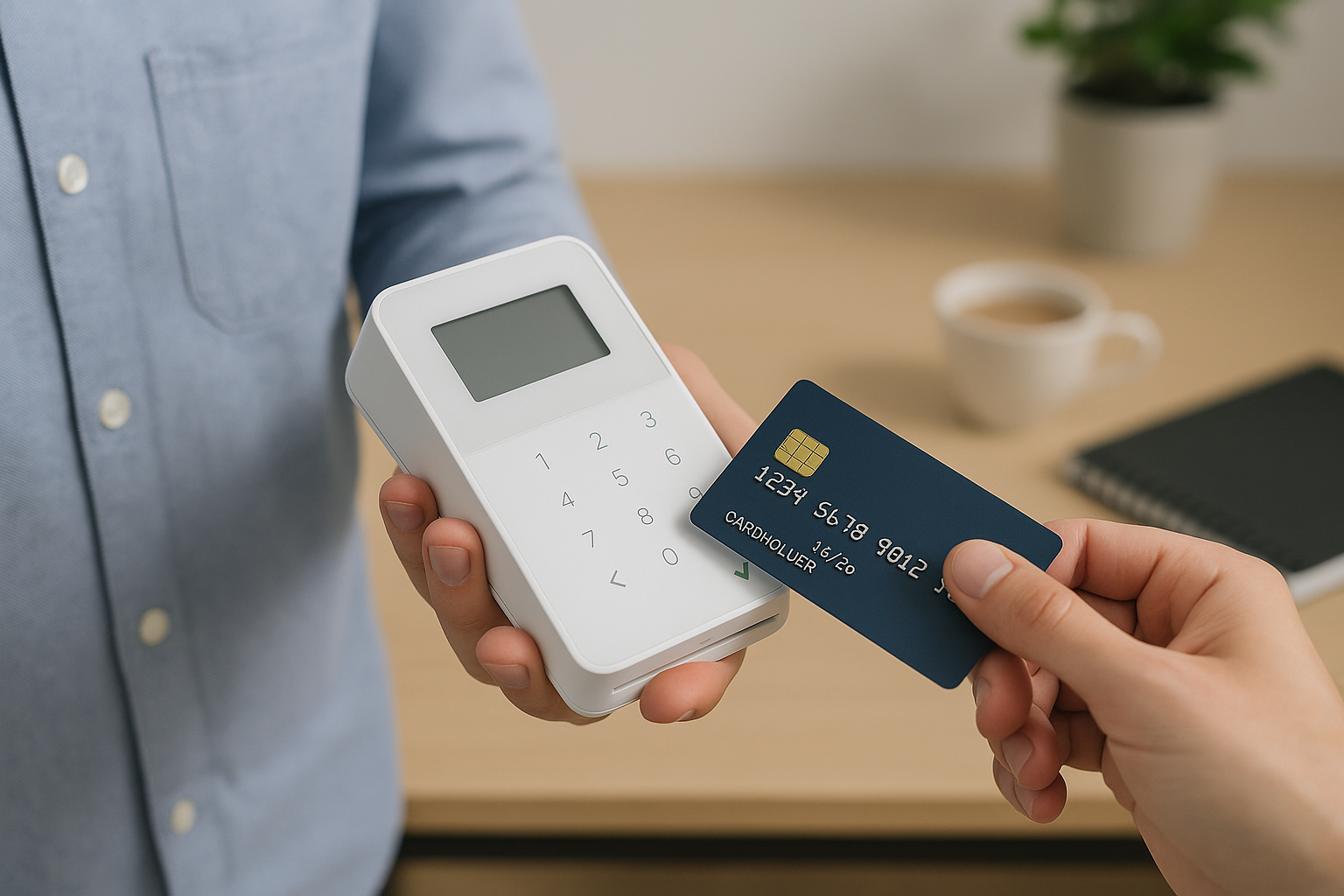
Choosing the best credit card processing for a small business can have a big impact on cash flow, customer satisfaction, and your bottom line. The right solution should be affordable, secure, easy to use, and flexible enough to grow with your business. Whether you run a retail shop, service business, restaurant, or online store, understanding your options helps you avoid unnecessary fees and pick a processor that fits the way you sell.
What to look for in small business credit card processing
The best credit card processor is not always the one with the lowest advertised rate. Small businesses need a balance of pricing, reliability, support, and features. Before choosing a provider, compare these key factors.
Transparent pricing
Processing fees can be confusing, especially when providers use interchange-plus, flat-rate, or tiered pricing. For many small businesses, transparent pricing is the easiest to understand and compare. Look for a provider that clearly explains transaction fees, monthly charges, chargeback fees, PCI compliance costs, and equipment costs.
Fast and reliable deposits
Cash flow matters for small businesses. A good processor should deposit funds quickly, ideally within one to two business days. Faster payouts can help you cover inventory, payroll, and operating expenses without waiting too long for revenue to settle.
Security and fraud protection
Credit card payments come with risk, so security should be a priority. Choose a processor that offers encryption, tokenization, EMV support, and fraud monitoring. PCI compliance tools are also important because they help protect your business and your customers from data breaches.
Easy integration with your tools
Your payment processor should work smoothly with your point-of-sale system, accounting software, eCommerce platform, and invoicing tools. Integrations reduce manual work and help you keep accurate records. If you sell both in person and online, look for an omnichannel solution that handles both seamlessly.
Helpful customer support
When payments stop working, you need support quickly. The best providers offer responsive customer service by phone, chat, or email. Some also provide dedicated account managers or 24/7 support, which can be especially valuable for businesses that operate outside standard hours.
Types of credit card processors
There are several types of payment processors, and each has advantages depending on your business model. Understanding the differences can help you choose the best fit.
Merchant account providers
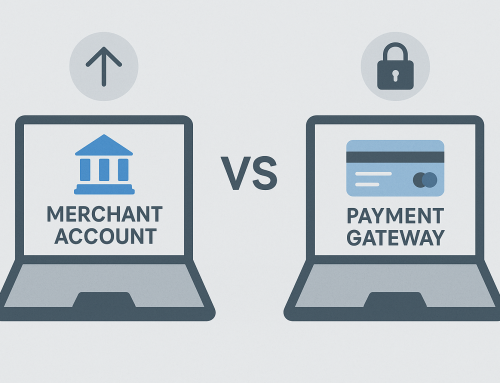
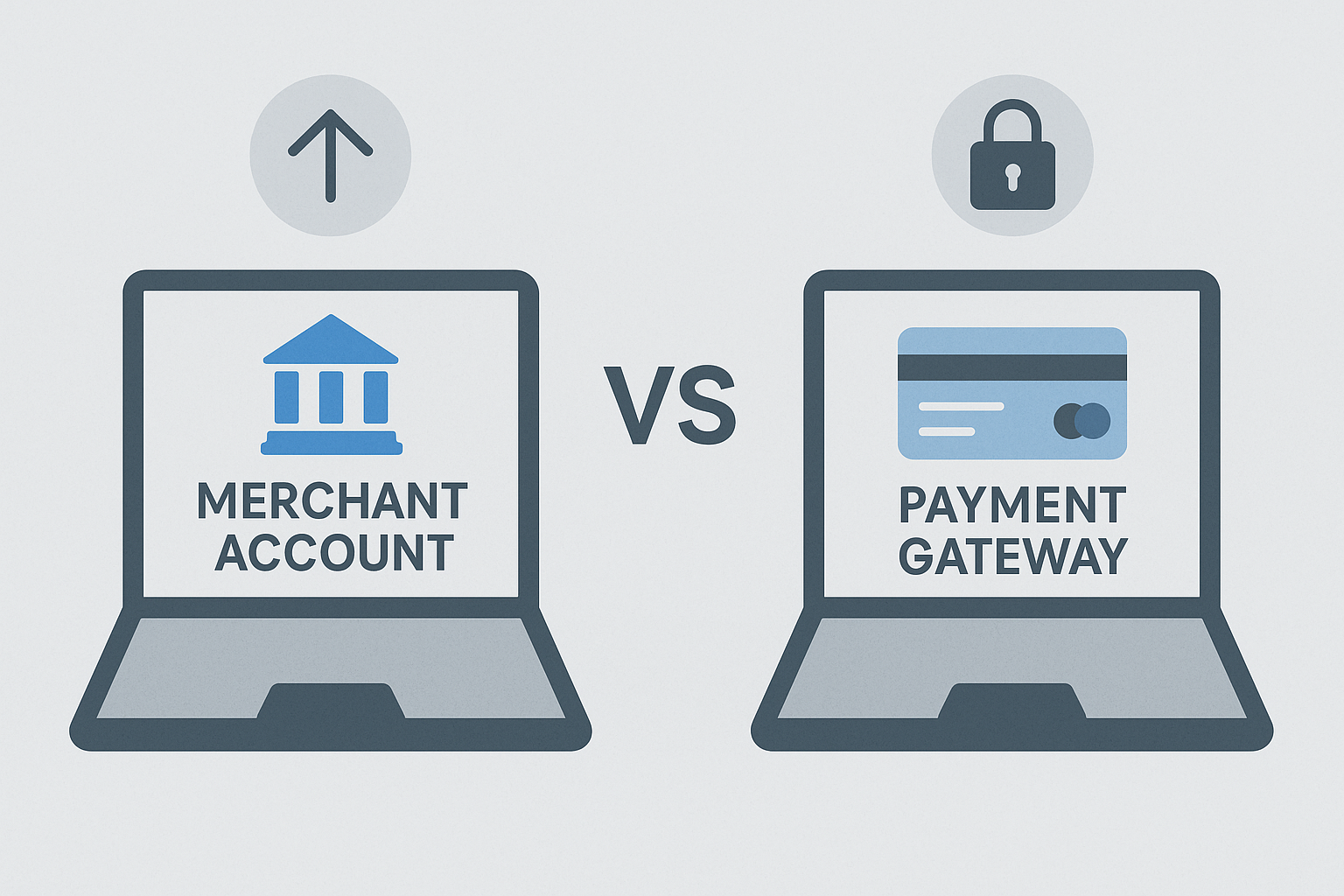
Traditional merchant account providers usually give businesses a dedicated merchant account and a payment gateway. These services can offer competitive rates, especially for businesses with steady transaction volume. They often work well for established small businesses that want more control and customization.
Payment service providers
Payment service providers, sometimes called aggregators, are popular with small businesses because they are easy to set up and usually have simple flat-rate pricing. They can be a strong choice for startups, freelancers, and businesses with lower or fluctuating sales volume. The tradeoff is that pricing may be less flexible as your volume grows.
Point-of-sale systems with built-in processing
Many POS platforms now include payment processing as part of their package. This can be convenient for retail stores, restaurants, salons, and mobile businesses. A combined POS and processor often makes staff training easier and keeps sales, inventory, and reports in one place.
Best credit card processing features for small businesses
Different businesses have different needs, but there are a few features that consistently make payment processing better and more efficient.
Mobile payments
If you work at events, in the field, or on the go, mobile card readers and app-based payment tools are essential. They let you accept payments anywhere with a smartphone or tablet, which makes it easier to serve customers wherever they are.
Online invoicing and payment links
Service businesses often benefit from invoicing tools that let customers pay with a card online. Payment links, recurring billing, and saved customer profiles can make it easier to get paid faster and reduce the need for manual follow-up.
Recurring billing
If you run a subscription business, membership program, or service with repeat charges, recurring billing is a must. The best processors make it simple to set up automatic payments and manage customer billing securely.
Chargeback support
Chargebacks can be costly and time-consuming. A strong processor should help you identify potential fraud, respond to disputes, and provide documentation tools that improve your chances of winning legitimate cases.
How to compare pricing and fees
Price is often the first thing small businesses compare, but it is important to understand the full cost of processing. The cheapest headline rate may not be the best overall value.
Interchange-plus pricing
With interchange-plus pricing, you pay the card network’s interchange fee plus a processor markup. This structure is often considered one of the most transparent options because you can see exactly what you are paying to the card networks and what the provider charges. It is a good choice for businesses that want clarity and may process a moderate to high volume of cards.
Flat-rate pricing
Flat-rate pricing charges the same percentage and per-transaction fee regardless of card type. This model is simple and predictable, which is appealing for small businesses that want easy budgeting. It can be more expensive than interchange-plus for some businesses, but the simplicity may be worth it.
Monthly and hidden fees
Be sure to ask about statement fees, minimum monthly fees, PCI fees, gateway fees, setup fees, and cancellation penalties. These extra costs can add up quickly and affect your true processing rate. A good provider will be upfront about all charges.
Choosing the right processing solution for your business type
The best credit card processing for small business depends on how and where you sell. Matching the processor to your business model can improve efficiency and reduce costs.
Retail stores
Retail businesses should prioritize fast checkout, EMV hardware, inventory integration, and reliable in-store payment terminals. A POS system with built-in reporting can help you track sales trends and manage staff more efficiently.
Restaurants and cafes
Restaurants need quick transactions, tip management, tableside payment options, and strong offline functionality in case of internet issues. A processor with restaurant-specific features can make service smoother and reduce wait times.
Service businesses and freelancers
For consultants, contractors, beauty professionals, and other service providers, invoicing, recurring billing, and mobile payments are often the most important features. Ease of use and low startup costs also matter because many service businesses operate with lean budgets.
Online businesses
Ecommerce sellers need secure checkout, fraud tools, shopping cart integration, and support for digital wallets. A processor that works well with your online store platform can reduce cart abandonment and improve the customer experience.
Tips for getting the best deal
You can often save money by comparing a few providers and negotiating when possible. Even small changes in pricing can make a difference over time.
- Ask for a detailed fee breakdown before signing up.
- Estimate your monthly volume so you can compare pricing accurately.
- Look for providers that waive setup or cancellation fees.
- Choose equipment that can grow with your business.
- Review your statement regularly to catch unexpected charges.
If your business processes more volume over time, revisit your processor periodically. A provider that was a good fit when you started may not be the best option once your sales grow.
Conclusion
The best credit card processing for small business is the one that fits your sales model, offers fair pricing, and makes it easy for customers to pay. By comparing fees, security features, support, and integrations, you can find a solution that helps your business run more smoothly and profitably. Take the time to evaluate your options carefully, and you will be better positioned to choose a processor that supports your growth.