Introduction
Every time a customer clicks “Pay Now” on an online store, a payment gateway quietly gets to work in the background. It is one of the most important pieces of modern eCommerce because it makes secure digital payments possible. Whether you run a small online shop, a subscription business, or a large marketplace, understanding how a payment gateway works can help you choose the right solution and improve the checkout experience for your customers.
In simple terms, a payment gateway acts as the bridge between your website and the financial institutions involved in a transaction. It captures payment information, encrypts sensitive data, and helps complete the transfer of funds quickly and securely. Without it, online payments would be slow, risky, and far less convenient.
What Is a Payment Gateway?
A payment gateway is a technology that authorizes and processes digital payments for online and in-person businesses. It is the system that sends payment details from the customer to the acquiring bank and returns the approval or decline response back to the merchant.
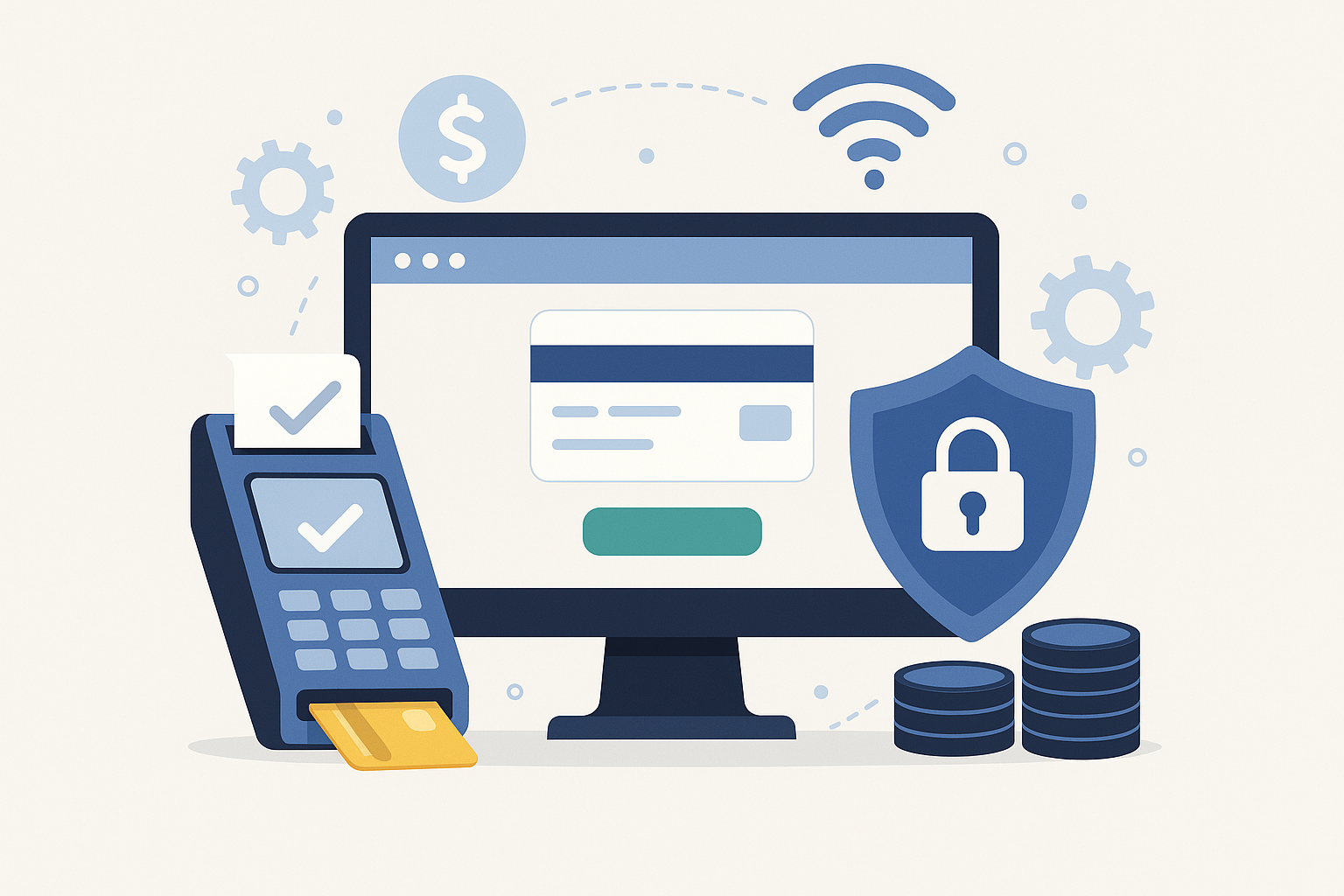
You can think of it as the digital version of a point-of-sale terminal in a physical store. Instead of swiping a card at a checkout counter, the customer enters card details or uses a digital wallet online, and the gateway handles the communication behind the scenes.
Payment gateways are used for many payment methods, including:
- Credit and debit cards
- Digital wallets such as Apple Pay and Google Pay
- Bank transfers
- Recurring billing and subscriptions
- International payments in multiple currencies
How Does a Payment Gateway Work?
The payment process may feel instant to the customer, but several steps happen in just a few seconds. Here is the typical flow of a payment gateway transaction:
1. The customer enters payment information
The process begins when a shopper enters their card details or selects a digital payment option at checkout. The payment gateway captures this information securely.
2. The gateway encrypts the data
Before sending the information anywhere, the gateway encrypts it. Encryption protects sensitive payment data from being intercepted by unauthorized parties.
3. The payment request is sent for authorization
The gateway forwards the encrypted transaction details to the payment processor and the customer’s bank, often called the issuing bank, through the card network or relevant payment rail.
4. The bank approves or declines the transaction
The issuing bank checks whether the card is valid, whether the customer has sufficient funds or credit, and whether the transaction appears legitimate. Based on those checks, it approves or declines the payment.
5. The response is sent back to the merchant
The decision is relayed back through the gateway to the merchant’s website or checkout platform. If approved, the customer sees a confirmation message and the order is completed.
6. Settlement takes place
After authorization, the funds are transferred during settlement. This usually happens later, not instantly. The payment gateway often works with the processor and acquiring bank to make sure the merchant receives the money.
Key Features of a Good Payment Gateway
Not all payment gateways are the same. The best ones offer a balance of security, speed, flexibility, and ease of use. When evaluating a gateway, look for these important features:
Security and compliance
A reliable payment gateway should use encryption, tokenization, fraud detection tools, and PCI DSS compliance to protect customer information. Security is non-negotiable because payment data is highly sensitive.
Multiple payment methods
Customers want options. A strong gateway supports cards, digital wallets, bank payments, and sometimes local payment methods for different regions.
Easy integration
Businesses benefit from gateways that integrate smoothly with eCommerce platforms, mobile apps, billing software, and custom websites through APIs or plugins.
Mobile-friendly checkout
Many customers shop on their phones, so the gateway should support responsive, fast, and user-friendly mobile checkout experiences.
Recurring billing support
If your business offers subscriptions or membership plans, recurring payment features are essential. The gateway should handle automatic billing, retries, and payment updates.
Fraud prevention tools
Advanced fraud screening, address verification, CVV checks, and risk scoring can reduce chargebacks and protect your business from suspicious transactions.
Why Payment Gateways Are Important for Businesses
A payment gateway does more than move money. It can directly affect revenue, customer trust, and operational efficiency. Here’s why it matters so much:
Builds customer trust
When shoppers see secure checkout options and recognized payment methods, they feel more confident completing a purchase. A trustworthy payment experience can reduce cart abandonment.
Improves conversion rates
A fast and simple checkout process helps customers complete orders without frustration. The fewer steps involved, the better the chance of turning a visitor into a buyer.
Supports business growth
As businesses expand into new markets, payment gateways help accept payments from different countries, currencies, and channels. This flexibility is essential for scaling.
Reduces manual work
Automated payment processing saves time for business owners and finance teams. It makes record-keeping, order confirmation, and recurring billing much easier to manage.
Payment Gateway vs. Payment Processor
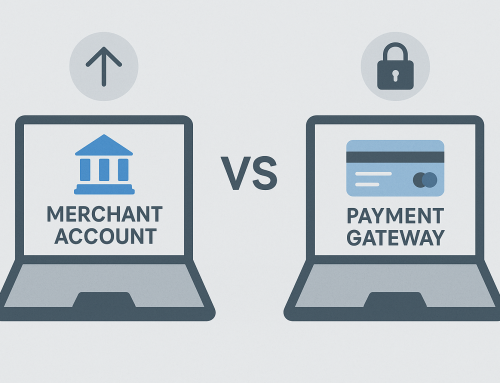
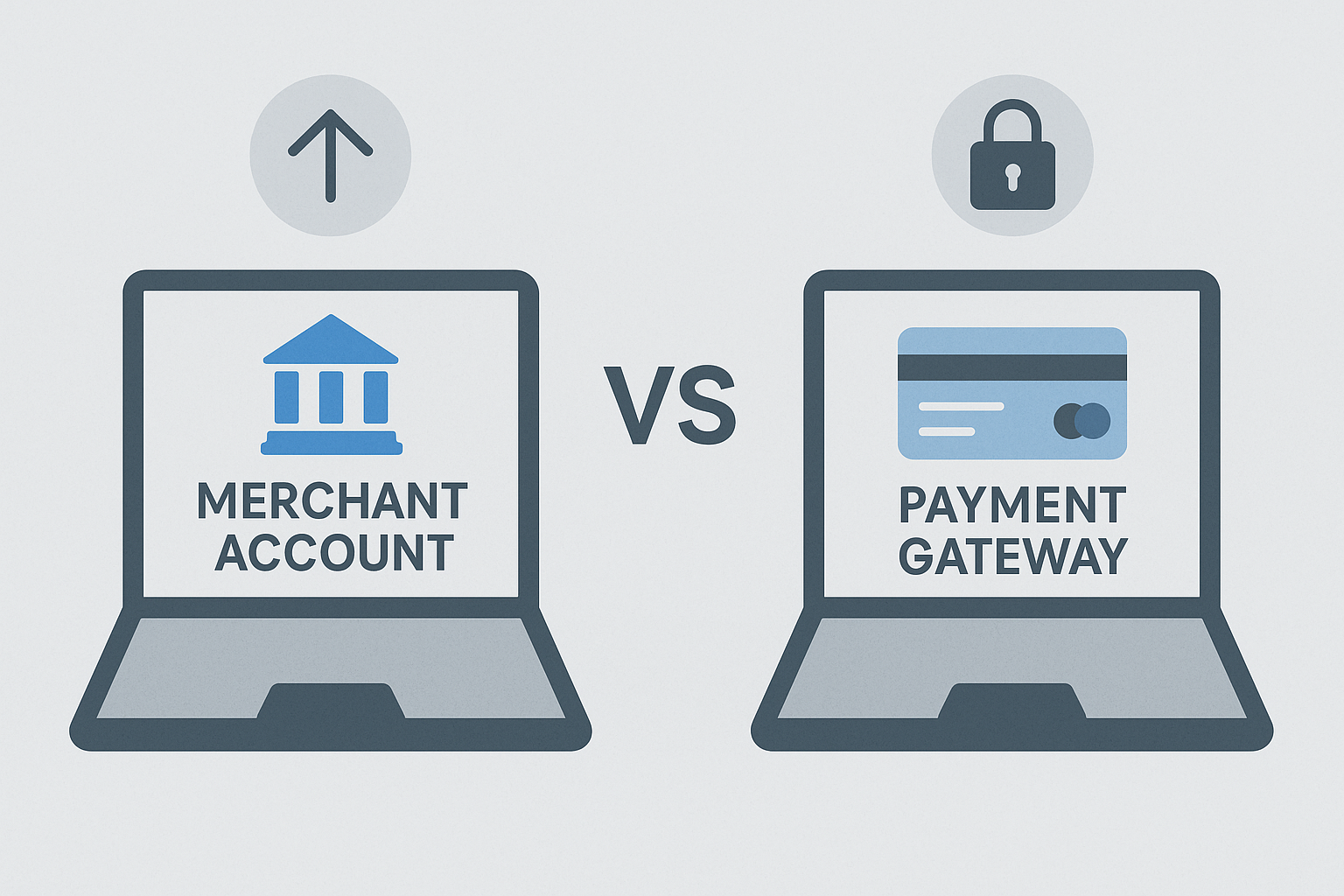
People often confuse a payment gateway with a payment processor, but they serve different functions. The gateway captures and securely transmits payment data, while the processor handles the actual communication with banks and card networks to move the money.
In many cases, businesses use a service that combines both functions. Still, knowing the difference is useful when comparing providers and understanding transaction fees, settlement times, and technical requirements.
Types of Payment Gateways
Businesses can choose from several gateway models depending on their needs:
Hosted payment gateway
In a hosted setup, customers are redirected to the provider’s payment page to complete the transaction. This is often easier to set up and can reduce security responsibilities for the merchant.
Self-hosted payment gateway
With a self-hosted gateway, customers enter payment details directly on the merchant’s website, and the data is sent to the gateway afterward. This offers more control over the checkout experience but may require greater security management.
API-based payment gateway
An API-based gateway gives developers more flexibility and customization. It allows businesses to design a fully branded checkout flow and integrate payment features into apps or platforms.
Local bank integration
Some businesses use gateways tied to local banks or regional payment systems. These can be helpful for companies serving a specific market with preferred payment methods.
How to Choose the Right Payment Gateway
Choosing the right gateway depends on your business model, customer base, and technical setup. Start by identifying the payment methods your customers use most often. Then compare transaction fees, setup costs, monthly charges, and chargeback policies.
It is also important to evaluate the gateway’s reliability, customer support, payout schedule, and integration options. If you operate internationally, make sure it supports multi-currency payments and cross-border transactions. For subscription businesses, recurring billing tools should be a priority.
Before making a final decision, test the checkout flow from the customer’s perspective. A smooth, clear, and secure experience can make a major difference in sales performance.
Common Challenges with Payment Gateways
Although payment gateways simplify online transactions, they can still present challenges. Payment failures, declined cards, technical integration issues, and chargebacks are all common concerns.
To reduce these problems, businesses should monitor transaction data, keep checkout forms simple, and work with a provider that offers strong fraud prevention and reliable support. Clear error messages and retry options can also help recover failed payments without losing the sale.
Conclusion
A payment gateway is a core part of any online payment system. It keeps transactions secure, helps customers pay easily, and gives businesses the tools they need to accept money across channels and markets. By understanding how payment gateways work and what features matter most, you can choose a solution that supports growth, improves trust, and creates a better checkout experience for every customer.