What Are Merchant Processing Services?
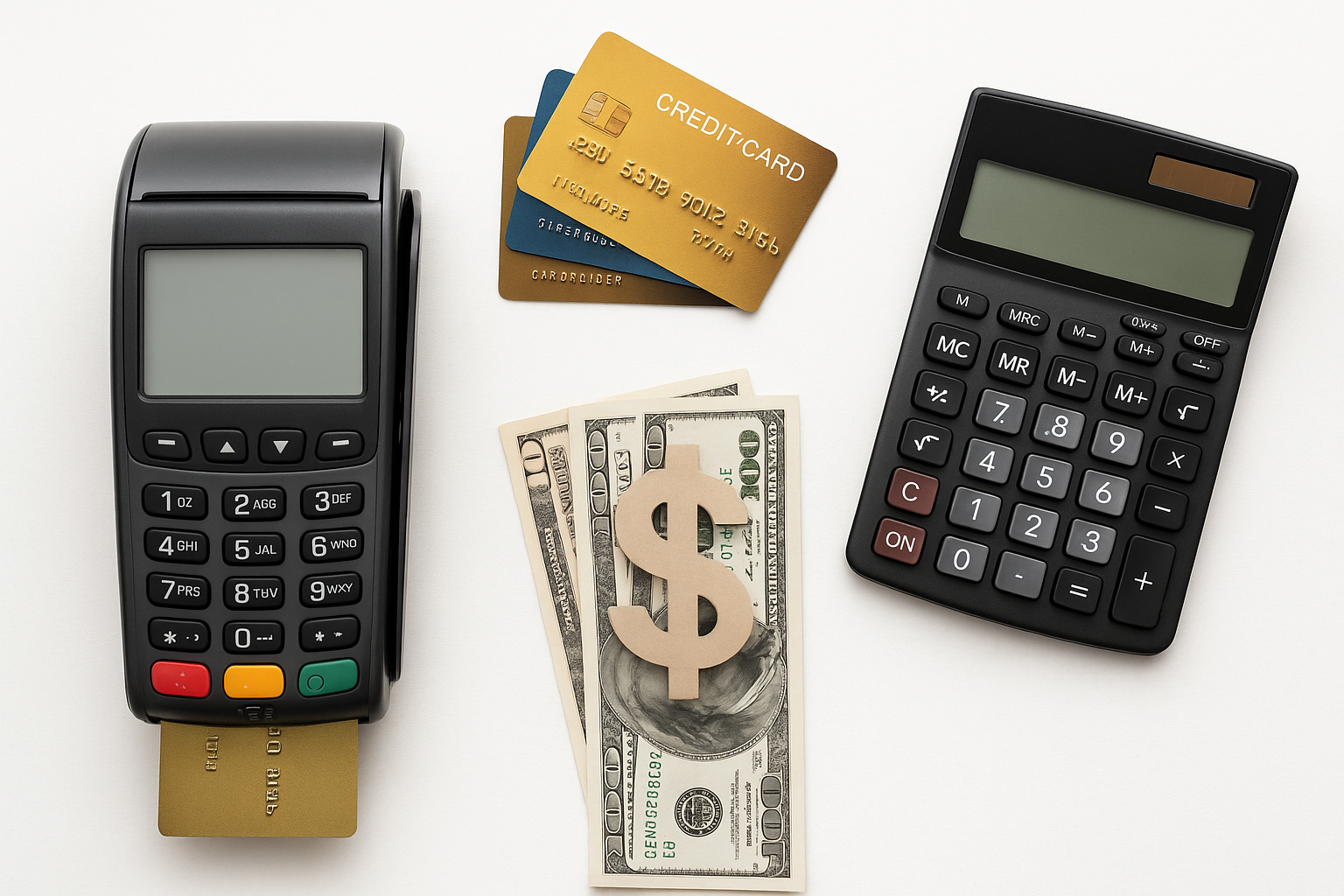
Merchant processing services are the systems and providers that allow businesses to accept electronic payments from customers. When someone pays with a credit card, debit card, or digital wallet, a merchant processing service helps move that payment from the customer’s bank to the business’s account.
In simple terms, these services make card payments possible both online and in person. They typically include tools for payment acceptance, transaction routing, security, and fund settlement. For many businesses, merchant processing is not just a convenience—it is essential for sales, customer satisfaction, and growth.
Whether you run a retail shop, a restaurant, an e-commerce store, or a service-based business, choosing the right merchant processing solution can have a direct impact on cash flow and operating costs.
How Merchant Processing Works
To understand merchant processing services, it helps to know what happens behind the scenes when a customer makes a payment.
1. The customer initiates payment
A customer swipes, dips, taps, or enters their card details online. At this point, the payment information is captured and sent for processing.
2. The payment is authorized
The merchant processor communicates with the card network and the customer’s bank, often called the issuing bank, to verify whether the transaction can be approved. The bank checks for available funds, card validity, and possible fraud concerns.
3. The transaction is approved or declined
If the bank approves the payment, the processor sends that approval back to the business. If there is a problem, such as insufficient funds or a security issue, the transaction is declined.
4. Funds are settled
After approval, the transaction is completed through settlement. This is when the money moves through the payment system and is deposited into the merchant’s business bank account, usually within one to three business days.
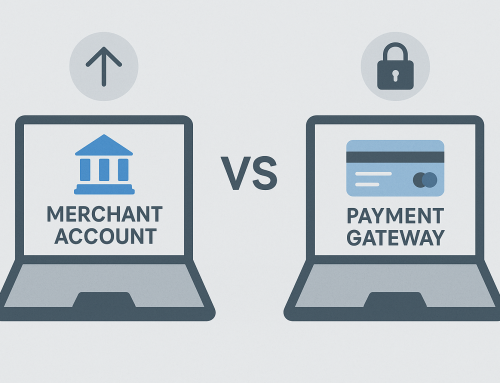
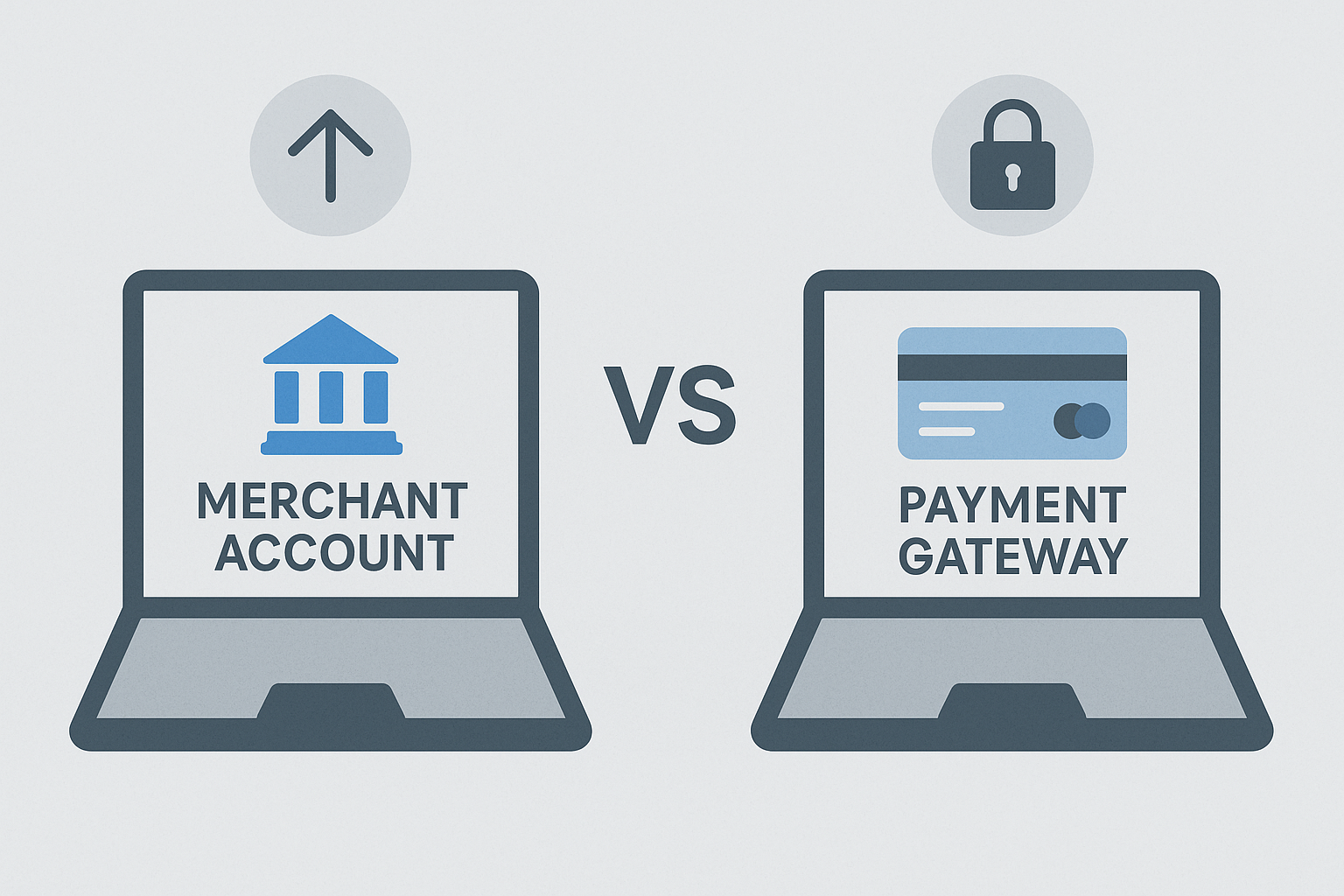
This process happens very quickly, often in just a few seconds, but several parties may be involved, including the merchant, merchant processor, payment gateway, card network, and banks.
Types of Merchant Processing Services
Merchant processing services are not one-size-fits-all. Different businesses need different payment solutions depending on how and where they operate.
Point-of-sale processing
Point-of-sale, or POS, processing is used in physical locations such as stores, salons, and restaurants. It includes card readers, terminals, and software that support in-person transactions.
Online payment processing
Online processing allows businesses to accept payments through websites, checkout pages, and mobile apps. This often requires a payment gateway that securely transmits customer payment data.
Mobile payment processing
Mobile payment solutions are useful for businesses on the go, such as food trucks, contractors, and field service providers. These systems often pair with smartphones or tablets and portable card readers.
Integrated payment solutions
Some merchant processing services integrate with accounting software, inventory systems, customer relationship management tools, and e-commerce platforms. These integrations can save time and reduce manual data entry.
Key Features to Look For
When comparing merchant processing services, it is important to look beyond just the advertised rate. The right provider should offer a strong mix of usability, support, security, and flexibility.
Transparent pricing
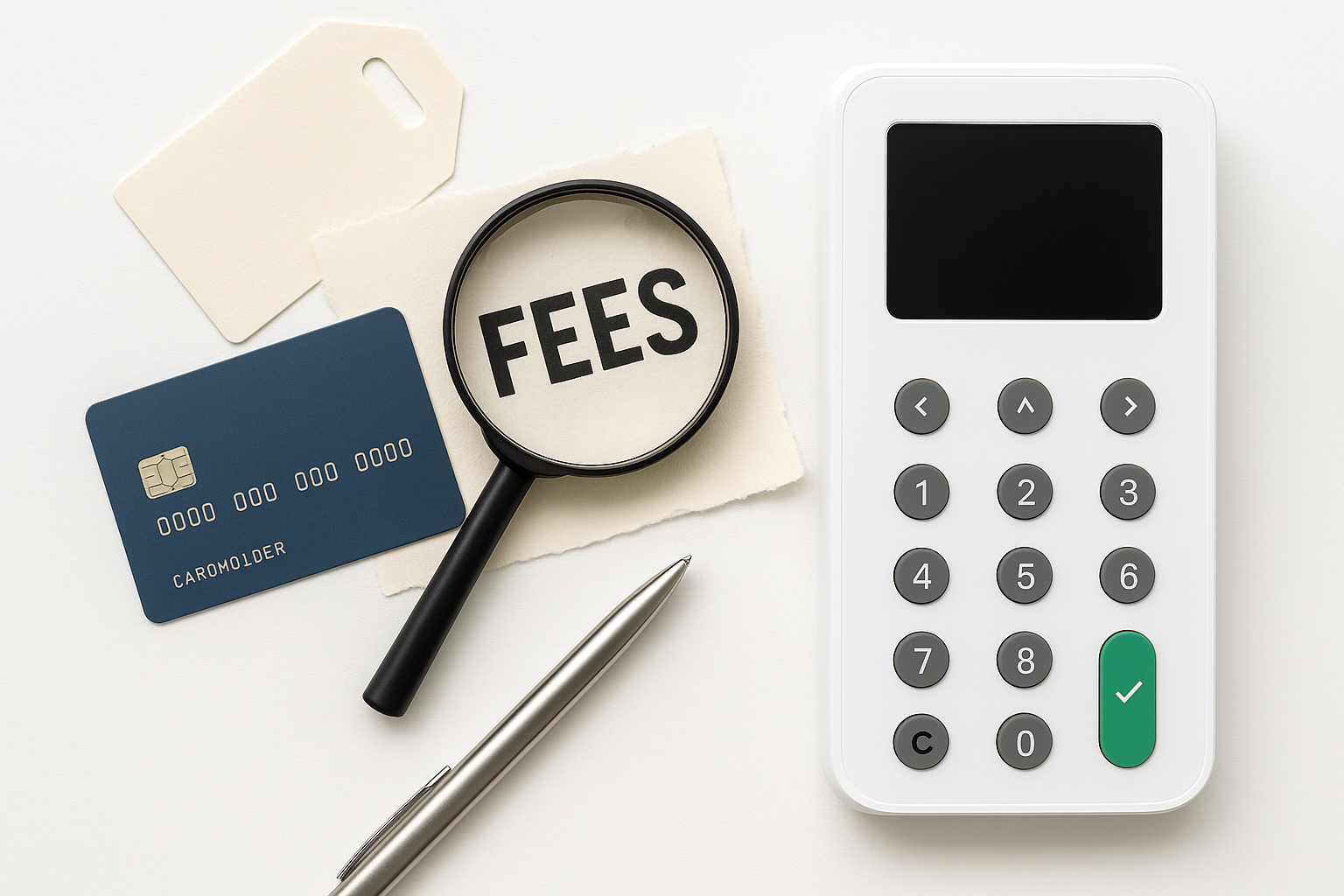
Look for clear fee structures with no hidden charges. Common costs may include transaction fees, monthly account fees, statement fees, chargeback fees, and equipment costs. A transparent provider explains these upfront.
Fast funding
Cash flow matters. Many businesses prefer processors that offer next-day or even same-day deposits. Faster settlement can help with payroll, inventory purchases, and day-to-day expenses.
Security and compliance
Payment security is critical. Choose a provider that supports PCI compliance, encryption, tokenization, and fraud protection tools. These features help protect customer data and reduce risk.
Reliable customer support
When payment systems go down, every minute counts. Strong customer service can make a big difference, especially if support is available 24/7 and through multiple channels.
Hardware and software compatibility
Make sure the merchant processing service works with your current POS hardware, website platform, and business tools. Compatibility helps avoid costly disruptions and extra setup work.
Scalability
Your payment needs may grow as your business expands. The best merchant processing services can support increased volume, additional locations, and new payment methods without requiring a complete system change.
Benefits of Using Merchant Processing Services
Merchant processing services offer more than the ability to accept card payments. They can improve the customer experience and help your business operate more efficiently.
More payment options for customers
Customers expect convenience. Accepting credit cards, debit cards, contactless payments, and digital wallets can make it easier for people to buy from you.
Faster transactions
Card payments are usually quicker than cash handling or manual invoicing, especially in retail or high-volume settings. Faster checkout lines can improve customer satisfaction and reduce wait times.
Improved sales opportunities
When you accept the payment methods customers prefer, you reduce friction at checkout. This can lower cart abandonment online and increase conversions in person.
Better recordkeeping
Electronic payments create a digital trail, which can make reconciliation, reporting, and bookkeeping simpler. Many processors also provide dashboards and reporting tools to track sales trends.
Reduced cash handling
Accepting electronic payments can reduce the risks and costs associated with storing, counting, and transporting cash. It can also help minimize cash shortages and human error.
How to Choose the Right Merchant Processor
Choosing a merchant processor should be based on your business model, transaction volume, and long-term goals. A lower headline rate does not always mean the best value.
Understand your payment volume
Businesses with high monthly volume may benefit from interchange-plus pricing, while smaller businesses may prefer simple flat-rate pricing. Knowing how much you process each month helps narrow your options.
Compare fee structures
Ask for a complete breakdown of costs, including setup fees, monthly minimums, early termination fees, chargeback fees, and gateway fees. Compare total cost, not just the rate per transaction.
Evaluate customer support
Reliable support matters when issues arise with terminals, deposits, refunds, or chargebacks. Read reviews and ask about service response times before signing a contract.
Check contract terms
Some merchant processing agreements include long-term contracts, cancellation penalties, or equipment leases. Review the terms carefully so you know what you are committing to.
Look for industry-specific solutions
Some businesses have unique needs. Restaurants may need split billing and tip management, while e-commerce brands may prioritize recurring billing and fraud controls. Choose a provider with features that match your industry.
Common Merchant Processing Fees Explained
Understanding fees can help you avoid surprises and make a smarter decision. Although pricing varies by provider, these are some common charges you may encounter.
Transaction fees
These are charged each time you process a payment. They may be a flat fee, a percentage of the sale, or both.
Monthly fees
Some processors charge monthly account fees, statement fees, or service fees for maintaining the merchant account.
Chargeback fees
If a customer disputes a transaction, the processor may charge a fee to handle the chargeback, even if the dispute is later resolved in your favor.
Equipment fees
Card terminals, readers, and POS hardware may be sold, rented, or leased. Purchasing equipment outright is often more cost-effective than leasing long term.
Gateway fees
Online businesses may pay gateway fees for securely transmitting payment data between the customer, merchant, and financial institutions.
Final Thoughts on Merchant Processing Services
Merchant processing services are a core part of modern business operations. They enable secure, convenient payments while helping businesses improve cash flow, streamline operations, and serve customers better.
The best solution depends on your payment volume, business model, and the features you value most. By comparing pricing, support, security, and compatibility, you can choose a merchant processor that supports your business now and as it grows.
Taking the time to evaluate your options carefully can save money, reduce frustration, and create a smoother checkout experience for your customers.