What Is a Merchant Account?
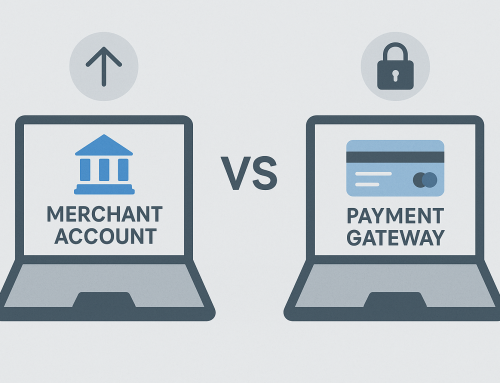
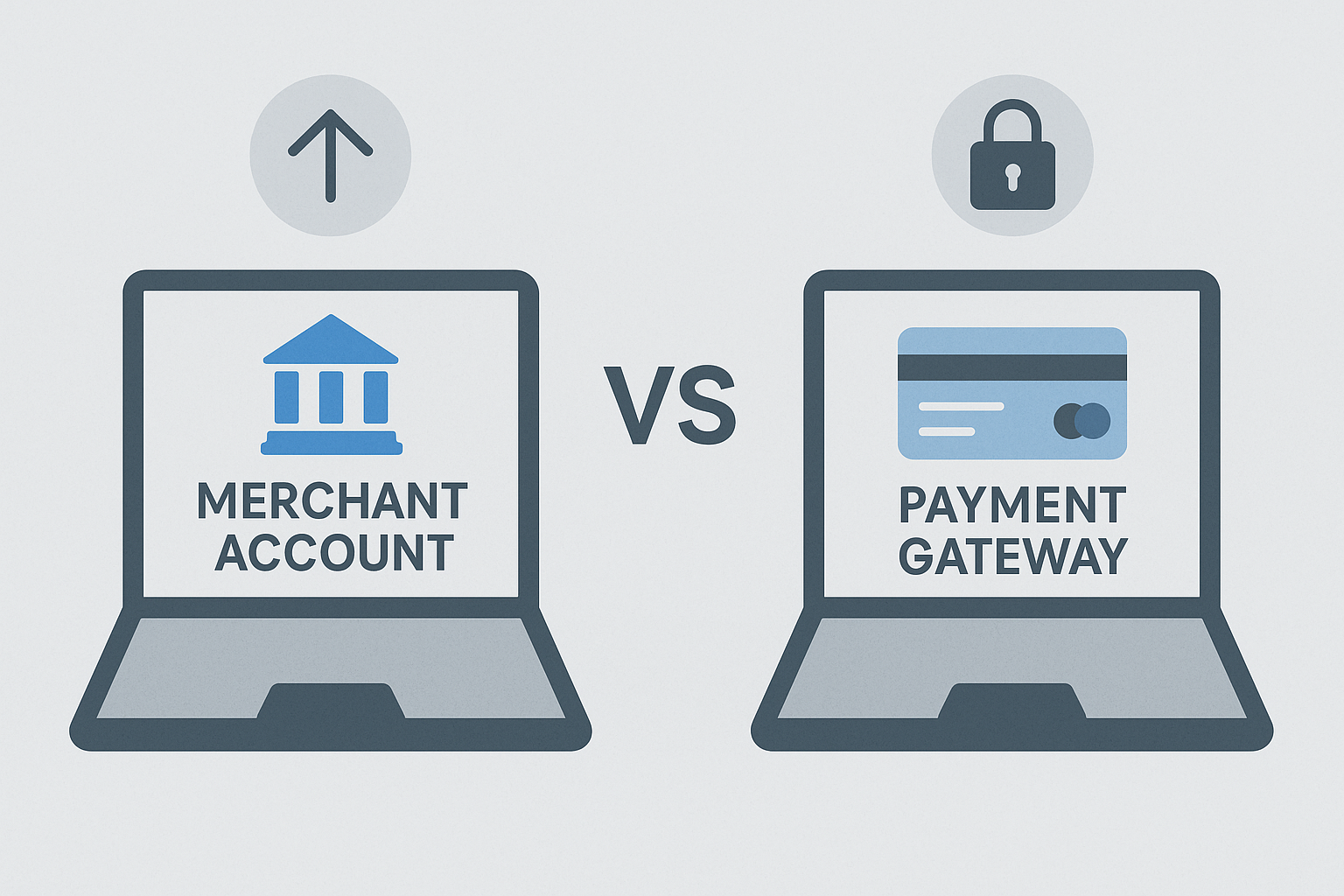
A merchant account is a special type of bank account that lets a business accept and process card payments from customers. When someone pays with a credit or debit card, the funds do not move directly into the business’s regular bank account. Instead, they first pass through the merchant account, where the payment is authorized, settled, and prepared for deposit.
For businesses that sell products or services online, in person, or over the phone, a merchant account is often an essential part of getting paid. It works behind the scenes with your payment processor, card networks, and customer bank to make electronic payments possible.
In simple terms, a merchant account acts as a temporary holding account that helps reduce payment risk and smooth out the transaction process. Without it, accepting card payments would be far more difficult for many businesses.
How Does a Merchant Account Work?
When a customer makes a purchase using a credit or debit card, several steps happen in just a few seconds. First, the payment details are sent to the payment processor. The processor then checks with the customer’s bank to confirm that the card is valid and that sufficient funds or credit are available.
If the payment is approved, the merchant account receives the authorized funds. After the transaction is fully settled, the money is transferred from the merchant account to the business’s regular bank account, usually within one to three business days.
This process helps protect both the business and the customer. It reduces the chance of fraud, ensures proper verification, and provides a structured way to move money between banks and payment networks.
Types of Merchant Accounts
Traditional Merchant Accounts
Traditional merchant accounts are offered through banks or specialized merchant service providers. These accounts are typically best for established businesses that process a steady volume of card payments. They often come with flexible pricing, strong support, and the ability to customize payment solutions.
High-Risk Merchant Accounts
Some industries are considered higher risk because they have a greater chance of chargebacks, refunds, or regulatory issues. Examples may include travel, subscription services, nutraceuticals, and adult entertainment. High-risk merchant accounts are designed to serve these businesses, though they may come with higher fees and stricter contract terms.
Aggregated or Payment Service Provider Accounts
Some small businesses use payment service providers that combine many merchants under one master merchant account. This is common with platforms that offer quick setup and simple pricing. While convenient, these accounts may have fewer customization options and can sometimes include account holds or limits if risk increases.
Why Do Businesses Need a Merchant Account?
Businesses need a merchant account because card payments are now a standard expectation for customers. Accepting cards can improve convenience, increase sales, and help businesses compete more effectively. Many customers prefer paying with a card, mobile wallet, or online checkout rather than cash or check.
A merchant account also supports business growth. It allows companies to accept payments across multiple channels, including in-store, online, and recurring billing. This flexibility is especially important for businesses that want to scale or serve customers in different locations.
In addition, having a merchant account can make cash flow more predictable. Since card payments are settled electronically, businesses often receive funds faster than they would with invoices or manual payment methods.
Merchant Account vs. Business Bank Account
A merchant account is not the same as a business bank account. A business bank account is where your company keeps its operating funds, pays expenses, and manages day-to-day finances. A merchant account, on the other hand, is used specifically to handle card transaction funds before they are transferred to the business bank account.
Think of the merchant account as the middle step in the payment process. It helps verify, route, and settle transactions securely. The business bank account is the final destination for those funds.
Both accounts are important, but they serve different purposes. Most businesses that accept card payments will need both to operate smoothly.
Merchant Account Fees and Costs
Merchant accounts usually involve several types of fees. These may include setup fees, monthly account fees, transaction fees, chargeback fees, and equipment or gateway costs. The exact pricing depends on the provider, business type, payment volume, and risk level.
One of the most common pricing models is interchange-plus pricing, where the provider charges the actual card network cost plus a small markup. Another model is flat-rate pricing, which charges the same percentage for most transactions. Some providers also use tiered pricing, although this can be harder to understand and less transparent.
When comparing merchant account providers, it is important to look beyond the headline rate. A low transaction fee may not be the best deal if there are high monthly charges or expensive penalties. Reviewing the full fee schedule helps businesses choose the most cost-effective option.
How to Choose the Right Merchant Account Provider
Choosing the right provider starts with understanding your business needs. Consider where you sell, how often you process transactions, your average ticket size, and whether you need recurring billing, e-commerce tools, or mobile payments.
It is also important to evaluate the provider’s reputation, support quality, and contract terms. Look for clear pricing, responsive customer service, and a history of reliable payment processing. If your business operates in a high-risk industry, make sure the provider has experience working with similar merchants.
Security is another key factor. The best providers offer fraud protection tools, PCI compliance support, and secure payment gateways. These features help protect your business and your customers from payment problems and data breaches.
Common Challenges with Merchant Accounts
While merchant accounts are useful, they can come with challenges. One common issue is account holds or freezes, which can happen if a provider sees unusual activity or a sudden increase in chargebacks. This can temporarily limit access to funds.
Another challenge is rejection during application. Some businesses may be denied if they are in a restricted industry, have poor credit, or do not meet the provider’s underwriting standards. In those cases, working with a provider that serves your industry can make a big difference.
Chargebacks are also a major concern. If customers dispute transactions too often, fees can rise and the account may even be terminated. Businesses can reduce chargebacks by using clear billing descriptions, offering good customer support, and maintaining accurate product or service expectations.
Final Thoughts
A merchant account is a vital tool for businesses that want to accept card payments securely and efficiently. It helps process transactions, manage payment risk, and move funds into your business bank account. Whether you run a small local store or a growing online business, understanding how merchant accounts work can help you make smarter payment decisions.
By comparing providers, understanding fees, and choosing the right account type, you can create a smoother payment experience for your customers and support long-term business growth.