Restaurant credit card processing is one of those behind-the-scenes systems that can quietly shape your entire business. It affects how quickly guests pay, how much you keep from each sale, how secure transactions are, and even how smoothly your staff can move through a busy rush. If you run a restaurant, understanding how card processing works is essential for controlling costs and improving the customer experience.
What Is Restaurant Credit Card Processing?
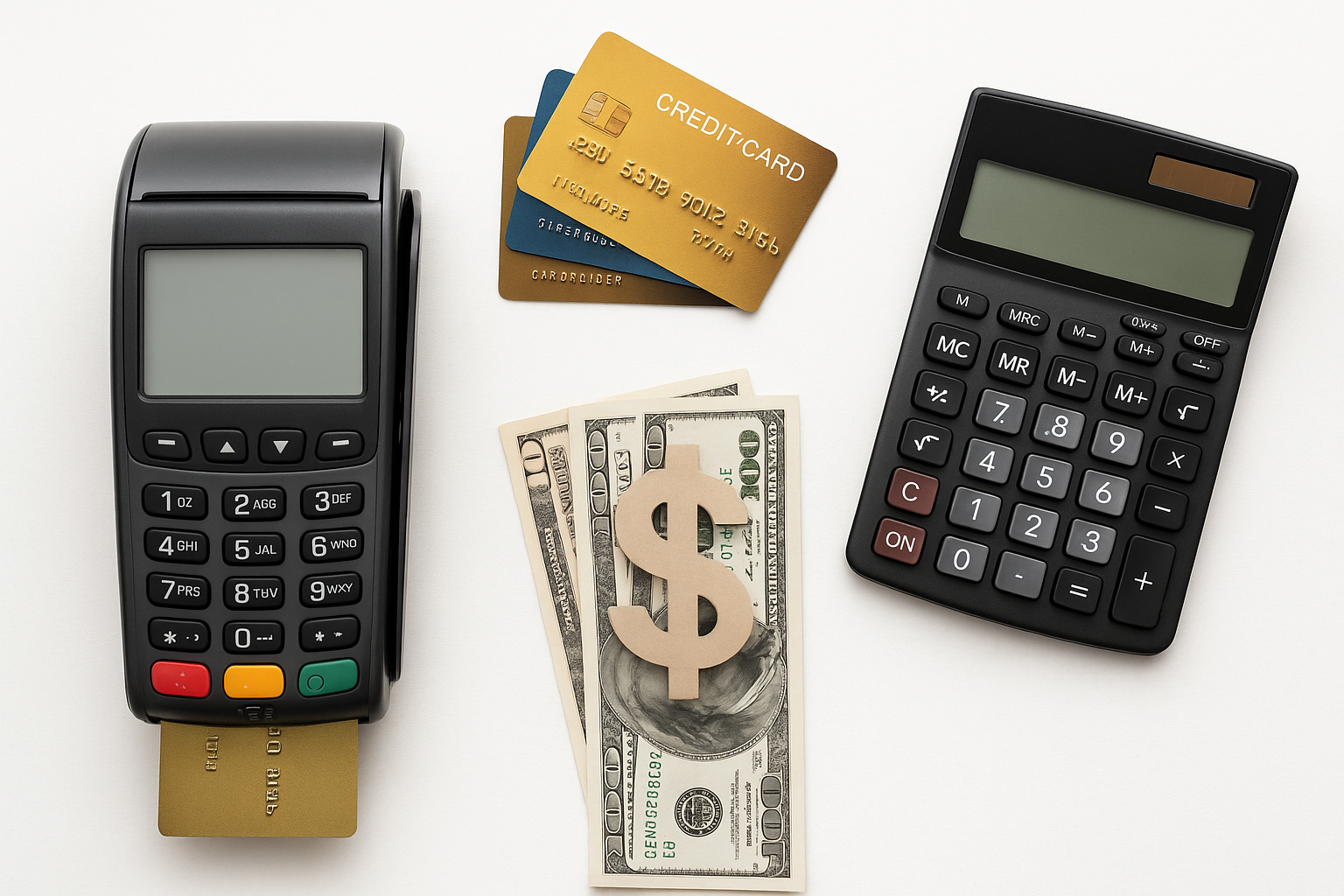
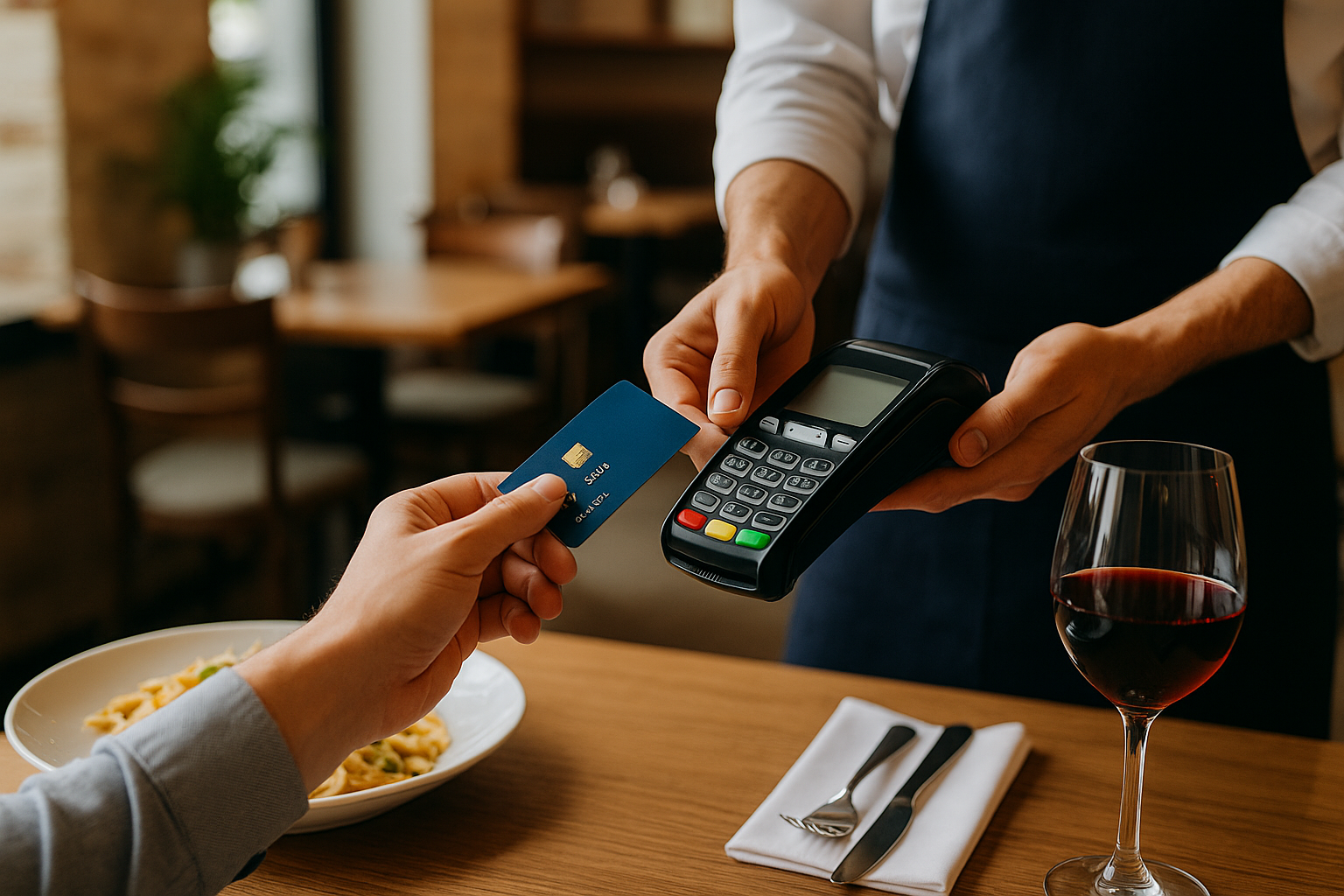
Restaurant credit card processing is the system that allows a restaurant to accept debit and credit card payments from customers. When a guest pays with a card, the transaction moves through several steps: the card reader or payment terminal captures the payment, the processor sends the information to the card network, the issuing bank approves or declines the charge, and the funds are eventually deposited into the restaurant’s bank account.
For restaurants, this process is often more complex than in retail. You may need to handle split checks, tip adjustments, tab preauthorizations, online orders, delivery payments, mobile payments, and table-side payments. The right processing setup helps manage all of these efficiently while keeping transaction fees under control.
Why It Matters for Restaurants
Most diners expect to pay with a card, and many prefer contactless or mobile wallet options. If your restaurant can’t accept modern payment methods, you risk frustrating customers and slowing down service. A reliable processing system can help you:
- Speed up checkout and table turnover
- Reduce cash handling and the risks that come with it
- Improve accuracy when splitting bills or adding tips
- Offer secure payment options for in-person and online orders
- Track sales data more efficiently
In a fast-paced restaurant environment, even small payment delays can create bottlenecks. Better processing can improve both guest satisfaction and operational flow.
How Restaurant Credit Card Processing Works
Understanding the basic transaction flow can help you make smarter decisions when choosing a provider. Here’s what typically happens when a customer pays by card:
1. The card is read
The customer inserts, taps, swipes, or uses a mobile wallet to pay. The terminal or POS system captures the card data.
2. The processor sends the request
Your payment processor securely transmits the transaction information to the card network, such as Visa or Mastercard.
3. The bank approves or declines
The issuing bank checks the account for available funds and potential fraud flags, then approves or declines the transaction.
4. The payment is settled
Approved transactions are batched and settled, and the money is deposited into your merchant account, usually within one to three business days.
Restaurants often need special features like tip adjustment and tip reconciliation. For example, a guest may sign a receipt and add a tip after the initial authorization. Your processing system should support this so the final charge is accurate.
Types of Payment Processing Solutions for Restaurants
There are several ways restaurants can accept card payments, and the best choice depends on your service model, budget, and tech stack.
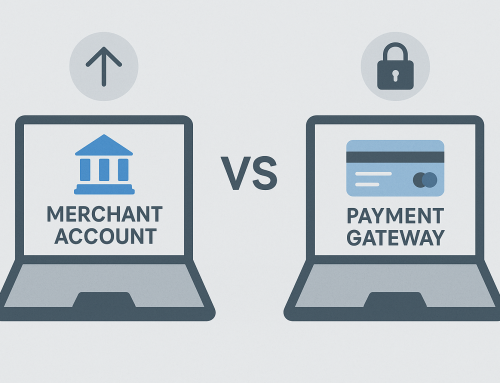
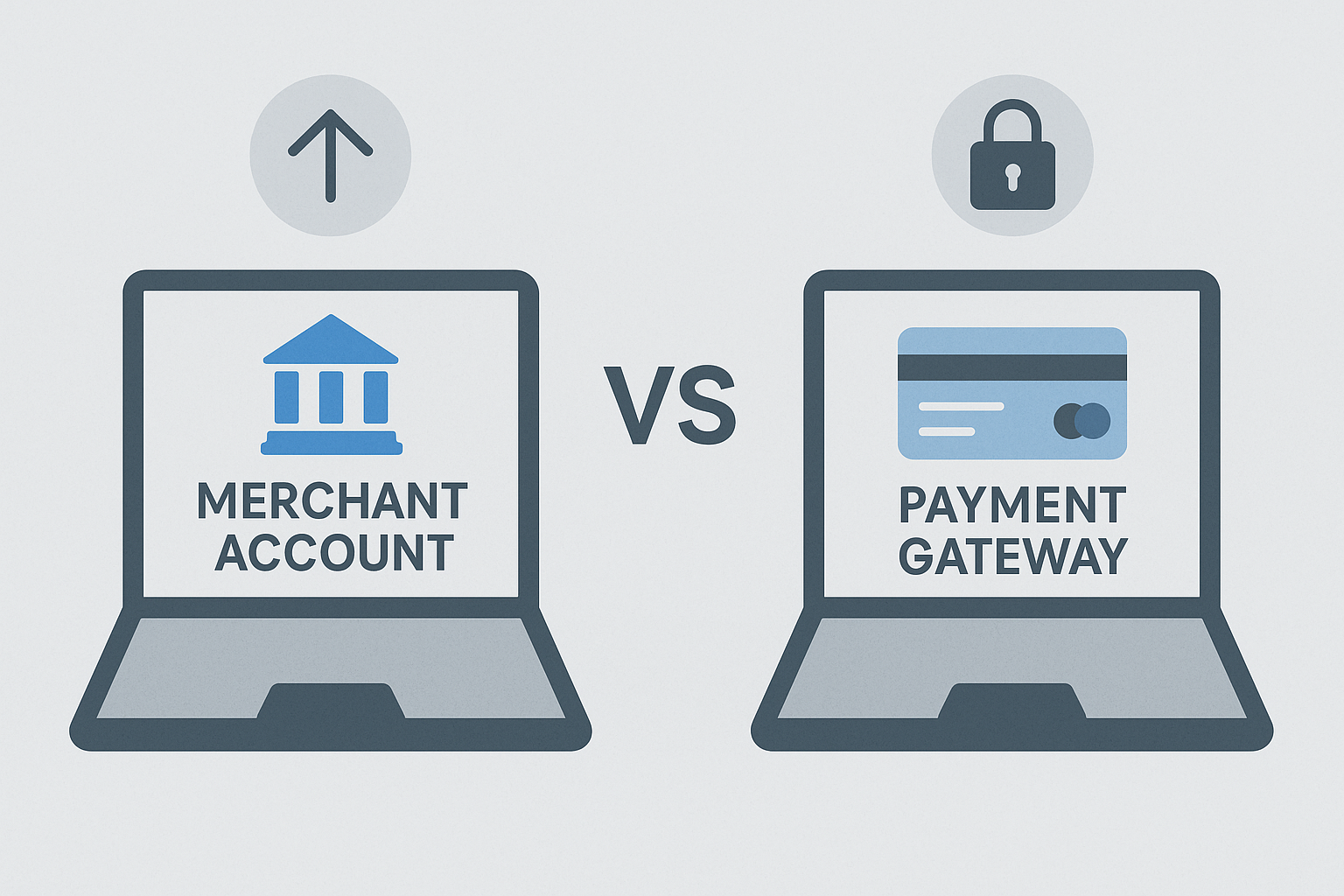
Traditional merchant account with a processor
This model uses a dedicated merchant account and a separate payment processor. It can offer strong support and customizable features, but pricing may be more complex.
All-in-one POS payment systems
Many restaurants now use point-of-sale systems that include built-in payment processing. These platforms can simplify reporting, inventory management, employee tracking, and menu changes. They are often a strong fit for full-service restaurants, quick-service concepts, and bars.
Mobile and handheld payment solutions
Table-side tablets and handheld card readers allow servers to take payments at the table, which can reduce wait times and improve the guest experience. These tools are especially useful for busy dining rooms and patios.
Online and delivery payment gateways
If you offer takeout, catering, or delivery, you’ll need secure online payment tools. A good gateway should work smoothly with your website, online ordering platform, and third-party delivery channels.
Key Fees and Pricing Models
One of the most important parts of restaurant credit card processing is understanding what you’ll pay. Processing fees can significantly affect your margins, especially if cards make up most of your sales.
Common fees include:
- Interchange fees charged by the card networks
- Assessment fees charged by card brands
- Processor markup charged by your payment provider
- Monthly fees for software, support, or account access
- Equipment costs for terminals, card readers, or POS hardware
- Chargeback fees if a customer disputes a charge
Pricing models often fall into one of three categories: interchange-plus, flat-rate, or tiered pricing. Interchange-plus is usually the most transparent because it separates the base card cost from the processor’s markup. Flat-rate pricing is easier to understand, while tiered pricing can be harder to predict and sometimes more expensive.
Restaurants should compare offers carefully and look beyond the advertised rate. Small fees can add up quickly when your volume is high.
Choosing the Right Restaurant Payment Processor
The best processor for your restaurant should support your service style and reduce friction at checkout. When evaluating providers, consider the following:
- POS compatibility: Does it work with your current system?
- Speed and reliability: Can it handle peak traffic without downtime?
- Tip management: Does it support flexible tipping and tip reporting?
- Reporting: Can you track sales, refunds, chargebacks, and tips easily?
- Security: Does it include encryption, tokenization, and PCI compliance tools?
- Support: Is customer service available when your restaurant is open?
You should also ask whether the provider offers support for curbside pickup, delivery, online ordering, gift cards, and loyalty programs. The more your payment tools connect with your operations, the easier it is to manage the business.
Security and Compliance Considerations
Card security is critical in the restaurant industry because restaurants process a high volume of transactions and often handle cards in fast-moving environments. A secure system should protect customer data and reduce fraud risk.
Look for processors that offer:
- End-to-end encryption
- Tokenization of card data
- EMV chip card support
- Contactless payment support
- PCI compliance assistance
- Fraud detection and chargeback tools
Training your staff is just as important as choosing the right technology. Servers should know how to handle card-present transactions safely, verify suspicious activity, and process refunds correctly. A simple mistake can lead to chargebacks, lost revenue, or compliance issues.
Tips to Lower Processing Costs
While you can’t eliminate card fees, you can manage them more effectively. Here are a few ways to reduce costs:
- Compare multiple providers before signing a contract
- Choose transparent pricing instead of vague bundled rates
- Use EMV and contactless tools to reduce fraud exposure
- Encourage card-present payments for in-house orders when appropriate
- Review monthly statements for hidden fees or unnecessary charges
- Negotiate rates if your volume is strong
It’s also worth checking whether your processor offers savings on gift cards, recurring payments, or online ordering. The right features can reduce manual work and improve efficiency, which matters just as much as a low advertised rate.
Conclusion
Restaurant credit card processing is more than a back-office utility. It shapes how quickly you serve guests, how securely you handle payments, and how much profit you keep from each transaction. By understanding your options, comparing fees carefully, and choosing a system that fits your restaurant’s workflow, you can create a smoother checkout experience and stronger financial control.