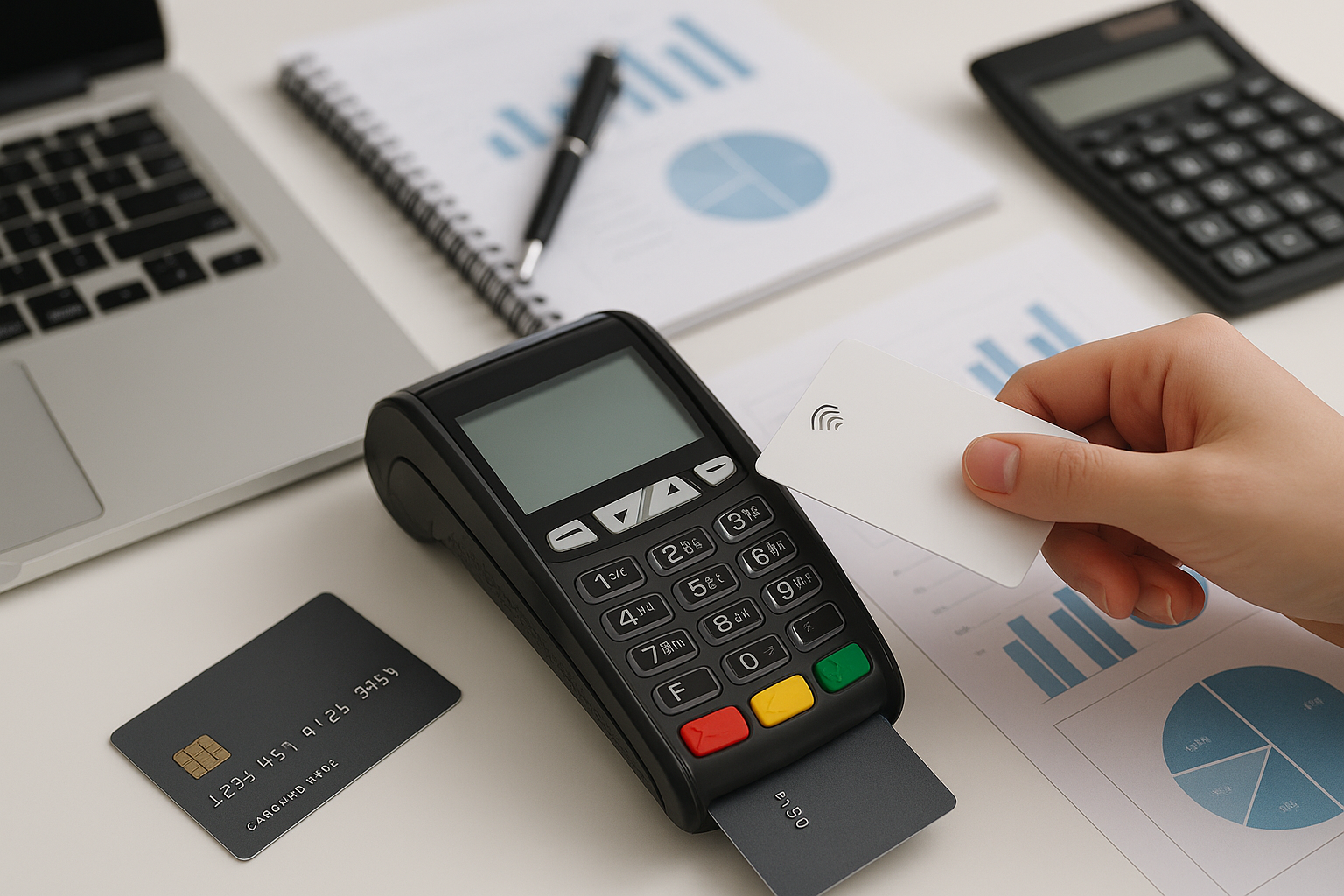
What Is Payment Processing?
Payment processing is the system that allows businesses to accept payments from customers and move those funds from the customer’s bank or card issuer to the merchant’s account. It powers everyday transactions online, in stores, and through mobile devices. Whether a customer taps a card, enters payment details on a website, or uses a digital wallet, payment processing handles the behind-the-scenes steps that make the transaction possible.
At its core, payment processing helps ensure payments are fast, secure, and reliable. It also supports multiple payment methods, reduces fraud risk, and gives businesses a smoother way to get paid. For modern businesses, payment processing is not just a convenience—it is a critical part of the customer experience.
How Payment Processing Works
Although payment processing feels instant to customers, several systems work together in a matter of seconds. Understanding the basic flow can help businesses choose better tools and troubleshoot issues more effectively.
1. The Customer Initiates a Payment
The process begins when a customer makes a purchase using a credit card, debit card, digital wallet, or another payment method. In an online checkout, this may involve entering card details or selecting a wallet like Apple Pay or Google Pay. In a physical store, it may happen by swiping, inserting, or tapping a card.
2. The Payment Gateway Captures the Data
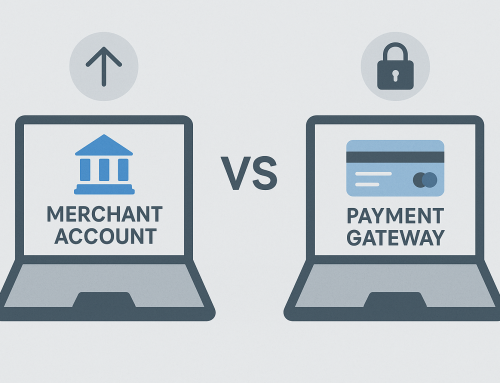
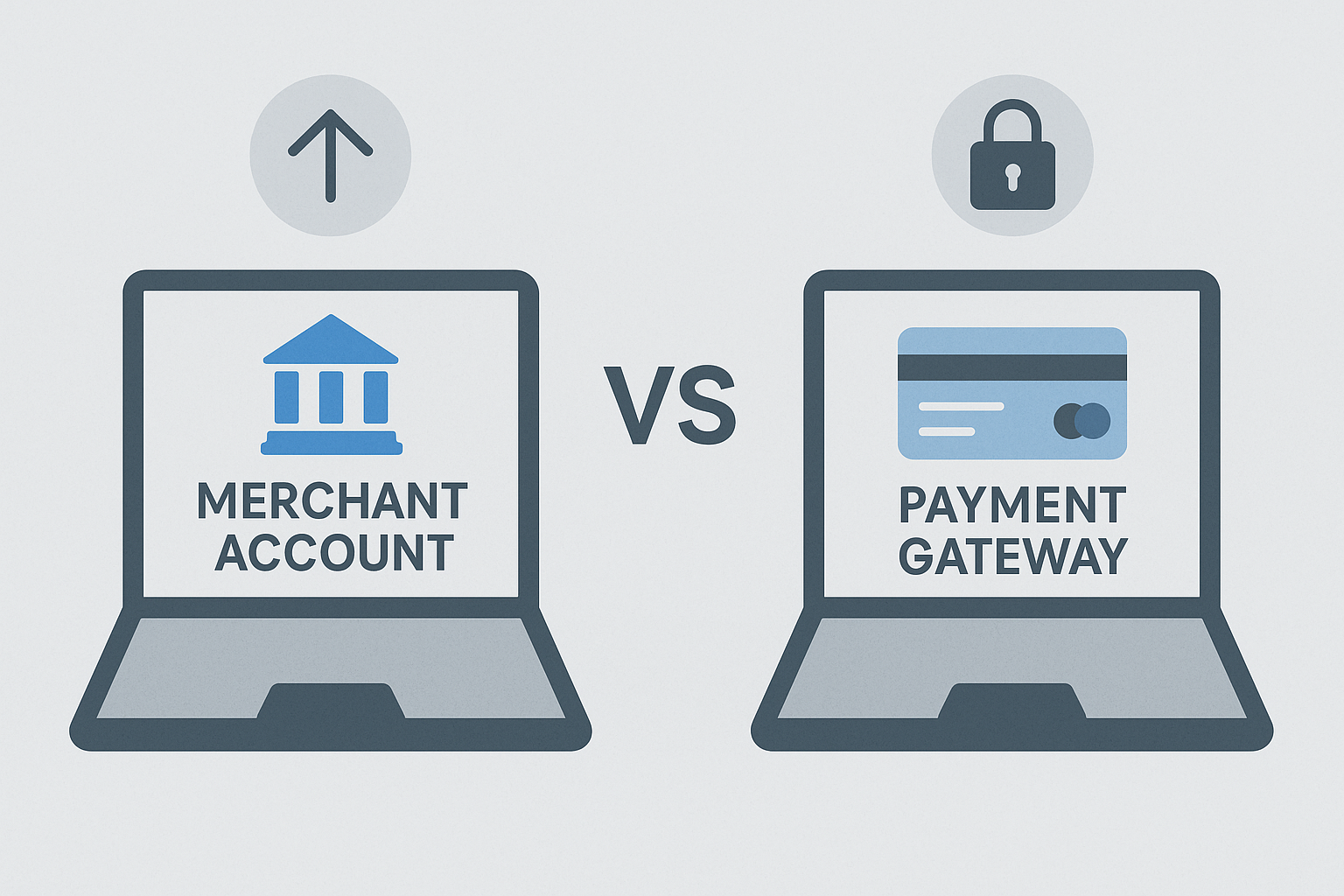
For online transactions, a payment gateway securely captures payment information and sends it to the next part of the system. Think of the gateway as a digital bridge between the customer and the financial institutions involved in the transaction. It helps encrypt sensitive data so it can move safely through the payment network.
3. The Payment Processor Routes the Transaction
The payment processor sends the transaction details to the appropriate card network and issuing bank. It checks whether the payment can be approved based on available funds, card status, and security signals. This step happens very quickly, often in just a few seconds.
4. The Issuing Bank Approves or Declines
The customer’s bank, also called the issuing bank, reviews the request and decides whether to approve the transaction. If the account has sufficient funds or available credit and no fraud concerns are detected, the bank authorizes the payment. If not, the transaction is declined.
5. Funds Are Settled
Once approved, the payment does not always move into the merchant’s account immediately. The funds are first settled through the payment network and then deposited into the merchant’s bank account, usually within one to three business days, depending on the provider and payment method.
Key Players in the Payment Processing Ecosystem
Payment processing involves several participants, each with a specific role. Knowing who does what can help clarify how transactions flow.
Merchant
The merchant is the business accepting the payment. This could be a retail store, an e-commerce website, a service provider, or a subscription business.
Customer
The customer is the person making the payment for goods or services.
Payment Gateway
The payment gateway securely transfers transaction data from the customer to the processor, especially in online transactions.
Payment Processor
The payment processor manages communication between the merchant, the card network, and the issuing bank. It helps authorize and route payments.
Card Network
Networks such as Visa, Mastercard, American Express, and Discover set the rules for card transactions and move payment information between banks.
Acquiring Bank
The acquiring bank, or merchant bank, holds the merchant’s account and receives the settled funds.
Issuing Bank
The issuing bank provides the customer’s card and decides whether to approve or decline the payment.
Types of Payment Processing
Different businesses need different payment processing setups. The right option depends on sales channels, transaction volume, and customer preferences.
In-Person Payment Processing
In-person processing supports card-present transactions in retail locations, restaurants, and events. Customers typically pay using EMV chip cards, contactless payments, or mobile wallets. This type of processing often has lower fraud risk because the card is physically present.
Online Payment Processing
Online payment processing is used for e-commerce stores, SaaS businesses, digital services, and any business that sells through a website. It relies heavily on payment gateways, fraud prevention tools, and secure checkout experiences.
Mobile Payment Processing
Mobile payment processing lets businesses accept payments through smartphones or tablets. It is popular with field service teams, pop-up shops, food trucks, and small businesses that need flexibility.
Recurring Payment Processing
Recurring billing is ideal for subscription businesses, memberships, and installment plans. It automates charges on a schedule, which helps improve cash flow and reduce manual work.
Why Payment Processing Matters for Businesses
Payment processing affects far more than the final step of a sale. It influences revenue, customer satisfaction, operational efficiency, and risk management.
A smooth checkout experience can reduce cart abandonment and increase completed sales. Fast approval rates help businesses capture revenue without frustrating customers. Secure processing also protects both the business and the customer by reducing the chances of data theft and fraud.
In addition, a strong payment processing setup can support business growth. As sales increase, businesses need systems that can handle higher transaction volumes, multiple payment methods, international payments, and recurring billing without slowing down.
Common Payment Processing Fees
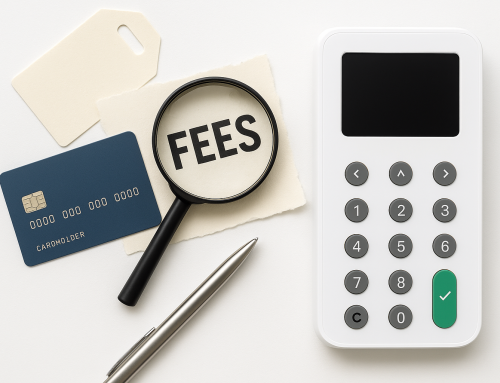
Every payment processing provider has a pricing model, and understanding fees is essential for managing costs. While pricing structures vary, businesses commonly encounter the following:
- Transaction fees: A percentage of the sale plus a fixed amount per transaction.
- Monthly fees: Ongoing service fees charged by some providers.
- Chargeback fees: Fees applied when a customer disputes a transaction.
- Gateway fees: Charges for using a payment gateway, often in online payments.
- Setup or cancellation fees: Extra costs that may apply depending on the provider.
Choosing the lowest-fee provider is not always the best decision. A slightly more expensive provider may offer better uptime, stronger security, faster deposits, and better support—all of which can save money in the long run.
Security and Compliance in Payment Processing
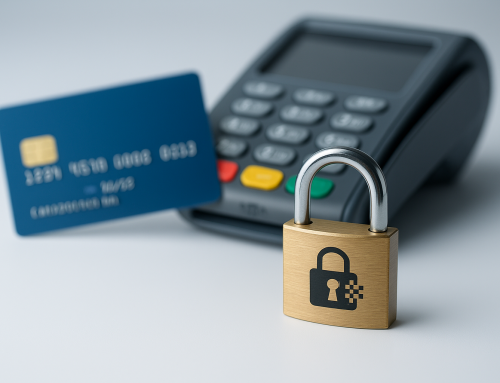
Because payment data is sensitive, security is one of the most important parts of payment processing. Businesses should look for providers that offer encryption, tokenization, fraud detection, and compliance support.
One major standard is PCI DSS, which stands for Payment Card Industry Data Security Standard. PCI compliance helps businesses protect cardholder data and reduce the risk of breaches. Some payment processors handle much of the compliance burden for merchants, while others require more direct responsibility from the business.
Additional security tools like address verification, CVV checks, 3D Secure, and fraud scoring can help prevent unauthorized transactions. These features are especially important for online businesses and high-risk industries.
How to Choose the Right Payment Processing Solution
Selecting the right payment processor depends on your business model, customer expectations, and growth plans. Here are a few factors to consider:
- Payment methods supported: Make sure the processor accepts the types of payments your customers prefer.
- Pricing structure: Review transaction fees, monthly charges, and hidden costs carefully.
- Integration options: Check whether the processor works with your website platform, POS system, or accounting software.
- Security features: Look for strong fraud protection and compliance support.
- Settlement speed: Understand how quickly funds are deposited.
- Customer support: Reliable support can be crucial when payment issues arise.
- Scalability: Choose a solution that can grow with your business.
It is also wise to test the user experience from the customer’s perspective. A complicated checkout flow can cause abandoned carts and lost sales, even if the backend processing works well.
Conclusion
Payment processing is the backbone of modern commerce. It connects customers, banks, and businesses in a secure system that makes transactions possible across online, in-person, and mobile channels. By understanding how payment processing works, what it costs, and how to choose the right provider, businesses can create a smoother checkout experience and build a stronger foundation for growth.