Best Credit Card Processing for Small Business
Choosing the best credit card processing for a small business can have a direct impact on cash flow, customer satisfaction, and overall profitability. Whether you run a retail shop, a service-based business, or an online store, the right payment processor should make it easy for customers to pay while keeping costs predictable and support dependable.
With so many providers on the market, it can be hard to know which one is the right fit. Some companies offer low rates but charge hidden fees. Others provide great software tools but lock you into contracts. The best choice depends on how your business operates, how often you accept card payments, and whether you need in-person, online, or mobile payment options.
What to Look for in a Credit Card Processor
Before comparing providers, it helps to understand the main features that matter most. Small businesses usually benefit from a processor that is affordable, easy to use, and flexible enough to grow with the business.
Pricing and Fees
Processing fees can take a meaningful bite out of margins, so pricing should be one of your first considerations. Look for transparent pricing with clear transaction rates, monthly fees, chargeback costs, and any hardware or setup charges. Many processors use flat-rate pricing, interchange-plus pricing, or subscription-style pricing. The best option depends on your sales volume and average ticket size.
Ease of Use
A small business owner often wears many hats, so the payment system should be simple to learn and manage. Easy setup, intuitive dashboards, and quick deposit timelines can save time and reduce stress. If your team will use the system daily, training should be straightforward.
Integration With Business Tools
The best credit card processing for small business often includes integrations with accounting software, eCommerce platforms, invoicing tools, and point-of-sale systems. When your processor connects smoothly with your existing tools, you reduce manual data entry and improve accuracy.
Security and Compliance
Payment security is essential. Choose a processor that supports encryption, tokenization, and PCI compliance. These protections help reduce fraud risk and keep customer payment data safe. Strong security can also protect your business from costly chargebacks and reputation damage.
Types of Credit Card Processing Options
Different businesses have different payment needs. Understanding the main processing options can help you choose a provider that matches your day-to-day operations.
Flat-Rate Processors
Flat-rate processors charge one consistent percentage per transaction, often with a small fixed fee. This model is easy to understand and works well for small businesses with lower or moderate sales volume. It offers simplicity and predictable billing, which is ideal for owners who want minimal complexity.
Interchange-Plus Processors
Interchange-plus pricing separates the card network’s interchange fee from the processor’s markup. This structure is often more transparent and can be more cost-effective for businesses with higher transaction volume. It may be a better fit if your business processes many payments each month and wants more control over costs.
Mobile and POS Solutions
If you sell at markets, pop-up events, job sites, or in person at multiple locations, mobile card readers and point-of-sale systems are important. These tools let you accept payments wherever you work and often include inventory tracking, digital receipts, and customer management features.
Online Payment Gateways
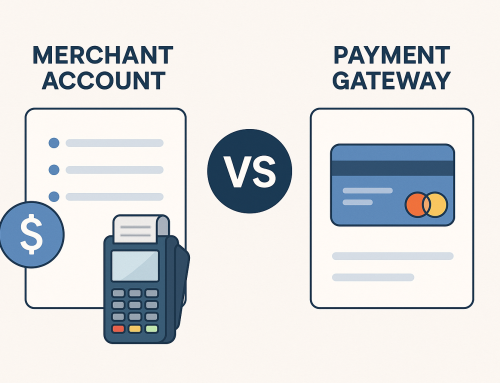
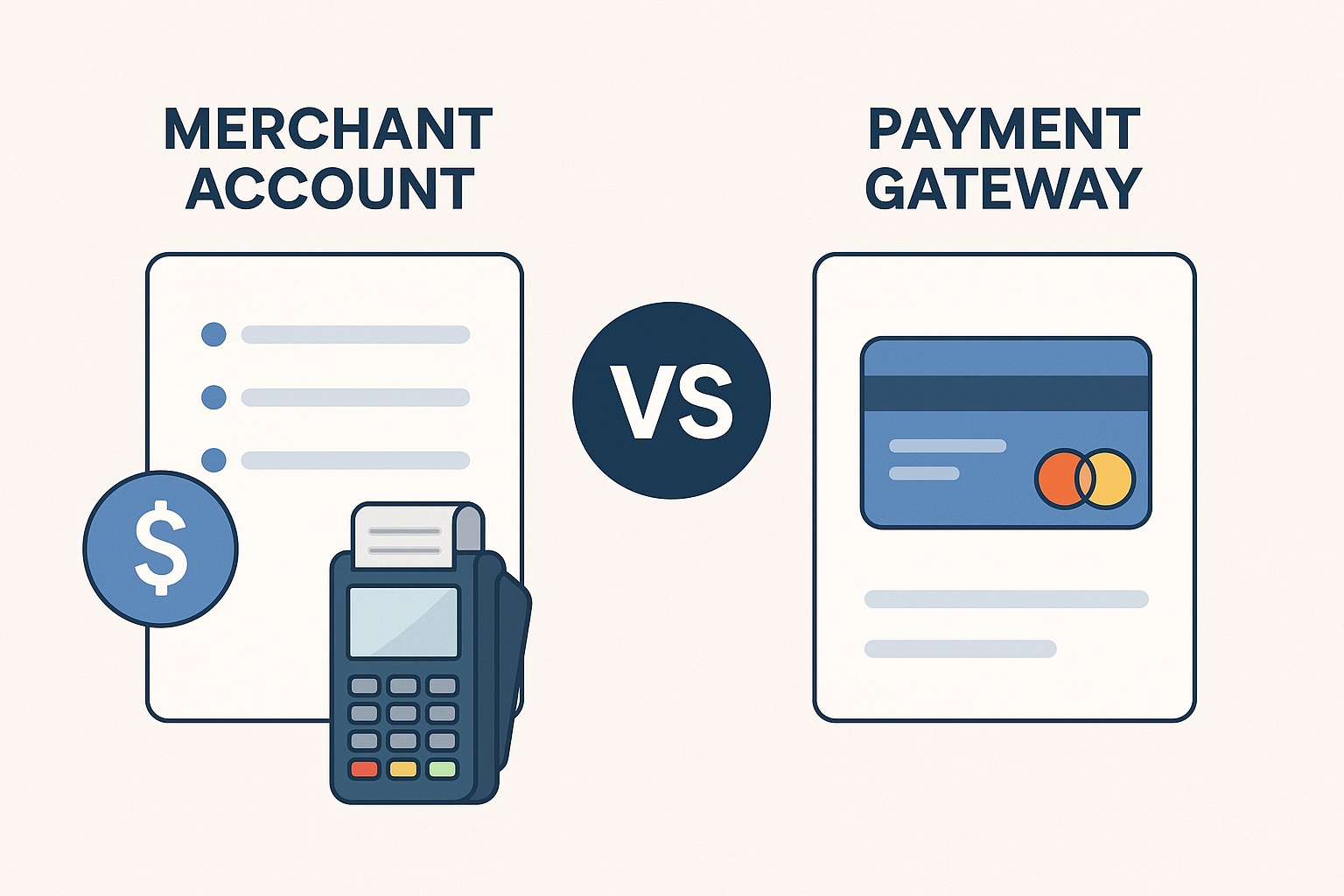
For eCommerce businesses, a payment gateway is essential. It securely authorizes online transactions and connects your website to the processor. The best online processors also support recurring billing, invoicing, and fraud screening tools.
Benefits of Choosing the Right Processor
Selecting the right processing partner can do more than just accept payments. It can improve the overall customer experience and help your business run more efficiently.
Better Cash Flow
Fast deposits help small businesses stay on top of expenses like inventory, payroll, and supplies. A reliable processor can shorten the time between sale and deposit, which is especially valuable for businesses with tight margins.
Improved Customer Experience
Customers expect fast, convenient, and secure ways to pay. When your checkout process is smooth, you reduce friction and increase the chances of repeat business. The ability to accept tap-to-pay, mobile wallets, and online payments can also improve convenience.
Scalability
The best credit card processing for small business should be able to grow with you. As your sales increase or your business expands into new channels, your processor should support new payment types, locations, and software integrations without forcing a major switch.
How to Compare Credit Card Processing Providers
When evaluating providers, do not focus only on the advertised rate. The total cost and overall service matter just as much.
Start by comparing the effective rate, which includes all processing costs divided by total card sales. Then review monthly fees, equipment costs, contract terms, and chargeback fees. Some providers may appear inexpensive at first but become costly once all fees are included.
Also consider customer support. Small businesses often need quick help when a terminal fails, a transaction declines, or a payout is delayed. Look for responsive support through phone, chat, or email, especially if your business operates during evenings or weekends.
Finally, check whether the provider offers a clear cancellation policy. Long-term contracts and early termination fees can limit flexibility, so it is wise to read the fine print before signing up.
Common Mistakes Small Businesses Should Avoid
Many small businesses choose a processor based only on the lowest advertised rate. While cost is important, it should not be the only factor. A cheap processor with poor service or hidden fees can end up costing more in the long run.
Another common mistake is overlooking business-specific needs. For example, a restaurant may need tipping features and split checks, while a contractor may need invoicing and mobile payment tools. A retail store may need inventory tracking and integrated hardware. Choosing a processor that matches your workflow saves time and reduces frustration.
It is also easy to underestimate the importance of customer support. When payment systems go down, every minute counts. A provider with strong support can help you resolve issues quickly and minimize disruptions.
Best Fit by Business Type
The best credit card processing for small business often depends on the type of business you run.
Retail stores: Look for reliable POS systems, inventory management, and tap-to-pay support.
Service businesses: Choose a processor with invoicing, recurring billing, and mobile payment tools.
Restaurants and cafes: Prioritize tipping, fast checkout, table-side payment options, and easy staff management.
Online stores: Focus on secure gateways, fraud tools, and integrations with your eCommerce platform.
Mobile businesses: Use portable readers and a processor that works well on smartphones or tablets.
Conclusion
The best credit card processing for small business is the one that balances cost, convenience, security, and support. By comparing pricing models, looking at essential features, and matching the processor to your business type, you can choose a solution that helps you get paid faster and serve customers better.
Take time to review the details before making a decision. A well-chosen processor can simplify your operations today and support your growth tomorrow.