Best Credit Card Processing for Small Business
Choosing the best credit card processing for small business can have a major impact on cash flow, customer satisfaction, and overall profit. Whether you run a retail shop, service business, restaurant, or online store, the right payment processor helps you accept payments quickly, securely, and affordably. With so many providers and pricing models available, it’s important to understand what matters most before signing a contract.
This guide breaks down the key features, costs, and provider types to help you choose a credit card processing solution that fits your business needs. From in-person sales to invoicing and mobile payments, the best option is the one that balances convenience, reliability, and value.
What to Look for in a Credit Card Processor
Not all processors are created equal. The best one for your business depends on how you accept payments, your monthly sales volume, and the type of customer experience you want to provide. Look closely at pricing, hardware, integrations, support, and security before deciding.
Transparent Pricing
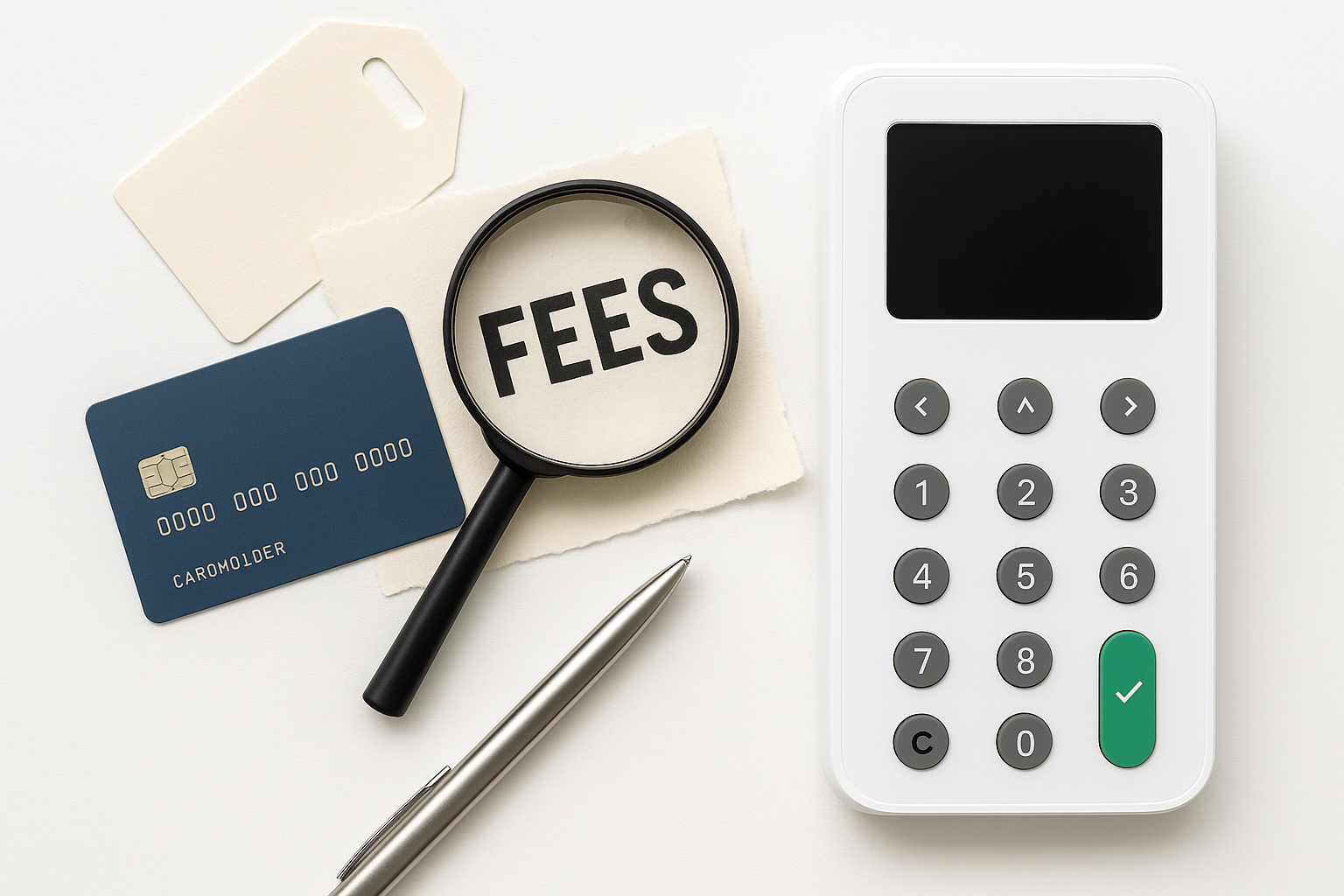
One of the biggest mistakes small business owners make is focusing only on advertised rates. Many providers promote low processing fees but add monthly charges, setup fees, batch fees, PCI compliance fees, or cancellation penalties. A transparent provider clearly explains its pricing structure and makes it easy to estimate your total cost.
Common pricing models include flat-rate pricing, interchange-plus pricing, and subscription pricing. Flat-rate pricing is simple and predictable, while interchange-plus may offer lower long-term costs for businesses with higher volume. Subscription pricing can work well for established businesses that process enough card sales to justify a monthly membership fee.
Payment Flexibility
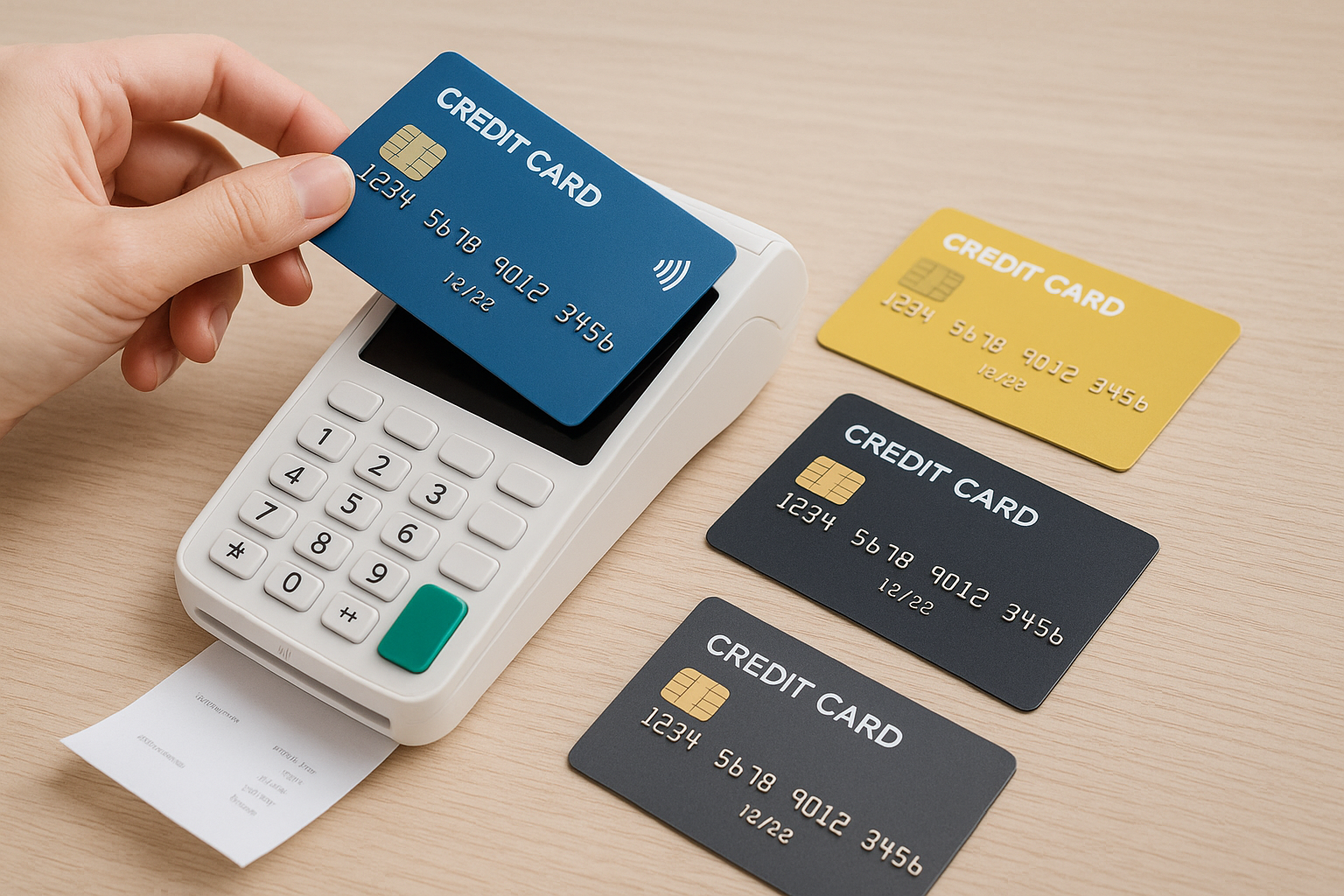
Your processor should support the ways your customers prefer to pay. Today, that often includes tap-to-pay, chip cards, mobile wallets, online payments, recurring billing, and digital invoices. If you sell in person and online, choose a processor that can handle both seamlessly.
Businesses with frequent on-the-go sales may also need mobile card readers or virtual terminal access. Restaurants, salons, contractors, and service providers often benefit from processors that support tipping, saved cards, and recurring billing.
Security and Compliance
Credit card payments must be handled securely to protect both your business and your customers. A strong processor should be PCI compliant and offer tools such as encryption, tokenization, fraud monitoring, and chargeback support. Security breaches are expensive and damaging, so choose a provider with a strong reputation for protecting card data.
Software Integrations
The best credit card processing for small business often connects with the tools you already use. Look for integrations with accounting software, inventory systems, point-of-sale platforms, e-commerce tools, and customer relationship management apps. Smooth integrations reduce manual work, improve reporting, and help you keep better track of sales and expenses.
Customer Support
Payment issues can interrupt sales quickly, so responsive customer support matters. Ideally, your processor should offer multiple support channels, including phone, chat, and email. For small businesses that rely on card payments every day, 24/7 support can be especially valuable.
Types of Credit Card Processing Solutions
There are several types of processing solutions available, and each one serves different business models. Understanding the differences will help you narrow your options.
Flat-Rate Processors
Flat-rate processors charge the same percentage or fee per transaction, making them easy to understand. This option is often ideal for newer small businesses, seasonal businesses, and companies with modest monthly sales. The main advantage is simplicity, though businesses with higher processing volumes may pay more than they would with interchange-plus pricing.
Interchange-Plus Processors
Interchange-plus pricing separates the card network’s fee from the processor’s markup. This model is usually more transparent and can be cost-effective for businesses that process a steady or higher volume of transactions. While the statements can be more detailed, this pricing structure often gives business owners better insight into what they are actually paying.
All-in-One Payment Platforms
Many small businesses prefer all-in-one payment platforms that combine card processing, invoicing, online checkout, reports, and business tools in one system. These providers are especially appealing to businesses that want convenience and minimal setup. They may be a strong choice for freelancers, consultants, and small retail operations.
Industry-Specific Processors
Some processors are designed for specific industries, such as restaurants, healthcare, salons, or construction. These providers often include specialized features like appointment scheduling, split payments, tableside checkout, or invoice management. If your business has unique needs, an industry-specific processor may save time and improve efficiency.
Top Benefits of Choosing the Right Processor
Selecting the best credit card processing for small business does more than just make it possible to accept payments. It can improve your operations and help your business grow.
Faster Cash Flow
Card payments typically settle faster than checks, which means you get access to funds sooner. Faster cash flow can help with payroll, inventory purchases, and day-to-day operating expenses. Some processors also offer next-day or same-day funding for an additional fee.
Better Customer Experience
Customers expect quick, easy payment options. A reliable processor with modern payment methods reduces friction at checkout and makes your business look more professional. Offering multiple payment methods can also increase sales by making it easier for customers to complete purchases.
Improved Recordkeeping
Many payment systems automatically track sales, generate reports, and sync with accounting tools. This makes it easier to monitor revenue, calculate taxes, and manage inventory. For small business owners with limited time, automated recordkeeping can be a major advantage.
Scalability
The right processor can grow with your business. As you add employees, expand to new locations, or launch online sales, your payment system should be able to scale with minimal disruption. Choosing a flexible solution now can save you from switching providers later.
How to Compare Providers
When comparing payment processors, don’t rely on price alone. The lowest advertised rate is not always the cheapest option once all fees are included. Instead, review the full cost structure and evaluate the features that matter most to your operations.
Ask each provider for a complete fee breakdown, including processing rates, monthly fees, chargeback fees, hardware costs, and any minimum requirements. If possible, request a sample statement or cost estimate based on your average monthly sales. This will help you compare providers on a more accurate basis.
You should also test the user experience. Is the dashboard easy to use? Can you quickly issue refunds, track transactions, or manage disputes? A system that saves time every day can be worth more than a slightly lower rate.
Best Credit Card Processing for Different Small Businesses
The best option depends on the type of business you run.
- Retail businesses: Look for reliable point-of-sale hardware, fast checkout, inventory tools, and omnichannel support.
- Service businesses: Choose processors with invoicing, recurring billing, and virtual terminal features.
- Restaurants: Prioritize tips, tableside payments, split checks, and fast transaction times.
- E-commerce businesses: Focus on secure online checkout, fraud protection, and shopping cart integrations.
- Mobile businesses: Find a provider with strong mobile readers, cellular support, and easy remote payment options.
Matching the processor to your business model helps you avoid paying for features you won’t use while making sure you have the tools you need every day.
Conclusion
The best credit card processing for small business is the one that fits your sales channels, budget, and growth plans. Focus on transparent pricing, secure payment handling, useful integrations, and responsive support. When you choose a processor that aligns with your business needs, you can improve customer experience, simplify operations, and keep more of your hard-earned revenue.
Take the time to compare options carefully, and don’t hesitate to ask questions before committing. The right payment partner can become a valuable part of your business success.