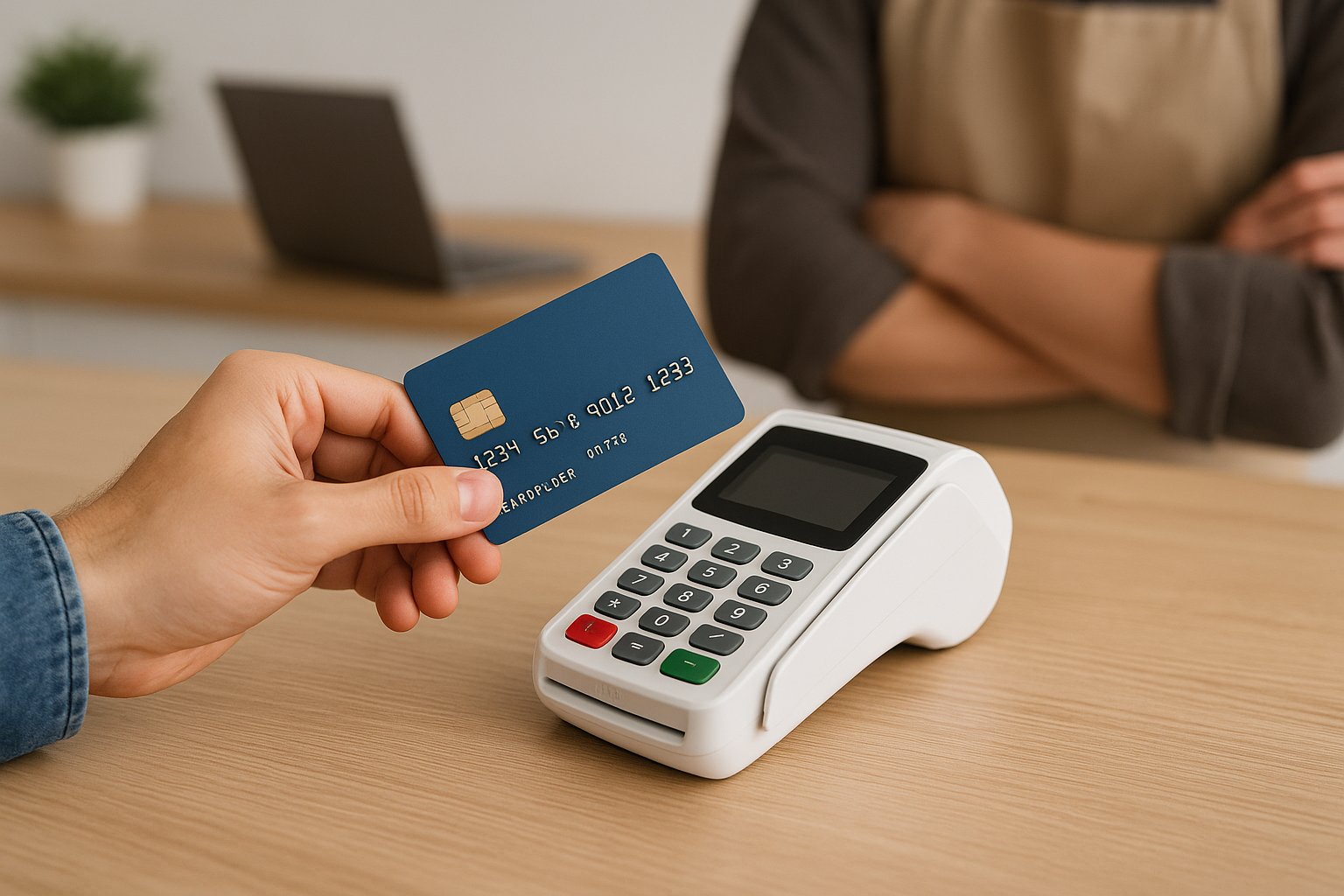
Choosing the best credit card processing for a small business can make a big difference in cash flow, customer satisfaction, and day-to-day operations. The right provider helps you accept payments quickly, keep fees under control, and avoid frustrating issues like delayed deposits or unreliable support. With so many options available, it’s important to understand what matters most before you sign a contract.
Why Credit Card Processing Matters for Small Businesses
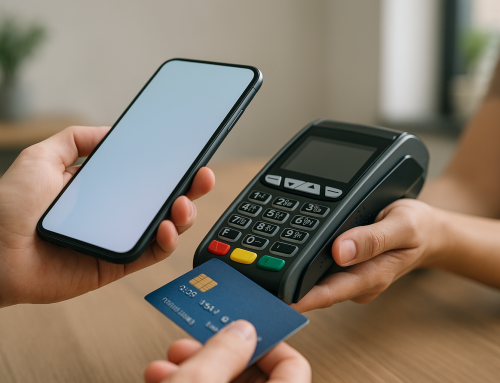
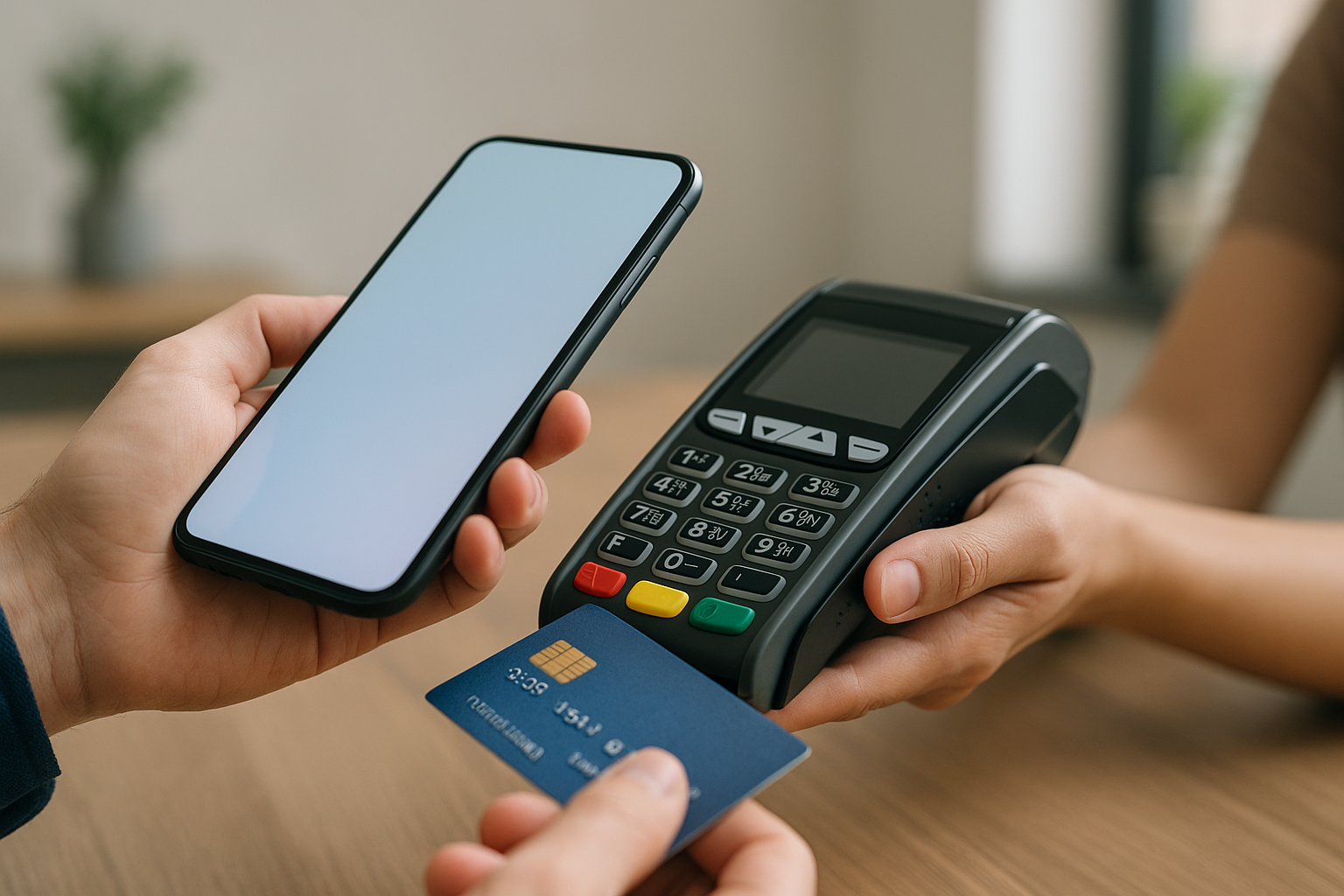
Today’s customers expect to pay with cards, digital wallets, and contactless options. If your business can’t offer convenient payment methods, you may lose sales to competitors that can. Credit card processing also helps small businesses speed up transactions, improve recordkeeping, and reduce the risks that come with handling cash.
For small business owners, the best solution is usually one that balances affordability, simplicity, and reliability. You want a processor that fits your sales volume, your industry, and the way you operate, whether you work in a retail store, a restaurant, online, or on the go.
What to Look for in a Credit Card Processor
Transparent Pricing
Pricing is one of the most important factors when comparing processors. Some providers charge flat-rate fees, while others use interchange-plus or subscription-based pricing. Flat-rate pricing is easy to understand and often works well for newer businesses, while interchange-plus may be more cost-effective for companies with higher transaction volumes.
Watch out for hidden costs such as monthly minimums, PCI compliance fees, statement fees, chargeback fees, and early termination penalties. A low advertised rate does not always mean the lowest total cost.
Ease of Use
Small business owners usually need a system that is simple to set up and easy for staff to learn. The best processors offer user-friendly dashboards, intuitive payment terminals, and mobile apps that make it easy to track sales and manage deposits. If your team spends less time troubleshooting payments, they can spend more time serving customers.
Fast Deposits
Cash flow matters, especially for small businesses. Some processors deposit funds the next business day, while others may take longer. Faster deposits can help you pay vendors, restock inventory, and cover operating expenses without stress.
Security and Fraud Protection
Security should never be an afterthought. Look for processors that are PCI compliant and provide tools such as encryption, tokenization, and fraud monitoring. If you run an online business, features like address verification and CVV checks can help reduce chargebacks and suspicious transactions.
Customer Support
Reliable support is especially valuable for small businesses that may not have dedicated IT or finance teams. If your terminal stops working during a busy sales period, you need help quickly. Choose a processor with responsive customer service, ideally available by phone, chat, or email.
Types of Credit Card Processing Solutions
Flat-Rate Payment Processors
Flat-rate processors charge a simple percentage and sometimes a small per-transaction fee. This model is popular with startups and small businesses because it is easy to predict. It is a good fit if you want straightforward pricing without having to analyze complicated fee structures.
Interchange-Plus Processors
Interchange-plus pricing separates the actual card network cost from the processor’s markup. This can be a strong option for businesses with steady sales volume because it is often more transparent and potentially cheaper than flat-rate pricing. However, the pricing structure may be harder to understand at first.
All-in-One POS Systems
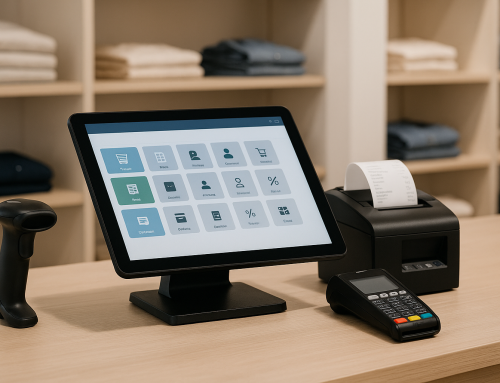
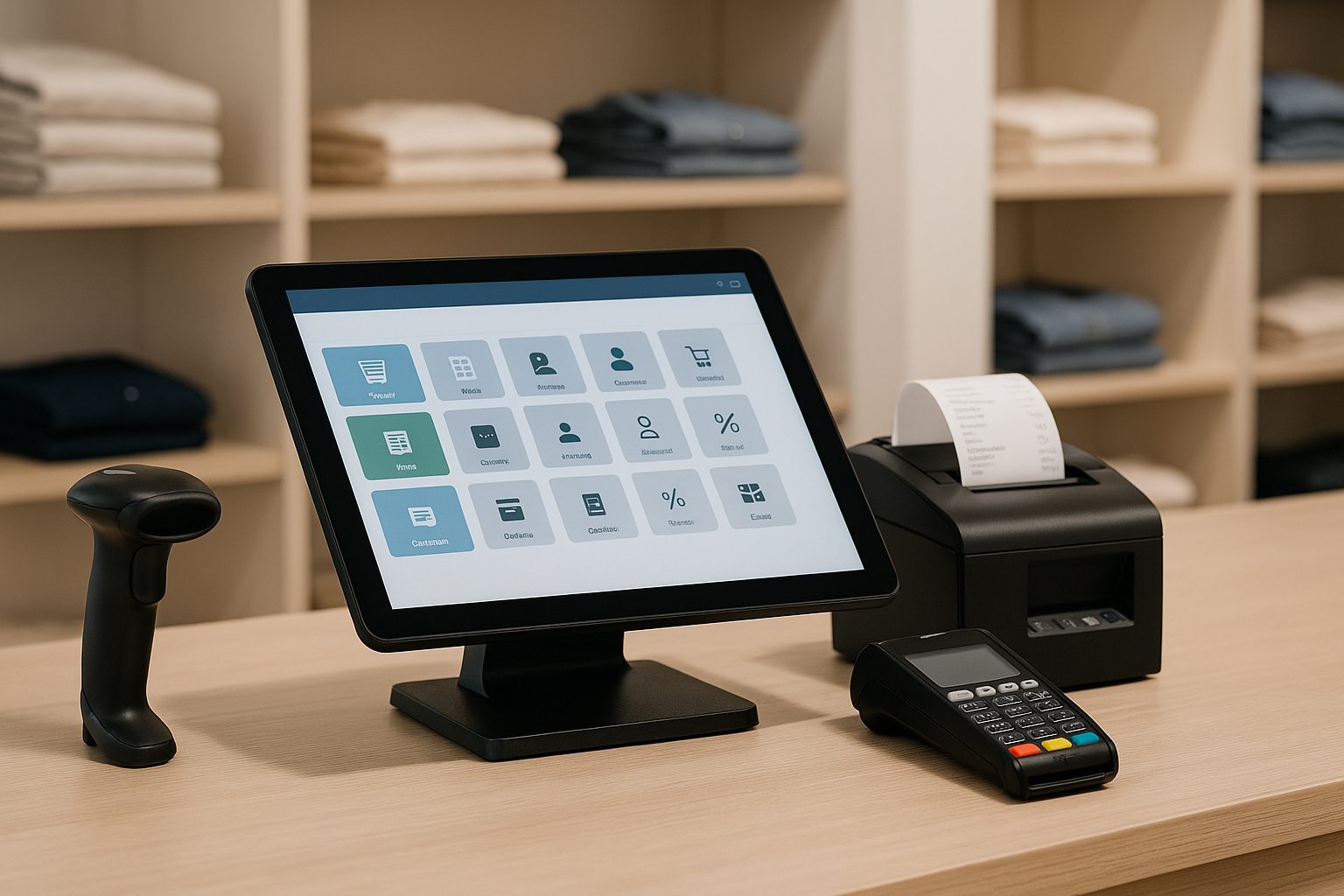
Many small businesses prefer an all-in-one point-of-sale system that combines payment processing, inventory management, reporting, and customer tracking. These systems are especially useful for retail shops, restaurants, and service businesses that need more than just payment acceptance. They can streamline operations and reduce the number of tools you need to manage.
Mobile Payment Processors
If you sell at markets, provide services in the field, or operate a business that moves between locations, mobile payment processing may be the best choice. These solutions let you accept card payments from a smartphone or tablet using a reader or app. They are flexible, portable, and often inexpensive to start with.
Best Credit Card Processing Features for Small Business Owners
The ideal processor depends on how your business operates, but some features are especially helpful for small business owners:
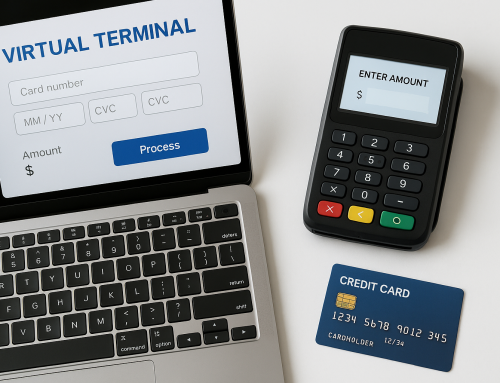
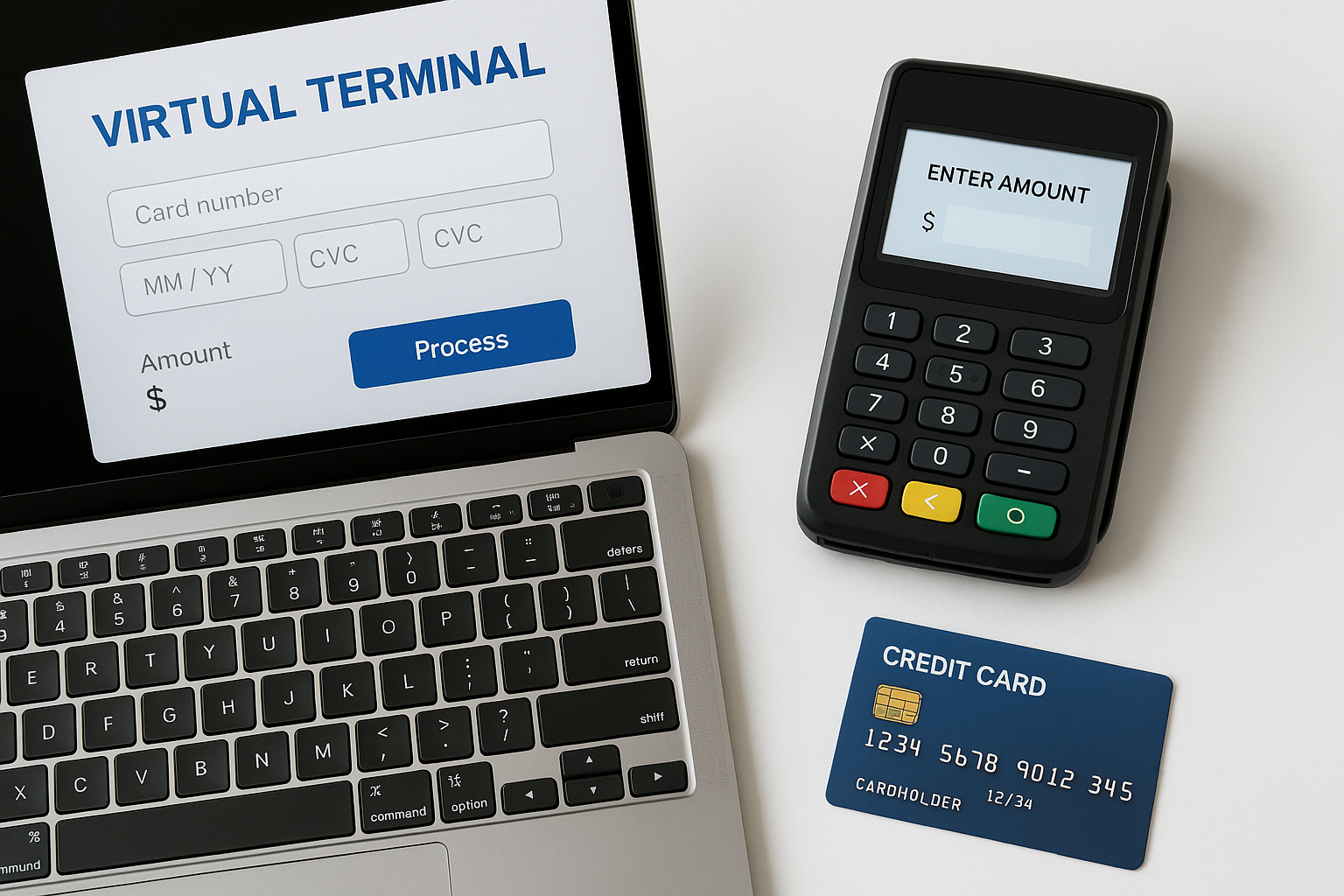
- Virtual terminals for taking payments over the phone or by invoice
- Recurring billing for membership-based or subscription businesses
- Integration with accounting software to simplify bookkeeping
- Inventory tracking for retailers
- Detailed reporting to monitor sales trends and fees
- Omnichannel support for in-store, online, and mobile sales
These features can save time and improve efficiency, especially as your business grows.
How to Compare Providers
To find the best credit card processing for small business, compare providers using a consistent checklist. Start by identifying your average monthly sales, typical transaction size, and whether you need in-person, online, or mobile payment options. Then request a full breakdown of fees so you can estimate your actual monthly cost.
It also helps to ask about contract length, equipment costs, chargeback policies, and the process for closing your account. Reading customer reviews can reveal whether a company is dependable after the sale, not just during the signup process.
If possible, test the software or demo the hardware before committing. A processor may look good on paper, but if it is hard for your staff to use, it can slow down service and create avoidable mistakes.
Common Mistakes to Avoid
Many small business owners focus only on the advertised rate and overlook the full fee structure. Others choose a processor based on brand recognition without confirming that it fits their business model. It is also common to underestimate the importance of customer support until something goes wrong.
Avoid long contracts if you are still unsure about your long-term needs. If your business is seasonal or still growing, flexibility may be more valuable than locking into a lower rate that comes with penalties.
Conclusion
The best credit card processing for small business is the one that fits your budget, sales volume, and customer experience goals. By comparing pricing, ease of use, deposit speed, security, and support, you can choose a payment solution that helps your business run more smoothly and grow with confidence. Take time to evaluate your options now, and you’ll be better positioned to save money and serve customers well in the long run.