Restaurant Credit Card Processing: An Overview
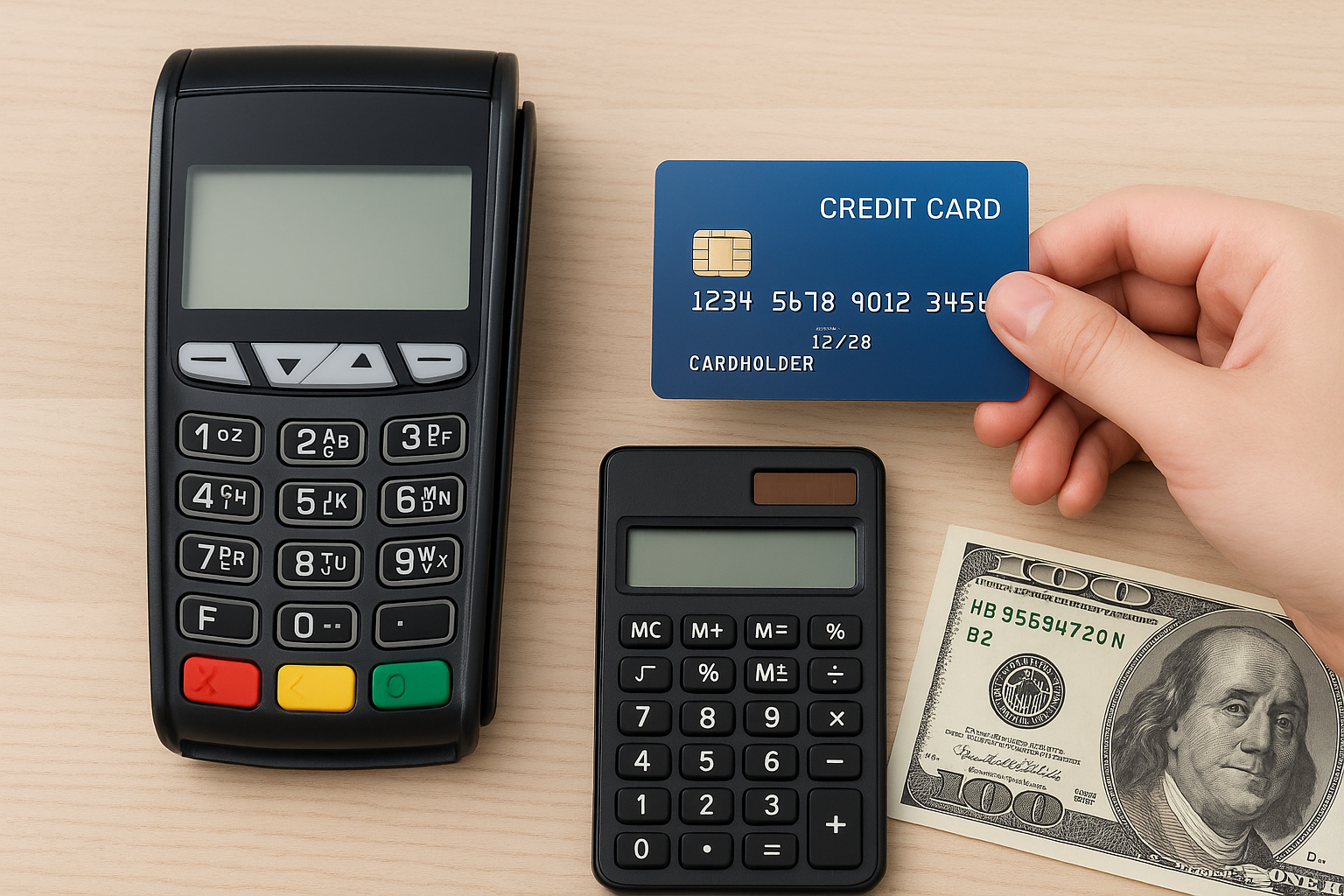
Restaurant credit card processing is the system that allows your business to accept debit and credit card payments from guests. In a fast-moving environment where speed, accuracy, and convenience matter, having the right payment setup can directly affect customer satisfaction and your bottom line. Whether you run a quick-service café, a casual dining restaurant, or a high-volume full-service operation, your payment processing system should be reliable, secure, and easy for staff to use.
Today, most diners expect to pay with a card, tap-to-pay device, mobile wallet, or even online before arriving. That means restaurants need more than just a standard card terminal. They need a payment solution that integrates with ordering, tableside service, delivery, online ordering, and accounting. When chosen well, restaurant credit card processing can help reduce wait times, simplify reconciliation, and improve the overall guest experience.
How Restaurant Credit Card Processing Works
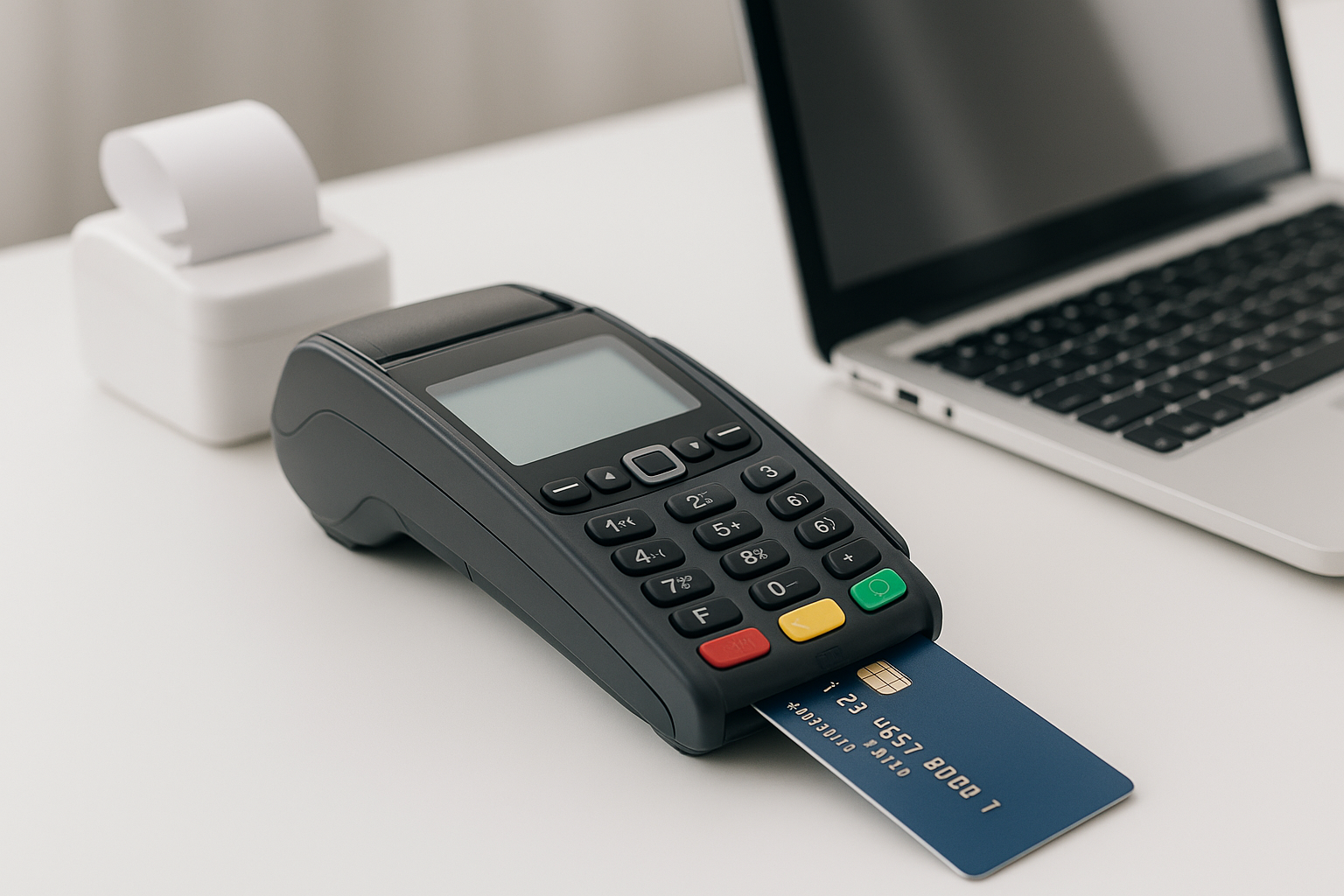
At a basic level, credit card processing happens in a few seconds, but several parties are involved behind the scenes. When a customer pays, the transaction begins at the point of sale or payment terminal. The card details are sent to the payment processor, which communicates with the card network and the customer’s bank to verify whether funds or credit are available. If approved, the transaction is authorized and later settled, meaning the money moves into the restaurant’s merchant account.
In a restaurant setting, this process often includes integration with a POS system, tableside payment devices, handheld terminals, or online checkout tools. The smoother the integration, the faster the transaction and the less likely staff are to make errors. For restaurants with multiple service styles, a processor should support dine-in, takeout, delivery, curbside pickup, and online ordering without requiring separate systems for each channel.
Key Terms to Know
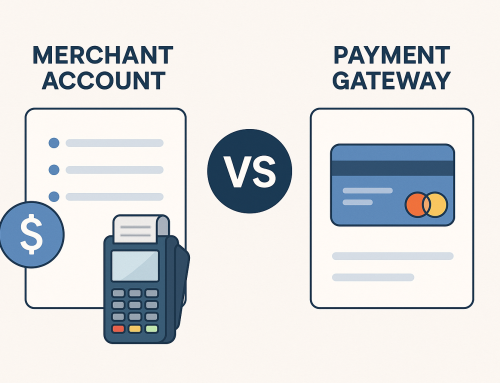
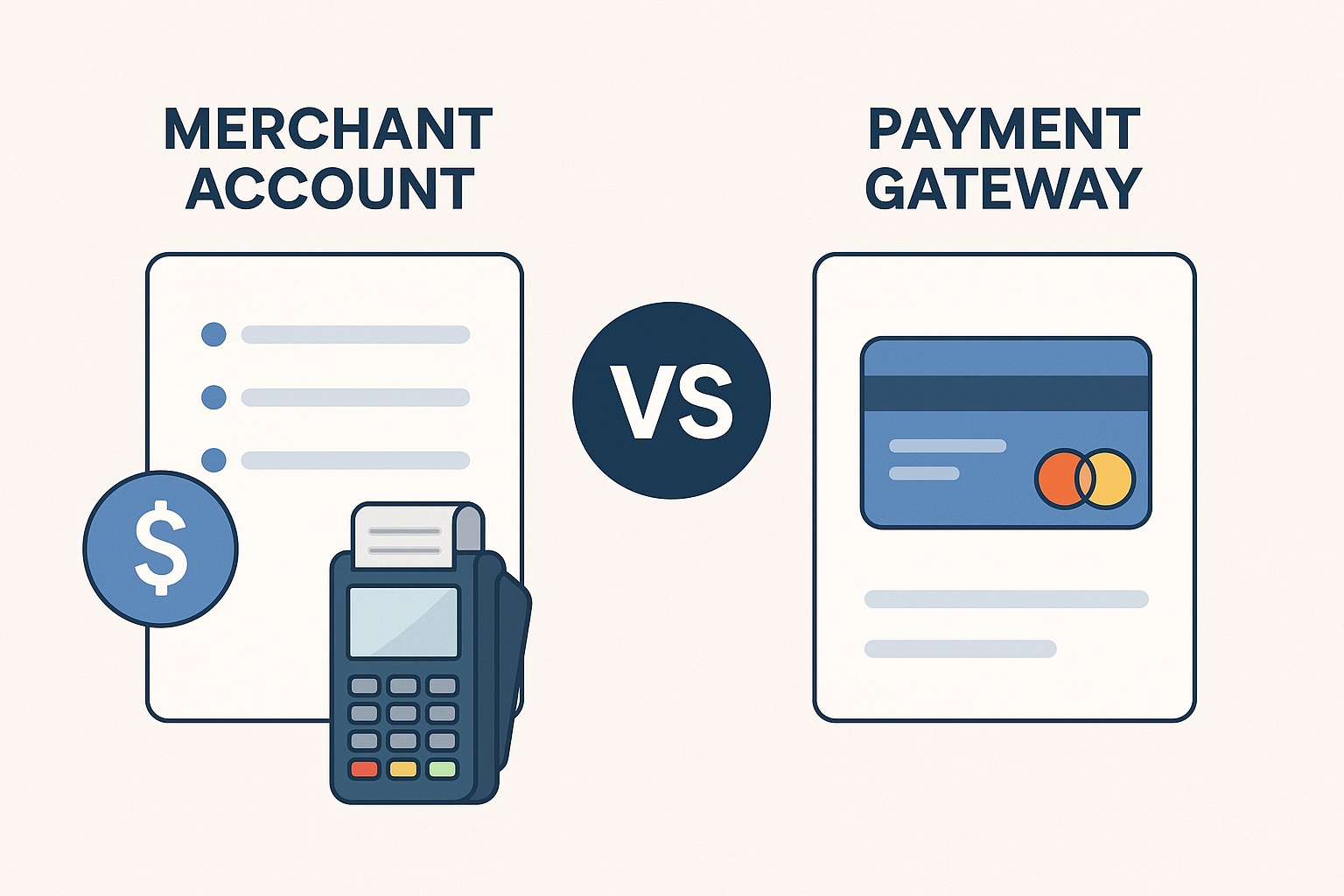
Merchant account: The account that receives funds from card transactions before they are transferred to your business bank account.
Payment processor: The company that handles the communication between your restaurant, the card networks, and the banks involved in a payment.
POS integration: The connection between your payment system and your point-of-sale software for faster, more accurate checkout.
Authorization and settlement: Authorization confirms the card is valid and funds are available; settlement is when the money is actually transferred.
Types of Restaurant Payment Processing
Restaurants typically use several kinds of payment processing depending on their service model. The most common option is in-person card processing at the counter or table. This is standard for dine-in and quick-service locations and usually involves chip, swipe, or contactless payments.
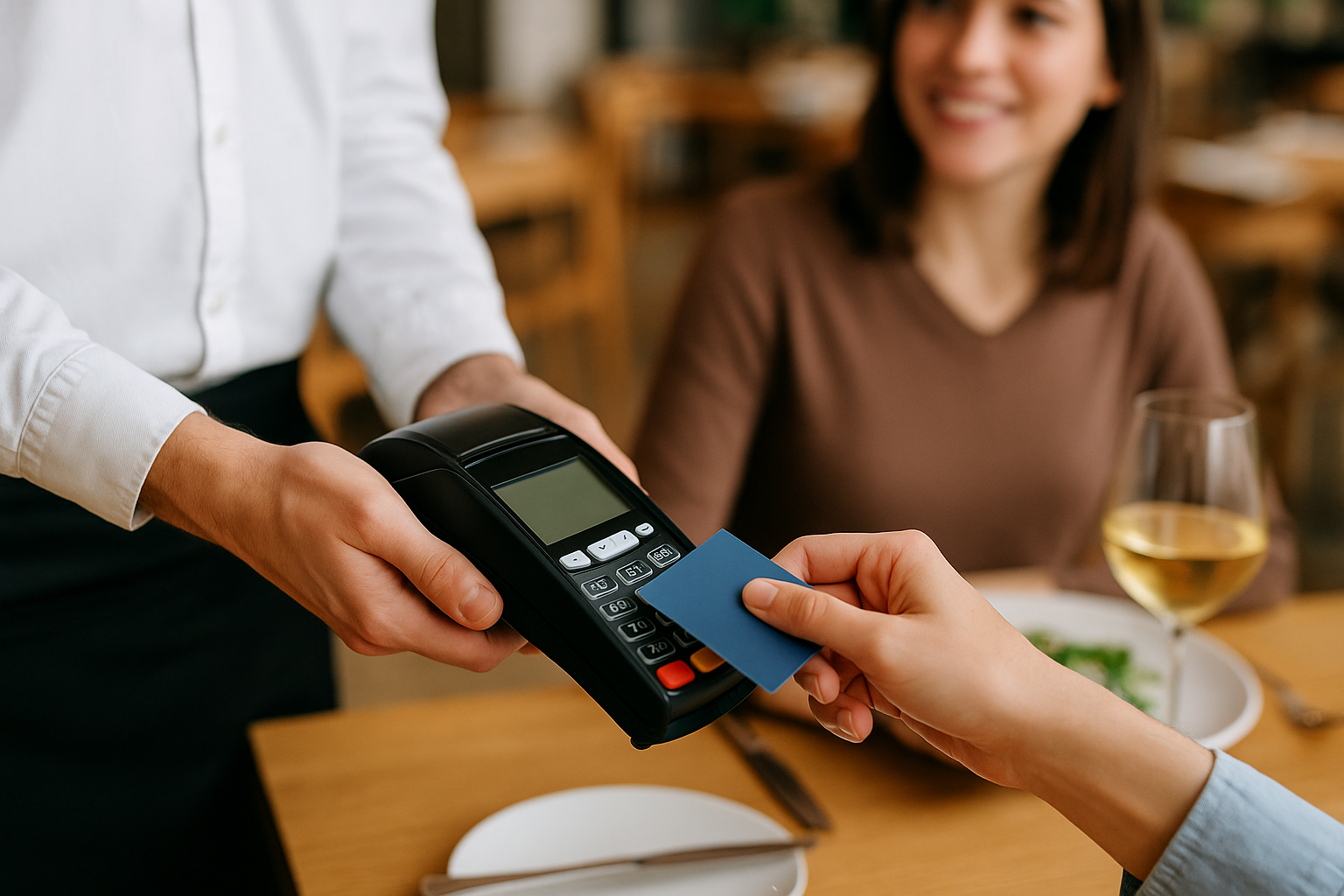
Tableside payment processing is popular in full-service restaurants because it allows guests to pay at the table using handheld devices or portable terminals. This can improve speed, reduce walk-offs, and give staff more flexibility. For busy operations, it also helps servers turn tables faster.
Online payment processing is essential for takeout, delivery, and pre-ordering. Customers can pay in advance through your website or app, helping reduce friction at pickup and lowering the chance of abandoned orders. Some restaurants also use QR code payments, which let guests view a menu, place orders, and pay from their phone.
Mobile wallet and contactless payments are increasingly important as more guests use Apple Pay, Google Pay, and other tap-to-pay methods. Supporting these options can make checkout faster and appeal to customers who prefer touch-free transactions.
What to Look for in a Payment Processor
Choosing the right processor is one of the most important decisions a restaurant can make. The best solution is not always the cheapest one; it is the one that fits your workflow, volume, and business goals. Start by looking at ease of use. If staff struggle with the system, transactions slow down and mistakes become more likely. A user-friendly interface and dependable support can save time every day.
Integration is another major factor. Your processor should work smoothly with your POS, online ordering platform, accounting software, and inventory tools. Good integration reduces duplicate entry and makes it easier to track sales across channels. You should also evaluate payment speed, reporting features, chargeback management, and whether the provider supports multiple locations if you plan to expand.
Security matters as well. Look for systems that include encryption, tokenization, EMV chip support, and fraud monitoring. These tools help protect guest information and reduce the risk of costly breaches. Finally, consider customer service availability. Restaurants operate during evenings, weekends, and holidays, so your processor should offer support when you need it most.
Questions to Ask Before Signing Up
- What are the processing fees and monthly costs?
- Are there contracts, cancellation fees, or equipment leases?
- Does the system integrate with my current POS and online ordering tools?
- How quickly are funds deposited?
- What security and fraud protection features are included?
- Is support available during restaurant hours?
Common Fees and Pricing Models
Restaurant credit card processing usually comes with several types of fees. Interchange fees are paid to the card-issuing bank and vary by card type and transaction details. Assessment fees are charged by the card networks. On top of that, processors add their own markup, which is how they make money. While each provider structures pricing differently, understanding the model helps you compare options more effectively.
Some processors use flat-rate pricing, where every transaction has the same percentage and per-transaction fee. This can be simple and predictable, especially for smaller restaurants. Others use interchange-plus pricing, which separates the actual card-network cost from the processor’s markup. This model is often more transparent and can be more cost-effective for higher-volume restaurants.
Be cautious about hidden fees such as statement fees, PCI compliance fees, chargeback fees, batch fees, and equipment costs. Ask for a full fee breakdown before signing any agreement. Even a small difference in processing rates can add up significantly over time, especially for restaurants with high transaction volume and average check sizes.
How to Choose the Best Credit Card Processor for Your Restaurant
The best processor for your restaurant depends on your size, service model, and payment needs. A small café may prioritize low startup costs and simple setup, while a busy full-service restaurant may need tableside payments, advanced reporting, and reliable support. A delivery-heavy operation may focus on online checkout, order syncing, and fast deposits.
When comparing providers, request demo access or a trial if possible. Test how the system handles split checks, tips, refunds, voids, and multiple payment methods. These functions are especially important in restaurants, where transactions can be more complex than in retail. Ask how tip adjustment works, whether the processor supports preauthorization for bar tabs, and how easy it is to reconcile end-of-day sales.
Also think about scalability. If you plan to open additional locations, your payment processor should support multi-location reporting and centralized management. A flexible platform can help you grow without having to replace your entire payment system later.
Conclusion
Restaurant credit card processing is more than a back-end function. It affects speed of service, customer satisfaction, security, and profitability. By understanding how processing works, what features matter most, and how pricing is structured, you can choose a solution that supports both daily operations and long-term growth. The right payment processor can help your restaurant run more smoothly and create a better experience for every guest.