PCI Compliance: What It Is, Why It Matters, and How to Achieve It
Payment card data is one of the most valuable targets for cybercriminals, which is why businesses that accept credit or debit cards need a strong security baseline. PCI Compliance helps organizations protect cardholder data, reduce the risk of breaches, and maintain trust with customers and payment partners. If your business stores, processes, or transmits card information, understanding PCI Compliance is not optional—it is essential.
What Is PCI Compliance?
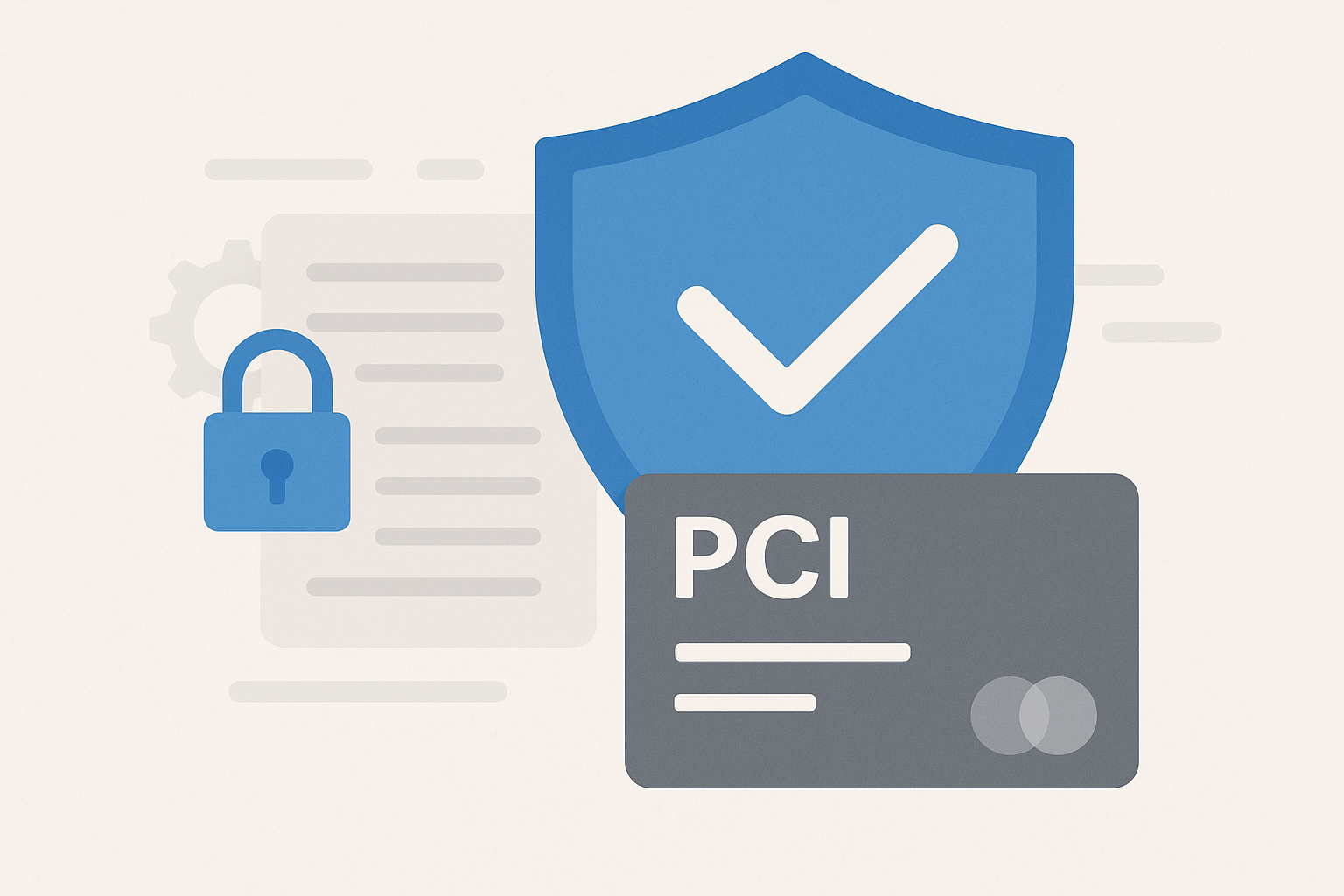
PCI Compliance refers to adherence to the Payment Card Industry Data Security Standard (PCI DSS), a set of security requirements created by major payment card brands to protect cardholder data. PCI DSS applies to any organization that handles payment cards, including retailers, service providers, eCommerce stores, and payment processors.
The standard is designed to reduce fraud and data theft by requiring businesses to implement controls around network security, access management, monitoring, encryption, and ongoing risk management. While PCI compliance does not guarantee perfect security, it creates a proven framework that significantly improves an organization’s defense posture.
Why PCI Compliance Matters
PCI Compliance matters for several important reasons. First, it helps protect sensitive cardholder data from theft and misuse. A single breach can lead to financial losses, legal exposure, operational disruption, and lasting reputational damage. Customers are far less likely to trust a business that cannot safeguard payment information.
Second, PCI Compliance can help organizations avoid fines, increased transaction fees, or even the loss of payment processing privileges. Banks and card brands often require compliance as part of their merchant agreements. If a business suffers a breach and is found non-compliant, the financial consequences can become even more severe.
Third, compliance supports better overall cybersecurity. Many PCI requirements align with security best practices, such as using strong passwords, limiting user access, monitoring logs, and maintaining secure systems. In this way, PCI Compliance improves not just payment security, but broader organizational resilience.
Who Needs to Be PCI Compliant?
Any business that accepts, stores, processes, or transmits payment card data should consider PCI Compliance mandatory. This includes small businesses, large enterprises, nonprofits, SaaS providers, hospitality companies, healthcare organizations with payment portals, and online stores. Even if a company uses a third-party payment processor, PCI responsibilities may still apply depending on how card data flows through the environment.
PCI requirements vary based on transaction volume and how card data is handled. Smaller merchants often complete a self-assessment questionnaire, while larger or more complex organizations may require external scans or a formal audit by a Qualified Security Assessor. Regardless of size, all merchants are expected to protect cardholder data appropriately.
The Core Requirements of PCI DSS
PCI DSS is built around a set of core security requirements that address the most common risks to cardholder data. These requirements are grouped into several control areas:
- Build and maintain secure networks and systems
- Protect cardholder data through encryption and other safeguards
- Maintain a vulnerability management program
- Implement strong access control measures
- Monitor and test networks regularly
- Maintain an information security policy
In practical terms, this means using firewalls, changing default passwords, securing endpoints, encrypting transmitted data, restricting access to only those who need it, and keeping systems patched. Organizations must also log and review activity, perform regular vulnerability scans, and document security policies and procedures.
How to Achieve PCI Compliance
Achieving PCI Compliance starts with understanding your data environment. Map where payment data enters your systems, how it moves, where it is stored, and which vendors or tools have access to it. This step is critical because businesses often have more exposure than they realize.
Next, reduce the amount of cardholder data you handle whenever possible. The less sensitive data in your environment, the lower your risk and the simpler compliance becomes. Many organizations choose tokenization or third-party hosted payment pages to minimize their PCI scope.
After that, implement the required technical and administrative controls. This includes:
- Securing networks with firewalls and segmented environments
- Using encryption for data in transit and, where necessary, at rest
- Applying patches promptly to operating systems, applications, and devices
- Enforcing unique user IDs and multi-factor authentication
- Setting role-based permissions and reviewing access regularly
- Running vulnerability scans and penetration tests as required
- Keeping clear records of policies, training, and remediation efforts
Finally, perform the appropriate compliance assessment. Depending on your merchant level, this may involve completing a Self-Assessment Questionnaire, submitting an Attestation of Compliance, or working with a certified assessor. Compliance is not a one-time project; it requires ongoing monitoring and annual validation.
Common PCI Compliance Challenges
Many businesses struggle with PCI Compliance because payment data is spread across too many systems or because security controls were never designed into the environment from the start. Legacy infrastructure, shadow IT, third-party integrations, and incomplete documentation can make compliance difficult.
Another common issue is treating PCI as a checkbox exercise rather than a continuous program. Organizations may complete an annual questionnaire but neglect day-to-day practices such as patching systems, reviewing logs, or training staff. This creates gaps that attackers can exploit. PCI Compliance is most effective when it is integrated into normal operations, not bolted on at the end of the year.
Best Practices for Staying Compliant
To stay compliant, make PCI part of your security culture. Train employees who handle payment data so they understand phishing risks, access rules, and proper data handling procedures. Review vendor agreements to ensure third parties are also meeting their security obligations.
Conduct regular internal audits to verify that controls are working as intended. Keep your asset inventory current, document any changes to systems that affect payment data, and remediate vulnerabilities quickly. If possible, work with a payment processor or security partner that can reduce your PCI scope and simplify the compliance process.
It is also wise to align PCI efforts with broader security frameworks such as ISO 27001 or NIST. Doing so can help unify policies, reduce duplicate work, and strengthen your overall risk management strategy.
Conclusion
PCI Compliance is more than a regulatory requirement—it is a practical framework for protecting customers, reducing risk, and building trust. By understanding your payment environment, applying the right controls, and maintaining ongoing security practices, you can make compliance manageable and meaningful. The businesses that treat PCI as a continuous commitment are far better positioned to prevent breaches and support long-term growth.