What Is PCI Compliance?
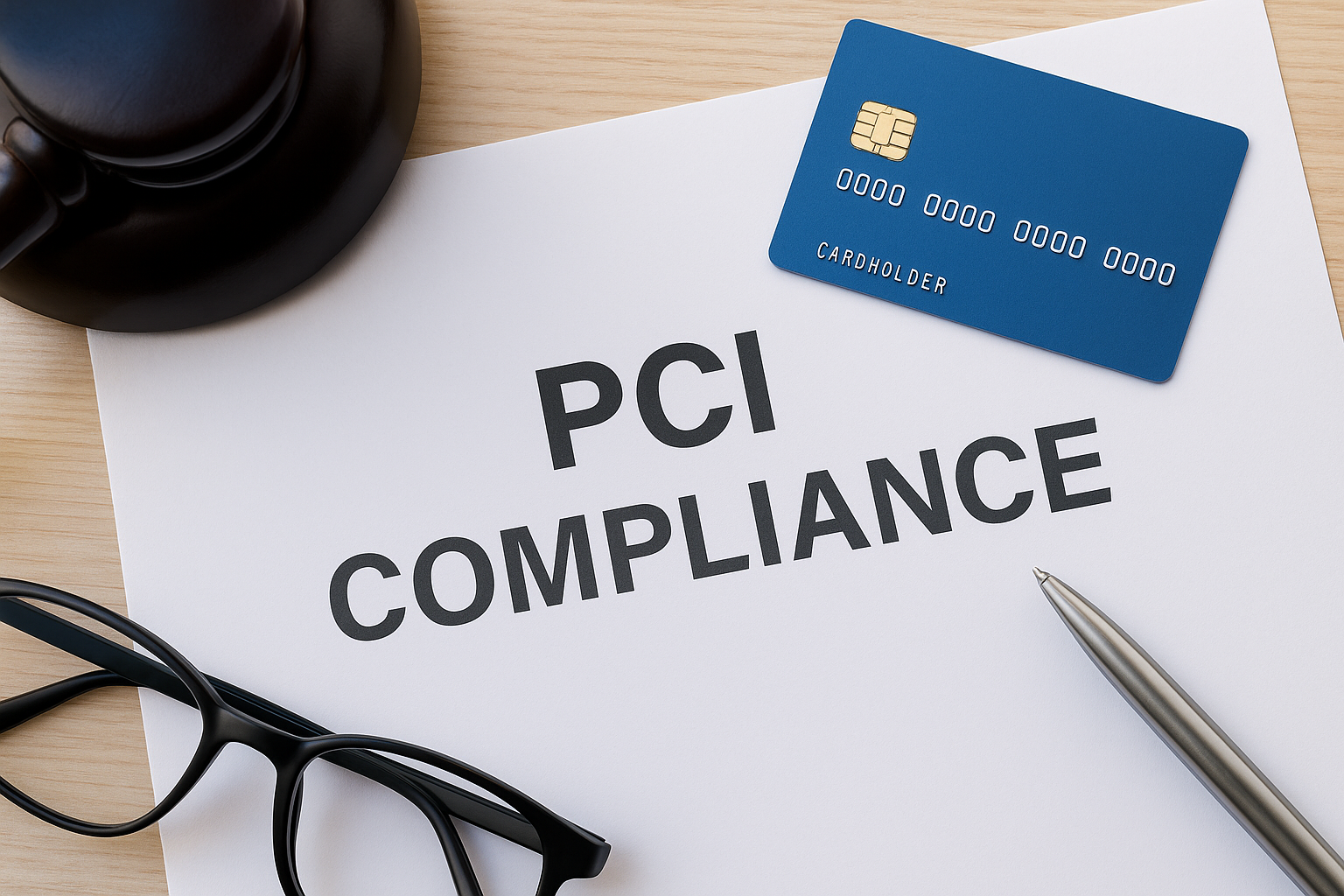
PCI compliance is the process of following the Payment Card Industry Data Security Standard (PCI DSS), a set of security requirements created to help protect credit card and debit card data. If your business accepts, stores, processes, or transmits card payments, PCI compliance is essential for reducing the risk of payment fraud and data breaches.
In simple terms, PCI compliance means showing that you have the right security controls in place to safeguard cardholder data. It is not a one-time certification that lasts forever. Instead, it is an ongoing commitment to maintaining secure systems, monitoring for risks, and updating practices as threats change.
Why PCI Compliance Matters
Payment card data is a valuable target for cybercriminals. A single breach can lead to stolen customer information, expensive fines, chargebacks, legal issues, and lasting damage to your brand reputation. PCI compliance helps businesses lower those risks by creating a baseline for strong data security.
Compliance also matters because banks and card brands expect merchants and service providers to protect payment data responsibly. Even if your business is small, failing to follow PCI requirements can have serious consequences if sensitive information is exposed.
Who Needs to Be PCI Compliant?
Any organization that handles cardholder data is expected to comply with PCI DSS. This includes:
- Retail stores
- Ecommerce businesses
- Restaurants and hospitality companies
- Subscription services
- Software platforms that process payments
- Third-party payment processors and service providers
The level of compliance required depends on how many card transactions you process and how your payment systems are set up. Larger organizations typically face more extensive validation requirements, while smaller merchants may complete a self-assessment questionnaire.
The 12 PCI DSS Requirements
PCI DSS is built around 12 core requirements grouped into six categories. These requirements are designed to secure cardholder data from multiple angles, including network security, access control, and regular monitoring.
1. Build and Maintain a Secure Network
Businesses must install and maintain firewalls and avoid using vendor-provided default passwords. These steps help block unauthorized access to systems that store or process payment information.
2. Protect Cardholder Data
Cardholder data should be encrypted whenever it is transmitted across public networks, and sensitive information should be stored securely. In many cases, businesses should avoid storing data they do not absolutely need.
3. Maintain a Vulnerability Management Program
This includes using anti-malware tools and keeping software up to date. Regular patching is critical because outdated systems often contain security weaknesses that attackers exploit.
4. Implement Strong Access Control Measures
Only authorized personnel should be able to access cardholder data. PCI DSS encourages limiting access based on job need and assigning unique IDs to each user.
5. Monitor and Test Networks Regularly
Businesses should track access to systems and data, review logs, and test security controls often. Monitoring helps identify suspicious activity before it becomes a larger problem.
6. Maintain an Information Security Policy
Companies must have a formal security policy that guides employees on protecting payment data. Training staff is a key part of ensuring those policies are followed consistently.
How PCI Compliance Works in Practice
PCI compliance usually starts with understanding your payment environment. You need to know where cardholder data enters your business, how it moves through your systems, and whether any third-party providers are involved. Once you map that environment, you can determine which PCI requirements apply.
For many businesses, compliance involves a combination of technical controls and operational habits. Examples include using secure payment gateways, segmenting networks, encrypting sensitive data, limiting employee access, and regularly reviewing system logs. Businesses may also need to complete self-assessment questionnaires, vulnerability scans, or formal audits depending on their merchant level.
It is important to remember that PCI compliance is not only about passing an assessment. It is about building a security program that can reduce risk over time. That means documenting policies, checking systems regularly, and keeping up with changing security expectations.
Common PCI Compliance Challenges
Many businesses struggle with PCI compliance because payment environments can become complex quickly. One common challenge is scoping—figuring out exactly which systems and people are in contact with cardholder data. Another issue is data storage, especially when businesses keep payment information longer than necessary.
Other challenges include outdated software, weak passwords, lack of employee training, and missed security updates. Small businesses may also assume that PCI compliance is only for large enterprises, but even small organizations can face risks if they process card payments.
The good news is that many of these challenges can be managed with the right tools and processes. Using a trusted payment processor, minimizing data storage, and training staff regularly can go a long way toward improving security and simplifying compliance.
Best Practices for Staying PCI Compliant
To stay compliant, businesses should treat PCI DSS as an ongoing program rather than a yearly task. A few best practices include:
- Use secure, PCI-compliant payment processors
- Avoid storing card data unless absolutely necessary
- Encrypt sensitive data in transit and at rest
- Use strong passwords and multi-factor authentication where possible
- Keep systems, plugins, and software patched
- Restrict access to cardholder data
- Review logs and security alerts regularly
- Train employees on payment security and phishing risks
These habits help reduce exposure and make compliance easier to maintain. They also improve overall cybersecurity, which benefits the entire business beyond payment processing alone.
PCI Compliance vs. PCI Certification
Many people use the terms interchangeably, but there is an important difference. PCI DSS is a standard, and businesses become compliant by meeting its requirements. In most cases, there is no official government-issued “PCI certification” that permanently proves compliance.
Instead, businesses validate compliance through self-assessment, scans, or audits, depending on their merchant level and payment environment. Since threats and systems change, compliance must be maintained continuously rather than checked off once and forgotten.
Conclusion
PCI compliance is a critical part of protecting payment card data and earning customer trust. By following PCI DSS requirements, businesses can lower the risk of fraud, reduce the impact of a breach, and build stronger security practices overall. Whether you run a small online store or a larger enterprise, understanding PCI compliance is an important step toward safer payment processing.