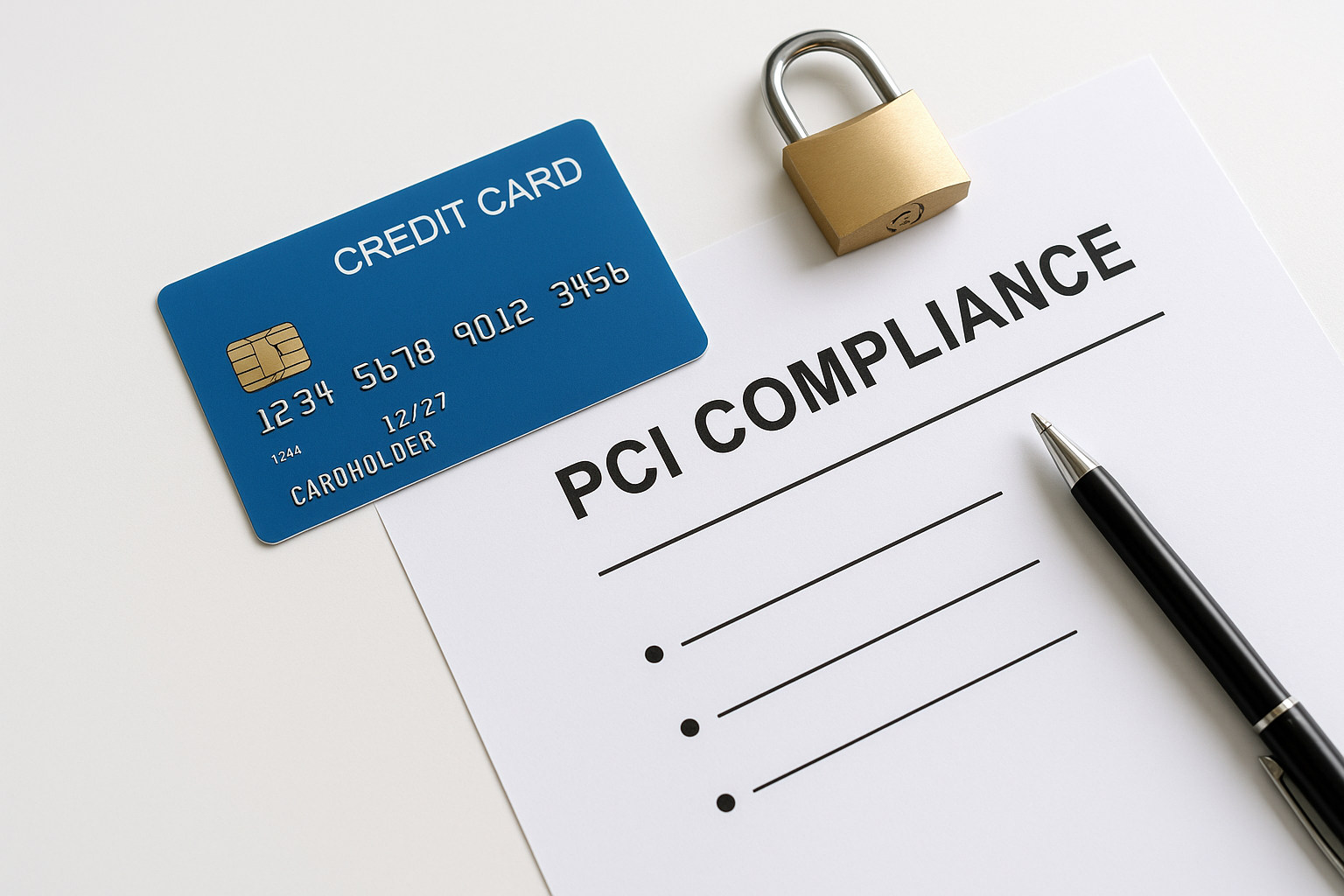
If your business accepts credit or debit cards, you’ve likely heard the term PCI compliance. It may sound technical, but the idea is straightforward: PCI compliance is a set of security standards designed to help protect payment card data from theft, misuse, and breaches.
For any organization that stores, processes, or transmits cardholder information, PCI compliance is more than a best practice—it’s an important part of running a trustworthy business. In this guide, we’ll explain what PCI compliance is, why it matters, who needs it, and how to meet the requirements without getting lost in jargon.
What Is PCI Compliance?
PCI compliance refers to following the Payment Card Industry Data Security Standard, commonly called PCI DSS. This standard was created by major card brands, including Visa, Mastercard, American Express, Discover, and JCB, to improve the security of card transactions.
PCI DSS applies to any business that handles cardholder data. That includes merchants, service providers, and third-party vendors involved in payment processing. The standard outlines a set of controls and practices that help reduce the risk of data breaches and fraud.
At a high level, PCI compliance means your business has taken steps to:
- Protect cardholder data
- Limit access to sensitive information
- Maintain secure systems and networks
- Monitor and test security regularly
Why PCI Compliance Matters
Payment card data is a valuable target for cybercriminals. If this information is stolen, the consequences can be serious for both customers and businesses.
Here’s why PCI compliance matters:
It helps protect customer trust
Customers want to know their payment information is safe. A secure checkout experience builds confidence and encourages repeat business.
It reduces the risk of costly breaches
Strong security controls can help prevent attacks before they happen. Even if a breach does occur, a compliant environment is often better prepared to limit the damage.
It can help avoid fines and penalties
Card brands and acquiring banks may impose fines or increased fees on businesses that fail to comply after an incident or audit. While PCI compliance does not guarantee immunity from penalties, it can significantly reduce exposure.
It supports overall cybersecurity
Many PCI requirements overlap with general cybersecurity best practices, such as using firewalls, strong passwords, encryption, and regular vulnerability testing. Following PCI standards can strengthen your entire security posture.
Who Needs to Be PCI Compliant?
The short answer is: almost every business that accepts card payments.
PCI compliance applies to organizations of all sizes, from small retail shops to large enterprises. If you accept payments in person, online, or over the phone, you may need to comply.
Examples include:
- E-commerce stores
- Restaurants and retail businesses
- Healthcare providers accepting card payments
- SaaS companies billing customers by card
- Payment processors and service providers
The level of validation required depends on your transaction volume and how you handle payment data. Larger businesses usually face more rigorous assessments, while smaller businesses may complete self-assessment questionnaires and basic security scans.
The Core Requirements of PCI DSS
PCI DSS includes a broader set of controls, but the standard is commonly grouped into a few main goals. These goals help businesses understand what PCI compliance is really about in practice.
Build and maintain a secure network
This includes installing and maintaining firewalls and avoiding default passwords or vendor-supplied settings. The idea is to make it harder for attackers to gain access to your systems.
Protect cardholder data
Sensitive payment information should be encrypted or otherwise protected. Businesses should also minimize how much card data they store in the first place.
Maintain a vulnerability management program
Security software, patch management, and anti-malware tools help keep systems updated and protected against known threats.
Implement strong access control measures
Only authorized personnel should be able to access cardholder data. This usually means unique user IDs, role-based permissions, and strong authentication methods.
Monitor and test networks regularly
Logging, monitoring, and scanning help identify suspicious activity early. Regular testing also helps confirm that security controls are working as intended.
Maintain an information security policy
Employees should understand their responsibilities when handling payment data. A clear policy helps create consistency across the organization.
How PCI Compliance Is Measured
PCI compliance is not a one-time certificate that lasts forever. Instead, it is an ongoing process of meeting standards and proving that those standards are in place.
Depending on your business type and transaction volume, you may need to complete one or more of the following:
- Self-Assessment Questionnaire (SAQ): A structured questionnaire used by many smaller businesses to validate compliance.
- Quarterly network scans: External vulnerability scans performed by an Approved Scanning Vendor.
- Penetration testing: Simulated attacks used to identify weaknesses in systems and applications.
- On-site assessments: A formal review conducted by a Qualified Security Assessor for larger or higher-risk organizations.
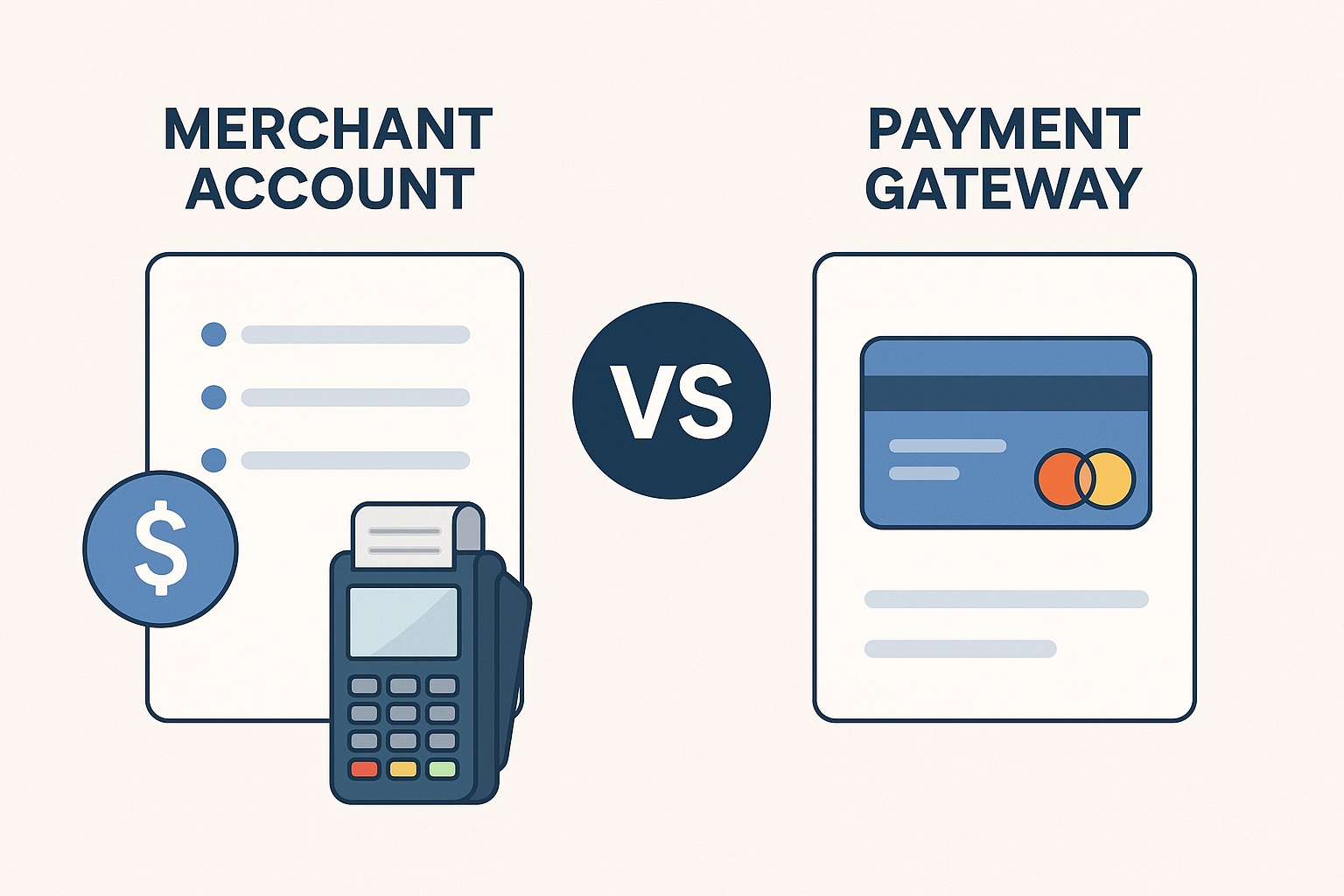
Requirements can vary based on how payments are accepted and how much card data is stored or processed. For example, a business using a third-party payment gateway may have a different compliance path than one storing card data on its own servers.
Common PCI Compliance Mistakes
Many businesses struggle with PCI compliance because of avoidable mistakes. Understanding these issues can help you stay on track.
Storing more card data than necessary
Keeping sensitive data longer than needed increases risk. If you do not need to store cardholder data, it is best not to.
Using weak passwords or shared logins
Shared credentials make it difficult to track access and can expose systems to unauthorized use. Strong, unique passwords and multi-factor authentication are better choices.
Ignoring software updates
Outdated systems often contain known vulnerabilities. Regular patching is essential to maintaining compliance and security.
Assuming a payment provider handles everything
Even if you use a third-party processor, your business may still have responsibilities under PCI DSS. It’s important to understand which parts of the environment are covered by your provider and which are not.
Failing to document security processes
PCI compliance often requires evidence. If your policies, scans, or procedures are not documented, it can be difficult to prove compliance when needed.
How to Get Started With PCI Compliance
If you’re not sure where to begin, start by identifying how your business handles payment data. Ask these questions:
- Do we accept payments online, in person, or by phone?
- Do we store, process, or transmit cardholder data?
- Which vendors or systems touch payment information?
- What level of PCI validation applies to our business?
From there, you can take practical steps such as:
- Reducing the amount of card data you store
- Using reputable, PCI-compliant payment processors
- Keeping systems patched and updated
- Limiting user access to sensitive data
- Running scans and assessments on schedule
- Training employees on security practices
For many businesses, the easiest way to improve compliance is to simplify the payment environment. The fewer systems that touch cardholder data, the lower the risk and the easier the compliance process.
Conclusion
PCI compliance is about protecting payment card data through proven security standards. It helps businesses reduce risk, build trust, and support a safer payment experience for customers. While the requirements may seem complex at first, most organizations can make meaningful progress by understanding how they handle card data and putting strong security basics in place. If your business accepts card payments, PCI compliance should be part of your regular operations—not just a one-time task.