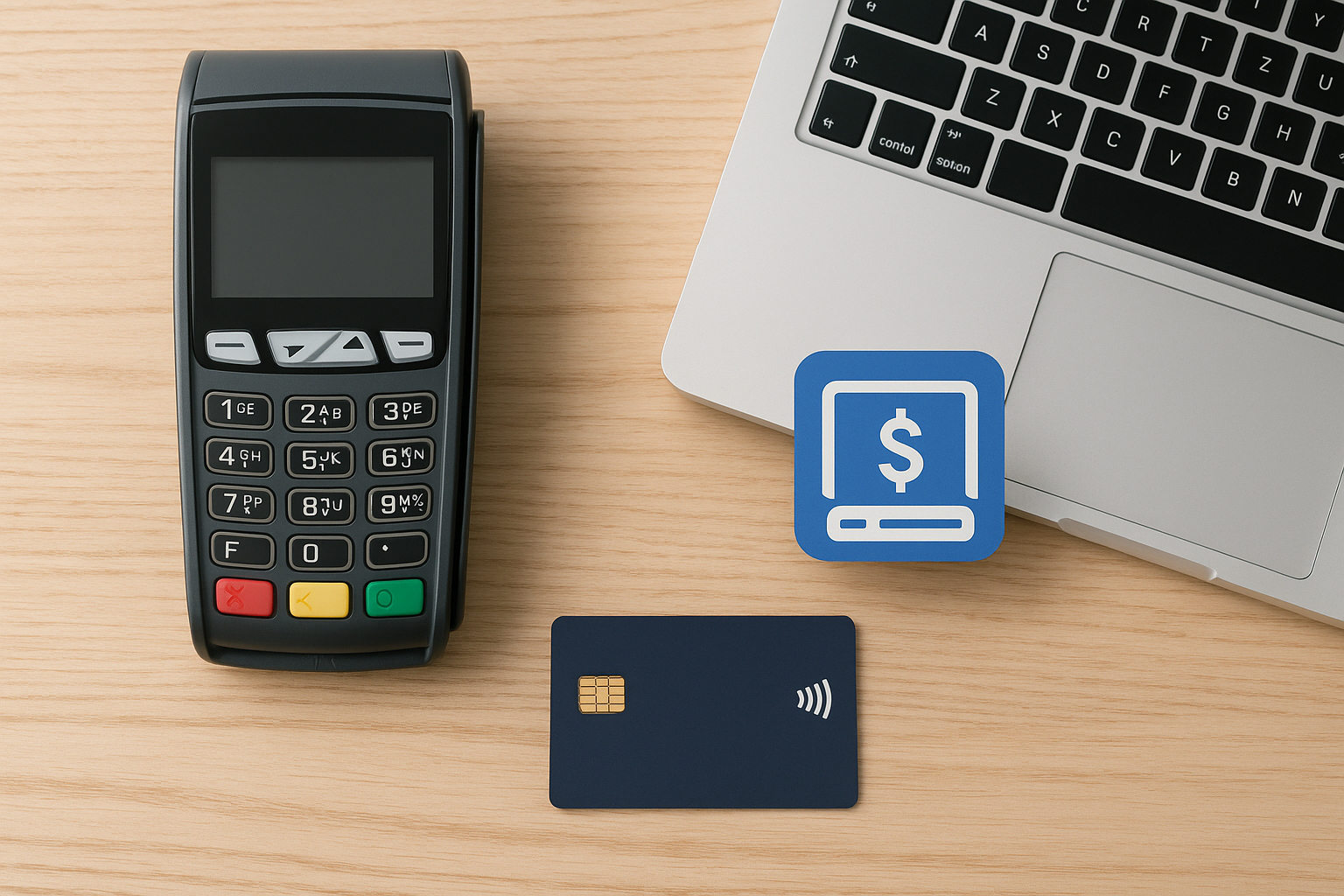
What Is a Payment Processor?
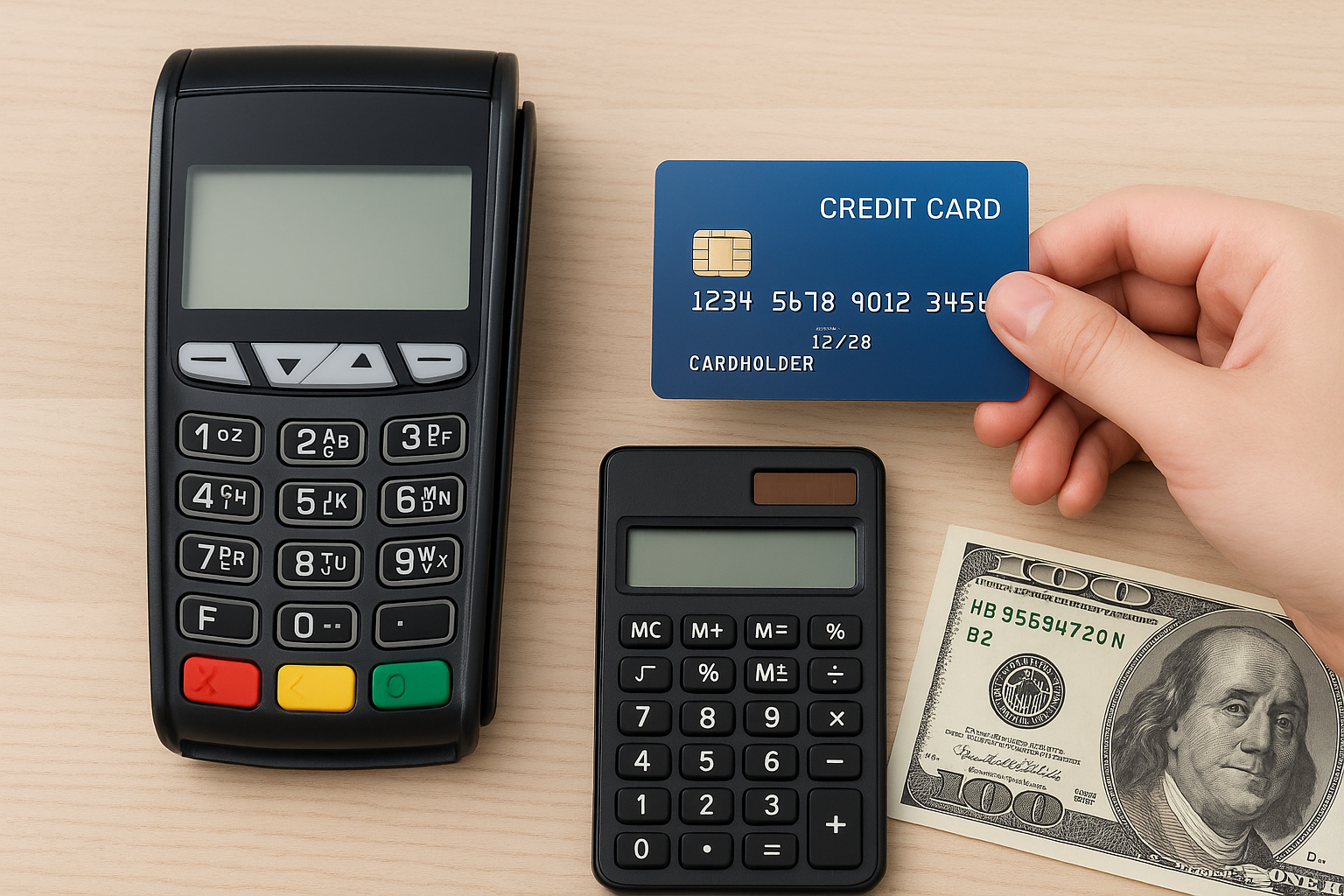
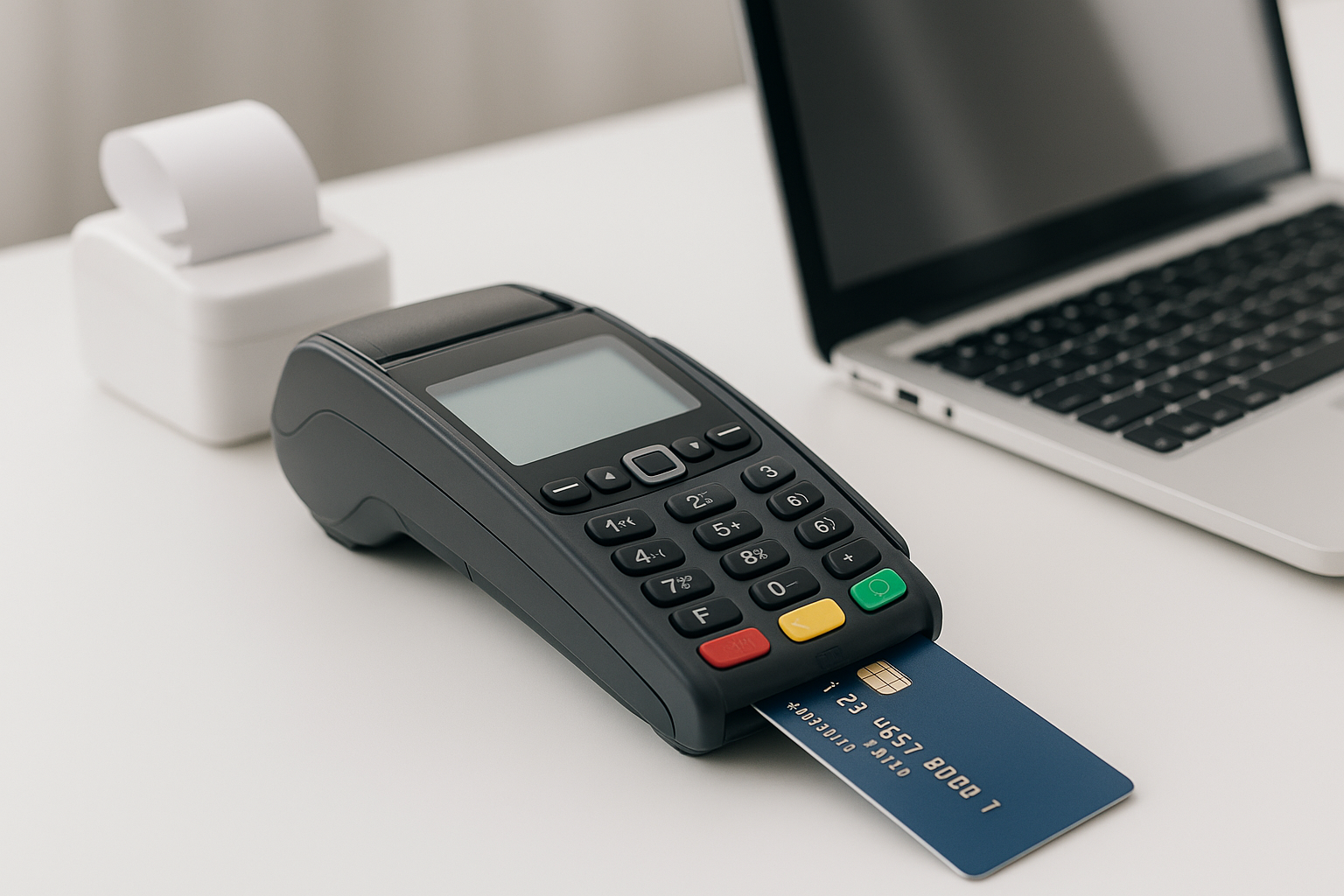
A payment processor is the technology service that moves money between a customer’s bank and a merchant’s bank when a card or digital payment is made. In simple terms, it helps complete a transaction securely and quickly. Whether a shopper taps a credit card, enters debit card details, or pays online through a digital wallet, the payment processor is the engine working behind the scenes.
For businesses, payment processing is more than just a technical step. It affects checkout speed, customer experience, security, cash flow, and even how many sales you close. A reliable payment processor helps ensure payments are approved smoothly and that funds reach your business as efficiently as possible.
How a Payment Processor Works
When a customer makes a purchase, several steps happen in seconds. First, the payment details are captured at the point of sale or online checkout. The payment processor then sends the transaction data to the appropriate card network, such as Visa or Mastercard, which routes the request to the customer’s issuing bank. The bank checks whether the customer has enough funds or available credit and then approves or declines the transaction.
If the payment is approved, the processor communicates that result back to the merchant. Later, during settlement, the money is transferred from the customer’s bank to the merchant’s account, minus any processing fees. This process may sound complex, but payment processors are designed to make it feel seamless for both businesses and customers.
Authorization, Capture, and Settlement
These three terms often come up in payment processing. Authorization is the bank’s approval of the payment. Capture is the point at which the merchant confirms the charge and prepares it for settlement. Settlement is when the actual transfer of funds occurs. Understanding these stages helps businesses manage refunds, cancellations, and delayed charges more effectively.
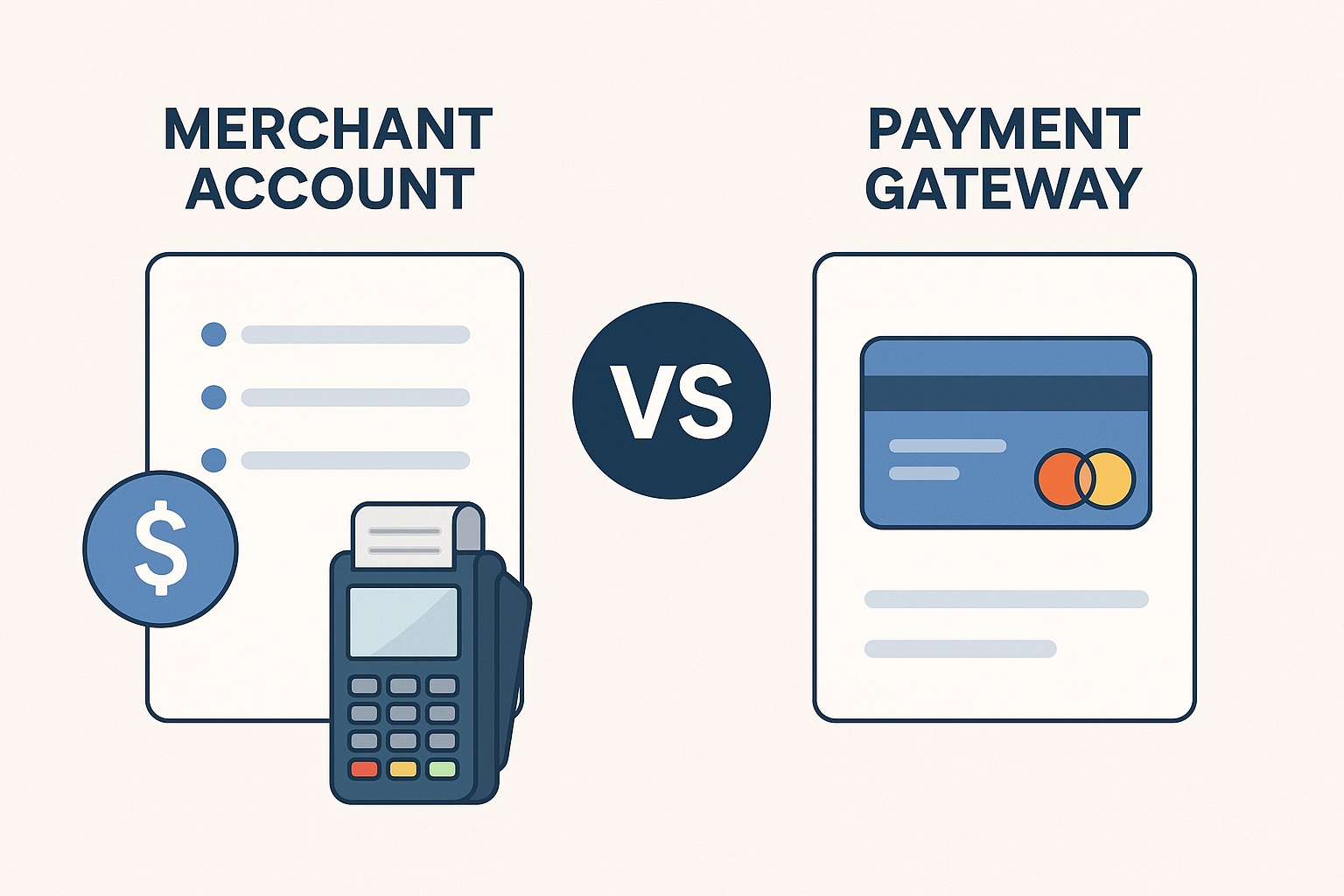
Payment Processor vs. Payment Gateway
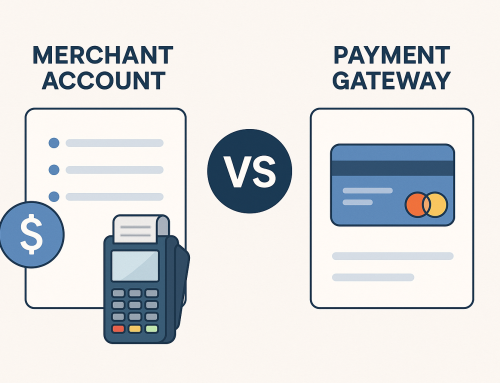
People often confuse payment processors with payment gateways, but they are not the same. A payment gateway is the tool that securely collects and encrypts payment information from the customer. A payment processor takes that information and handles the actual communication with banks and card networks.
Think of the gateway as the digital checkout terminal and the processor as the system that moves the money. In many modern platforms, both services are bundled together. However, larger businesses may choose separate providers for more control, flexibility, or cost savings.
Why Payment Processors Matter for Businesses
Choosing the right payment processor can have a direct impact on revenue and operations. A poor checkout experience can lead to abandoned carts, failed transactions, and frustrated customers. On the other hand, a fast, secure, and flexible payment system can improve conversion rates and help a business scale more efficiently.
Payment processors also support multiple payment methods, including credit cards, debit cards, ACH transfers, mobile wallets, and sometimes buy now, pay later options. This variety gives customers more ways to pay, which can increase sales and convenience.
Improving Customer Experience
Customers expect fast, simple, and secure payment options. If checkout takes too long or fails frequently, many will leave before completing the purchase. A strong payment processor reduces friction by supporting quick approvals, saved payment methods, and mobile-friendly checkout flows.
Supporting Business Growth
As a business grows, its payment needs become more complex. It may need support for subscriptions, recurring billing, international payments, in-person sales, or fraud monitoring. A good processor can help a business expand into new markets and accept more types of payments without creating operational headaches.
Key Features to Look for in a Payment Processor
Not all payment processors are the same. The best choice depends on the type of business, sales volume, and customer preferences. Here are several important features to consider.
Security and Compliance
Security should be a top priority. Look for processors that support encryption, tokenization, fraud detection tools, and PCI compliance. These protections help safeguard customer data and reduce the risk of data breaches or unauthorized transactions.
Transparent Pricing
Processing fees can vary widely. Common pricing models include flat-rate pricing, interchange-plus pricing, and subscription-based pricing. Businesses should understand transaction fees, monthly fees, chargeback fees, and any extra costs for international or card-not-present transactions.
Payment Method Support
Customers want flexibility. A versatile processor should support major credit and debit cards, digital wallets, and alternative payment methods relevant to your audience. The more convenient the payment options, the better the chances of conversion.
Integration Options
Businesses often need their payment processor to work with eCommerce platforms, accounting tools, CRM systems, and point-of-sale software. Strong integrations save time, reduce manual work, and help create a smoother workflow across the business.
Reporting and Analytics
Good reporting tools help merchants track sales trends, refunds, chargebacks, and payment success rates. This data can reveal checkout issues, customer behavior patterns, and opportunities to improve revenue performance.
Common Types of Payment Processors
There are several ways businesses can set up payment processing. Some processors are designed for small businesses and offer all-in-one simplicity. Others are built for larger or more complex organizations that need advanced customization and better pricing at scale.
For example, traditional merchant account providers may offer more tailored service but require more setup. Payment service providers, on the other hand, often make it easier to get started quickly with an aggregated account structure. Each model has trade-offs in terms of cost, control, and flexibility.
Challenges and Risks in Payment Processing
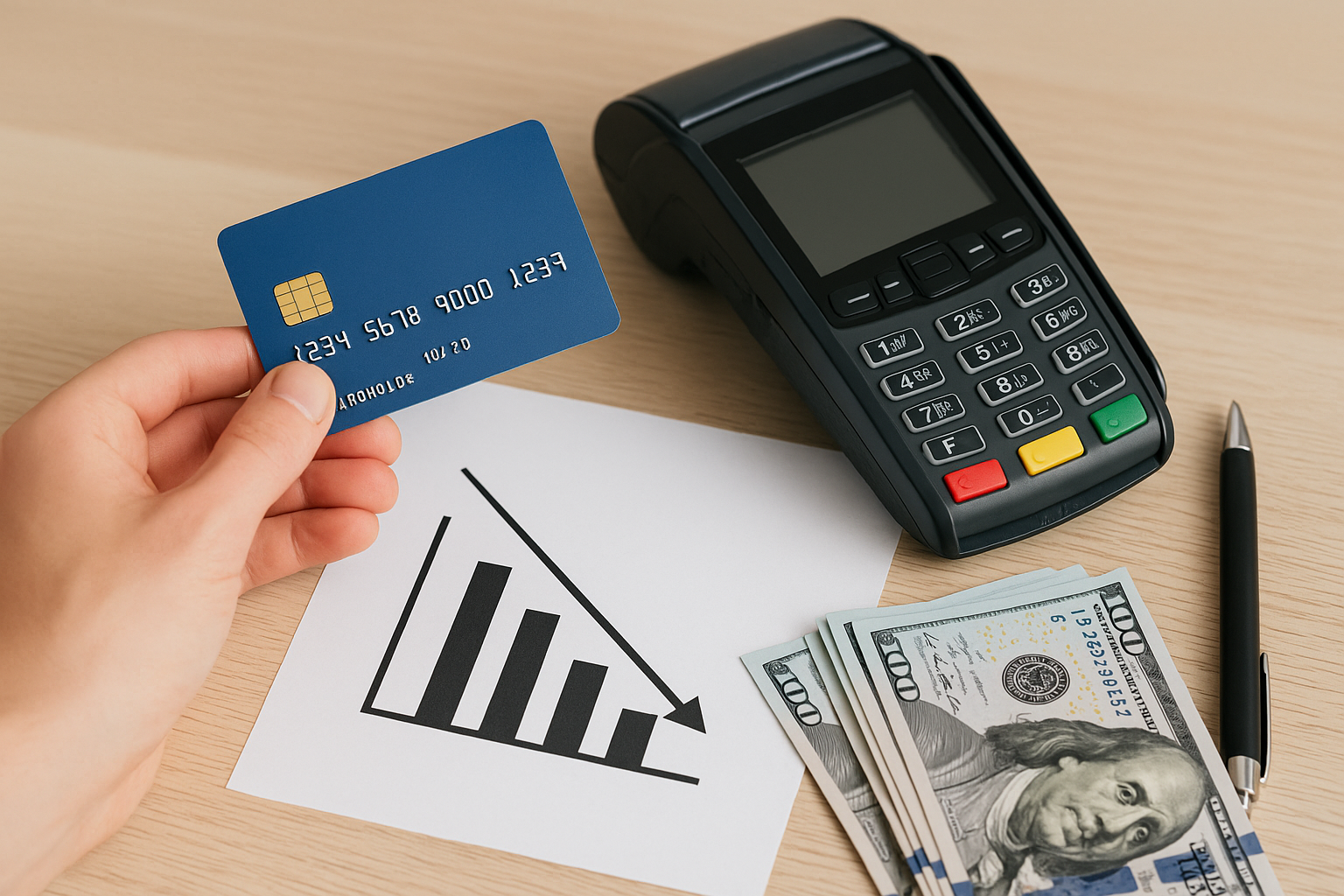
While payment processors make transactions easier, they also come with challenges. Chargebacks can be costly and time-consuming. Fraud is another concern, especially for online businesses that do not verify customers in person. Technical outages or processing delays can also disrupt operations and lead to lost sales.
Businesses can reduce these risks by using fraud tools, keeping billing information updated, monitoring chargeback ratios, and working with a processor that offers responsive support. It is also important to review transaction data regularly so issues can be caught early.
How to Choose the Right Payment Processor
The best payment processor is the one that fits your business model and growth plans. Start by identifying where and how you sell. Do you need online checkout, in-store payments, recurring billing, or international support? Then compare providers based on fees, features, ease of integration, security, and support quality.
It is also smart to read the contract carefully. Some providers have hidden fees, long-term commitments, or limited flexibility. A clear understanding of the terms can prevent costly surprises later.
Conclusion
A payment processor is a critical part of modern commerce. It enables secure, fast, and convenient transactions while helping businesses manage payments efficiently. By understanding how payment processors work and what features matter most, businesses can make smarter decisions that support growth and create a better checkout experience for customers.