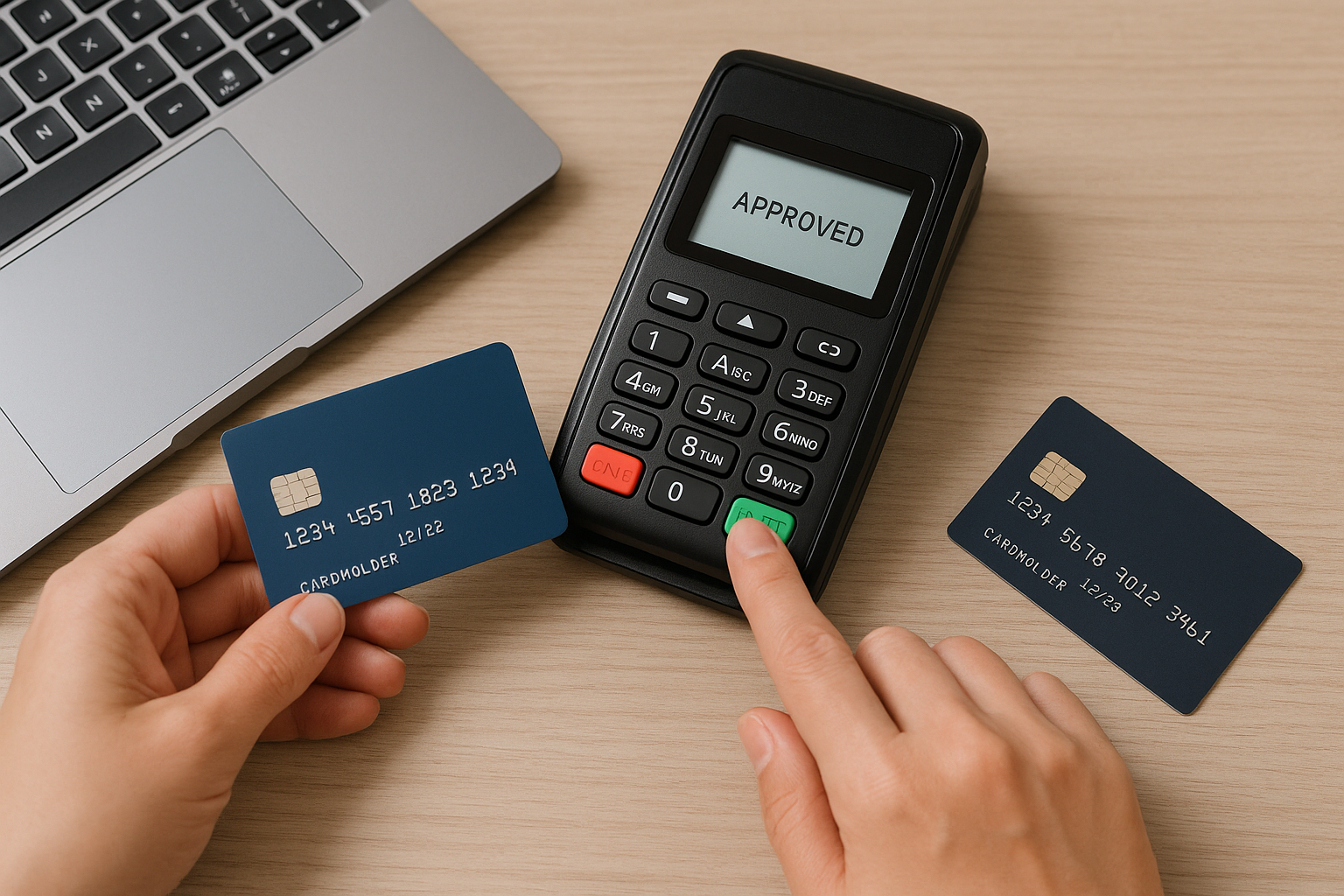
A payment processor is one of the most important pieces of modern commerce. Whether a customer is buying a product online, tapping a card in a store, or paying through a mobile wallet, the payment processor is the system that helps move the transaction from “purchase” to “paid.” For businesses, choosing the right payment processor can affect cash flow, customer experience, security, and even conversion rates.
What Is a Payment Processor?
A payment processor is a service that handles the communication between a merchant, the customer’s bank, the merchant’s bank, and the card networks or payment methods involved in a transaction. Its job is to make sure funds can be authorized, transferred, and settled properly.
In simple terms, the payment processor acts like the middleman that carries payment information securely and makes sure everyone in the transaction is talking to the right systems. It supports common payment types such as credit cards, debit cards, digital wallets, ACH transfers, and sometimes local or alternative payment methods depending on the provider.
How a Payment Processor Works
Although the process happens in seconds, several steps are involved behind the scenes:
1. The customer initiates payment
The process begins when a customer enters card details online, taps a card in a store, or chooses another payment method at checkout.
2. The payment processor sends the data securely
The processor encrypts and routes the transaction details to the appropriate network. This step helps protect sensitive information and reduces the risk of fraud.
3. The bank or card network reviews the transaction
The customer’s bank checks whether the payment is valid. It verifies available funds or credit, reviews fraud signals, and decides whether to approve or decline the transaction.
4. Authorization is returned
The approval or decline response is sent back through the payment processor to the merchant. If approved, the sale can move forward.
5. Settlement and funding occur
After authorization, the money is transferred from the customer’s account to the merchant’s account. This is called settlement, and it may take one or more business days depending on the provider and payment method.
This workflow makes it possible for businesses to accept payments quickly while reducing manual effort and security risks.
Why Payment Processors Are Important
Payment processors do more than just move money. They play a major role in the overall success of a business.
They improve customer convenience
Customers expect fast, smooth checkout experiences. A reliable processor helps businesses accept the payment methods customers prefer, which can reduce cart abandonment and support sales growth.
They support security and compliance
Payment processors help protect payment data through encryption, tokenization, and fraud detection tools. Many also support PCI compliance requirements, which are essential for businesses handling card payments.
They help businesses scale
As a business grows, it may need to accept multiple payment types, operate in new regions, or process more transactions. A strong processor can scale with the business and support expansion without major technical headaches.
They improve financial visibility
Many processors provide dashboards, reports, and reconciliation tools. These features help businesses track revenue, spot trends, and manage cash flow more effectively.
Types of Payment Processors
Not all payment processors work the same way. Businesses can choose from several types depending on their needs.
Traditional payment processors
These providers often work closely with merchant accounts and bank networks. They may offer flexible support for businesses with higher transaction volumes or unique needs.
All-in-one payment platforms
These platforms bundle payment processing, merchant accounts, and sometimes invoicing, subscriptions, and point-of-sale tools into one service. They are often popular with small and medium-sized businesses because they are easier to set up.
Payment gateways with processing capabilities
Some providers focus on online checkout and include processing as part of a broader payment solution. These are common for e-commerce stores and software platforms.
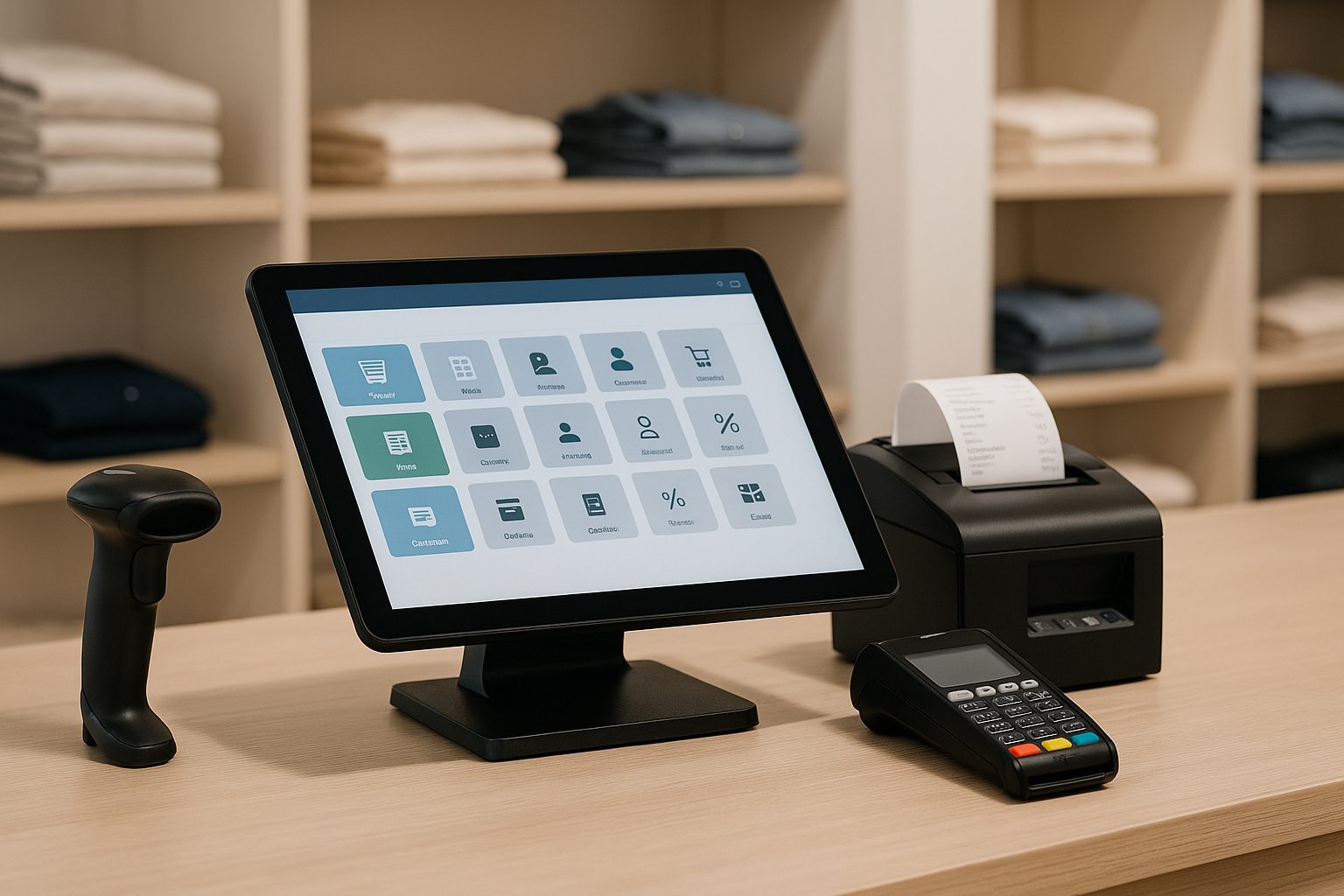
Mobile and in-person processors
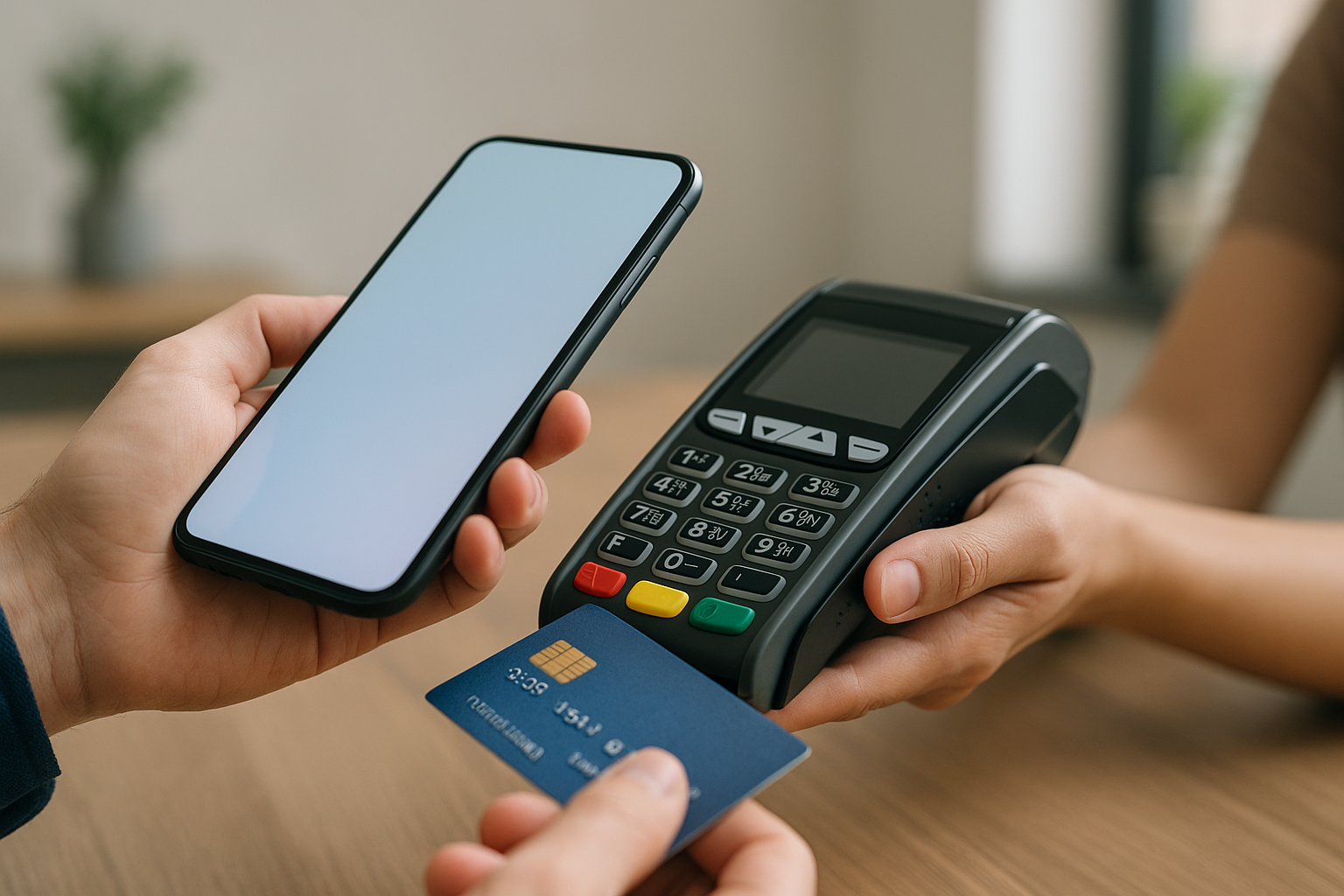
These options are designed for businesses that accept payments on the go or in a physical location. They often support card readers, contactless payments, and mobile apps.
Key Features to Look for in a Payment Processor
Choosing a payment processor is about more than fees. Businesses should compare features carefully to find the best fit.
Supported payment methods
Make sure the processor supports the payment types your customers use most, such as credit cards, debit cards, ACH, Apple Pay, Google Pay, and local payment methods.
Pricing and fees
Payment processors may charge per-transaction fees, monthly fees, chargeback fees, cross-border fees, or hardware costs. A clear pricing structure makes it easier to forecast costs.
Security tools
Look for features such as fraud detection, tokenization, encryption, address verification, and support for compliance standards. These tools help reduce risk and build customer trust.
Integration options
A good processor should connect easily with your website, shopping cart, accounting software, CRM, or POS system. Strong integrations save time and reduce manual work.
Settlement speed
Some businesses need faster access to funds than others. Review how quickly the processor deposits money into your account and whether expedited funding is available.
Customer support
Responsive support can be crucial when payment issues arise. Look for support channels that match your needs, such as live chat, phone, or dedicated account management.
Payment Processor vs. Payment Gateway vs. Merchant Account
These terms are often used together, but they are not identical.
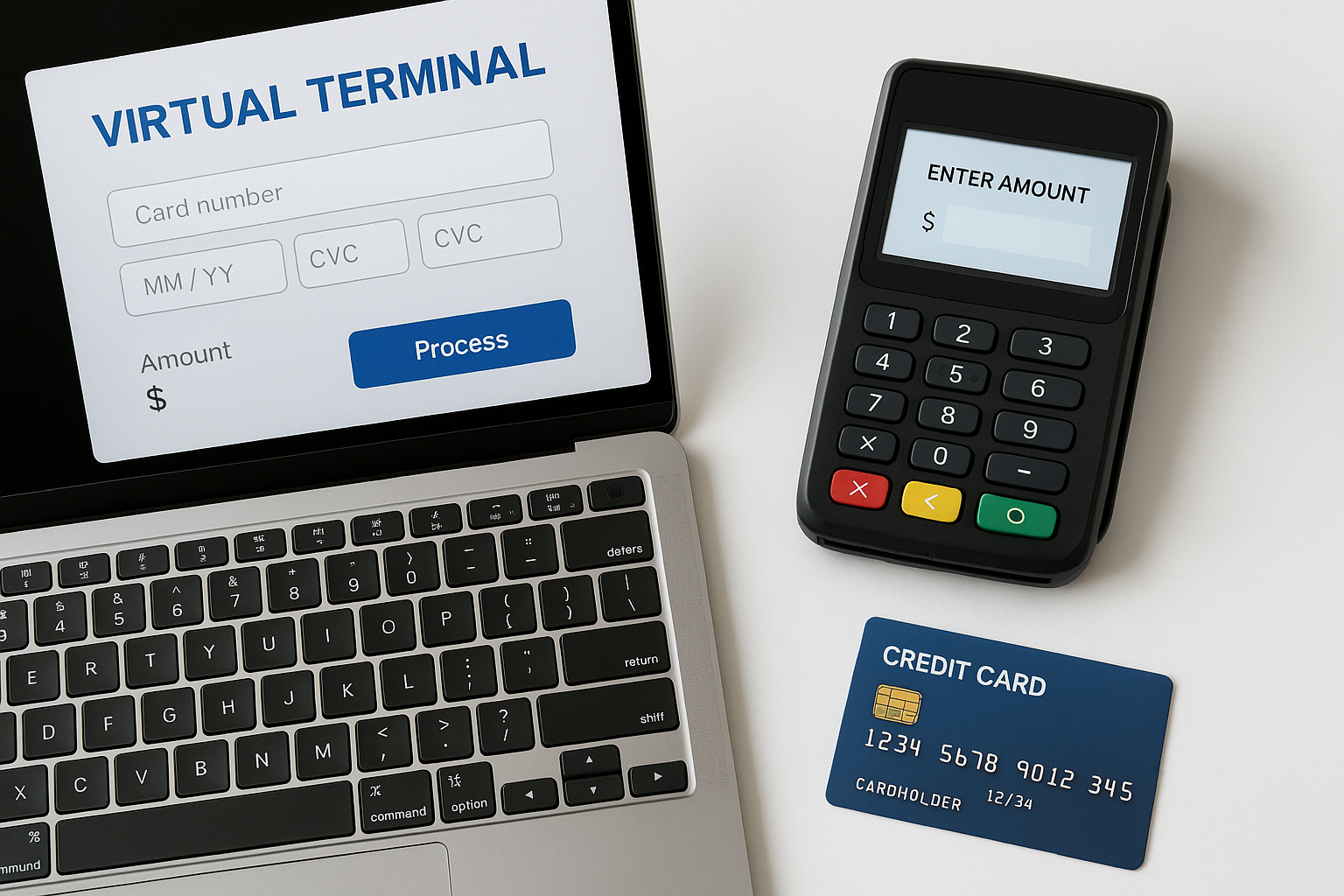
A payment gateway captures and sends payment data from the customer to the processor. It is the secure checkout layer.
A payment processor manages the actual communication that authorizes and settles the payment.
A merchant account is a special type of account that holds funds before they are transferred to the business’s bank account. Some providers bundle all three services, while others separate them.
Understanding the difference can help businesses compare providers more accurately and avoid confusion during setup.
Common Payment Processing Challenges
Even the best systems can run into issues. Businesses should be aware of common challenges and how to handle them.
Declined transactions
Transactions may be declined for many reasons, including insufficient funds, expired cards, or fraud checks. Clear checkout messaging can help reduce frustration.
Chargebacks
Chargebacks happen when a customer disputes a transaction. Too many chargebacks can lead to extra fees, penalties, or account restrictions, so businesses should have clear refund and dispute processes.
Security risks
Payment data is valuable to fraudsters. Businesses should choose processors with strong security controls and follow best practices such as limiting access and using secure checkout pages.
Integration issues
Technical problems can slow down checkout or create reporting errors. Testing integrations before launch and monitoring them regularly can prevent bigger issues later.
How to Choose the Right Payment Processor for Your Business
The right choice depends on your business model, transaction volume, customer base, and growth plans. Start by identifying your top priorities. If you run an e-commerce business, focus on checkout conversion, international support, and fraud tools. If you operate a retail store, prioritize POS compatibility, hardware, and speed at the register.
It is also wise to compare total cost, not just headline rates. A processor with low transaction fees may still be expensive if it adds monthly fees, chargeback fees, or costly add-ons. Look closely at contract terms, support quality, payout timing, and ease of integration before making a final decision.
If possible, choose a provider that can adapt as your business grows. That flexibility can save time and money later, especially if you plan to expand into subscriptions, recurring billing, or international sales.
Best Practices for Using a Payment Processor
Once you have chosen a provider, a few best practices can help you get the most value from it:
- Offer multiple payment methods to increase convenience.
- Keep checkout pages simple and mobile-friendly.
- Monitor chargebacks and fraud trends regularly.
- Review reports to understand sales patterns and fees.
- Update integrations and software to maintain security and performance.
These habits can improve the customer experience and support healthier revenue operations.
Conclusion
A payment processor is a critical part of any business that accepts electronic payments. It connects customers, banks, and merchants while helping transactions move securely and efficiently. By understanding how payment processors work and what features matter most, businesses can choose a solution that supports growth, protects revenue, and delivers a better checkout experience.