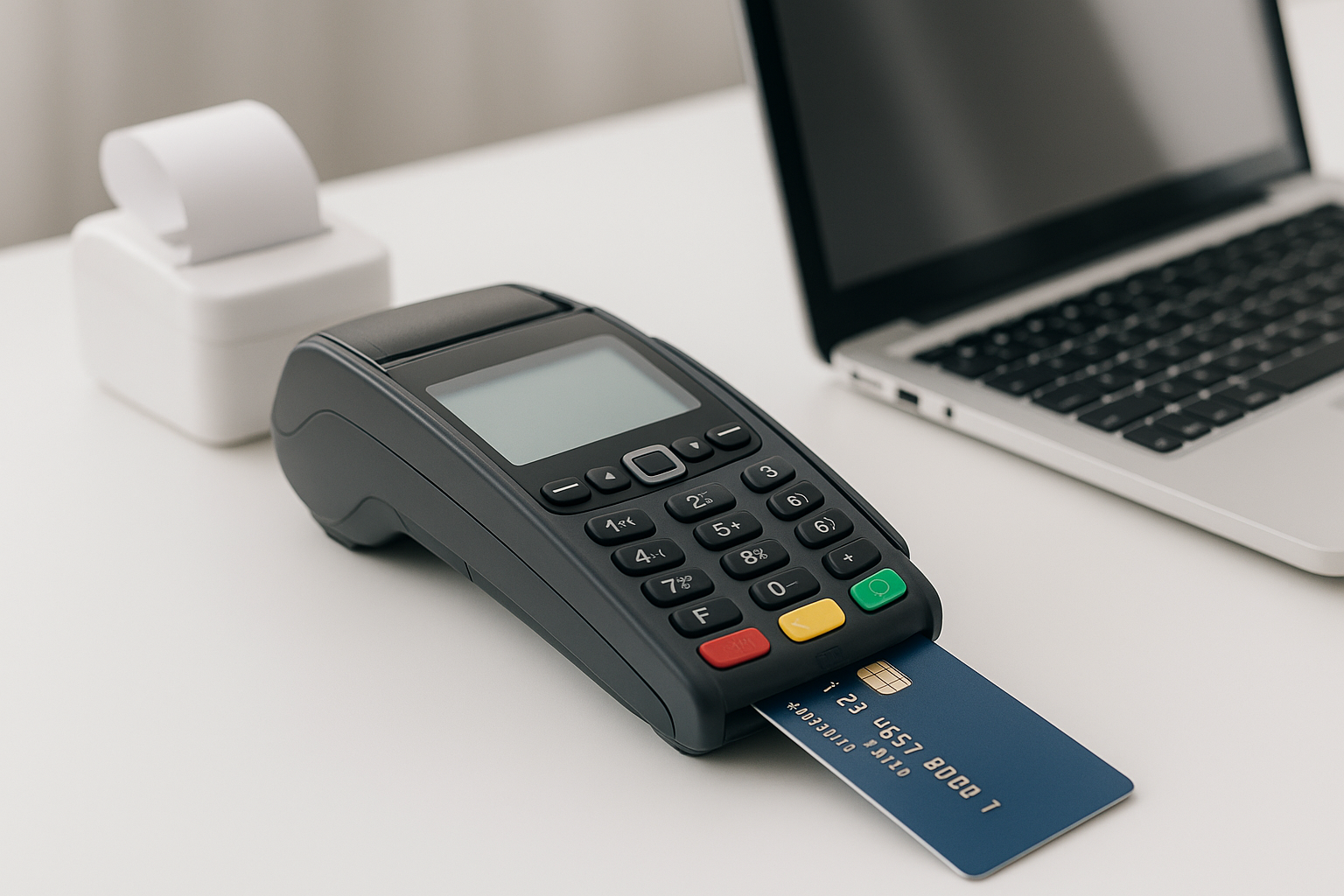
Business credit card processing is one of the most important payment systems for modern companies. Whether you run a retail store, an eCommerce brand, a restaurant, or a service-based business, accepting card payments can improve cash flow, increase sales, and create a better customer experience. But if you’ve ever compared payment providers, reviewed processing fees, or tried to understand how transactions move from card swipe to deposited funds, you know the process can feel confusing.
This guide breaks down business credit card processing in clear, practical terms. You’ll learn how it works, what to look for in a provider, the main fees involved, and how to choose a solution that fits your business.
What Is Business Credit Card Processing?
Business credit card processing is the system that allows a company to accept payments made with credit cards, debit cards, and many digital wallets. When a customer pays, several parties work together to authorize, route, and settle the transaction.
At a high level, the process includes:
- The customer initiates the payment using a card or digital wallet.
- The merchant accepts the payment through a terminal, online checkout, or payment gateway.
- The payment processor sends the transaction data through the card network.
- The issuing bank approves or declines the charge.
- The acquiring bank receives the funds and deposits them into the merchant account.
Although the process happens in seconds, each transaction depends on secure communication between multiple financial systems.
How Business Credit Card Processing Works
Understanding the payment flow can help you make smarter decisions when choosing a provider. Here’s a simplified version of how a credit card transaction works:
1. Authorization
The customer enters payment information at the point of sale or online checkout. The processor sends the transaction details to the card network and issuing bank to verify that the card is valid and has enough available credit or funds.
2. Authentication and security checks
Before the payment is approved, fraud detection tools may check for unusual spending patterns, address mismatches, or suspicious activity. This step helps protect both the merchant and the customer.
3. Approval or decline
The issuing bank either approves or declines the charge. If approved, the merchant receives confirmation almost immediately and the sale is completed.
4. Settlement
At the end of the day or within a set batch cycle, approved transactions are grouped and sent for settlement. Funds move from the customer’s bank to the merchant’s account, usually after fees are deducted.
The exact timing of deposits depends on your processor, bank, industry, and risk profile. Some businesses receive funds in one business day, while others may wait longer.
Why Businesses Need Credit Card Processing
Today’s customers expect fast, convenient payment options. Businesses that accept credit cards often benefit from:
- Higher sales: Customers are more likely to buy when they can pay with the method they prefer.
- Better cash flow: Card payments reduce the lag between sale and deposit.
- Improved customer experience: A smooth checkout process makes it easier to complete purchases.
- Online and in-person flexibility: Many processors support both physical and digital sales channels.
- Business credibility: Accepting cards can make your company look more established and trustworthy.
For many companies, accepting cards is no longer optional—it’s essential for staying competitive.
Types of Credit Card Processing for Businesses
Different businesses need different payment setups. The right processing solution depends on where and how you sell.
In-person processing
This is used in retail stores, restaurants, salons, and other face-to-face environments. Customers pay using a card reader, chip terminal, tap-to-pay device, or mobile point-of-sale system.
Online processing
Online businesses use payment gateways and checkout pages to accept payments through their website. These systems are designed for eCommerce transactions and often include fraud protection tools.
Mobile processing
Mobile card readers and smartphone-based apps are ideal for contractors, delivery services, market vendors, and businesses that operate on the go.
Virtual terminal processing
A virtual terminal allows you to key in card details manually using a computer. It’s useful for phone orders, invoicing, or remote billing.
Common Credit Card Processing Fees
One of the biggest concerns for business owners is cost. Processing fees can vary widely depending on the provider, industry, transaction volume, and pricing model.
Interchange fees
These are fees paid to the card-issuing bank. They are usually the largest portion of processing costs and vary based on card type and transaction method.
Assessment fees
These are small fees charged by the card networks, such as Visa or Mastercard, for using their payment infrastructure.
Processor markup
This is the fee charged by your payment processor for handling the transaction. It may be a flat fee, a percentage, or both.
Monthly fees
Some providers charge account maintenance, statement, PCI compliance, or gateway fees. Others bundle costs into a simpler pricing structure.
Chargeback fees
If a customer disputes a charge and the transaction is reversed, your business may be charged a fee for the chargeback process.
When comparing providers, look at the total cost, not just the advertised rate. A plan with a lower headline price may include hidden fees that make it more expensive overall.
How to Choose the Right Payment Processor
Selecting a processor is about more than just cost. The best solution should align with your sales model, customer needs, and growth plans.
Consider your business type
A restaurant, subscription company, and wholesale distributor all have different processing requirements. Look for a provider that supports your transaction style and average ticket size.
Compare pricing models
Common pricing structures include flat-rate pricing, interchange-plus pricing, and tiered pricing. Each model has pros and cons depending on your volume and transaction patterns.
Review hardware and software options
If you need card readers, POS systems, invoicing tools, or recurring billing features, make sure the provider offers compatible technology.
Check security features
Choose a processor that supports tokenization, encryption, fraud monitoring, and PCI compliance tools. Security should be a top priority for every business.
Look at funding speed
Some businesses need rapid deposits to manage payroll, inventory, or operating expenses. Ask how long settlement takes and whether faster funding is available.
Evaluate customer support
If payment issues happen after hours or during peak selling times, responsive support can save time and prevent lost revenue.
Security and Compliance in Credit Card Processing
Security is a critical part of business credit card processing. Because card data is sensitive, businesses must take steps to protect customer information and reduce the risk of fraud.
Key security practices include:
- Using PCI-compliant systems
- Encrypting card data
- Enabling tokenization for stored payment information
- Using fraud filters and address verification tools
- Training staff to recognize suspicious activity
PCI DSS compliance is especially important. It refers to the security standards designed to protect cardholder data. Even if your processor handles much of the technical work, your business may still need to complete compliance steps depending on how payments are accepted and stored.
Tips to Reduce Processing Costs
While processing fees are unavoidable, there are ways to keep them under control:
- Use the right pricing model for your volume and average sale size.
- Encourage card-present payments when possible, since they are often less risky than keyed-in transactions.
- Minimize chargebacks by providing clear billing descriptions and responsive customer service.
- Review your statements regularly to catch unexpected charges or rate increases.
- Negotiate with providers if your business processes a high volume of transactions.
Even small improvements in processing costs can add up significantly over time, especially for businesses with high monthly sales.
Final Thoughts
Business credit card processing is more than a back-office function—it’s a core part of how companies get paid and grow. The right system can improve customer satisfaction, streamline operations, and support healthier cash flow. By understanding how processing works, what fees to expect, and which features matter most, you can choose a payment solution that fits your business today and scales with you tomorrow.
Take the time to compare providers carefully, prioritize security, and look beyond the headline rate. A well-chosen credit card processing setup can become a valuable asset for your business for years to come.