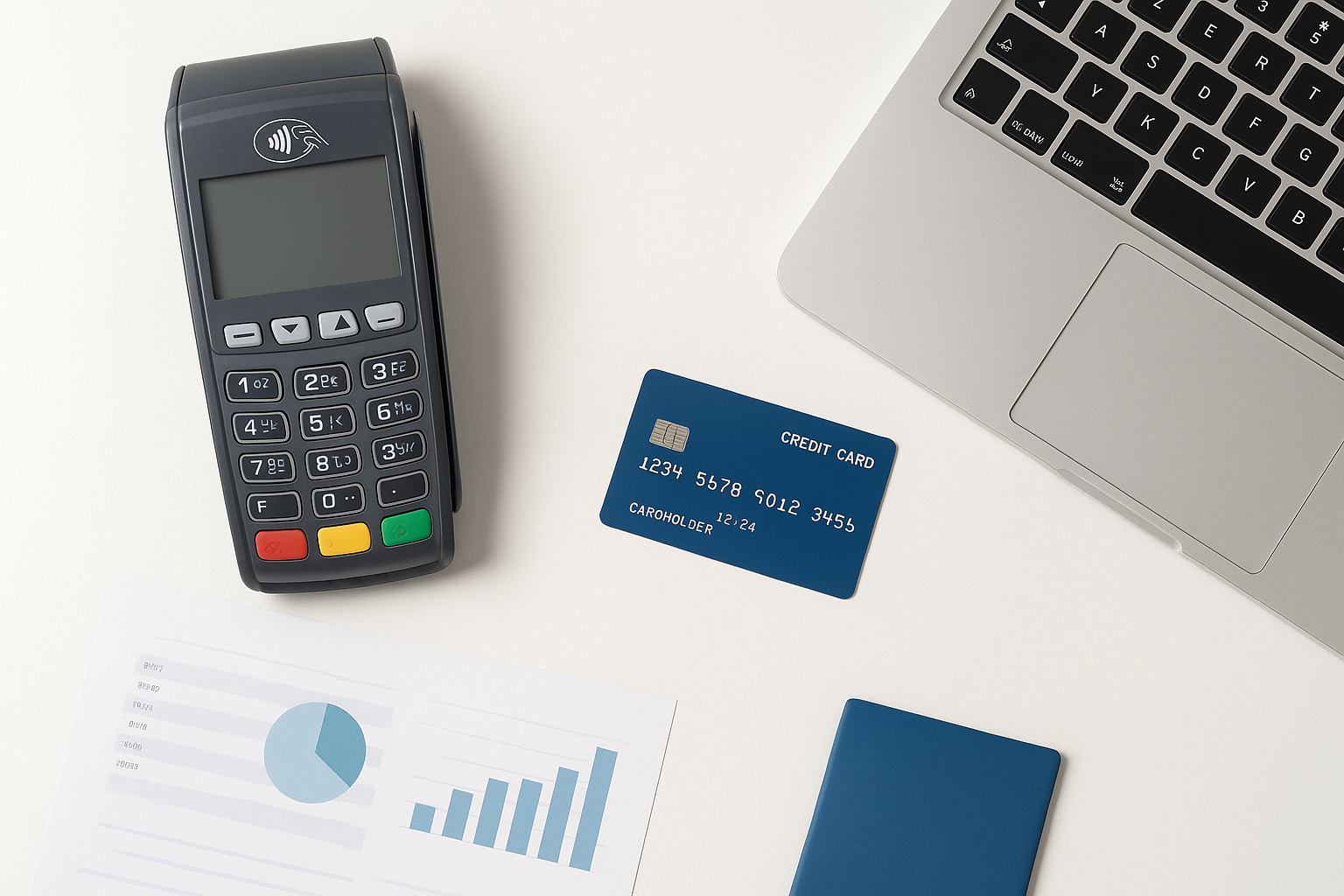
A payment processor is the technology that moves money between customers, merchants, banks, and card networks when a purchase happens. Whether you run a small online shop, a subscription business, or a large retail operation, the payment processor is a core part of accepting payments smoothly, securely, and reliably. It sits behind the scenes, but it has a major impact on customer experience, cash flow, fraud prevention, and operating costs.
What Is a Payment Processor?
A payment processor is a company or platform that handles the technical side of card and digital payments. When a customer pays with a credit card, debit card, or digital wallet, the payment processor transmits transaction data between the merchant, the customer’s bank, and the card network to determine whether the payment should be approved.
Think of it as the traffic controller for a transaction. It does not usually hold your money for long-term storage, but it ensures the payment request reaches the right financial institutions, gets authorized, and is completed correctly.
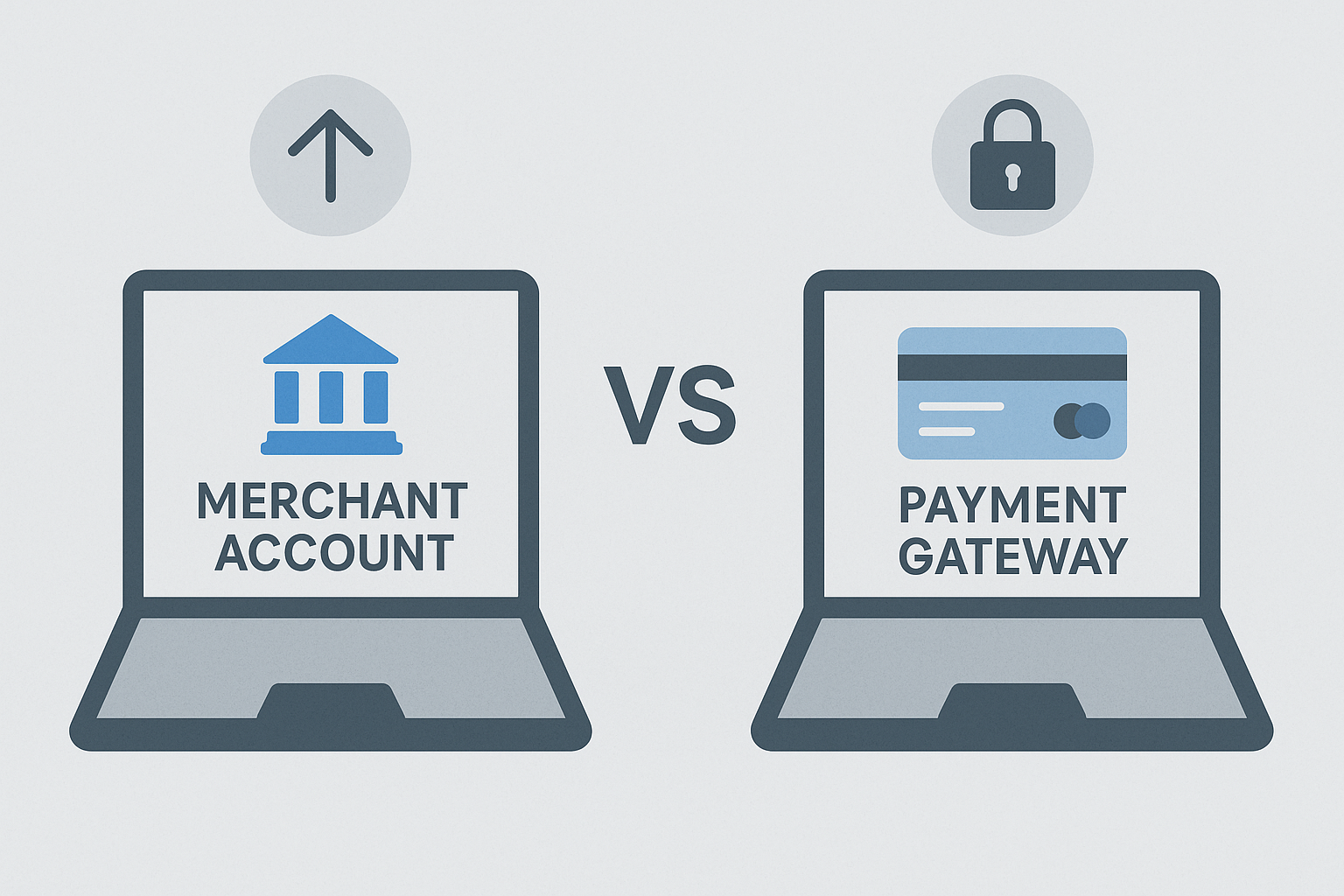
Payment Processor vs. Payment Gateway vs. Merchant Account
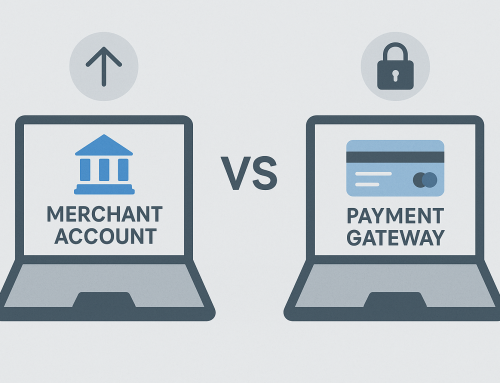
These terms are often used together, but they are not the same thing. A payment gateway is the tool that securely collects and sends payment information from the customer to the processor. A merchant account is a special type of account that temporarily holds funds before they are settled into your business bank account. The payment processor connects these pieces and handles the transaction workflow.
In many modern payment platforms, these functions are bundled together. That makes setup easier for businesses, especially smaller ones that want an all-in-one solution.
How Does a Payment Processor Work?
The payment process happens in seconds, but several steps occur behind the scenes.
Step 1: Customer Initiates Payment
The process begins when a customer enters payment details online, taps a card in person, or uses a digital wallet. The payment information is securely captured and prepared for transmission.
Step 2: Payment Data Is Transmitted
The payment gateway or checkout system sends the transaction details to the payment processor. The processor encrypts and routes the data to the appropriate card network and issuing bank.
Step 3: Authorization Request Is Sent
The issuing bank checks whether the card is valid, whether funds or credit are available, and whether the transaction appears legitimate. If everything looks good, the bank approves the charge.
Step 4: Approval or Decline
The approval or decline response returns through the network to the processor and then to the merchant. If approved, the customer sees a successful payment message almost instantly.
Step 5: Settlement and Funding
After authorization, the transaction is settled. The money moves from the customer’s bank through the card network and processor into the merchant’s account, usually within one to several business days.
Why Payment Processors Matter for Businesses
Choosing the right payment processor can directly affect revenue and customer satisfaction. A reliable processor helps customers complete checkout quickly, reduces failed transactions, and supports multiple payment methods. It also helps businesses stay compliant with security standards and lowers the risk of chargebacks and fraud.
For growing companies, a payment processor can also improve reporting, automate recurring billing, support international sales, and integrate with accounting or ecommerce software. In other words, it is not just a utility; it is part of the infrastructure that supports business growth.
Key Features to Look For in a Payment Processor
Not all payment processors offer the same capabilities. The best choice depends on your business model, sales channels, and customer expectations.
Security and Compliance
Security should be non-negotiable. Look for PCI DSS compliance, tokenization, encryption, and fraud monitoring tools. These features help protect customer data and reduce the chance of data breaches.
Supported Payment Methods
Customers expect flexibility. A strong processor should support major credit and debit cards, digital wallets, ACH payments, and possibly local payment methods if you sell internationally.
Pricing and Fees
Payment processor pricing can include transaction fees, monthly fees, chargeback fees, cross-border fees, and hardware costs. Compare the full pricing structure carefully so you understand what you will actually pay as your transaction volume grows.
Integration Options
If your business uses an ecommerce platform, POS system, CRM, or accounting software, look for a processor with easy integration. Smooth integration reduces manual work and helps keep records accurate.
Speed of Payouts
Cash flow matters. Some processors offer next-day or same-day payouts, while others take longer. Faster access to funds can make a meaningful difference for small businesses and seasonal operations.
Customer Support
When payment issues happen, responsive support is essential. Strong customer service can help you resolve declines, disputes, and technical issues quickly and prevent lost sales.
Types of Payment Processors
There are several common models businesses can choose from, depending on their needs.
All-in-One Payment Platforms
These platforms combine payment gateway, processor, and merchant account services into one package. They are often easiest to set up and are popular with small to mid-sized businesses.
Traditional Merchant Service Providers
These providers often work closely with merchant accounts and may offer customized pricing, hardware solutions, and more tailored support. They can be a good fit for businesses with higher transaction volumes or specialized needs.
Payment Service Providers (PSPs)
PSPs allow businesses to start accepting payments quickly without setting up a separate merchant account. They are convenient and scalable, though pricing and terms may vary widely.
Common Challenges When Using Payment Processors
Even the best payment processor can create issues if it is not a good fit for your business. Common challenges include high fees, delayed payouts, account holds, false declines, and limited customer support. Some businesses also run into problems when the processor does not support international payments or recurring billing properly.
Chargebacks are another important concern. When customers dispute transactions, businesses may lose revenue and pay additional fees. A processor with strong fraud tools and dispute management support can help reduce these risks.
How to Choose the Right Payment Processor
The right processor should match your business size, payment volume, industry, and growth plans. Start by identifying the payment types you need to accept and the sales channels you use most often. Then compare providers based on fees, features, security, integrations, and support quality.
It is also smart to think about long-term scalability. A processor that works well today should still support your business as transaction volume grows, new sales channels are added, or you expand into new markets.
Conclusion
A payment processor is a vital part of modern commerce. It helps businesses accept payments securely, improve customer experience, and keep money moving efficiently. By understanding how payment processors work and what features matter most, you can choose a solution that supports both day-to-day operations and future growth.