What Is a Payment Processor?
A payment processor is the technology service that moves money between a customer’s bank and a merchant’s bank after a purchase is made. In simple terms, it helps make sure a card payment, digital wallet payment, or other online transaction is authorized, securely transmitted, and completed.
For businesses, payment processors are the behind-the-scenes engine that allows customers to check out quickly and confidently. Whether you run an eCommerce store, a subscription service, or a brick-and-mortar shop, your payment processor plays a major role in how smoothly you get paid.
Why Payment Processors Matter
Without a payment processor, businesses would have to handle payment verification, security, and fund transfers manually. That would be slow, risky, and nearly impossible at scale. A good processor helps businesses accept payments faster, reduce fraud, and improve the customer experience.
How a Payment Processor Works
The payment processing flow happens in seconds, but several steps take place behind the scenes. Understanding this process can help business owners make smarter decisions about payment systems and fees.
1. Customer Initiates Payment
The process begins when a customer enters payment details or taps a card at checkout. This could happen online, in a mobile app, or at a physical point-of-sale terminal.
2. Transaction Data Is Sent for Authorization
The payment processor receives the transaction information and sends it to the relevant card network and issuing bank. The bank checks whether the customer has enough funds or available credit and whether the transaction appears legitimate.
3. Approval or Decline
If the issuing bank approves the purchase, the payment processor communicates that approval back to the merchant. If the transaction is declined, the customer is informed so they can try another payment method.
4. Funds Are Captured and Settled
Once approved, the transaction is captured and later settled. During settlement, the funds move from the customer’s bank to the merchant’s account, typically minus processing fees.
5. Merchant Receives the Money
After settlement, the payment processor helps deposit the funds into the merchant’s bank account. Depending on the provider, this can take one to several business days.
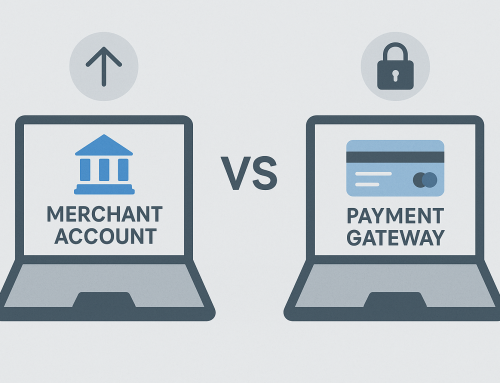
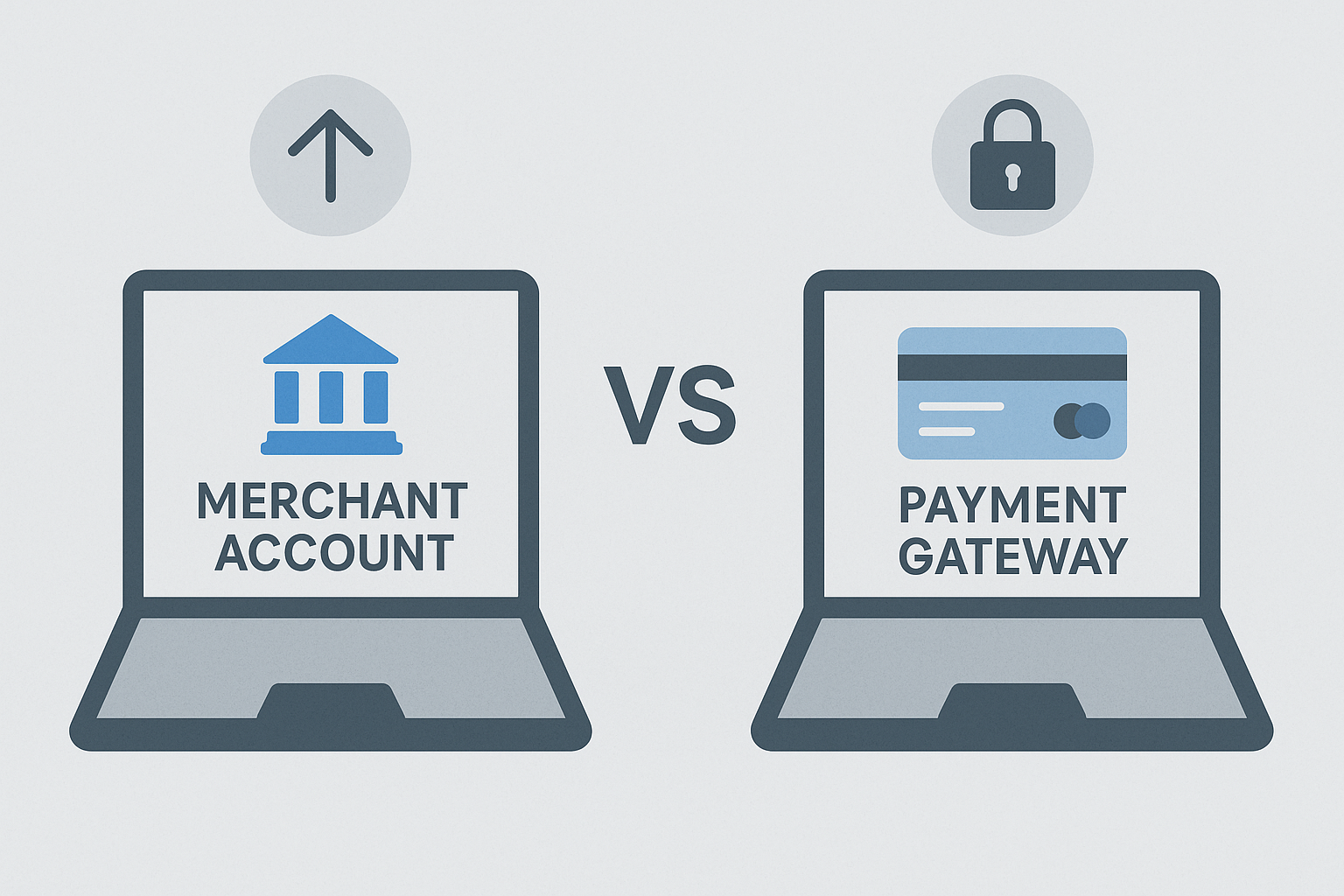
Payment Processor vs. Payment Gateway vs. Merchant Account
People often use these terms interchangeably, but they refer to different parts of the payment ecosystem.
Payment Gateway
A payment gateway is the technology that securely collects and transmits payment information from the customer to the processor. Think of it as the digital equivalent of a card reader or checkout form.
Payment Processor
The payment processor handles the communication between banks and card networks, authorizing the transaction and moving money to the merchant.
Merchant Account
A merchant account is a special type of bank account that temporarily holds funds before they are transferred to the business’s regular bank account. Some payment providers bundle the gateway, processor, and merchant account together, while others separate them.
Types of Payment Processors
There are several types of payment processors, and the best one depends on your business model, sales volume, and customer preferences.
Traditional Merchant Service Providers
These providers often work with businesses that need a dedicated merchant account. They may offer lower rates for higher-volume merchants, but setup can be more involved.
Aggregated Payment Processors
Aggregators allow multiple businesses to process payments through one shared infrastructure. They are often easier to set up and popular with small businesses and startups.
Integrated Payment Platforms
Some platforms combine payment processing with invoicing, subscriptions, inventory, and reporting tools. These are ideal for businesses that want an all-in-one solution.
Key Features to Look For
Choosing the right payment processor is about more than just accepting credit cards. The right features can improve conversions, reduce risk, and save money over time.
Security and Fraud Protection
Look for processors that support encryption, tokenization, PCI compliance tools, and fraud detection. Strong security protects your business and builds customer trust.
Payment Method Support
A modern processor should accept major credit and debit cards, ACH transfers, mobile wallets, and possibly buy now, pay later options. More payment choices can mean fewer abandoned carts.
Fast Settlement Times
Cash flow matters. Some processors offer next-day or same-day payouts, while others take longer. Faster settlement can help businesses manage expenses and growth more effectively.
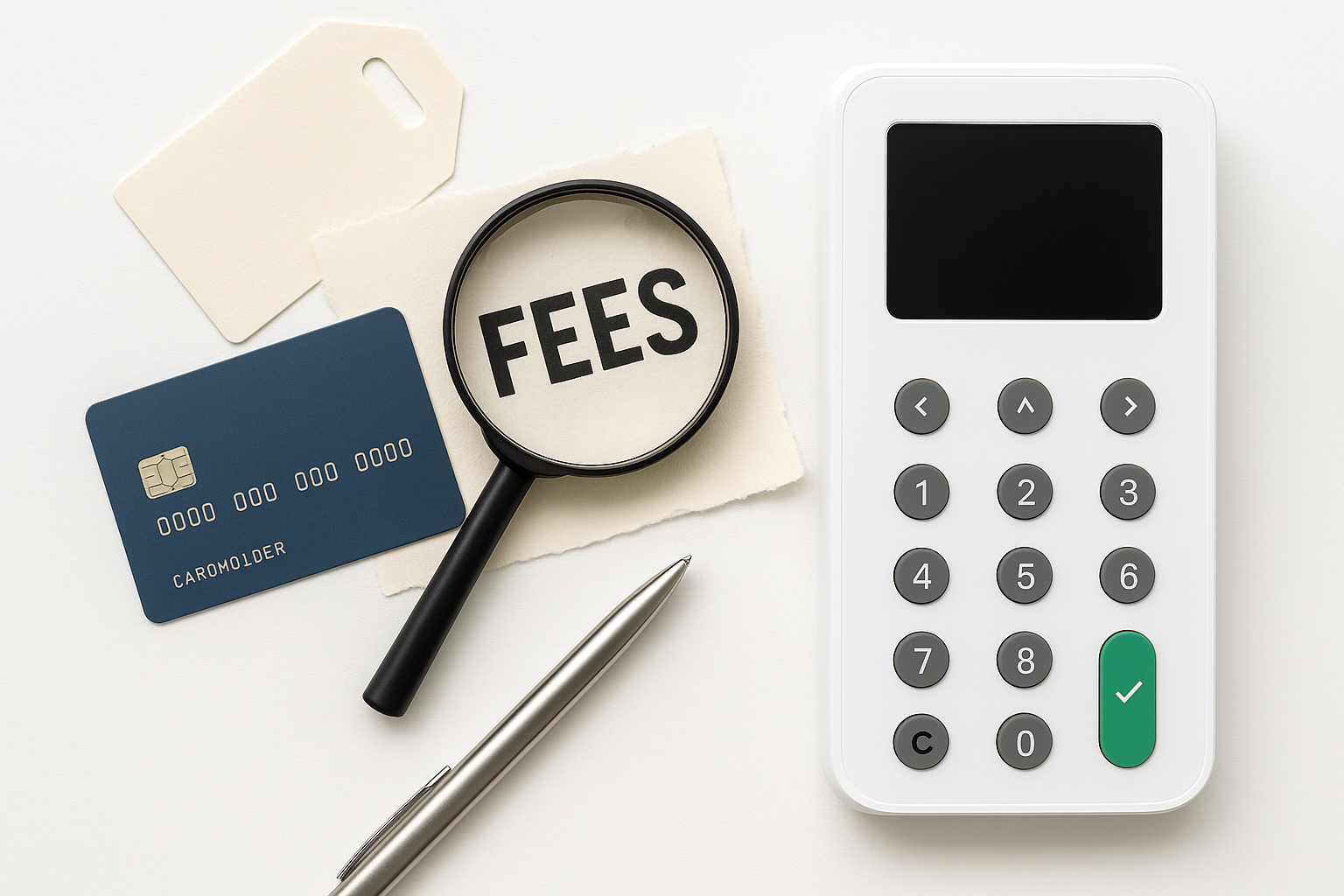
Transparent Pricing
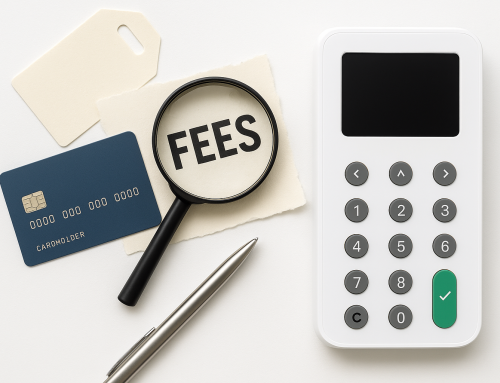
Watch for clear fee structures. Common charges may include transaction fees, monthly fees, chargeback fees, cross-border fees, and equipment costs. A processor that explains pricing upfront is usually easier to manage.
Ease of Integration
If you use an online store, accounting software, CRM, or subscription platform, make sure the processor integrates well with your existing tools. Smooth integration reduces manual work and errors.
Common Fees and Costs
Payment processors typically charge for the service of moving and securing transactions. These costs can vary widely, so it pays to understand what you are being charged for.
Transaction Fees
These are usually a percentage of the sale plus a fixed amount per transaction. For example, a processor may charge 2.9% + $0.30 per transaction.
Monthly or Subscription Fees
Some providers charge a recurring monthly fee for access to their platform or for advanced features.
Chargeback Fees
If a customer disputes a charge and the transaction is reversed, the processor may charge a fee to cover the dispute handling process.
Setup, Hardware, and Other Fees
Depending on the provider, you may also see setup costs, terminal costs, PCI compliance fees, or charges for international transactions. Always review the full pricing schedule before signing up.
How to Choose the Right Payment Processor
The best payment processor for your business depends on your size, industry, and how your customers prefer to pay.
Consider Your Business Model
A retail store, SaaS company, nonprofit, and restaurant may all need different payment features. Make sure the processor supports your specific use case.
Compare Total Cost, Not Just Rates
Low headline rates can be misleading if the processor adds extra fees elsewhere. Estimate your total monthly processing costs based on your average ticket size and volume.
Evaluate Customer Experience
Checkout speed, payment options, and mobile friendliness all affect conversion rates. A smoother checkout often leads to more completed sales.
Review Support and Reliability
When payment issues happen, responsive support is essential. Look for providers with strong uptime, clear documentation, and accessible customer service.
Final Thoughts
A payment processor is one of the most important parts of your business payments infrastructure. It helps authorize transactions, move funds securely, and create a better checkout experience for your customers. By understanding how payment processors work and what features matter most, you can choose a solution that supports growth, improves cash flow, and keeps payments running smoothly.