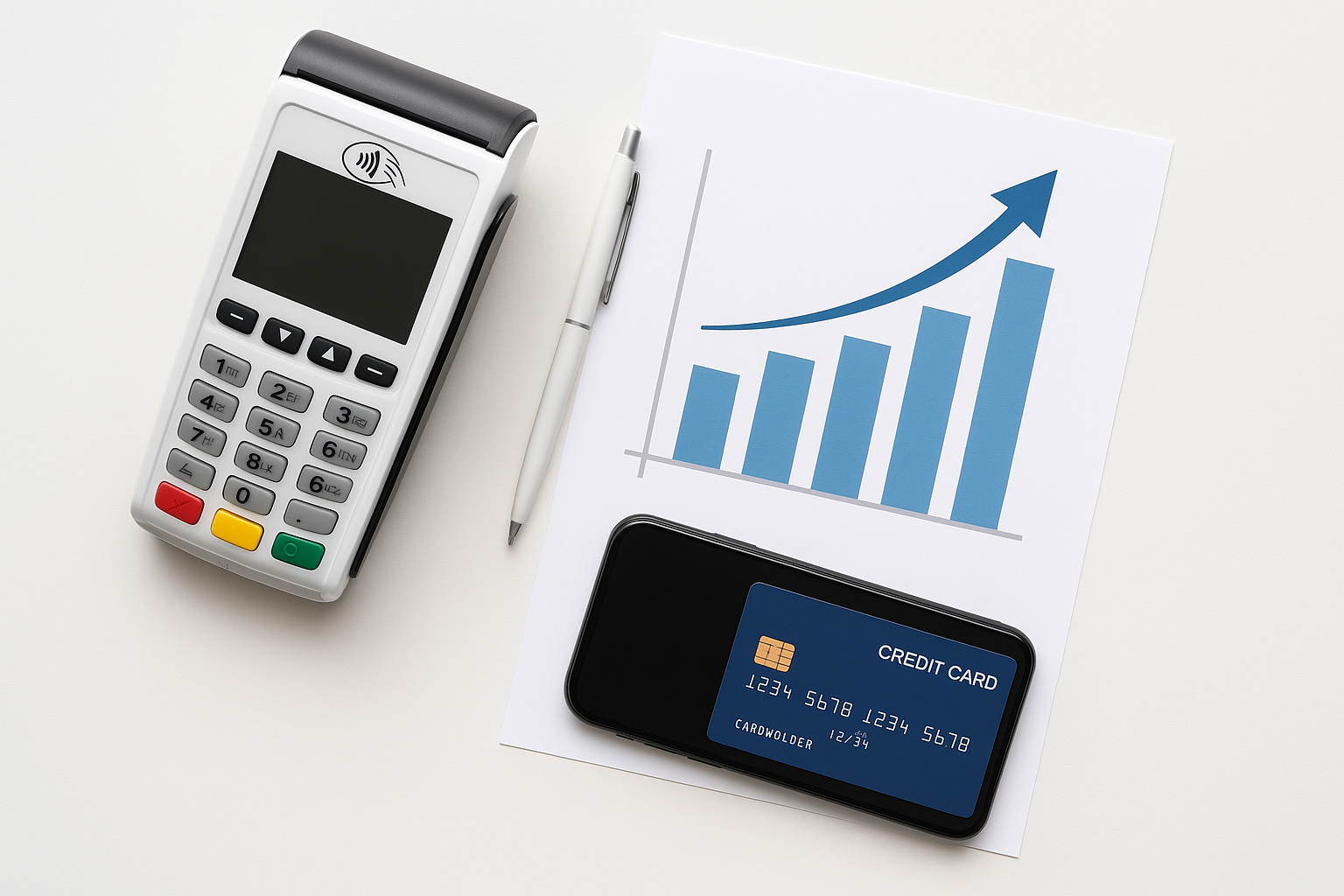
Payment Solutions for Businesses
Choosing the right payment solution is one of the most important decisions a business can make. Whether you run a small retail shop, an online store, a service-based company, or a multi-location operation, the way you accept and manage payments directly affects cash flow, customer experience, and operational efficiency. A modern payment system does more than process transactions—it helps businesses reduce friction, improve security, and scale with confidence.
Today’s customers expect fast, flexible, and secure ways to pay. That means businesses need to support credit and debit cards, contactless payments, digital wallets, ACH transfers, invoicing, recurring billing, and sometimes even international payments. The best payment solution depends on your business model, transaction volume, and long-term goals. Understanding the available options makes it easier to choose a system that supports growth instead of creating extra complexity.
Why Payment Solutions Matter
Payment solutions are the backbone of revenue collection. If payment processing is slow, unreliable, or inconvenient, customers may abandon their purchase or have a poor experience that affects repeat business. On the other hand, a smooth checkout process can improve conversion rates and build trust.
For businesses, the right payment system also simplifies back-office operations. It can automate invoicing, streamline reconciliation, reduce manual entry, and provide useful reporting. In many cases, a strong payment solution also helps reduce risk by including fraud detection tools, tokenization, and PCI-compliant security features.
Beyond convenience and security, payment solutions can support strategic growth. For example, businesses that offer recurring billing can increase predictable revenue, while companies that accept multiple payment methods may attract more customers and expand into new markets. In short, payment infrastructure is no longer just a technical necessity—it is a competitive advantage.
Types of Payment Solutions
There are several types of payment solutions available, and each serves a different business need. Some companies benefit from a simple card reader, while others need a full platform that integrates online, in-person, and mobile payments.
Point-of-Sale (POS) Systems
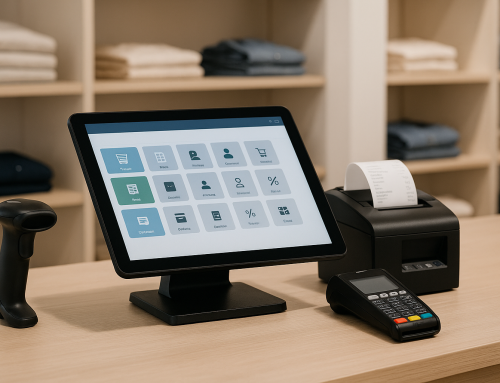
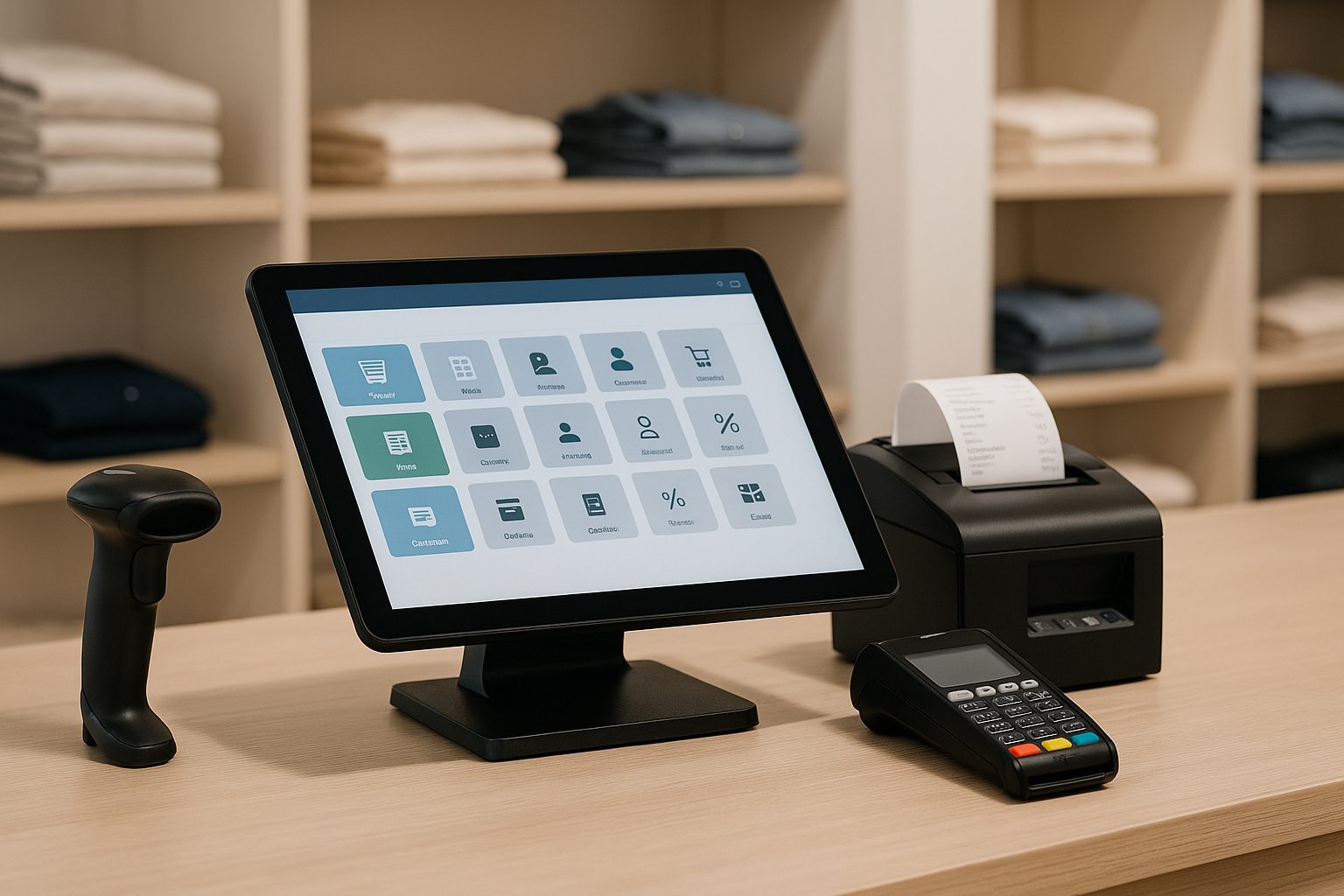
POS systems are commonly used in retail stores, restaurants, and service businesses that take payments in person. Modern POS systems do much more than accept card payments. They can track inventory, manage employee permissions, store customer data, and generate sales reports. Many also support contactless and mobile wallet payments, making checkout faster and more convenient.
Online Payment Gateways
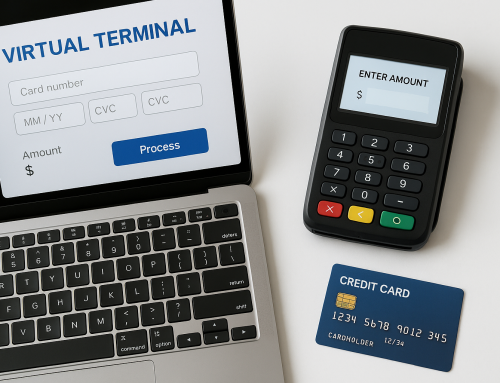
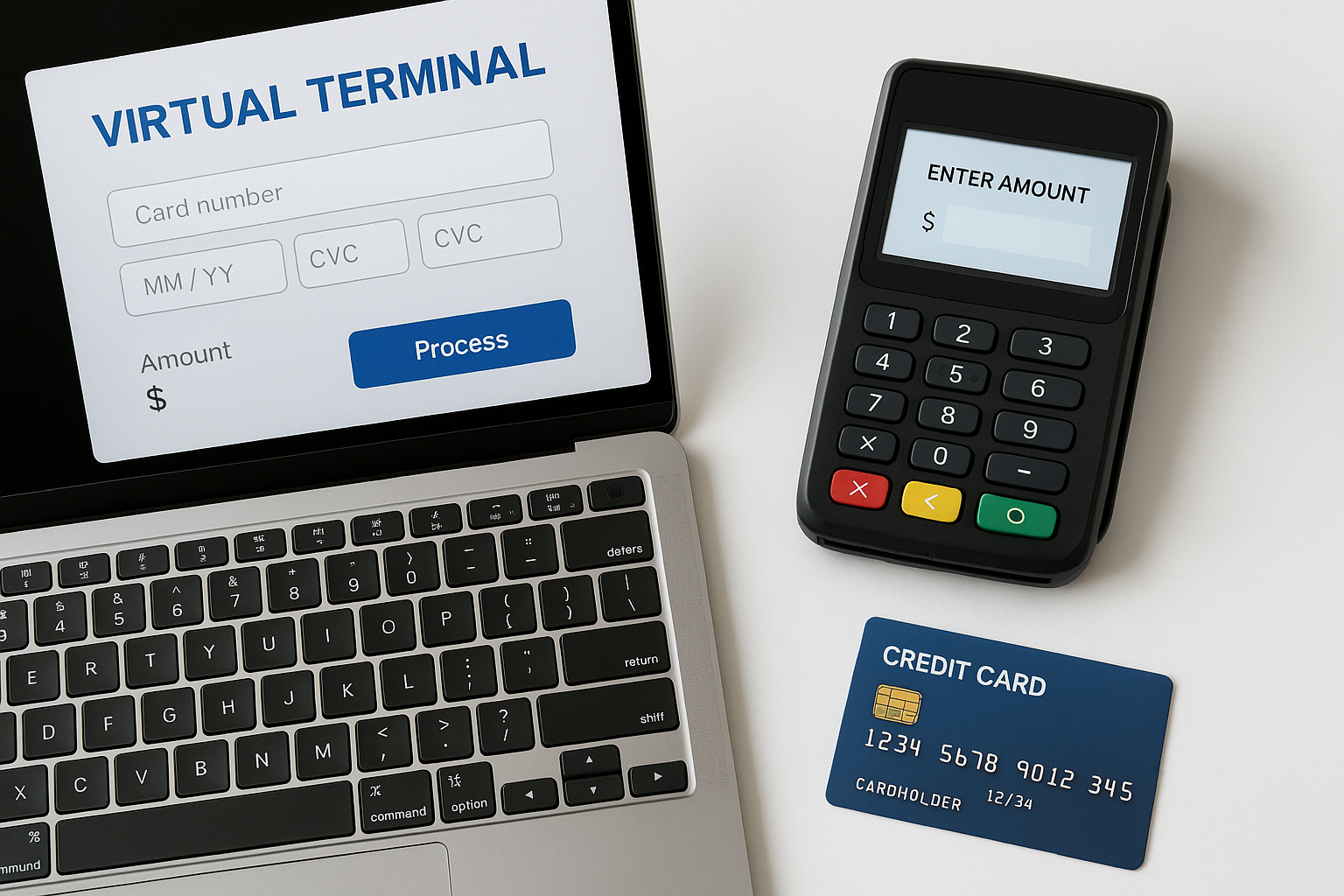
Businesses that sell through websites or apps typically need a payment gateway. This technology securely transmits payment information between the customer, merchant, and financial institutions. A good gateway should support major credit cards, digital wallets, and sometimes local payment methods depending on your audience. It should also integrate easily with your e-commerce platform or custom website.
Mobile Payment Solutions
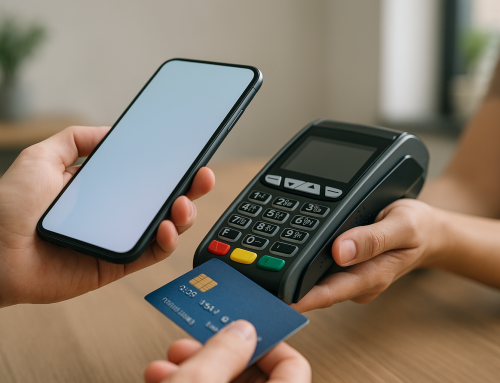
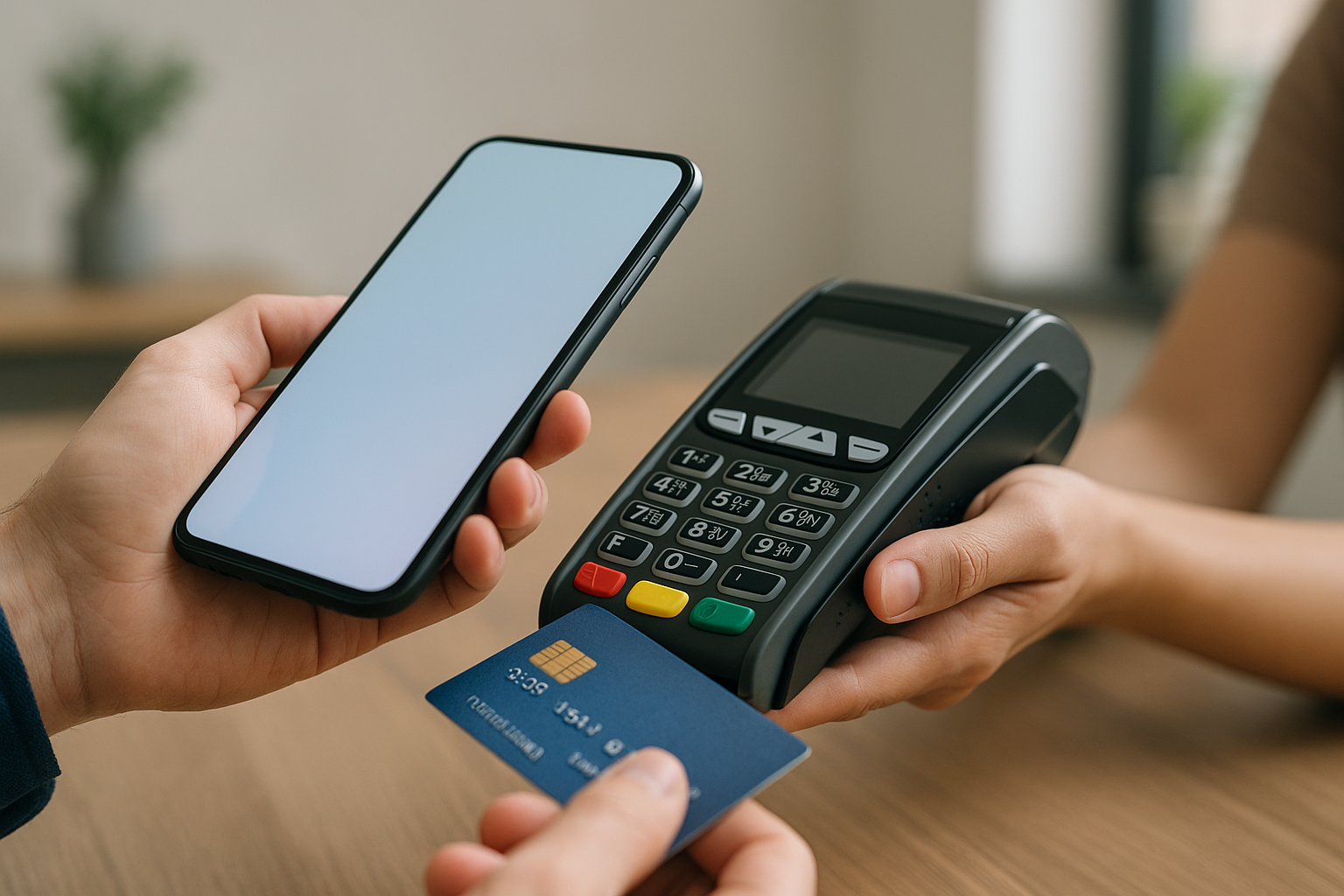
Mobile payment tools are ideal for businesses that operate on the go, such as field service providers, contractors, event vendors, and delivery services. With a mobile card reader or app-based solution, businesses can accept payments from a smartphone or tablet anywhere they have internet access. This flexibility helps speed up cash collection and reduces the need to invoice later.
ACH and Bank Transfer Payments
ACH payments and bank transfers are often used for B2B transactions, recurring billing, rent collection, and large-value payments. They usually come with lower processing fees than credit cards, which can be especially valuable for businesses with tight margins or high transaction amounts. While settlement may take longer than card payments, the cost savings can be significant.
Recurring Billing Platforms
Subscription businesses, membership organizations, and service providers often need recurring billing solutions. These systems automate payment collection on a fixed schedule, reducing the need for manual invoices and follow-up. Features like card updating, retries for failed payments, and customer self-service portals can improve retention and reduce churn.
Key Features to Look For
Not all payment solutions are created equal. The right choice depends on the features that matter most to your business. Before committing to a provider, it is worth evaluating how well the system supports your current needs and future plans.
Security should be a top priority. Look for solutions that support PCI compliance, encryption, tokenization, fraud monitoring, and secure customer authentication. A secure payment system protects both your business and your customers.
Ease of integration is also essential. Payment tools should connect smoothly with your accounting software, CRM, e-commerce store, and ERP systems if needed. The easier it is to sync data, the less time your team will spend on manual work.
Transparent pricing can make a big difference in long-term costs. Some providers charge flat-rate fees, while others use interchange-plus or subscription-based pricing. Make sure you understand transaction fees, monthly fees, chargeback costs, equipment expenses, and any hidden charges.
Scalability matters if your business is growing. A system that works for a small team should still perform well as transaction volume increases, locations expand, or new payment channels are added. A scalable platform helps you avoid costly migrations later.
Customer support can save time and reduce stress when issues arise. Look for providers with responsive support teams, clear documentation, and onboarding help. Reliable support is especially important for businesses that process payments every day.
Benefits of the Right Payment System
The right payment solution can improve nearly every part of a business. One of the biggest advantages is faster cash flow. When customers can pay easily and funds settle quickly, businesses are in a better position to manage expenses and invest in growth.
Improved customer experience is another major benefit. Flexible payment options create convenience, reduce checkout friction, and make it easier for customers to complete purchases. This can lead to higher conversion rates and stronger loyalty.
Operational efficiency also improves with the right system. Automation can reduce human error, streamline reporting, and save staff time. Instead of spending hours matching payments to invoices or tracking down late payments, teams can focus on serving customers and growing the business.
In addition, modern payment platforms often provide valuable data insights. Businesses can analyze payment trends, identify top-selling products, monitor revenue performance, and spot potential fraud patterns. These insights support better decision-making and more accurate forecasting.
How to Choose the Best Solution for Your Business
Start by looking at how your business accepts payments today. Do you process most sales online, in person, by invoice, or through subscriptions? The answer will narrow down the type of solution you need. A restaurant, for example, may prioritize table-side mobile payments, while a consulting firm may need invoicing and recurring billing.
Next, consider your transaction volume and average ticket size. Businesses with higher volume may benefit from pricing models that reduce per-transaction costs, while smaller businesses may prefer simple flat-rate pricing for predictability. Comparing fee structures carefully can help you avoid paying more than necessary.
It is also important to think about customer preferences. If your audience expects Apple Pay, Google Pay, ACH, or pay-by-link options, your payment system should support those methods. Meeting customer expectations can directly improve completion rates.
Finally, review the provider’s reputation, support quality, and integration capabilities. A payment solution should fit smoothly into your existing workflow rather than forcing your team to adapt to a rigid platform. Taking time to evaluate your options upfront can prevent problems later.
Future Trends in Business Payments
Payment technology continues to evolve quickly. Contactless payments, digital wallets, and real-time transfers are becoming more common across industries. Businesses that adopt flexible, modern payment solutions are better positioned to meet changing customer expectations.
Automation and embedded finance are also shaping the future. More platforms are offering built-in payments, automated reconciliation, and financial tools that connect directly to business operations. Artificial intelligence is being used to detect fraud, reduce payment failures, and improve routing efficiency.
At the same time, businesses are paying closer attention to omnichannel experiences. Customers want to move seamlessly between online, mobile, and in-person interactions without repeating steps or losing payment information. Payment systems that support this kind of consistency will continue to gain an edge.
Conclusion
Payment solutions for businesses are no longer one-size-fits-all. The best system is the one that fits your business model, supports your customers’ preferences, and gives you room to grow. By focusing on security, flexibility, integration, and transparency, you can choose a payment solution that strengthens your operations and improves the customer experience. A smart payment strategy is an investment in both efficiency and long-term success.