Introduction
Choosing the right payment solution is one of the most important decisions a business can make. Whether you run a small online store, a local service company, or a growing multi-channel brand, the way you accept and manage payments affects cash flow, customer experience, and day-to-day efficiency. Today’s payment solutions for businesses go far beyond basic card processing. They can include online checkout tools, mobile payments, invoicing platforms, recurring billing, point-of-sale systems, and integrated financial reporting.
The best payment setup depends on your business model, customer preferences, security needs, and growth plans. A flexible solution can help you get paid faster, reduce manual work, lower failed transactions, and create a smoother experience for your customers. In this guide, we’ll explore the main types of payment solutions, the benefits they offer, the features to look for, and how to choose the right one for your business.
What Are Payment Solutions for Businesses?
Payment solutions for businesses are the tools and services that allow a company to accept, process, and manage customer payments. These solutions may support credit and debit cards, digital wallets, bank transfers, ACH payments, buy now pay later options, and even international transactions. In many cases, a payment solution also includes features for invoicing, recurring billing, refunds, fraud prevention, and reporting.
Modern payment systems are designed to make transactions faster and more convenient while reducing the burden on business owners. Instead of manually tracking payments or relying on multiple disconnected tools, businesses can use one platform to manage many parts of the payment process. This is especially useful as customers increasingly expect quick, secure, and flexible ways to pay.
Common Types of Payment Solutions
1. Credit and Debit Card Processing
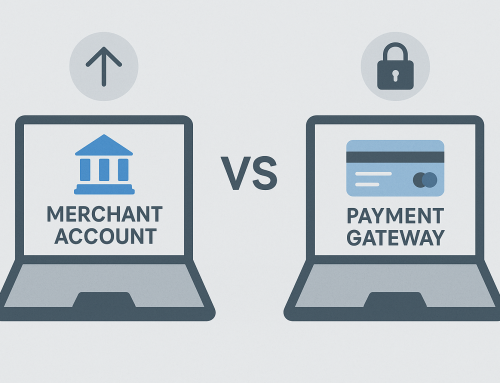
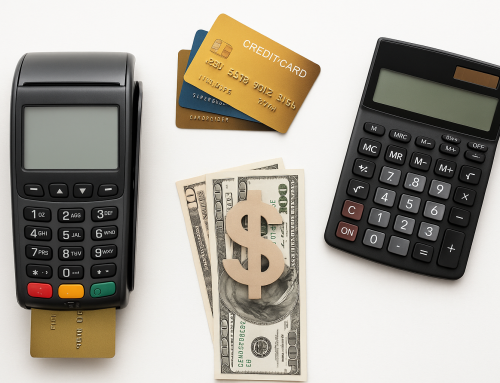
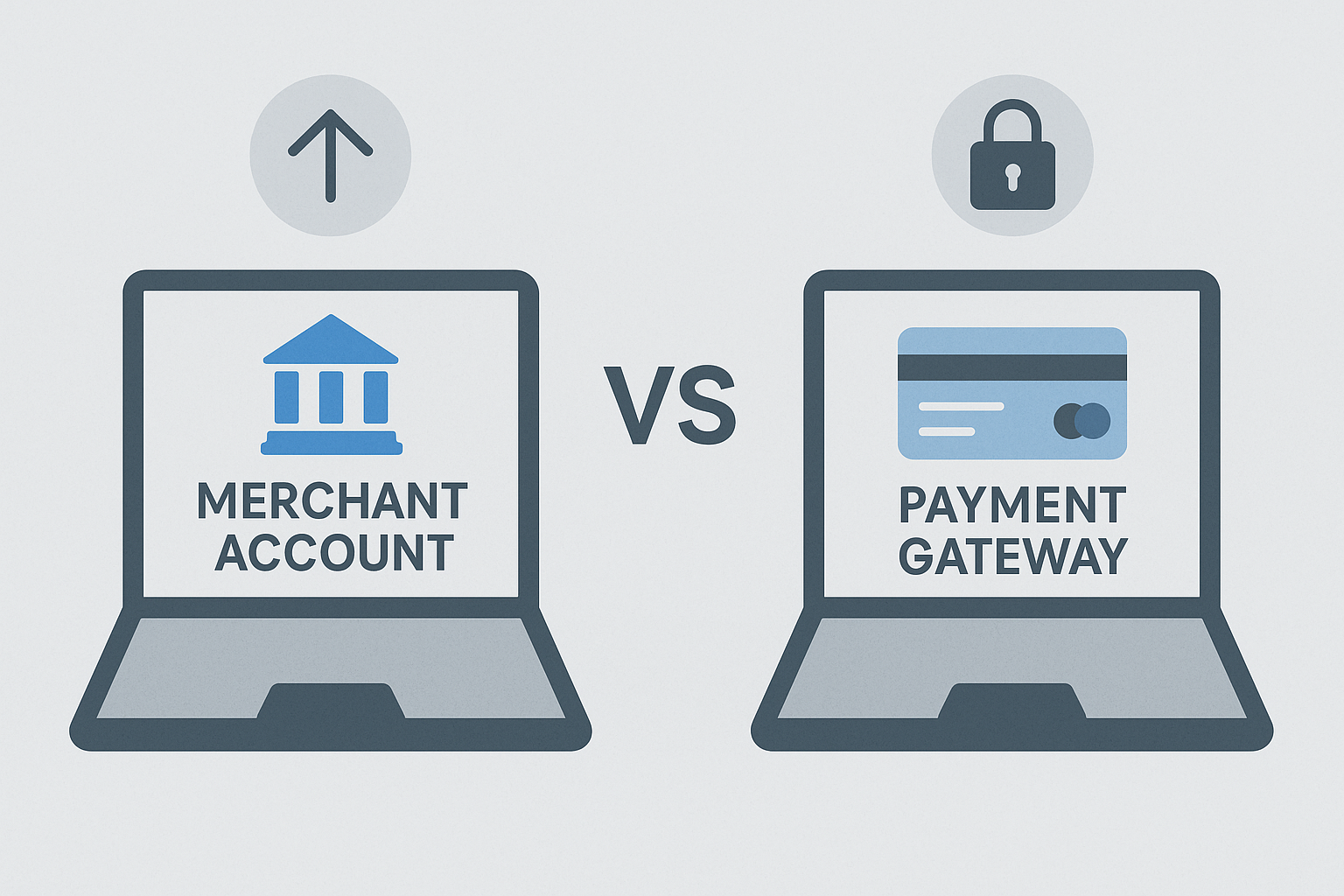
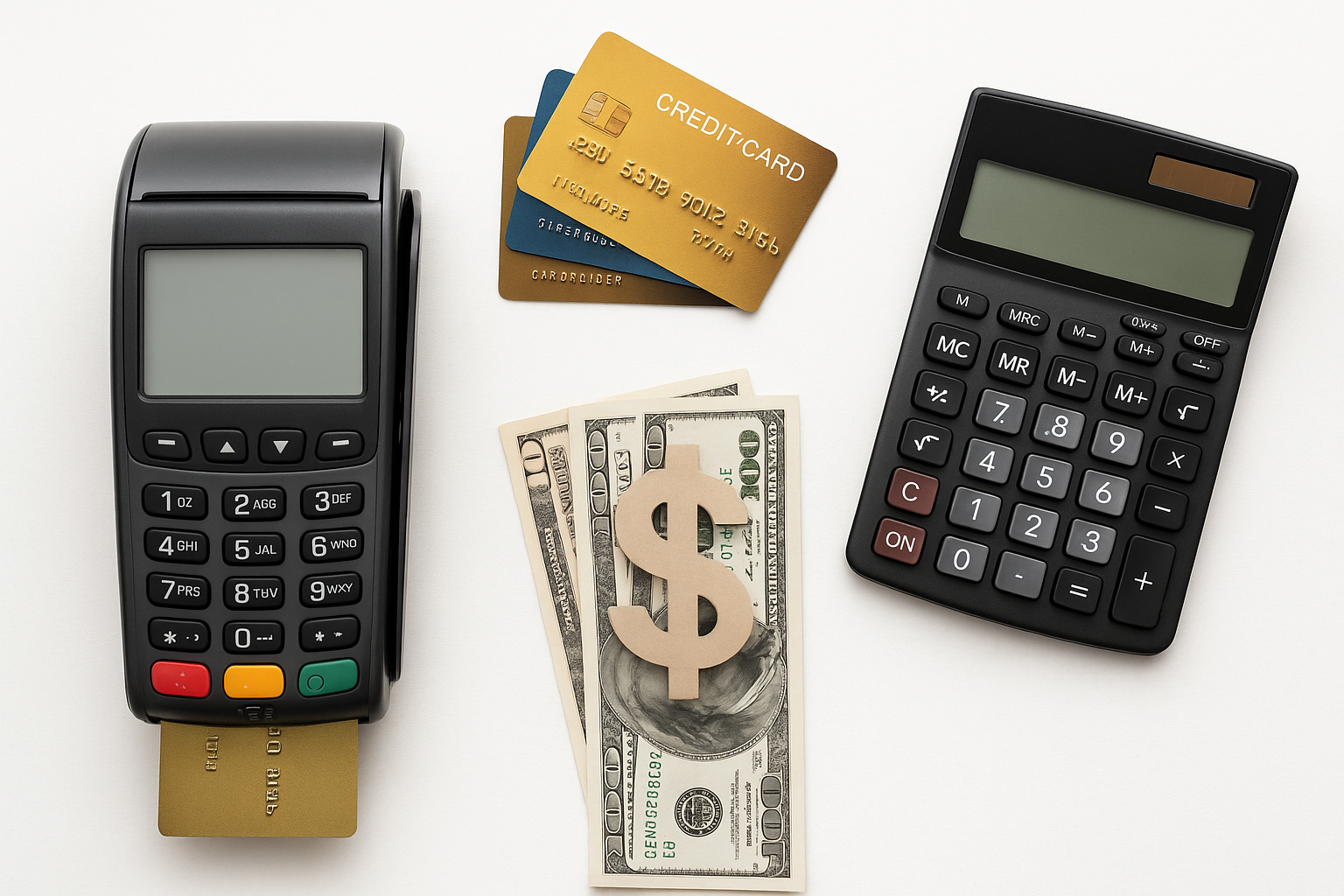
Card processing remains one of the most widely used payment methods for businesses of all sizes. Customers expect to pay with Visa, Mastercard, American Express, or Discover, whether they are shopping online or in person. A card processor handles the transfer of funds from the customer’s bank to the business’s merchant account.
This option is essential for most businesses because it is familiar, trusted, and easy for customers to use. The key considerations are transaction fees, settlement speed, and compatibility with your point-of-sale or eCommerce platform.
2. Online Payment Gateways
An online payment gateway securely captures and sends payment information from a customer’s checkout page to the payment processor. It is a critical part of any eCommerce business. Without a reliable gateway, customers may abandon their carts due to slow, confusing, or untrusted checkout experiences.
Many gateways also support features like saved payment methods, fraud screening, subscription billing, and mobile-friendly checkout pages. Businesses that sell online should prioritize gateways that are fast, secure, and easy to integrate with their website or shopping cart.
3. Point-of-Sale Systems
Point-of-sale, or POS, systems are used by businesses that accept payments in person. Retail stores, restaurants, salons, and service providers often rely on POS software and hardware to process transactions, track inventory, manage staff, and generate reports.
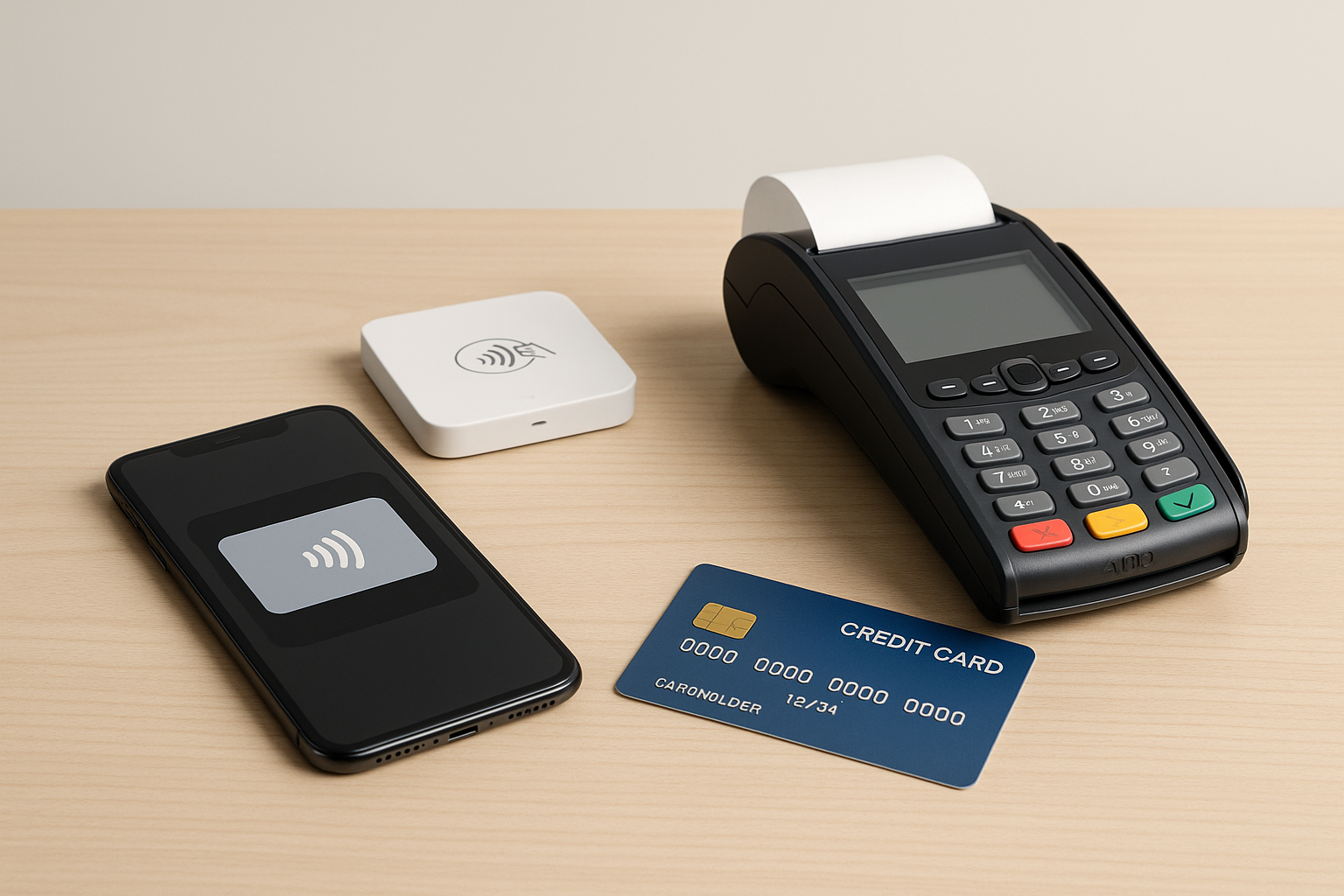
Modern POS systems can also accept tap-to-pay cards, digital wallets, and QR code payments. For businesses with physical locations, a strong POS system can improve checkout speed, reduce errors, and provide better insight into sales performance.
4. Mobile Payment Solutions
Mobile payment solutions allow businesses to accept payments on smartphones or tablets. These tools are useful for pop-up shops, delivery businesses, field services, and small vendors who need flexibility. A mobile card reader paired with a payment app can turn almost any device into a payment terminal.
Mobile payments are especially helpful for businesses that work outside a traditional storefront. They make it easier to accept payments on the go while maintaining a professional and secure experience for customers.
5. Recurring Billing and Subscription Payments
Businesses that offer memberships, software, retainers, or ongoing services often need recurring billing capabilities. This type of payment solution automatically charges customers on a set schedule, making it easier to predict revenue and reduce collection efforts.
Recurring billing tools can manage failed payments, send reminders, update saved cards, and support usage-based or tiered pricing. For subscription-based businesses, this functionality is essential for maintaining steady cash flow and reducing churn caused by payment issues.
6. ACH and Bank Transfer Payments
ACH payments and bank transfers are often used for larger transactions, B2B payments, and recurring invoices. They can offer lower processing fees than card payments, which makes them attractive for businesses that process high-value transactions.
While these payments may take longer to settle, they can be a cost-effective option for invoices, payroll, vendor payments, and other business-to-business use cases. Many companies use ACH alongside card processing to give customers more flexibility.
Benefits of Using the Right Payment Solution
Improved Customer Experience
Customers are more likely to complete a purchase when they can pay in the way they prefer. Offering multiple payment methods can reduce friction at checkout and make your business look more modern and trustworthy. A smooth payment experience also encourages repeat business.
Faster Cash Flow
Efficient payment solutions speed up the time between a sale and access to funds. This matters because healthy cash flow helps businesses pay suppliers, manage payroll, and invest in growth. Faster payments can reduce the strain caused by delayed invoices or manual reconciliation.
Reduced Administrative Work
Automation is one of the biggest advantages of modern payment tools. Features like automatic invoicing, payment reminders, transaction syncing, and reporting can save time and reduce human error. This allows business owners and finance teams to focus on higher-value work.
Better Security and Fraud Protection
Payment solutions often include built-in security measures such as encryption, tokenization, address verification, and fraud detection tools. These features help protect customer data and lower the risk of chargebacks or unauthorized transactions. Security is especially important for businesses that process payments online or at scale.
Scalability as You Grow
A good payment platform should grow with your business. As sales volume increases or you expand into new channels, you may need support for more users, more locations, more payment methods, or international transactions. Choosing a scalable solution now can prevent costly system changes later.
Key Features to Look For
Not every payment solution offers the same capabilities, so it is important to compare features carefully. Start by looking for broad payment acceptance, including cards, wallets, ACH, and mobile options. If you sell online, make sure the checkout process is secure and user-friendly. If you sell in person, confirm that the POS hardware and software meet your operational needs.
Integration is another major factor. Your payment system should connect with your accounting software, CRM, eCommerce platform, inventory tools, or ERP system when needed. Strong reporting and analytics are also valuable, since they can help you monitor sales trends, identify issues, and make better financial decisions.
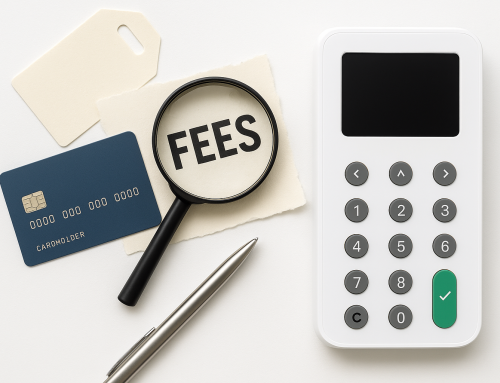
Other helpful features include recurring billing, invoice management, chargeback support, multi-currency processing, and customizable receipts. Businesses should also review pricing structure carefully, including transaction fees, monthly fees, chargeback fees, and any costs for equipment or premium features.
How to Choose the Right Payment Solution for Your Business
The best payment solution depends on how your business operates. An eCommerce company may prioritize gateway reliability and shopping cart integration, while a local restaurant may care more about speed, tipping options, and table-side payments. A consulting firm may need simple invoicing and ACH support, while a subscription business may need advanced recurring billing tools.
Begin by identifying your most important payment needs. Consider your average transaction size, sales channels, customer preferences, and expected growth. Then compare providers based on pricing, ease of use, customer support, security, and scalability. It is also wise to test the checkout experience from a customer’s perspective before making a final decision.
Ask whether the solution can integrate with your existing systems and whether it can support future needs like international expansion, in-person sales, or subscription billing. The right choice is not just about the lowest fee. It is about finding a reliable system that supports your operations and improves the customer experience.
Trends Shaping Business Payments
The payments industry continues to evolve quickly. Contactless and mobile payments are now mainstream, and many customers prefer faster, tap-based checkout experiences. Buy now pay later options are also becoming more common in eCommerce, giving customers more flexibility while potentially increasing average order value.
Another major trend is the rise of integrated payment ecosystems. Businesses increasingly want payment tools that work seamlessly with accounting, CRM, inventory, and analytics platforms. Artificial intelligence and automation are also improving fraud detection, dispute management, and customer support. As a result, businesses that stay current with payment trends can create a more efficient and competitive operation.
Conclusion
Payment solutions for businesses are about more than just collecting money. They shape customer experience, support cash flow, improve security, and help companies operate more efficiently. By understanding the different types of solutions available and the features that matter most, you can choose a payment system that fits your business today and supports growth tomorrow.
The right solution should make payments easy for customers and management simple for your team. Take the time to compare options carefully, and you will build a stronger foundation for long-term success.