Introduction
Choosing the right payment solution is one of the most important decisions a business can make. Whether you run an ecommerce store, a service-based company, or a growing retail operation, the way you accept payments affects cash flow, customer experience, and long-term scalability. A modern payment solution does more than process transactions—it helps reduce friction, improve security, and support your business as it grows.
With so many options available today, it can be challenging to know which system is the best fit. From credit card processing and digital wallets to invoicing platforms and integrated point-of-sale systems, businesses now have more flexibility than ever. The key is understanding what each solution offers and how it aligns with your business model, budget, and customer expectations.
What Are Payment Solutions for Businesses?
Payment solutions for businesses are the tools and services that allow companies to accept, process, and manage customer payments. These systems can handle in-person transactions, online purchases, mobile payments, recurring billing, and bank transfers. In many cases, they also include features such as reporting, fraud protection, subscription management, and integration with accounting software.
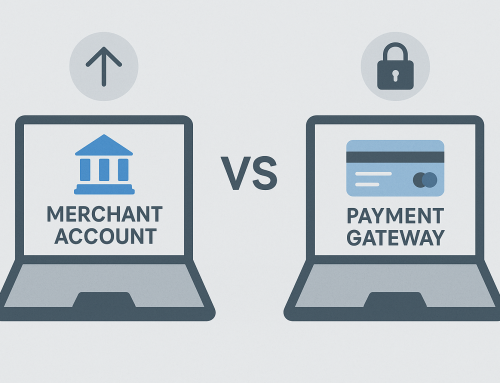
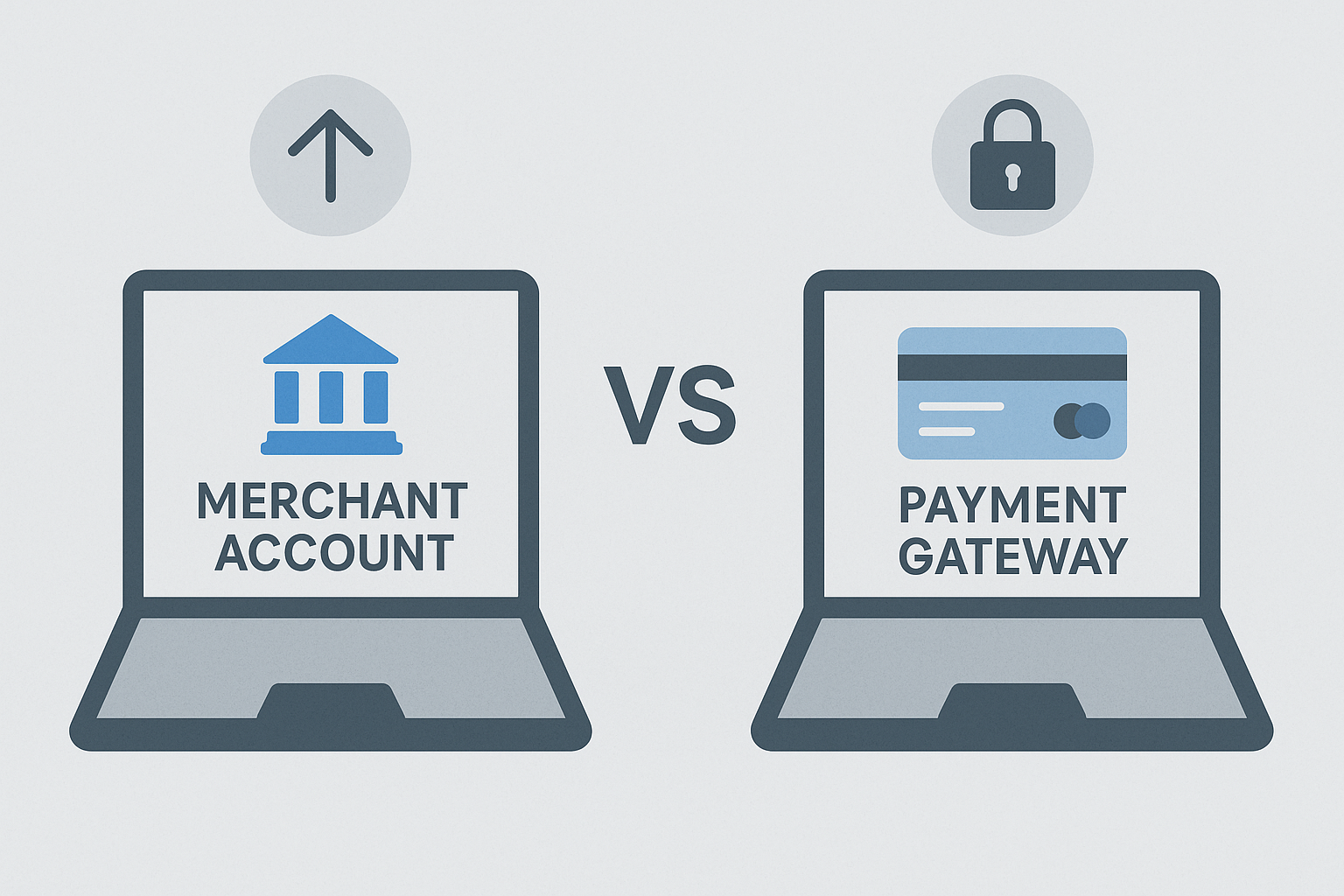
For small businesses, a payment solution may be as simple as a mobile card reader connected to a smartphone. For larger organizations, it may involve a more robust payment gateway, merchant account, and omnichannel platform that ties together online and offline sales. The right solution should make payments easy for customers while keeping operations efficient for the business.
Types of Payment Solutions
Credit and Debit Card Processing
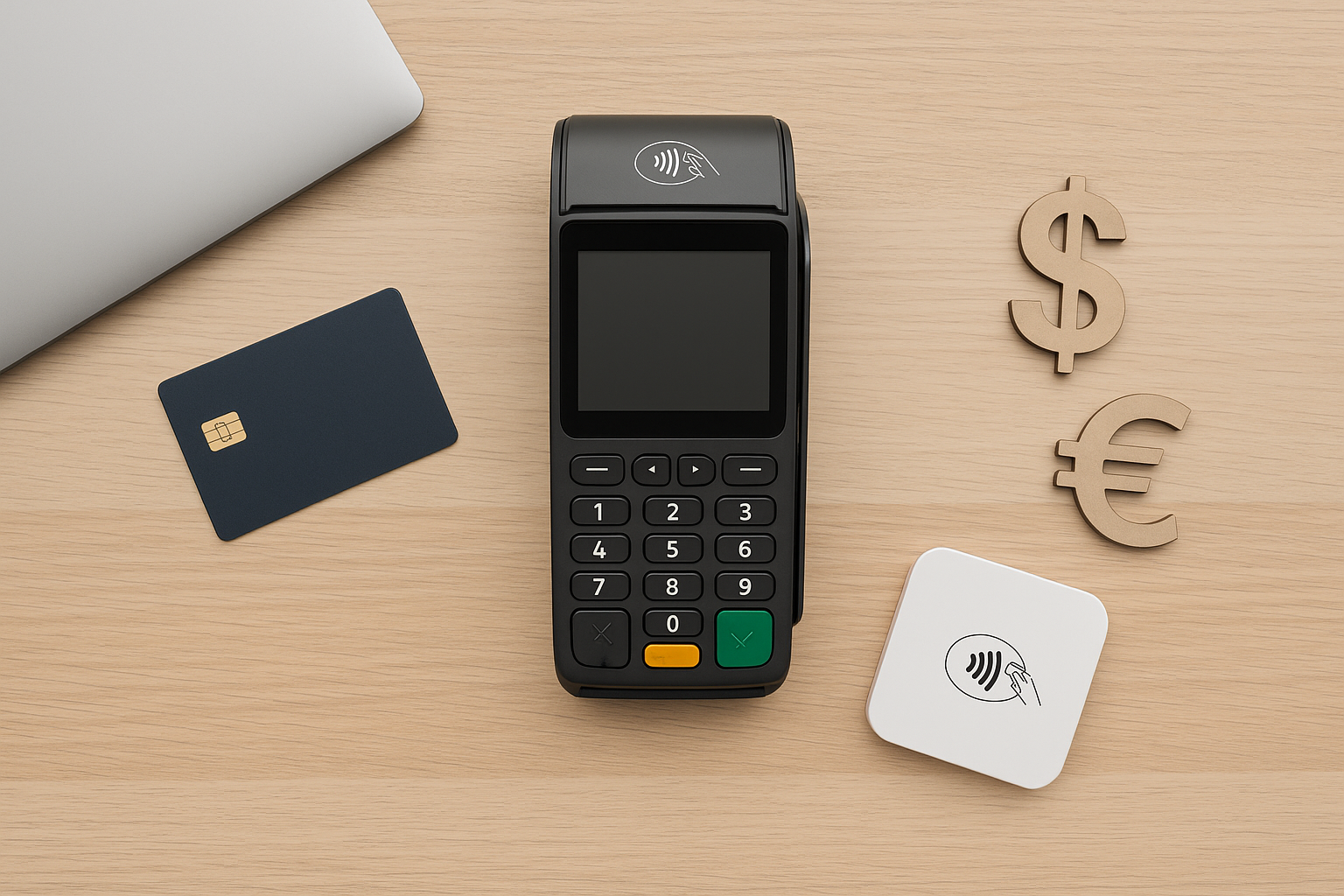
Card processing remains one of the most common payment methods for businesses of all sizes. Customers expect to pay with major credit and debit cards, both in store and online. A card processing solution typically includes a merchant account, payment processor, and card reader or checkout integration.
This option is widely used because it is fast, familiar, and convenient. However, businesses should compare processing fees, chargeback policies, and settlement times before choosing a provider.
Digital Wallets and Mobile Payments
Digital wallets such as Apple Pay, Google Pay, and Samsung Pay have become increasingly popular, especially among mobile-first shoppers. These payment methods allow customers to complete purchases quickly using stored payment information on their devices.
For businesses, digital wallets can reduce checkout friction and improve conversion rates. They also add an extra layer of security through tokenization and biometric authentication, making them a smart choice for businesses focused on convenience and trust.
Online Payment Gateways
Businesses that sell products or services online need a payment gateway to securely transmit payment data between the customer, the merchant, and the bank. A gateway works behind the scenes during checkout, authorizing and processing payments in real time.
Many payment gateways also support recurring billing, fraud detection, and international payments. This makes them especially valuable for ecommerce stores, SaaS companies, and subscription-based businesses.
Point-of-Sale Systems
A point-of-sale, or POS, system is used primarily by brick-and-mortar businesses to process in-person sales. Modern POS systems often include inventory tracking, sales reporting, customer profiles, and employee management features in addition to payment acceptance.
Cloud-based POS platforms can be particularly helpful for businesses with multiple locations or those that want to sync in-store and online sales data in one place. They provide a more complete view of business operations and can improve efficiency at the register.
ACH and Bank Transfers
ACH payments and bank transfers are commonly used for B2B transactions, large invoices, and recurring payments. These methods move funds directly from one bank account to another, often at a lower cost than card payments.
Although bank transfers may take longer to settle, they are a reliable option for businesses that handle high-value transactions or prefer to reduce processing fees. They can also be useful for payroll, vendor payments, and subscription billing in some industries.
Key Features to Look For
Not all payment solutions are created equal. Before selecting a provider, businesses should evaluate the features that will have the biggest impact on their operations and customer experience.
Security and Compliance
Payment security should always be a top priority. Look for solutions that offer encryption, tokenization, PCI compliance, and fraud monitoring. These features help protect sensitive customer data and reduce the risk of costly breaches or chargebacks.
Integration Capabilities
The best payment solution should work seamlessly with your existing tools, such as accounting software, ecommerce platforms, CRM systems, and inventory management software. Strong integrations save time, reduce manual entry, and improve accuracy across the business.
Flexible Payment Options
Customers expect flexibility. A good payment solution should support multiple payment methods, including cards, digital wallets, ACH, and recurring billing. Offering more ways to pay can increase conversions and improve customer satisfaction.
Transparent Pricing
Fees can vary widely between providers, so it is important to understand the full pricing structure. Watch for transaction fees, monthly fees, setup costs, chargeback fees, and hidden charges. Transparent pricing makes it easier to forecast costs and compare providers fairly.
Scalability
As your business grows, your payment needs may change. A scalable solution should be able to handle more transactions, additional locations, or new sales channels without requiring a complete system overhaul. Choosing a flexible platform now can save time and money later.
Benefits of the Right Payment Solution
The right payment solution can have a direct impact on business performance. One of the biggest benefits is improved cash flow. Faster processing and shorter settlement times help businesses access funds sooner, which supports everyday operations and planning.
Another major advantage is better customer experience. Simple, secure, and fast checkout options reduce cart abandonment and increase repeat purchases. When customers feel confident paying, they are more likely to complete transactions and return in the future.
Payment solutions can also improve operational efficiency. Automation reduces the need for manual reconciliation, and built-in reporting tools help businesses monitor trends, track revenue, and make smarter decisions. For businesses with subscriptions or repeat billing, automation can also reduce administrative work and improve collection rates.
How to Choose the Best Payment Solution
Start by identifying how and where your customers prefer to pay. An ecommerce brand may prioritize a strong gateway and wallet support, while a service business may need invoicing and recurring billing. Retail businesses, on the other hand, may focus on POS functionality and in-person card acceptance.
Next, compare providers based on pricing, security, support, and integration options. Think beyond the initial setup and consider how the solution will serve your business six months or two years from now. It is often worth paying a little more for a platform that is reliable, scalable, and easier to manage.
Finally, test the user experience whenever possible. A smooth checkout process benefits both your customers and your team. If a system is difficult to use or slow to implement, it may create more problems than it solves.
Conclusion
Payment solutions for businesses are no longer just about accepting money—they are about creating a faster, safer, and more convenient experience for customers while helping businesses operate more efficiently. By understanding the different types of payment solutions and the features that matter most, you can choose a system that supports both your current needs and future growth.
The best payment solution is the one that fits your business model, integrates with your tools, and delivers a smooth experience at every step of the transaction.