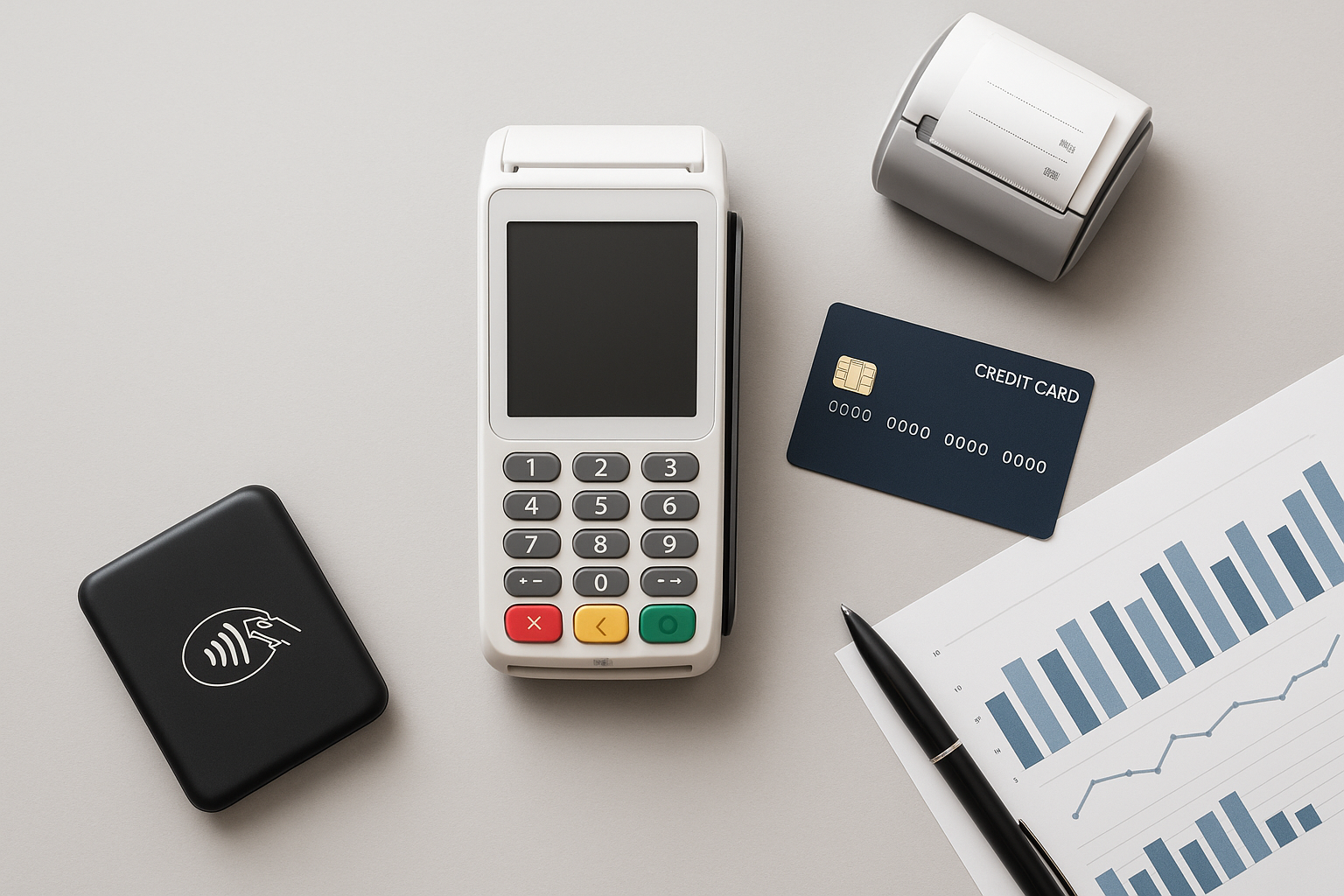
What Is Payment Processing?
Payment processing is the behind-the-scenes system that allows businesses to accept and receive payments from customers. Whether a customer pays with a credit card, debit card, digital wallet, or bank transfer, payment processing makes the transaction possible by securely moving payment information through a network of financial institutions.
For businesses, payment processing is more than just a technical step at checkout. It affects cash flow, customer experience, fraud prevention, and even conversion rates. A smooth payment experience can help a business close more sales, while a slow or unreliable system can drive customers away.
How Payment Processing Works
Although payment processing happens in seconds, several steps occur in the background. Understanding these steps can help businesses choose the right solution and troubleshoot issues when they arise.
1. Customer Initiates the Payment
The process begins when a customer enters payment details at checkout. This may happen in an online store, a mobile app, or in person at a point-of-sale terminal. The payment data is then encrypted to protect sensitive information.
2. The Payment Gateway Sends the Data
In online transactions, a payment gateway securely transmits the customer’s payment information to the payment processor. The gateway acts as the digital bridge between the checkout page and the financial networks involved in the transaction.
3. The Payment Processor Communicates With the Card Network
The payment processor sends the transaction request to the appropriate card network, such as Visa, Mastercard, or American Express. The network routes the request to the customer’s issuing bank, which is the bank that provided the card.
4. The Issuing Bank Approves or Declines the Transaction
The issuing bank checks several factors, including available funds, card status, and fraud risk. If everything looks valid, the bank approves the transaction. If there is a problem, the transaction is declined.
5. Authorization Is Returned to the Merchant
The approval or decline message is sent back through the same chain to the merchant. If approved, the customer sees a confirmation and the order can move forward.
6. Funds Are Settled
After authorization, the transaction still needs to be settled. During settlement, the funds move from the customer’s bank to the merchant’s account, usually through the acquiring bank. This process may take one to several business days, depending on the provider and the payment method.
Key Players in Payment Processing
Several parties work together to complete a payment. Each one has a specific role in the process.
The Customer
The customer initiates the transaction by providing payment information and authorizing the purchase.
The Merchant
The merchant is the business receiving payment for goods or services.
The Payment Gateway
The gateway securely captures and transfers payment data, especially for online and mobile transactions.
The Payment Processor
The processor handles the communication between the merchant, card networks, and banks, making the transaction possible.
The Card Network
Card networks set the rules for transactions and move authorization requests between banks and processors.
The Issuing Bank
The issuing bank is the customer’s bank. It determines whether the transaction should be approved.
The Acquiring Bank
The acquiring bank, also called the merchant bank, helps the business receive the funds from card transactions.
Why Payment Processing Matters for Businesses
Choosing the right payment processing setup can have a major impact on business success. It influences more than just how payments are collected.
Improves Customer Experience
Customers expect fast, easy, and secure checkout. A streamlined payment process reduces friction and helps customers complete purchases without frustration.
Supports Higher Conversion Rates
If checkout is confusing or payment options are limited, shoppers may abandon their carts. Offering multiple payment methods and a reliable checkout flow can improve conversions.
Strengthens Security and Fraud Protection
Modern payment processing systems include encryption, tokenization, and fraud detection tools that help protect both businesses and customers from unauthorized transactions.
Helps Manage Cash Flow
Fast and predictable settlement is important for managing expenses, inventory, payroll, and growth. A good payment processor helps businesses access funds more efficiently.
Enables Business Growth
As businesses expand into new markets, channels, or payment methods, a flexible payment processing system can support that growth without requiring a complete overhaul.
Types of Payment Processing
Different businesses have different payment needs. The most common types of payment processing include:
Card Present Payments
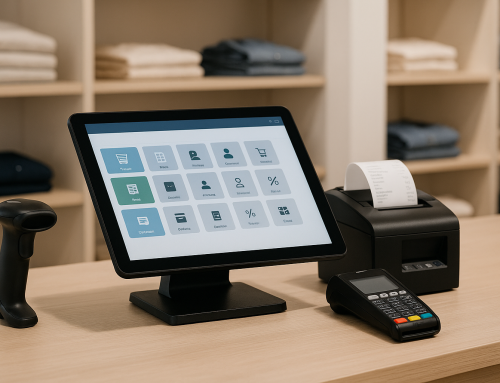
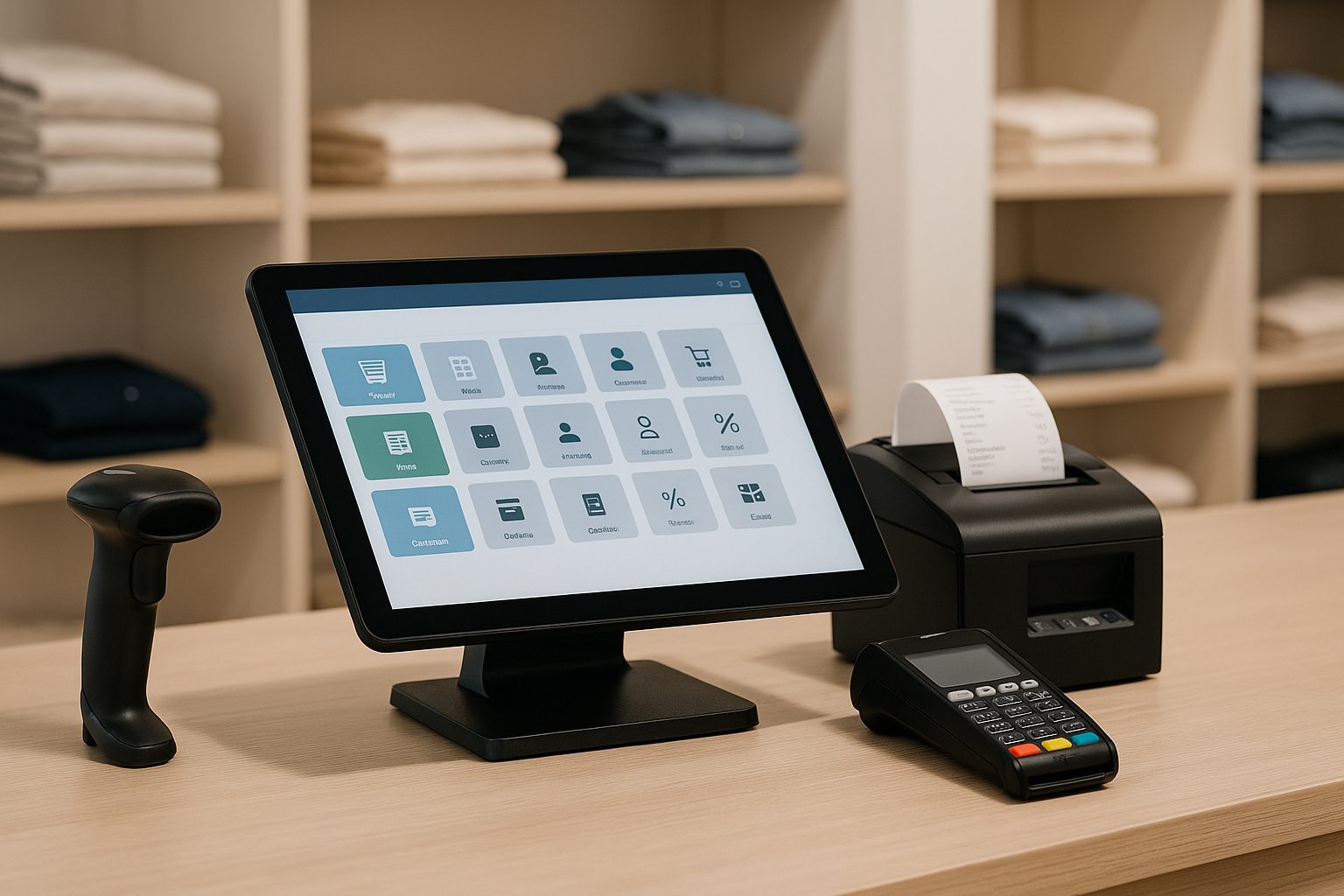
These transactions happen in person when a customer taps, inserts, or swipes a card at a physical terminal. They are common in retail stores, restaurants, and service businesses.
Card Not Present Payments
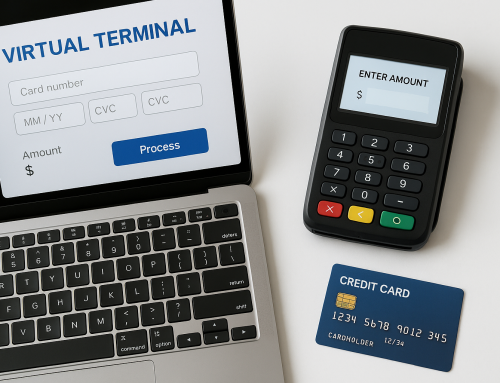
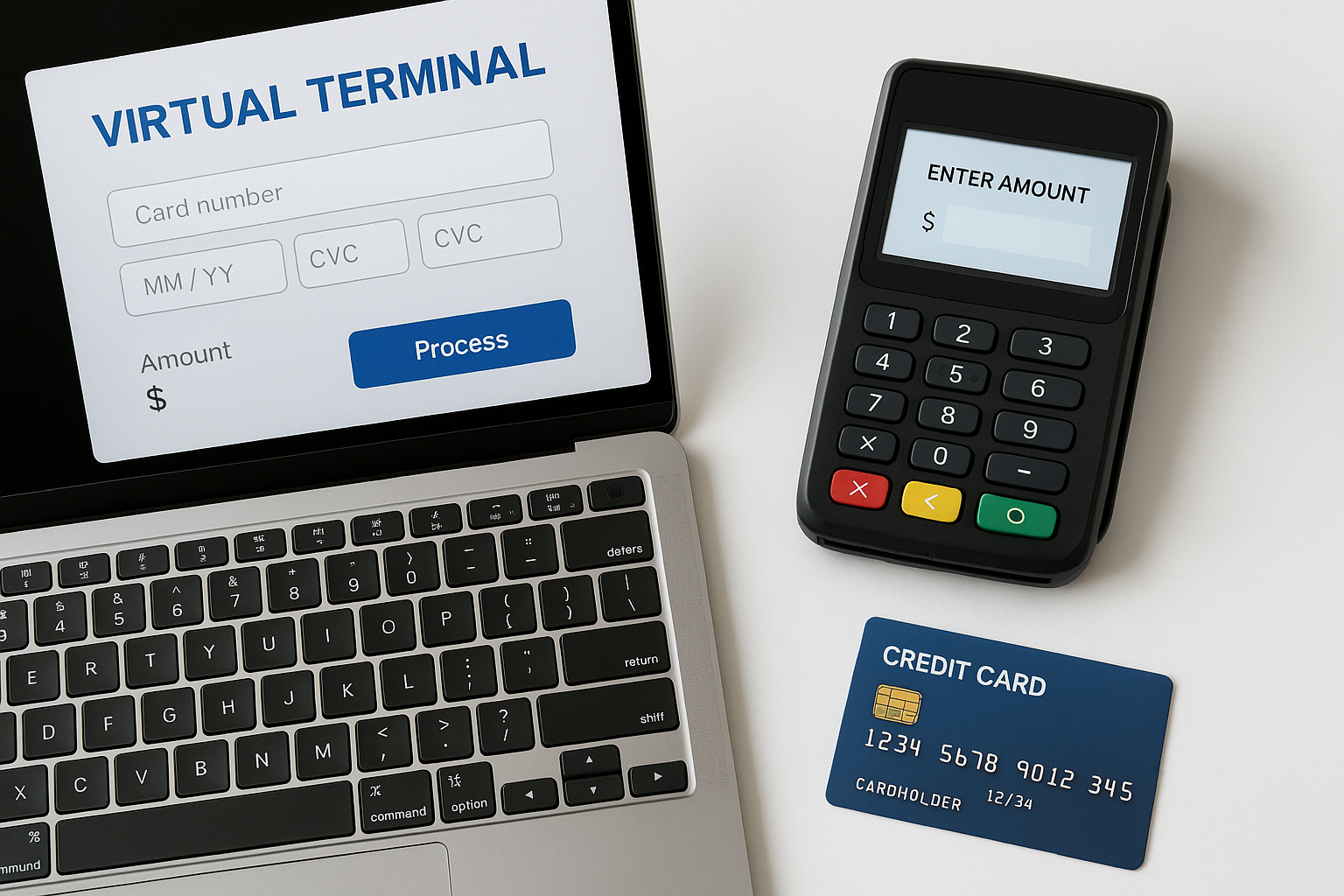
These are online, phone, or mail-order transactions where the card is not physically present. Because fraud risk is higher, extra security measures are often required.
Mobile Payments
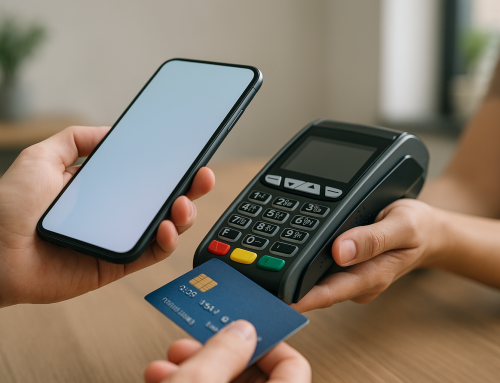
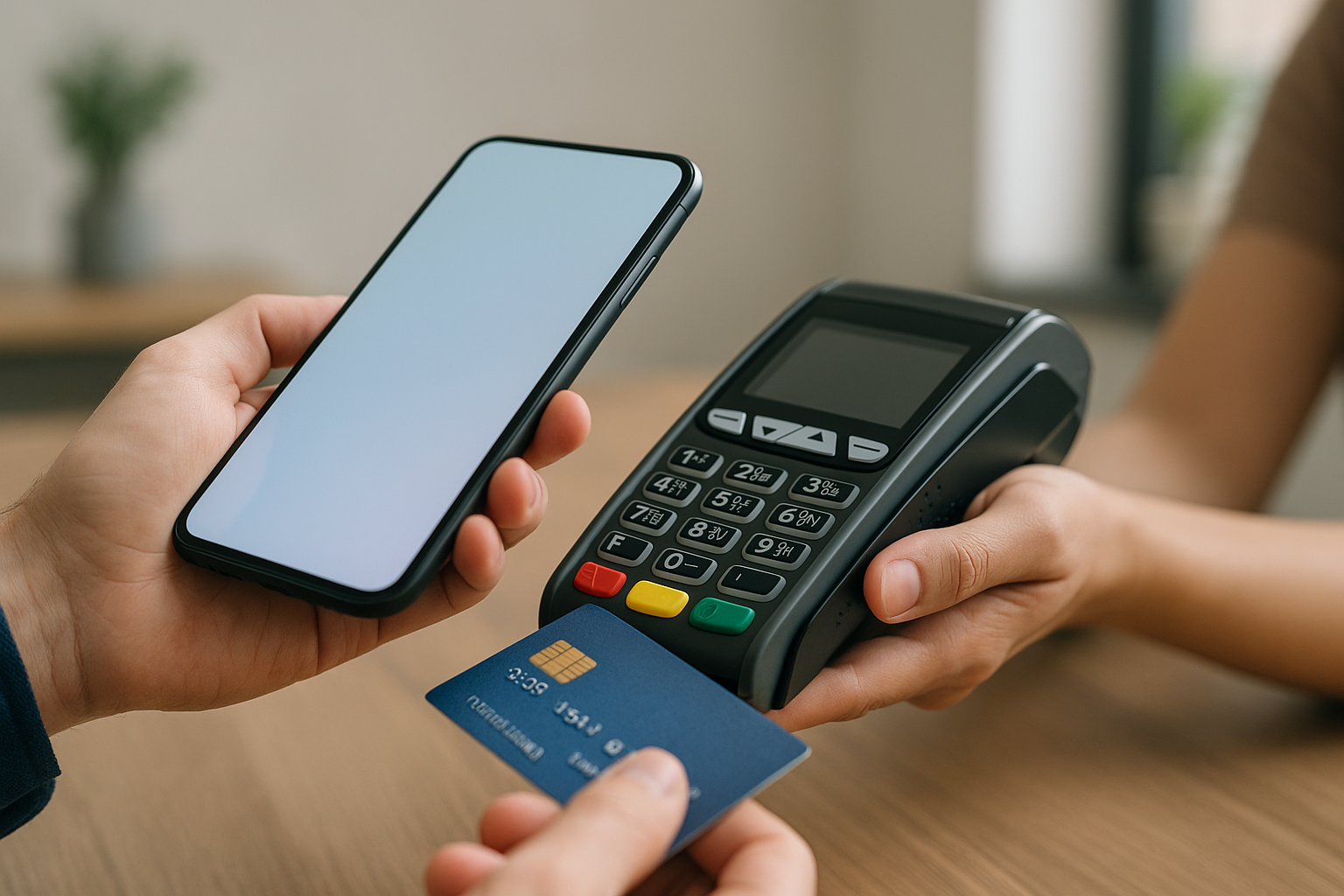
Mobile wallets and app-based payments allow customers to pay quickly using smartphones or wearable devices. This type of payment is growing rapidly due to convenience and speed.
ACH and Bank Transfers
Automated Clearing House (ACH) payments and direct bank transfers are often used for subscriptions, invoices, B2B payments, and recurring billing.
Important Features to Look for in a Payment Processor
Not all processors offer the same capabilities. Businesses should compare providers carefully before making a decision.
Security Tools
Look for encryption, PCI compliance support, tokenization, and fraud monitoring. These features help protect sensitive payment data and reduce risk.
Multiple Payment Methods
A strong processor should support major credit and debit cards, digital wallets, ACH, and possibly local payment methods depending on your audience.
Clear Pricing
Understand all fees, including transaction fees, monthly fees, chargeback fees, and setup costs. Transparent pricing makes it easier to forecast expenses.
Fast Settlement
Settlement speed affects how quickly you can access your money. This is especially important for small businesses with tight cash flow.
Integration Options
Your processor should integrate smoothly with your website, shopping cart, accounting software, POS system, or subscription platform.
Reliable Support
If something goes wrong, responsive customer support can save time and prevent lost sales. Look for providers with strong service and technical assistance.
Common Challenges in Payment Processing
Even with a good system in place, businesses can run into problems. Knowing the common challenges can help you prepare for them.
Chargebacks
Chargebacks occur when a customer disputes a transaction and requests a reversal from their bank. Too many chargebacks can lead to added fees and account risk.
Declined Transactions
Payments may be declined because of insufficient funds, outdated card details, fraud filters, or network issues. Some declines can be recovered with better customer communication or retry logic.
Security Risks
Fraudsters constantly look for ways to exploit weaknesses in payment systems. Businesses must stay current with security best practices and fraud prevention tools.
Technical Downtime
System outages, gateway failures, or integration issues can interrupt sales. Choosing a reliable provider and having backup options can reduce disruption.
Best Practices for Smarter Payment Processing
Businesses can improve payment performance by following a few practical best practices.
Offer Flexible Payment Options
Let customers pay in the way that works best for them. More options often mean fewer abandoned carts and more completed sales.
Keep Checkout Simple
Remove unnecessary steps and ask only for the information you truly need. A shorter checkout process usually leads to better results.
Monitor Fraud and Chargebacks
Track suspicious activity, review disputes, and use fraud tools to identify patterns. Proactive monitoring can protect revenue and reputation.
Review Fees Regularly
As your business grows, your payment needs may change. Periodically review fees, processing performance, and provider options to ensure you are getting good value.
Test Your Payment Flow
Regularly test checkout on different devices and browsers to make sure customers can pay without issues. Small glitches can have a big impact on revenue.
Conclusion
Payment processing is a critical part of doing business in a digital world. It affects how quickly you get paid, how secure your transactions are, and how easy it is for customers to buy from you. By understanding how the process works and what features matter most, businesses can choose smarter payment solutions that support growth, reduce friction, and create a better customer experience.