What Is a Payment Gateway?
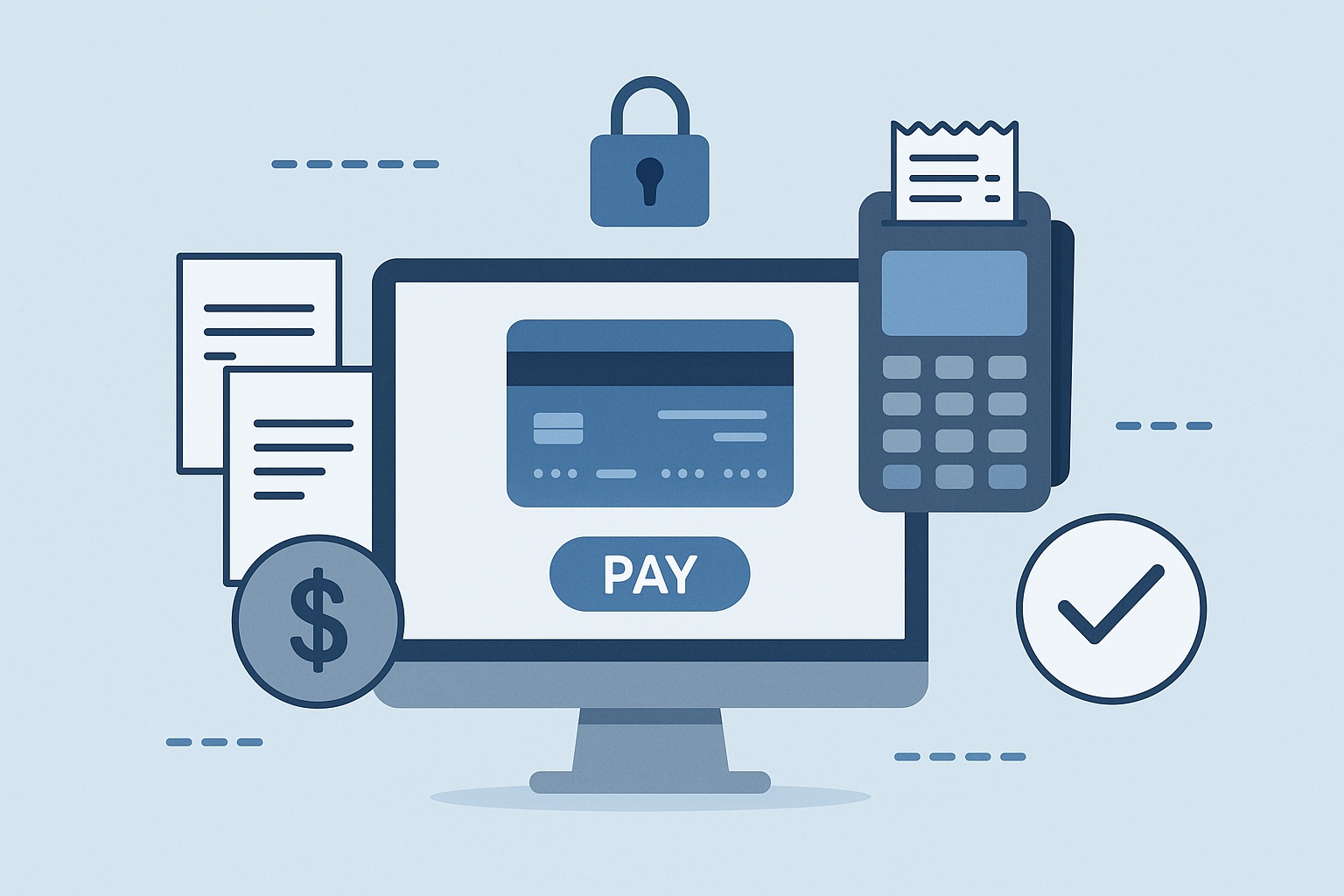
A payment gateway is the technology that securely connects a customer, a merchant, and the financial institutions involved in a transaction. In simple terms, it is the digital bridge that helps businesses accept online payments from credit cards, debit cards, digital wallets, and other payment methods.
When a customer enters payment details on an e-commerce site or checkout page, the payment gateway encrypts the information and sends it to the payment processor or acquiring bank for approval. If the transaction is authorized, the gateway communicates the approval back to the merchant so the order can be completed.
Without a payment gateway, online businesses would not have a reliable or secure way to process card payments. It plays a critical role in making digital commerce fast, convenient, and trustworthy.
How Does a Payment Gateway Work?
The payment gateway process happens in just a few seconds, but several steps take place behind the scenes to protect the transaction and verify that funds are available.
1. Customer Enters Payment Details
The process begins when the shopper adds products to their cart and enters payment information at checkout. This may include card details, billing address, or wallet credentials.
2. Data Is Encrypted
Before the information leaves the checkout page, the gateway encrypts it to prevent unauthorized access. Encryption helps protect sensitive card data from being intercepted during transmission.
3. Transaction Is Sent for Authorization
The gateway forwards the encrypted payment request to the payment processor, which communicates with the customer’s bank or card network. The bank checks whether the account is valid, the card is active, and sufficient funds or credit are available.
4. Approval or Decline Is Returned
The issuing bank sends a response back through the network. If approved, the merchant receives confirmation and the customer can complete the purchase. If declined, the gateway informs the merchant so the customer can try another payment method.
5. Funds Are Settled
After authorization, the transaction moves into settlement, where the funds are transferred from the customer’s account to the merchant’s account, usually within one to a few business days.
Key Features of a Reliable Payment Gateway
Not all payment gateways offer the same level of functionality. A strong solution should support security, flexibility, and smooth checkout experiences.
Security and Encryption
Security is the most important feature. A trusted gateway should use encryption, tokenization, fraud detection tools, and PCI DSS compliance to protect customer information and reduce risk.
Multiple Payment Methods
Customers expect options. A good payment gateway should support major credit and debit cards, digital wallets, bank transfers, and local payment methods depending on the market.
Fast Transaction Processing
Speed matters at checkout. A gateway should process payments quickly to reduce cart abandonment and improve the customer experience.
Mobile-Friendly Checkout
With more shoppers using smartphones, the payment experience must work smoothly on smaller screens and across devices.
Easy Integration
Businesses need gateways that integrate with e-commerce platforms, shopping carts, accounting software, and subscription billing systems without unnecessary complexity.
Reporting and Analytics
Built-in dashboards and reporting tools help merchants track sales, monitor failed transactions, identify trends, and make better business decisions.
Benefits of Using a Payment Gateway
A payment gateway does more than move money from one place to another. It creates a secure and scalable foundation for online business growth.
Improved Customer Trust
Customers are more likely to complete a purchase when they know their payment details are protected. Secure checkout pages and recognizable payment options help build trust.
Faster and Easier Transactions
Payment gateways streamline the checkout process, making it easier for customers to pay without delays or manual steps.
Global Sales Opportunities
For businesses that sell across borders, gateways can support multiple currencies and local payment methods, helping reach more customers worldwide.
Reduced Fraud Risk
Many gateways include fraud screening tools that flag suspicious activity, helping merchants prevent chargebacks and unauthorized payments.
Better Business Efficiency
Automation reduces the need for manual payment handling and helps businesses manage transactions more efficiently, especially as order volume grows.
Types of Payment Gateways
Businesses can choose from different types of payment gateway setups depending on their needs, technical resources, and customer experience goals.
Hosted Payment Gateways
Hosted gateways redirect customers to a third-party payment page to complete the transaction. This setup is often easier to implement and can reduce the merchant’s security burden.
Self-Hosted Payment Gateways
In a self-hosted model, customers enter payment details on the merchant’s website, and the data is then sent to the gateway for processing. This gives businesses more control over branding and checkout design.
API-Based Payment Gateways
API-based gateways allow businesses to create a fully customized checkout experience. They are ideal for companies that want greater flexibility but may require more development expertise.
Local Bank Integration Gateways
Some gateways connect directly with local banks or payment providers, which can be useful for businesses operating in specific regions or industries.
How to Choose the Right Payment Gateway
Selecting the right payment gateway can have a major impact on conversion rates, customer satisfaction, and operational costs. Here are some factors to consider.
Transaction Fees
Compare setup fees, monthly fees, per-transaction charges, and any additional costs for chargebacks, refunds, or international payments.
Supported Payment Methods
Choose a gateway that supports the payment methods your customers prefer. The more convenient the options, the more likely customers are to finish checkout.
Compatibility with Your Platform
Make sure the gateway works with your e-commerce platform, website, or app. Easy integration saves time and reduces technical issues.
Security Standards
Look for PCI compliance, encryption, fraud tools, and strong authentication features to protect both your business and your customers.
Customer Experience
The payment flow should be simple, fast, and mobile-friendly. A smooth checkout can lower abandonment and increase completed sales.
Scalability
As your business grows, your payment gateway should be able to handle higher transaction volumes, new markets, and additional payment methods.
Conclusion
A payment gateway is an essential part of modern online commerce. It securely processes transactions, supports a smooth checkout experience, and helps businesses accept payments with confidence. By understanding how payment gateways work and what features matter most, businesses can choose a solution that supports growth, improves trust, and makes online selling easier.