What Is a Payment Gateway?
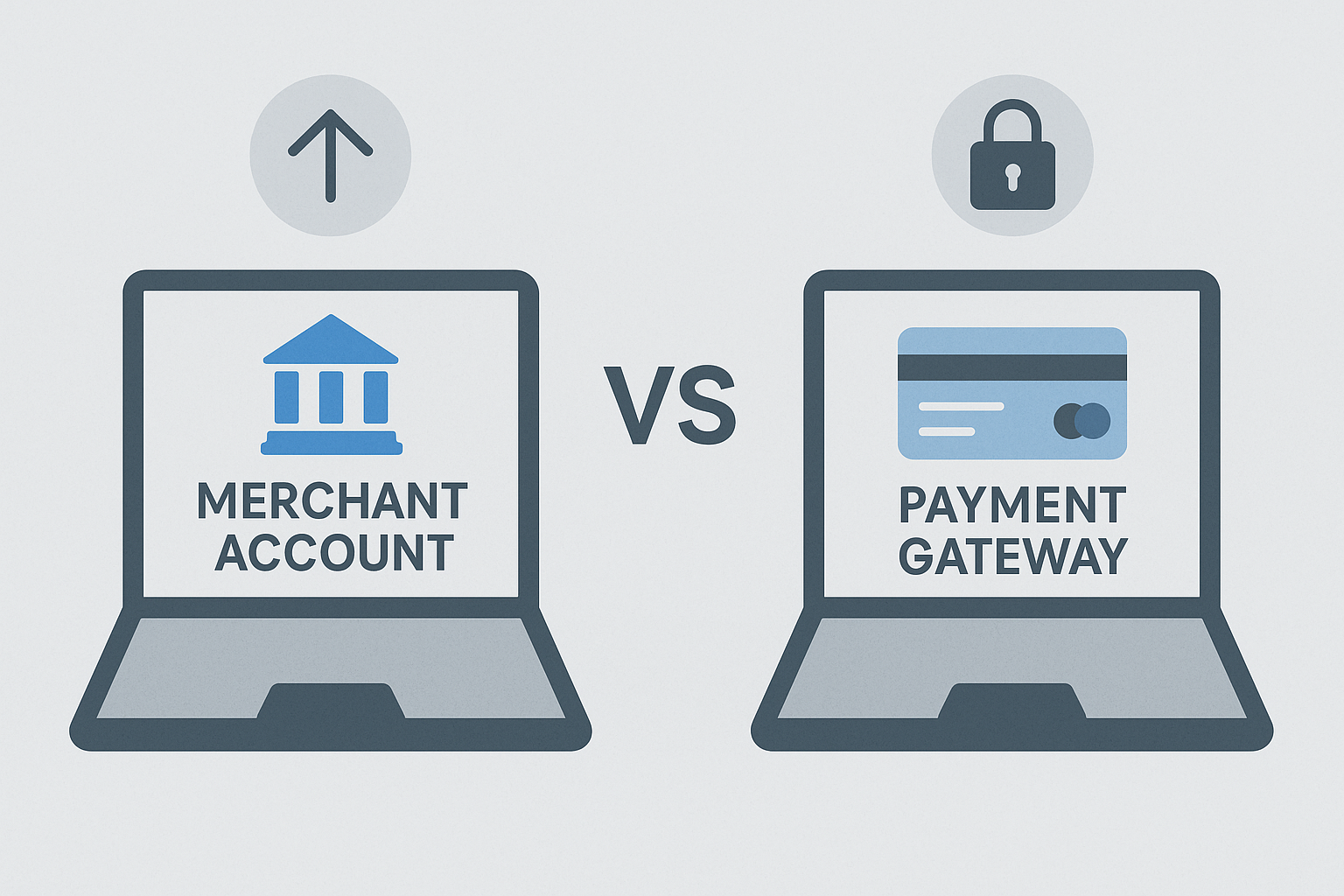
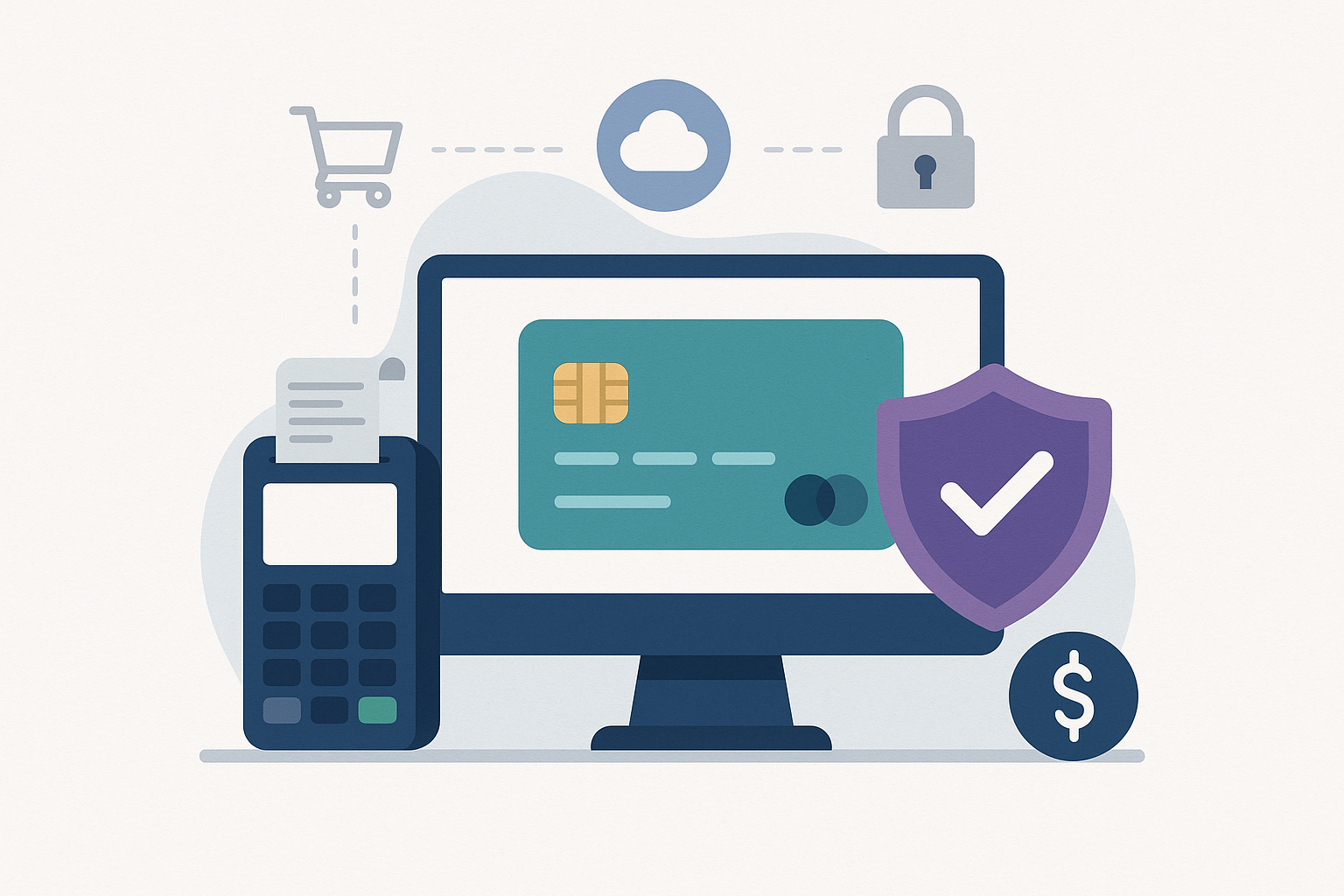
A payment gateway is the technology that securely captures and transfers payment information between a customer, a merchant, and the banks involved in the transaction. In simple terms, it acts as the digital bridge that allows businesses to accept online payments from credit cards, debit cards, digital wallets, and other payment methods.
When a customer enters payment details at checkout, the gateway encrypts the data and sends it to the payment processor. From there, the request moves through the card network and issuing bank for approval. If everything checks out, the transaction is approved and the merchant gets confirmation to complete the order.
Without a payment gateway, online businesses would not be able to process card payments securely and efficiently. It is one of the most important components of any e-commerce checkout experience.
How Does a Payment Gateway Work?
The payment gateway process happens in just a few seconds, but it involves several steps behind the scenes:
- Customer enters payment details: The shopper submits card or wallet information on the checkout page.
- Data is encrypted: The gateway protects sensitive information using encryption and secure transmission protocols.
- Transaction is sent for authorization: The gateway forwards the request to the payment processor and card network.
- Issuer approves or declines: The customer’s bank checks available funds, fraud signals, and account status before responding.
- Merchant receives the result: The gateway sends the approval or decline message back to the website or app.
- Payment is settled: If approved, the funds are later transferred to the merchant’s account through the settlement process.
This entire flow is designed to be fast, secure, and seamless for the customer while helping merchants reduce risk.
Why Payment Gateways Are Important
Payment gateways play a critical role in online commerce because they do more than simply move money. They create a secure environment that helps both customers and businesses trust the transaction process.
Security and Fraud Prevention
One of the biggest advantages of using a payment gateway is security. Gateways encrypt sensitive data and often include fraud detection tools, tokenization, and address verification to help prevent unauthorized transactions.
Better Customer Experience
A smooth checkout experience can directly impact conversion rates. A reliable gateway supports fast approval times, multiple payment options, and mobile-friendly checkout flows, all of which reduce cart abandonment.
Global Payment Acceptance
Many payment gateways support international currencies, local payment methods, and cross-border transactions. This makes it easier for businesses to expand beyond a single market and serve customers around the world.
Business Efficiency
Modern gateways often include reporting dashboards, subscription billing tools, recurring payment support, and integration with accounting or e-commerce platforms. These features save time and simplify operations.
Types of Payment Gateways
Not all payment gateways work the same way. Businesses typically choose from a few common models based on their needs and technical resources.
Redirect Gateways
Redirect gateways send customers to a third-party page to complete payment. This can reduce security responsibilities for the merchant, but it may interrupt the checkout experience.
Hosted Checkout Gateways
Hosted checkout solutions provide a secure payment page managed by the provider. They are easy to implement and often include built-in compliance features, making them a popular choice for small and medium-sized businesses.
Integrated Gateways
Integrated gateways allow customers to pay directly on the merchant’s website or app. This creates a more seamless experience, but it may require more development effort and greater attention to security compliance.
API-Based Gateways
API-based gateways are highly flexible and give businesses full control over the checkout experience. They are ideal for larger companies or custom platforms that need advanced features and deeper integration.
Key Features to Look for in a Payment Gateway
Choosing the right payment gateway can have a major impact on sales, security, and customer satisfaction. Here are some essential features to consider:
Security Standards
Look for PCI DSS compliance, encryption, tokenization, and built-in fraud tools. These features help protect customer data and reduce the risk of breaches.
Payment Method Support
Your gateway should support the payment methods your customers prefer, such as major credit cards, debit cards, digital wallets, bank transfers, and local payment options.
Integration Options
A good payment gateway should connect easily with your e-commerce platform, website builder, CRM, or mobile app. Strong API documentation and prebuilt plugins can make setup much easier.
Transaction Fees
Every gateway has a pricing structure. Compare setup fees, monthly fees, per-transaction costs, chargeback fees, and currency conversion fees to understand the total cost.
Speed and Reliability
Even a few seconds of delay can hurt conversions. Choose a gateway with strong uptime, fast processing, and a reputation for reliable performance.
Customer Support
Payment issues can disrupt sales quickly, so responsive support is essential. Look for providers with live support, clear documentation, and helpful troubleshooting resources.
How to Choose the Right Payment Gateway
The best payment gateway depends on your business model, customer base, and growth plans. Start by identifying what matters most for your operations.
If you run a small online store, an easy-to-use hosted solution may be the fastest way to begin accepting payments. If your business has custom checkout requirements or high transaction volume, an API-driven gateway may offer more control and scalability.
You should also consider where your customers are located. If you sell internationally, look for multi-currency support, local payment methods, and cross-border optimization. For subscription businesses, recurring billing features are especially important.
It is also smart to test the checkout experience before making a final decision. Evaluate how the payment page looks on desktop and mobile, how quickly transactions are approved, and whether the gateway supports refund and chargeback workflows.
Common Challenges with Payment Gateways
Even the best payment gateway can come with challenges. Understanding them ahead of time can help you avoid problems later.
One common issue is transaction failure due to incorrect card details, insufficient funds, or bank declines. Another is chargebacks, which can increase costs and affect merchant reputation. Businesses may also face integration issues if the gateway does not work smoothly with existing software.
In addition, security and compliance requirements can be complex. Merchants must stay current with PCI standards and fraud prevention practices to protect both their business and their customers.
The Future of Payment Gateways
Payment gateways continue to evolve as consumer expectations and technology change. Businesses are seeing more demand for faster checkout, mobile payments, contactless experiences, and alternative payment methods such as digital wallets and buy now, pay later options.
Artificial intelligence and machine learning are also improving fraud detection by identifying suspicious patterns more accurately. At the same time, APIs and automation are making it easier for businesses to customize checkout experiences and scale globally.
As digital commerce grows, payment gateways will remain essential to secure, convenient, and flexible online transactions.
Conclusion
A payment gateway is much more than a checkout tool. It is a core part of secure online commerce, helping businesses accept payments, prevent fraud, and deliver a smooth customer experience. By understanding how it works and what features matter most, you can choose a gateway that supports both your current needs and future growth.