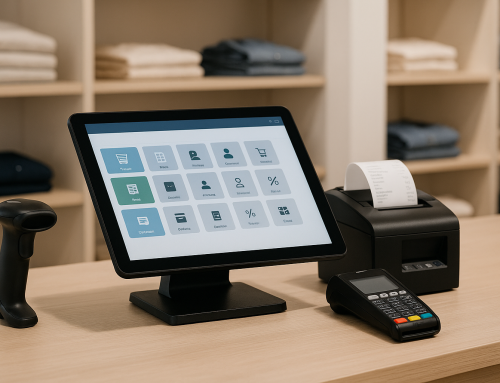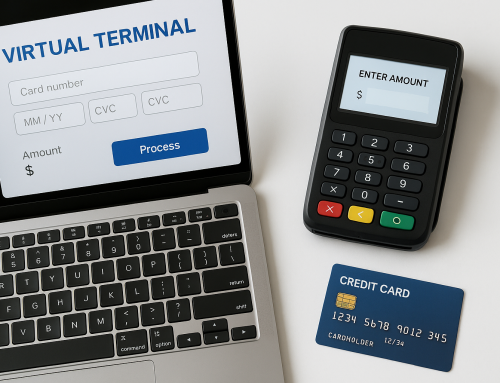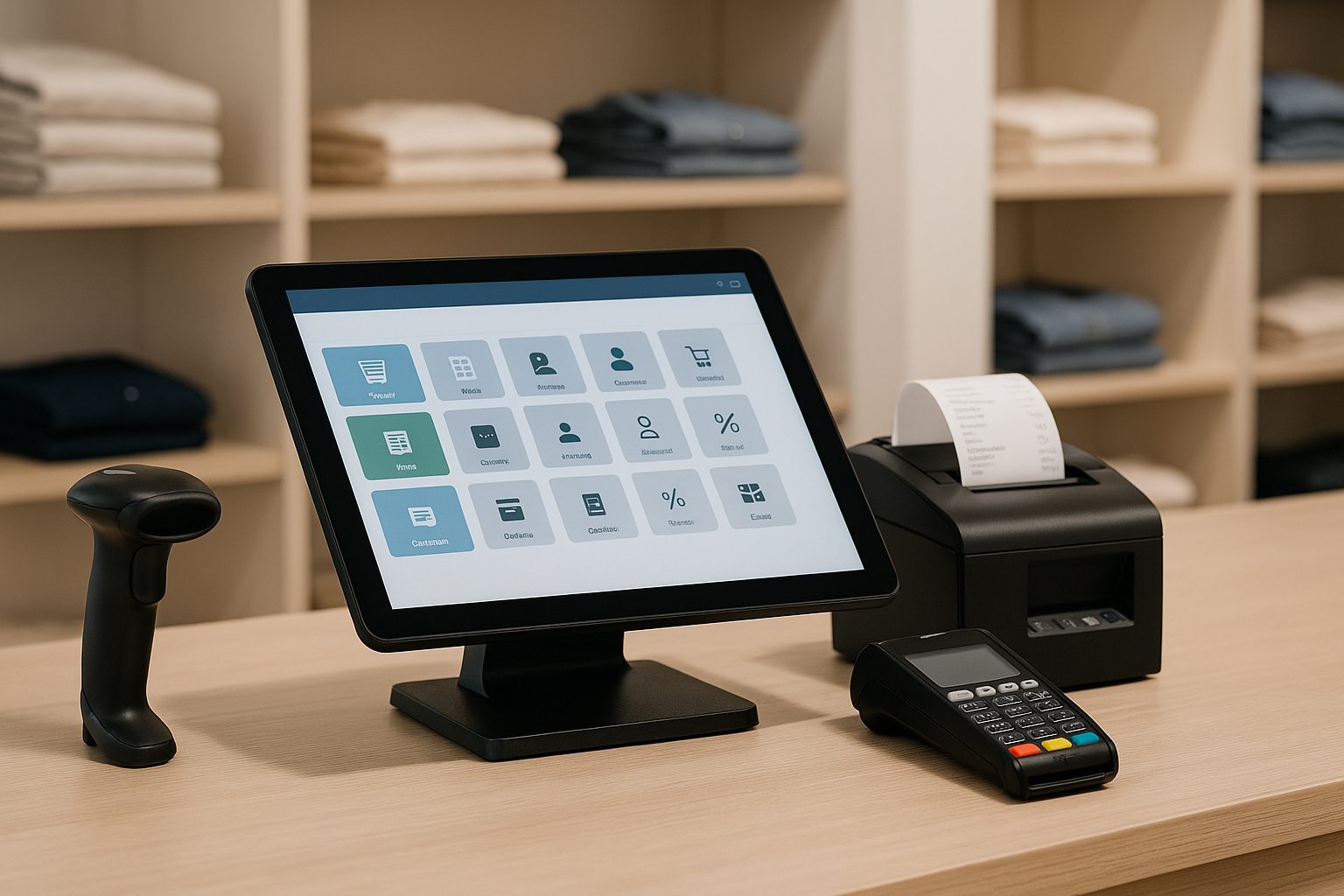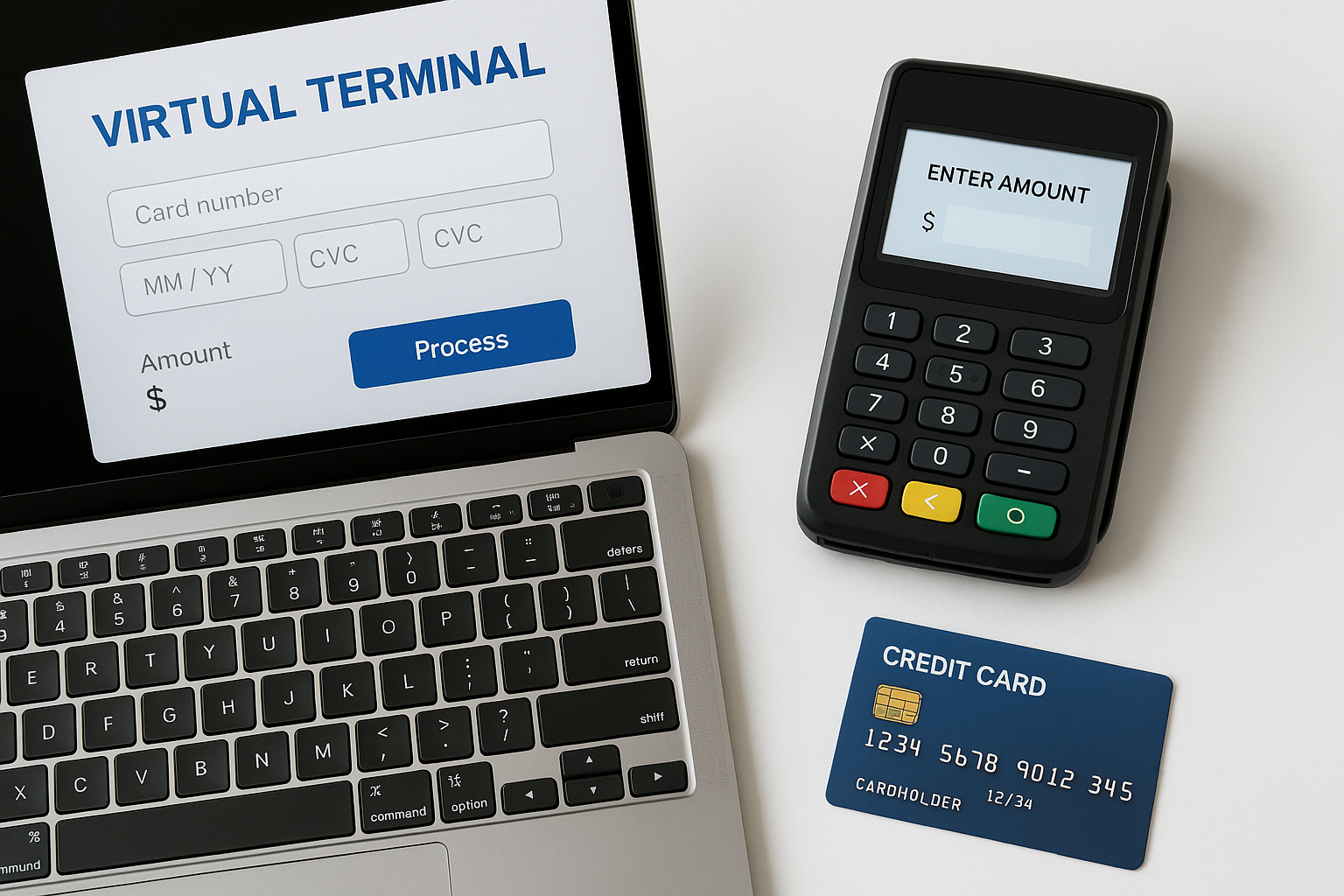

Business credit card processing is one of the most important payment systems a company can offer. Whether you run a retail store, a restaurant, a service business, or an online shop, accepting credit cards can make it easier for customers to buy from you and easier for your business to grow. But behind every card swipe, tap, or online checkout is a system of fees, technology, and security tools that every business owner should understand.
In this guide, we’ll break down how business credit card processing works, why it matters, what fees to expect, and how to choose the right payment processor for your needs.
What Is Business Credit Card Processing?
Business credit card processing is the system that allows a business to accept payments made with credit cards. It includes the technology, providers, and financial networks that work together to authorize, capture, and settle card transactions.
When a customer pays with a card, the payment goes through several steps. First, the processor sends the transaction request to the card network, such as Visa or Mastercard. Then the customer’s bank approves or declines the purchase. If approved, the money is transferred through the payment system and deposited into the business’s merchant account or bank account, usually within a few business days.
This process may happen in seconds, but it involves multiple parties. A business credit card processing setup often includes:
- A merchant account or payment account
- A payment processor
- A point-of-sale system or payment gateway
- The card networks
- The customer’s issuing bank
Why Business Credit Card Processing Matters
Offering card payments is no longer optional for many businesses. Customers expect fast, secure, and flexible payment options. If your business only accepts cash or checks, you may lose sales to competitors that offer more convenient payment methods.
Here are a few reasons why credit card processing matters:
- Improved customer convenience: People want to pay in the way that is easiest for them.
- Higher sales potential: Customers often spend more when they can use a card instead of cash.
- Faster payments: Credit card transactions are usually processed quickly, which improves cash flow.
- Better recordkeeping: Digital payments make it easier to track sales and reconcile accounts.
- Support for online sales: Card processing is essential for e-commerce and recurring billing models.
How Business Credit Card Processing Works
Understanding the steps in a card transaction can help you make better decisions about payment providers and fees.
1. The Customer Initiates Payment
The process begins when a customer inserts, taps, swipes, or enters their card details online. This action sends the payment information to your processor or payment gateway.
2. The Transaction Is Authorized
The payment processor sends the request through the card network to the customer’s bank. The bank checks whether the card is valid, whether sufficient funds or credit are available, and whether the transaction looks legitimate.
3. The Payment Is Approved or Declined
If everything checks out, the transaction is approved. If there is a problem, the payment is declined. In either case, the response is sent back to the business almost immediately.
4. Funds Are Settled
After approval, the business completes the sale and the transaction is settled. The funds are transferred from the customer’s bank to the business account, usually after a short delay.
Types of Credit Card Processing Fees
One of the most important parts of business credit card processing is understanding the fees. These costs can vary significantly depending on your processor, transaction volume, industry, and payment method.
Common fees include:
- Interchange fees: Fees paid to the customer’s card-issuing bank. These are set by the card networks and are usually the largest component of processing costs.
- Assessment fees: Small fees charged by card networks like Visa and Mastercard.
- Processor markup: The fee added by your payment processor for providing the service.
- Monthly account fees: Some processors charge a monthly fee for account maintenance or software access.
- Chargeback fees: Fees charged when a customer disputes a transaction and the payment is reversed.
- Hardware or gateway fees: Costs for card readers, terminals, or online payment gateways.
Pricing models may include flat-rate pricing, interchange-plus pricing, or tiered pricing. Each has its pros and cons, and the best option depends on how your business processes payments.
Choosing the Right Business Credit Card Processor
Selecting a processor is not just about finding the lowest fee. The right provider should match your sales volume, business type, and customer payment preferences.
When comparing processors, look at the following factors:
- Pricing transparency: Make sure the fee structure is clear and easy to understand.
- Contract terms: Check whether there are long-term commitments, cancellation fees, or hidden charges.
- Supported payment methods: Confirm that the processor handles in-person, online, mobile, and recurring payments if needed.
- Security features: Look for encryption, tokenization, PCI compliance support, and fraud tools.
- Integration options: Make sure the system works with your POS software, accounting tools, or e-commerce platform.
- Customer support: Reliable support can be critical if your payment system goes down during business hours.
Questions to Ask Before You Sign Up
- What are the total processing costs for my average transaction?
- Are there monthly minimums or hidden service fees?
- How long does it take to receive deposits?
- What happens if I need to dispute a chargeback?
- Can the system grow with my business?
Security and Compliance in Payment Processing
Security is a major concern in business credit card processing because payment data is sensitive. A secure system helps protect your business and your customers from fraud and data breaches.
To reduce risk, businesses should follow security best practices, including:
- Using PCI-compliant payment systems
- Keeping software and terminals updated
- Training staff on fraud prevention
- Monitoring unusual transactions
- Using encryption and tokenization where possible
Compliance with PCI DSS standards is especially important. These rules are designed to protect cardholder data and reduce the chance of fraud. Even if your processor handles much of the compliance burden, your business still needs to follow proper procedures.
Best Practices for Managing Credit Card Processing Costs
Processing fees are a normal part of accepting cards, but there are ways to keep them under control. A smart approach to payment processing can improve your profit margins over time.
Consider these cost-saving practices:
- Negotiate rates if your sales volume is high
- Encourage card-present transactions when possible, since they are often less risky
- Reduce chargebacks by improving billing descriptions and customer communication
- Review monthly statements for unnecessary fees
- Choose equipment and software that fit your actual needs
It also helps to compare providers regularly. A processor that was a great fit when you started may no longer be the best choice as your business grows.
Conclusion
Business credit card processing is more than just a way to accept payments. It affects cash flow, customer experience, security, and profitability. By understanding how it works and what to look for in a processor, you can choose a solution that supports your business goals and helps you provide a smoother checkout experience.
With the right payment setup, your business can accept payments confidently, reduce friction at checkout, and create a better experience for every customer.